How Much SPF Do You Really Need Daily?


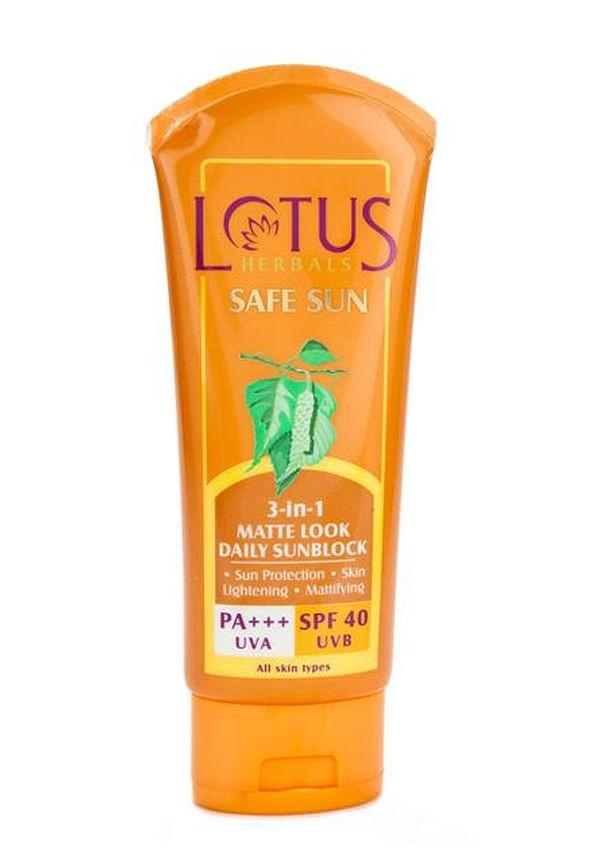 75 gm
75 gmSafe Sun 3 In 1 Matte-Look Daily Sunscreen SPF 40 PA+++
Let's be real—sunscreen shopping can feel like decoding a science textbook. You're standing in the skincare aisle, staring at bottles with SPF 15, 30, 50, and even 100, wondering if higher numbers mean better protection or just a higher price tag. The truth is, knowing how much SPF needed for your daily routine isn't about picking the highest number on the shelf. It's about understanding what those numbers actually mean and how they fit into your lifestyle. Whether you're working from home, commuting to the office, or spending weekends outdoors, your skin deserves the right level of protection without the guesswork.
Here's the thing about sun protection factor—it's not as straightforward as you might think. SPF measures how long you can stay in the sun without burning compared to unprotected skin. So if you normally burn after 10 minutes, SPF 30 theoretically gives you 300 minutes of protection. But real life isn't a maths equation, and several factors can mess with this calculation.
The percentage game is where things get interesting. SPF 30 blocks about 97% of UVB rays, while SPF 50 blocks 98%. That tiny 1% difference might not seem like much, but for some skin types, it's worth the extra investment. SPF 100? It blocks 99% of UVB rays—still just a 1% jump from SPF 50.
Most people think doubling the SPF number doubles the protection, but that's not how it works. The protection curve flattens out significantly after SPF 30, which is why dermatologists often say anything beyond SPF 50 offers diminishing returns. Plus, higher SPF products can feel heavier on the skin and might discourage regular use—which defeats the purpose entirely.
UVA and UVB protection is another crucial piece of the puzzle. UVB rays cause burning and contribute to skin cancer, while UVA rays penetrate deeper and cause premature ageing. Look for "broad-spectrum" on the label to ensure you're getting protection from both. This is non-negotiable for daily SPF use.
When it comes to SPF guidelines, dermatologists worldwide agree on one thing: SPF 30 is the sweet spot for daily protection. It's effective, affordable, and doesn't feel like you're wearing a mask. This level blocks 97% of UVB rays, which is more than enough for most daily activities.
But there are times when stepping up to SPF 50 makes sense. If you have fair skin that burns easily, a history of skin cancer, or you're taking medications that increase sun sensitivity, higher SPF can provide that extra peace of mind. The same goes for days when you'll be outdoors for extended periods or at higher altitudes where UV exposure intensifies.
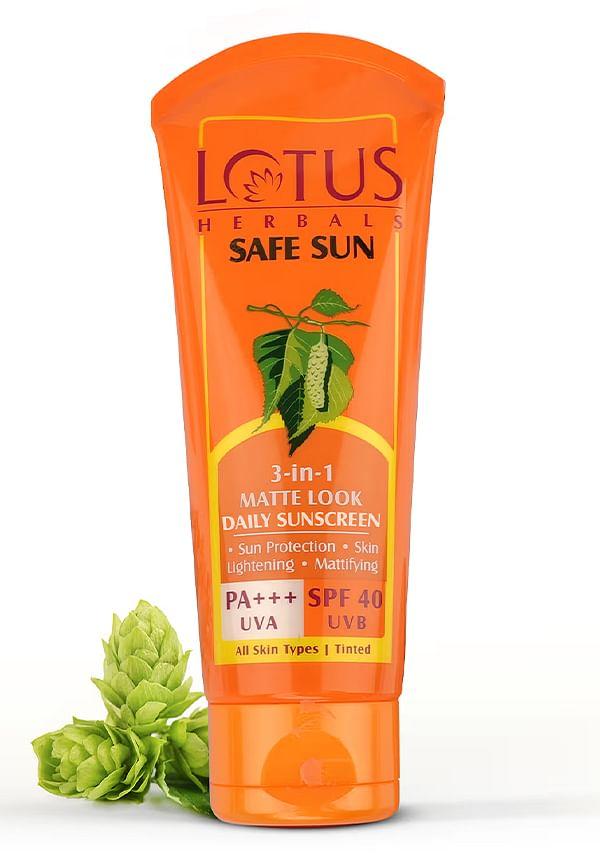 100 gm
Safe Sun 3 In 1 Matte-Look Daily Sunscreen SPF 40 PA+++
Your skin tone plays a role in determining how much SPF needed for adequate protection. Fair skin with little melanin needs more protection and should never go below SPF 30. Medium skin tones can sometimes get away with SPF 15 for brief outdoor exposure, but SPF 30 is still the safer bet for daily use.
Darker skin tones have natural protection equivalent to about SPF 13, but this doesn't mean skipping sunscreen entirely. Everyone, regardless of skin tone, needs protection from UV damage, hyperpigmentation, and premature ageing. The difference is that darker skin might be fine with SPF 30 in most situations, while fair skin might benefit from SPF 50.
Location matters too. If you're in a tropical climate or at high altitude, UV rays are stronger and more direct. Coastal areas with reflective surfaces like water and sand can increase UV exposure by up to 15%. In these environments, bumping up your SPF and being more diligent about reapplication becomes essential.
Here's where most people mess up their SPF application—they don't use nearly enough product. The magic number for your face and neck is 1/4 teaspoon of sunscreen. That's about the size of a 50 pence coin when squeezed onto your palm. For your entire body, you need about 1 ounce (30ml)—roughly a shot glass worth.
This sunscreen quantity might seem like a lot, especially if you're used to applying a thin layer. But here's the reality check: using half the recommended amount gives you only half the stated SPF protection. So that SPF 30 you thought you were getting? It's actually closer to SPF 15.
Most people apply about 25-50% of the recommended sunscreen amount, which explains why sunburns happen even when wearing SPF. The key is to apply generously and evenly. Don't worry about looking shiny initially—good sunscreens absorb within a few minutes, and you can always blot excess with a tissue.
Proper how to apply sunscreen technique starts with clean, dry skin. Apply sunscreen as the last step in your skincare routine but before makeup. Use gentle upward strokes and don't forget often-missed spots like your ears, hairline, and the back of your neck.
For SPF coverage that actually works, apply sunscreen 15-30 minutes before sun exposure. This gives the product time to bind to your skin and form an effective barrier. If you're layering with makeup, let the sunscreen set completely first to avoid pilling or uneven coverage.
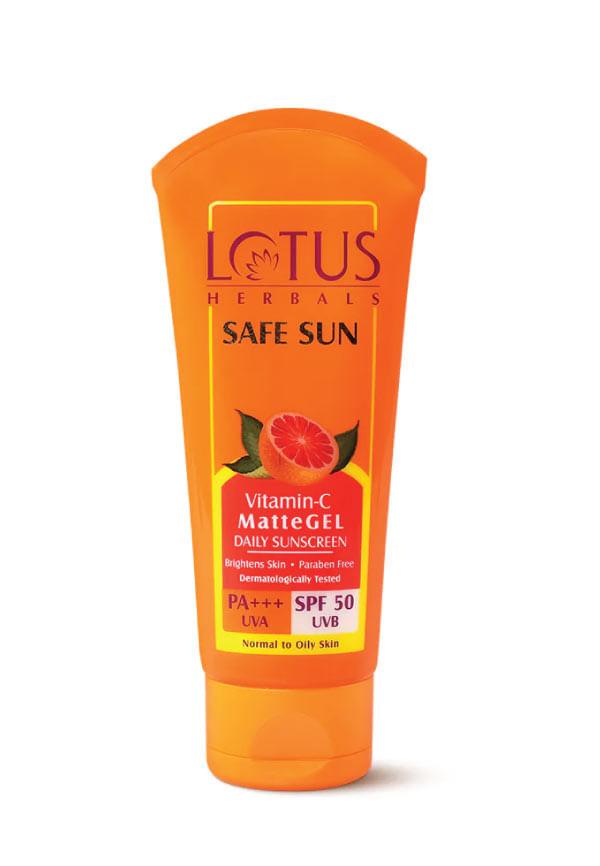 100 gm
Safe Sun Vitamin-C Mattegel Daily Sunscreen SPF 50 PA+++
Your lifestyle should influence your daily SPF choice. If you work indoors and only step outside for brief periods, SPF 30 applied once in the morning might suffice. But even indoor workers get UV exposure through windows during commutes and lunch breaks, so don't skip the sunscreen entirely.
Outdoor workers, athletes, and anyone spending significant time in the sun need a more robust approach. This means SPF 50, water-resistant formulas, and religious reapplication every two hours. If you're sweating heavily or swimming, reapply immediately after towelling off, regardless of how long it's been since your last application.
For weekend warriors who go from office life to outdoor adventures, having different products for different activities makes sense. A lightweight SPF 30 for daily wear and a sport-specific SPF 50 for active days can cover all your bases without feeling overdressed for the occasion.
Sunscreen reapplication is where even the most diligent people fall short. The two-hour rule isn't just a suggestion—it's based on how long sunscreen remains effective on your skin. But this timeline can shrink dramatically if you're sweating, swimming, or towelling off.
Reapplying over makeup doesn't have to ruin your look. Powder sunscreens, SPF setting sprays, and cushion compacts with SPF can help maintain protection without starting from scratch. The key is to apply these products generously—a light dusting won't give you the stated SPF protection.
For proper sunscreen use throughout the day, set reminders on your phone or watch. Many people forget to reapply because they don't feel like they're getting sun exposure, but UV rays are present even on cloudy days and can penetrate through windows.
Signs you need to reapply sooner include visible sweating, feeling hot or flushed, or noticing your skin starting to look pink. Don't wait for these warning signs—prevention is always better than damage control.
Finding the right sunscreen for your needs doesn't have to involve expensive trial and error. Smytten offers curated trial packs from trusted brands like Cetaphil and Dot & Key, letting you test different SPF formulations before committing to full-size purchases. With over 1,500 brands available, you can explore various textures, SPF levels, and formulations to discover what works best for your skin type and lifestyle.
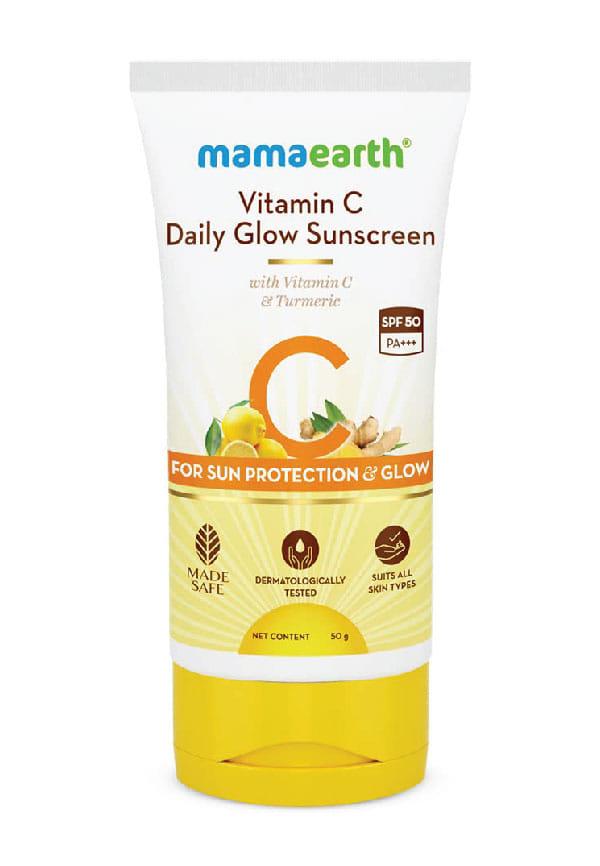 50 gm
50 gmDaily Glow Sunscreen SPF 50 PA+++
For most people, SPF 30 is perfectly adequate for daily use and blocks 97% of UVB rays. SPF 50 blocks 98% and is worth considering if you have very fair skin, spend extended time outdoors, or have a history of skin cancer. The difference in protection is minimal, but the peace of mind might be worth it for some individuals.
You need approximately 1 ounce (30ml) of sunscreen to cover your entire body adequately. This breaks down to about 1/4 teaspoon for your face and neck, and the remaining amount distributed across your arms, legs, torso, and back. Most people use significantly less than this, which reduces the effective SPF protection.
Oily skin doesn't need different SPF levels, but it does benefit from specific formulations. Look for non-comedogenic, oil-free, or gel-based sunscreens that won't clog pores or add extra shine. Zinc oxide and titanium dioxide are particularly good for oily, acne-prone skin as they're less likely to cause breakouts.
Not necessarily. While higher SPF does offer slightly more protection, the difference becomes negligible after SPF 50. SPF 30 blocks 97% of UVB rays, SPF 50 blocks 98%, and SPF 100 blocks 99%. The 1-2% difference often isn't worth the extra cost or potentially heavier texture that might discourage regular use.
The question of how much SPF needed daily comes down to your skin type, lifestyle, and sun exposure patterns. SPF 30 is the dermatologist-recommended minimum for daily use, offering excellent protection for most situations. The key isn't necessarily using the highest SPF available—it's about consistent application of adequate amounts and regular reapplication.
Remember that proper application technique and quantity matter more than the exact SPF number on the bottle. Using 1/4 teaspoon for your face and reapplying every two hours will give you better protection than sporadically applying a high-SPF product.
With Smytten's trial platform, you can experiment with different sunscreen formulations from over 1,500 trusted brands without the commitment of full-size purchases. Get up to 8 minis for just ₹249 with 100% cashback redeemable for future orders. This makes finding your perfect daily SPF both affordable and risk-free. After all, why settle for maybe when you can try different options and find what truly works for your skin?
