How Long Does Skincare Take to Work? Your Results Timeline

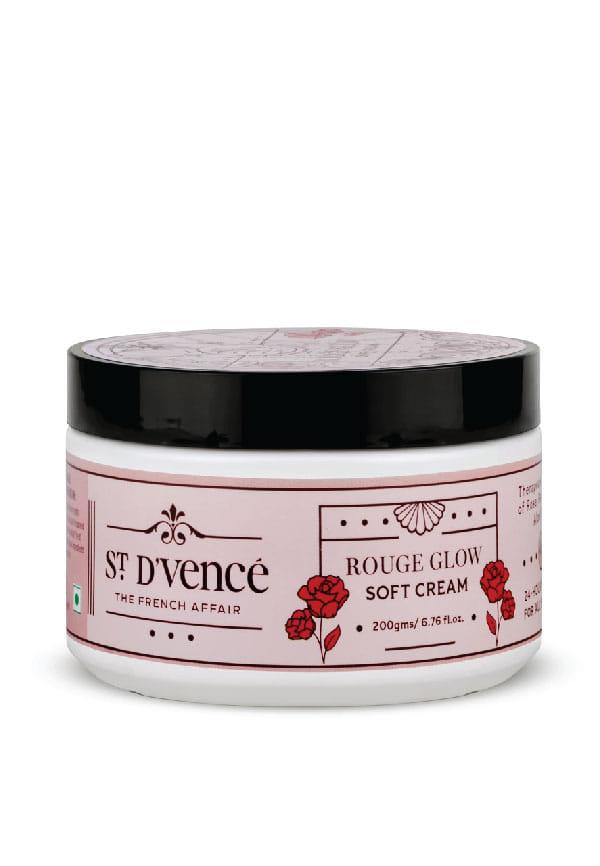
Rouge Glow Soft Cream-24hr Intense Moisturization
You've been religiously applying that new vitamin C serum for a week now, checking the mirror each morning for signs of that promised glow. Sound familiar? The truth is, your skincare isn't broken—your expectations might just need a reality check. Understanding how long skincare actually takes to work can save you from the frustrating cycle of product-hopping and help you build a routine that delivers real, lasting results.
Your skin operates on its own schedule, and it's surprisingly methodical about it. The foundation of all skincare results lies in your skin's natural renewal process—a 28-day cycle where new cells form in the deeper layers and gradually work their way to the surface. This means any real change you're hoping to see needs at least one complete cycle to become visible.
But here's where it gets interesting: this timeline isn't set in stone. As we age, our skin renewal slows down significantly. In your twenties, you might see changes closer to that 28-day mark, but by your forties, it can take 45-60 days for the same process. This is why consistency becomes absolutely crucial—your skin needs time to complete multiple cycles before you'll notice meaningful improvements.
Your individual skincare results timeline depends on several variables working together. Your current skin condition plays a huge role—damaged or severely dehydrated skin often takes longer to respond than healthy skin that just needs maintenance. The concentration and formulation of your products matter too; a 2% salicylic acid serum will work faster than a 0.5% version.
Environmental factors like pollution, humidity, and even your water quality can speed up or slow down results. Your lifestyle habits—sleep quality, stress levels, diet—all influence how efficiently your skin can repair and regenerate itself.
Let's get real about what you can expect and when. Some skincare benefits are almost instant, whilst others require months of patience. Knowing the difference helps you set realistic expectations and avoid the temptation to abandon products too early.
Moisturisers and face oils deliver immediate hydration that you can feel and see. Your skin looks plumper, feels softer, and any tight, uncomfortable sensations disappear. Hyaluronic acid serums work similarly fast—they can hold up to 1,000 times their weight in water, so the plumping effect is almost instant.
Acne spot treatments containing salicylic acid or benzoyl peroxide can start reducing inflammation within a day or two, though completely clearing the blemish takes longer.
This is when gentle exfoliation starts showing its benefits. Your skin texture begins to smooth out as dead cells are removed more efficiently. Basic hydration improvements become more stable—your skin stops feeling tight throughout the day, and makeup applies more smoothly.
If you've introduced a new cleanser or gentle AHA product, you might notice your skin looking brighter and feeling softer during this period.
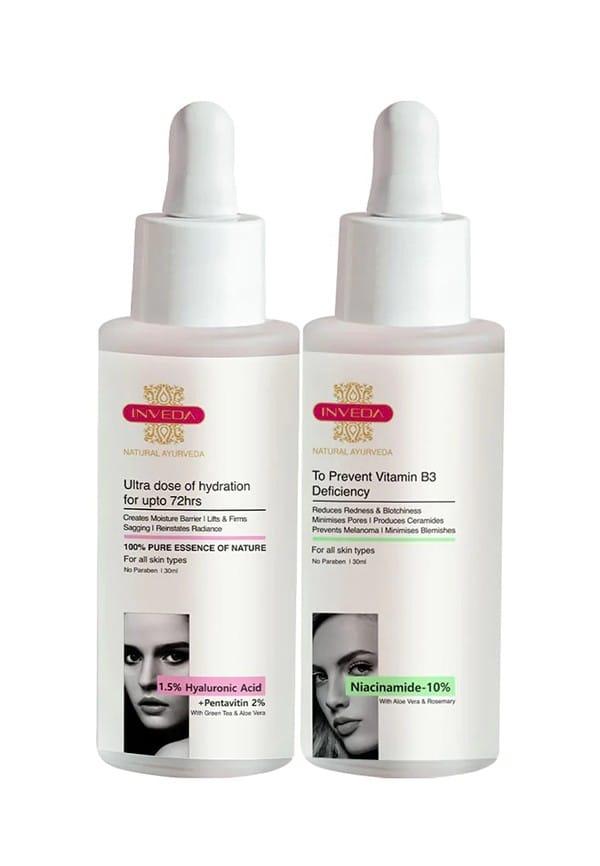
72 hrs Hydration with Vitamin B3 | 1.5% Hyaluronic Acid with 2% Pentavitin + Niacinamide Serum 10%
This is where the magic really starts happening. Chemical exfoliants like glycolic acid and lactic acid begin showing their true potential—pores appear smaller, texture becomes noticeably smoother, and any mild hyperpigmentation starts fading.
Niacinamide reaches its stride during this period, regulating oil production and reducing redness. Many people notice their skin looks more balanced and calm. Vitamin C serums start delivering that coveted brightness, and sun damage begins to fade gradually.
Different active ingredients work on completely different timelines, and understanding these helps you plan your routine and manage expectations. Here's what dermatologists typically tell patients about the most common skincare actives.
Retinoids are the gold standard for anti-ageing, but they're also the most demanding in terms of patience. You'll see texture improvements around the 6-week mark—skin feels smoother and looks more refined. However, the real anti-ageing benefits—reduced fine lines, improved firmness—take 3-6 months of consistent use.
Peptides work even more slowly, stimulating collagen production over 3-6 months. The results are subtle but cumulative—skin gradually becomes firmer and more resilient. Antioxidants like vitamin E and green tea provide protective benefits within weeks, but their full anti-ageing potential unfolds over 2-3 months.
Acne treatment requires serious patience. Most topical treatments need 6-12 weeks to show significant improvement, and there's often a challenging period called purging that happens first. During the initial 2-4 weeks, your skin might actually look worse as the treatment brings underlying congestion to the surface.
This purging phase is normal and necessary—it means the treatment is working. Stick with it, and you'll typically see clearer skin emerging around the 8-week mark.
Vitamin C serums show brightness improvements within 4-6 weeks, but their protective and anti-ageing benefits continue building over months. Niacinamide serums reach optimal results around 6-8 weeks—this is when oil regulation and pore appearance improvements peak.
Hyaluronic acid works immediately for hydration but takes up to 2 weeks to show its full plumping potential as your skin learns to retain moisture more effectively.
A damaged skin barrier can significantly delay results from any skincare routine. When your barrier is compromised—from over-exfoliation, harsh weather, or using too many actives—your skin can't absorb products effectively or retain the benefits.
Barrier repair typically takes 2-8 weeks, depending on the damage severity. During this time, focus on gentle, nourishing products with ingredients like ceramides, fatty acids, and cholesterol. You'll know your barrier is healing when your skin stops feeling sensitive and starts responding better to your regular products.
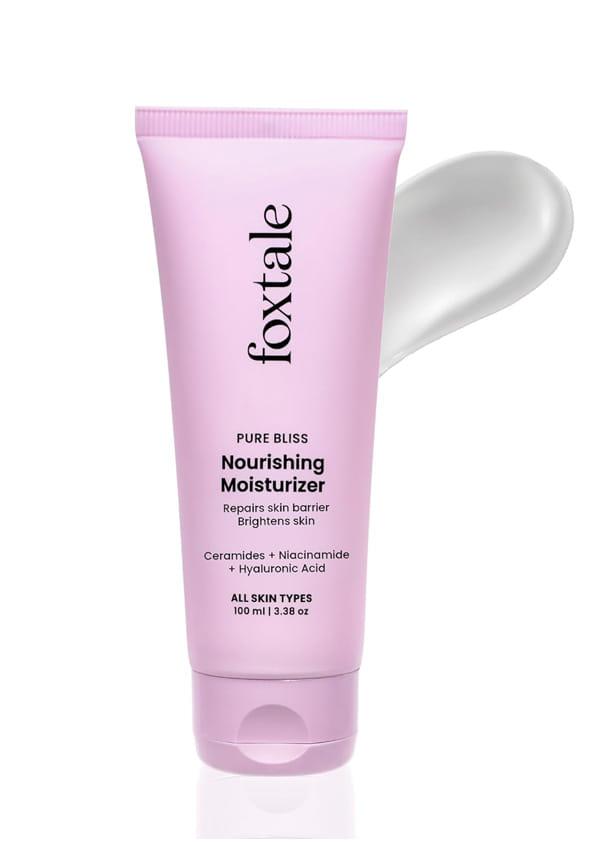
Nourishing Moisturiser with Niacinamide & Vit E for 24hrs Hydrated Glowing Skin
Proper product absorption is crucial for results. Most serums absorb within 5-15 minutes, whilst heavier creams can take 20-30 minutes. If your products are sitting on top of your skin or pilling, they're not penetrating effectively.
The key is applying products to clean, slightly damp skin and using the right amount—usually a pea-sized amount for your entire face. Layer from thinnest to thickest consistency, allowing each product to absorb before applying the next.
Recognising progress isn't always obvious, especially when changes happen gradually. Your skin might be improving even if you don't see dramatic differences day to day.
Texture improvements are often the first sign your routine is working. Your skin feels smoother under your fingers, and makeup applies more evenly. Reduced inflammation and redness indicate your skin is becoming healthier and more balanced.
Enhanced hydration shows up as plumper-looking skin that doesn't feel tight throughout the day. Dark spots and hyperpigmentation fade gradually—take photos in consistent lighting to track this progress.
Persistent irritation beyond the normal adjustment period (usually 2-4 weeks) suggests products aren't suitable for your skin. If you see no changes after following the appropriate timeline for your concerns, it might be time to reassess.
Most concerning is when your original skin concerns actually worsen after the initial adjustment period. This isn't normal purging—it's a sign to stop and potentially consult a dermatologist.
The 3-month rule is helpful here: give your routine at least 12 weeks before making major changes. This allows enough skin cycles to see real results. However, if you experience severe irritation, burning, or worsening of concerns, don't wait—adjust immediately.
Learn to distinguish between purging and adverse reactions. Purging happens only with exfoliating ingredients and occurs in areas where you normally break out. Adverse reactions can happen anywhere and include symptoms like burning, severe redness, or new types of breakouts.
Consistency is absolutely everything in skincare. Using products sporadically or constantly switching between different routines prevents your skin from adapting and showing results. Build a sustainable routine you can follow daily, even when you're tired or travelling.
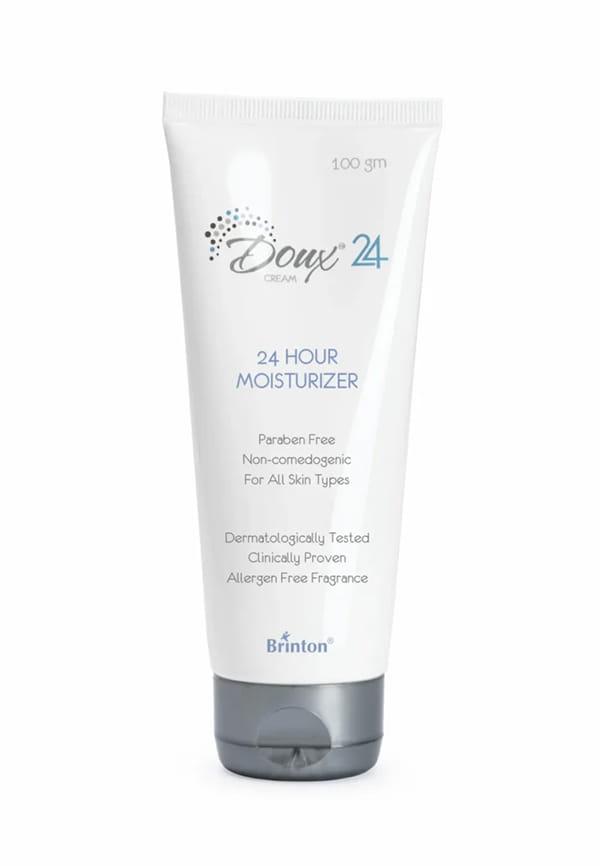
24 Hour Moisturizer Cream
Track your progress with photos taken in the same lighting and angles. Our memory isn't reliable for gradual changes, but photos don't lie. Note how your skin feels, not just how it looks—improvements in comfort and texture often precede visible changes.
Sun protection is non-negotiable. UV damage undoes skincare progress faster than anything else. Use broad-spectrum SPF 30 or higher daily, even indoors near windows.
Your diet and hydration levels directly impact skin health. Adequate water intake and a diet rich in antioxidants support your skin's natural repair processes. Quality sleep and stress management are equally important—your skin does most of its repair work while you sleep.
Professional treatments like chemical peels or microneedling can accelerate results, but they should complement, not replace, a good daily routine.
Most skincare products need 4-12 weeks to show significant results, depending on the active ingredients and your skin concerns. Hydrating products work within days, whilst anti-ageing and acne treatments require 2-3 months for optimal results. Your age, skin condition, and product consistency all affect this timeline.
Look for gradual improvements in skin texture, reduced irritation, better hydration, and fading of dark spots or blemishes. Your skin should feel more comfortable and balanced. Take progress photos in consistent lighting, as changes are often too gradual to notice day-to-day without documentation.
Most serums absorb within 5-15 minutes, whilst moisturisers can take 20-30 minutes. If products are sitting on your skin's surface or pilling, they're not absorbing properly. Apply to clean, slightly damp skin and use appropriate amounts for better absorption.
Your age, current skin condition, product concentration, consistency of use, and overall health all impact results timeline. Damaged skin barriers, hormonal fluctuations, and environmental factors can slow progress. Younger skin typically responds faster than mature skin.
Understanding realistic skincare timelines helps you build a routine that actually works rather than constantly chasing the next miracle product. Most concerns need at least 8-12 weeks of consistent care to show meaningful improvement, whilst some anti-ageing benefits take 3-6 months to fully develop.
The key is matching your expectations to the science of how skin actually changes. Quick fixes rarely deliver lasting results, but patient, consistent care almost always does. If you're unsure whether your routine is working or need help troubleshooting concerns, consulting a dermatologist can provide personalised guidance.
Remember, skincare is a long-term investment in your skin's health, not a quick fix. The most effective routines are the ones you can stick with consistently, using products that work well for your individual skin needs. If you're curious about trying new products but hesitant to commit to full sizes, Smytten offers a smart way to test minis from trusted brands before investing in the complete routine. With over 28 million users discovering their perfect products this way, it's become a reliable path to building a skincare routine that truly works for you.
