How Korean Skincare Philosophy Differs from Ayurvedic Skincare

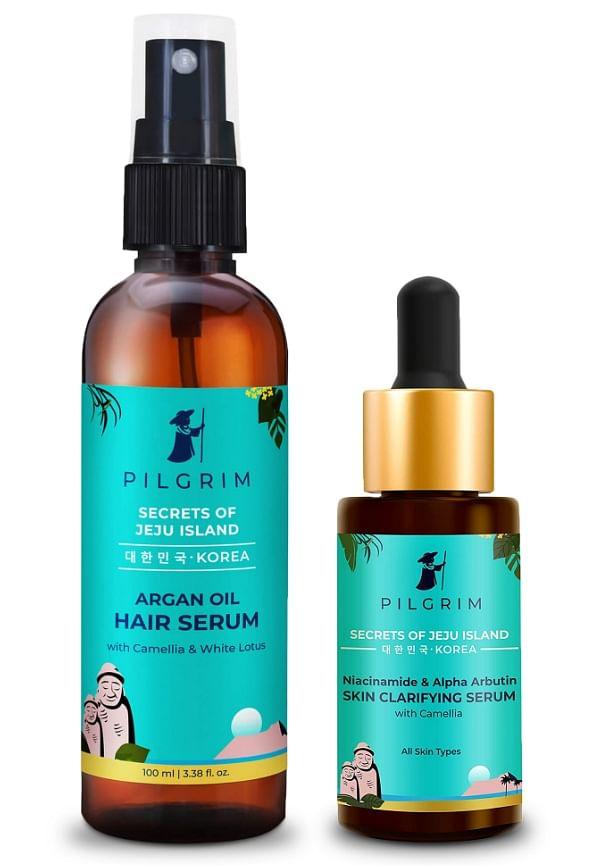
Korean Beauty Good Skin & Hair Day Combo
Ever wondered why your friend swears by her 10-step Korean routine whilst your mum's simple turmeric-and-oil ritual gives her that enviable glow? You're not imagining things. Korean skincare philosophy and Ayurvedic skincare approach beauty from completely different angles, and understanding these differences can transform how you think about caring for your skin. One focuses on layering innovative formulations for immediate results, whilst the other emphasises internal balance and time-tested natural ingredients for long-term wellness.
The fundamental difference between these two approaches lies in their core beliefs about what creates healthy skin. It's like comparing a precision-engineered watch to a flowing river - both beautiful, but operating on entirely different principles.
Korean skincare treats your skin like a sophisticated ecosystem that needs careful, consistent maintenance. The philosophy centres around prevention rather than correction, with the belief that small, daily actions compound into remarkable results over time. This approach embraces technology and innovation, constantly seeking new ways to deliver active ingredients deeper into the skin.
The famous multi-step routine isn't just about using more products - it's about creating optimal conditions for each ingredient to work effectively. Think of it as building layers of protection and nourishment, where each step prepares your skin for the next. Hydration sits at the heart of this philosophy, with the understanding that well-moisturised skin naturally looks plumper, clearer, and more youthful.
Ayurvedic skincare views your skin as a reflection of your internal health and constitutional balance. Rather than treating symptoms on the surface, this ancient system looks at the root causes of skin concerns, considering everything from your digestion to your stress levels. The philosophy recognises that true beauty radiates from within when your body's natural systems are in harmony.
This approach categorises skin types based on the three doshas - Vata (dry, sensitive), Pitta (oily, reactive), and Kapha (combination, congested). Your skincare routine isn't just about what you apply topically; it encompasses your diet, sleep patterns, seasonal adjustments, and emotional wellbeing. The goal isn't perfection but balance and long-term skin health.
The ingredient philosophies couldn't be more different. Korean skincare embraces cutting-edge research and novel formulations, whilst Ayurvedic practices rely on ingredients that have been trusted for thousands of years.
Korean beauty ingredients often sound like they belong in a science lab, and that's precisely the point. Hyaluronic acid can hold up to 1,000 times its weight in water, making it a hydration powerhouse. Niacinamide helps regulate oil production whilst brightening skin tone. Fermented ingredients like galactomyces and bifida ferment lysate are prized for their ability to penetrate deeply and deliver nutrients effectively.
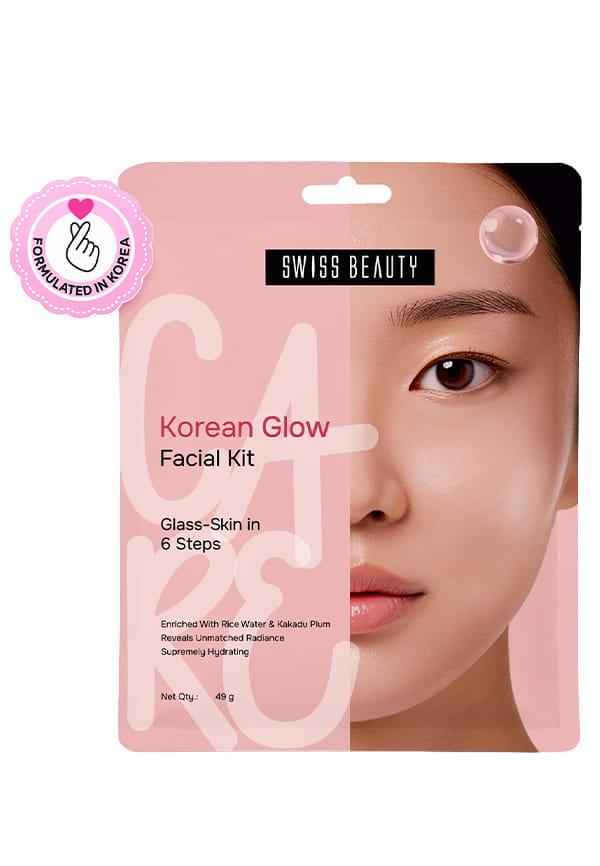
Care Korean Glow Facial Kit
Innovation drives ingredient selection, with brands constantly researching new sources like snail mucin for healing properties or peptides for anti-ageing benefits. The focus is on creating highly concentrated, stable formulations that deliver measurable results quickly.
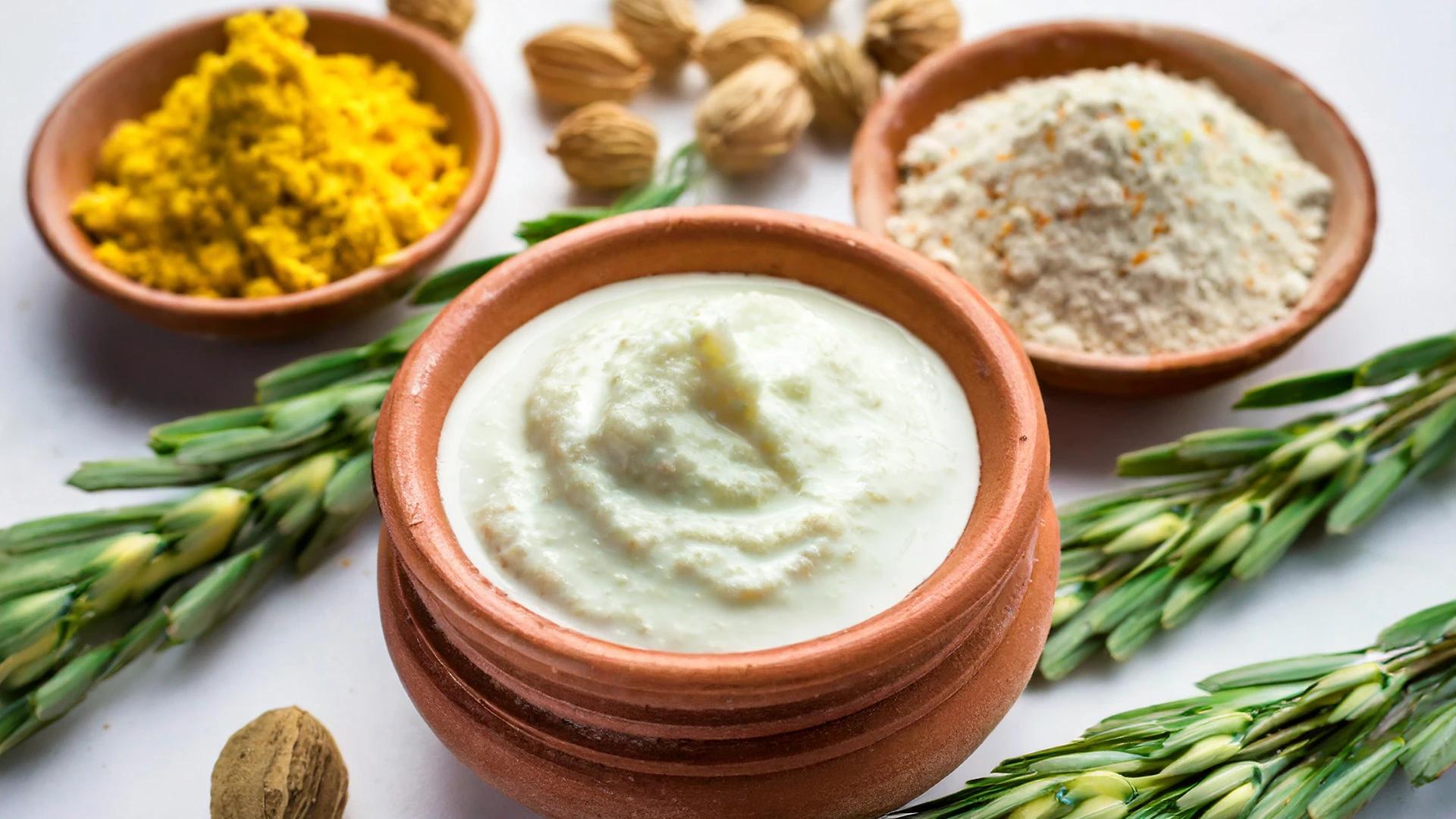
Ayurvedic ingredients read like a garden inventory, and each one carries centuries of traditional knowledge. Turmeric isn't just trendy - it's been used for its anti-inflammatory and brightening properties since ancient times. Neem naturally purifies and balances oily skin, whilst sandalwood soothes irritation and provides gentle exfoliation.
Herbal oils form the backbone of Ayurvedic skincare, with coconut oil for Pitta types, sesame oil for Vata, and mustard oil for Kapha constitutions. These aren't just moisturisers - they're considered therapeutic treatments that nourish both skin and deeper tissues. The beauty lies in their simplicity and the understanding that nature provides everything needed for healthy skin.
Your morning routine reveals which philosophy resonates with you. Do you enjoy the meditative ritual of multiple steps, or do you prefer the simplicity of a few powerful products?
The Korean skincare routine treats each step as essential, building from the lightest to heaviest textures. Double cleansing ensures every trace of makeup and pollution is removed without stripping the skin. Toners aren't harsh astringents but hydrating essences that prepare skin for subsequent products.
Layering is an art form - serums, ampoules, and essences each serve specific purposes and are applied in order of molecular weight. Sheet masks aren't occasional treats but regular maintenance tools. The routine adapts to your skin's daily needs whilst maintaining consistency in core steps.
Ayurvedic beauty rituals focus on quality over quantity, with each product serving multiple purposes. The traditional abhyanga oil massage isn't just skincare - it's a full-body treatment that improves circulation, calms the nervous system, and nourishes skin from head to toe.
Seasonal adjustments are built into the philosophy, recognising that your skin's needs change with weather, age, and life circumstances. Summer might call for cooling rose water and lighter oils, whilst winter demands richer, warming treatments. The approach integrates seamlessly with daily life rather than requiring dedicated skincare time.
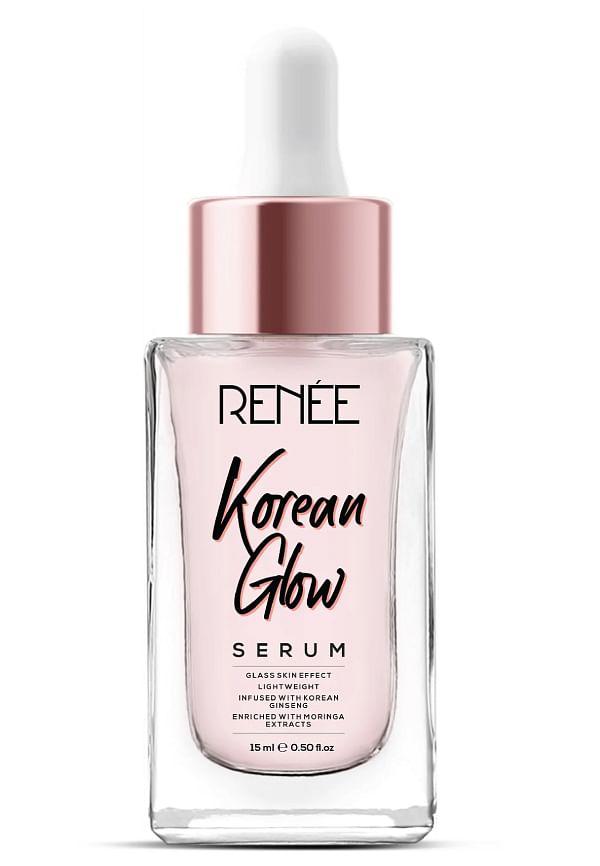
Korean Glow Serum
How each philosophy addresses skin concerns reveals their fundamental differences in approach and timeline expectations.
Korean skincare excels at prevention and maintenance, working to keep skin in optimal condition before problems arise. The focus on hydration and barrier repair creates resilient skin that can better handle environmental stressors and ageing.
Results are often visible within weeks, with improvements in skin texture, brightness, and moisture levels. The approach targets specific concerns with targeted treatments - vitamin C for brightening, retinoids for anti-ageing, and BHA for congestion. Each product is formulated to deliver active ingredients efficiently and safely.
Ayurvedic skincare addresses skin concerns by looking at underlying imbalances that might be causing them. Persistent acne might be treated not just with topical applications but with dietary changes, stress management, and detoxification practices.
The timeline for results is longer but often more lasting, as the approach works to restore your body's natural healing mechanisms. Rather than suppressing symptoms, Ayurvedic treatments aim to strengthen your skin's inherent ability to maintain itself. This might mean temporary worsening before improvement as your system rebalances.
Living in India presents unique skincare challenges that neither philosophy was specifically designed to address, making this question particularly relevant for anyone navigating our climate and lifestyle.
Indian weather patterns - from monsoon humidity to dry winters and scorching summers - demand adaptable skincare approaches. Korean skincare's emphasis on hydration works brilliantly in air-conditioned environments but might feel heavy during humid months. Meanwhile, traditional Ayurvedic practices were developed in similar climates and naturally account for seasonal variations.
Urban pollution levels in Indian cities can overwhelm traditional gentle cleansing methods, making Korean double-cleansing techniques particularly valuable. However, the multi-step Korean routine might feel excessive in our busy lifestyles, where Ayurvedic simplicity offers practical advantages.
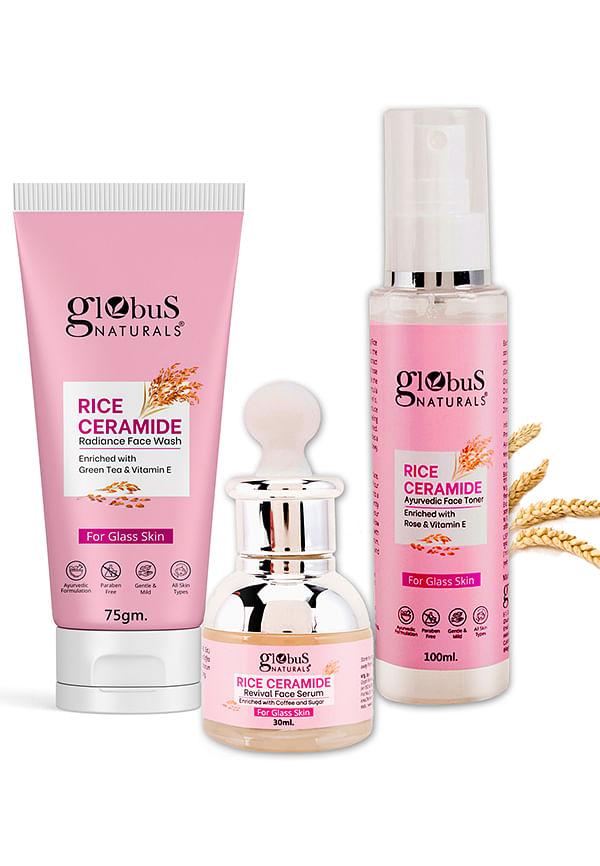
Rice Ceramide Combo For Korean Glass Skin, - Face Wash, Face Serum, Face Toner
The most successful approach for many Indian skin types involves thoughtfully combining elements from both philosophies. You might adopt Korean hydration techniques during winter whilst switching to lighter Ayurvedic oils during summer. Niacinamide serums can work beautifully alongside turmeric masks, and gentle Korean cleansers can prepare skin for traditional oil treatments.
This hybrid approach allows you to benefit from Korean innovation whilst respecting your skin's constitutional needs and cultural practices. The key is understanding which elements from each philosophy serve your specific skin concerns and lifestyle requirements.
Neither approach is universally superior - effectiveness depends entirely on your individual skin needs, lifestyle, and personal preferences. Korean skincare excels at targeted treatments and prevention, whilst Ayurvedic practices offer holistic healing and constitutional balance. Many people find success combining elements from both philosophies.
Yes, but choose carefully. Korean skincare often features gentle, fragrance-free formulations that work well for sensitive skin. Start with basic hydrating products like hyaluronic acid serums or gentle cleansers before introducing active ingredients. Always patch test new products, especially if you're used to natural Ayurvedic treatments.
Consider your skin's behaviour, lifestyle, and personal preferences. If you enjoy detailed routines and see results from consistent product use, Korean methods might appeal to you. If you prefer simplicity, natural ingredients, and addressing underlying health factors, Ayurvedic approaches may resonate more. Many people successfully blend both philosophies.
Quality Korean skincare products undergo rigorous testing and are generally safe for long-term use when chosen appropriately for your skin type. However, avoid over-exfoliation or using too many active ingredients simultaneously. The Korean philosophy emphasises gentle, consistent care rather than aggressive treatments.
Understanding how Korean skincare philosophy differs from Ayurvedic skincare isn't about choosing sides - it's about finding what works for your unique skin and lifestyle. Korean approaches offer precision, innovation, and visible results, whilst Ayurvedic wisdom provides balance, simplicity, and holistic healing. Your skin will notice when you choose methods that align with both your concerns and your values.
The beauty of having access to both philosophies lies in creating a personalised approach that serves you best. Whether you're drawn to the meditative ritual of a multi-step routine or the grounding simplicity of traditional oils, the key is consistency and understanding your skin's individual needs. With Smytten's curated selection of both Korean and traditional brands, you can explore different approaches without committing to full-size products immediately. It's a smart way to test before you invest, helping you discover which philosophy - or combination of both - truly transforms your skin.
