
Skincare
•06 min read

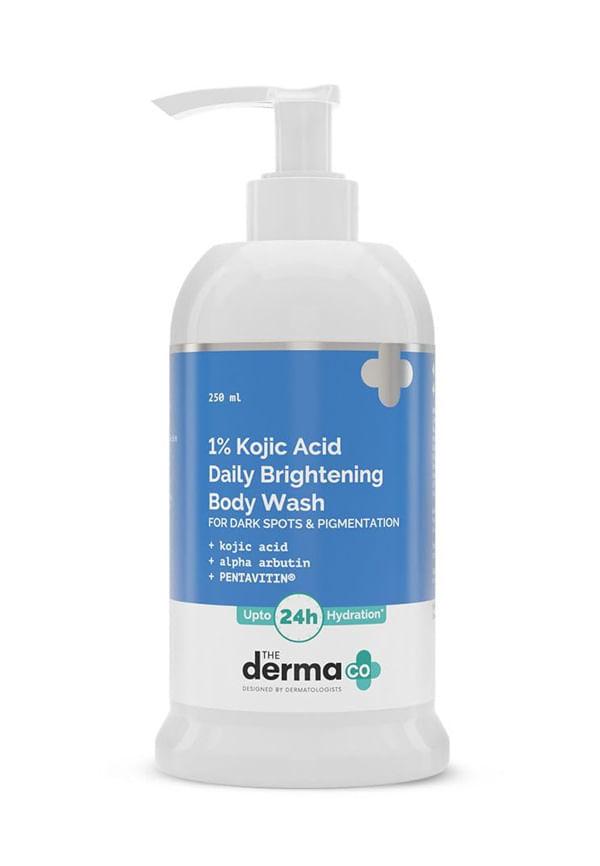 250 ml
1% Kojic Acid Daily Brightening Body Wash with Alpha Arbutin
Ever wondered why that kojic acid serum everyone's raving about actually works? Let's be real—the skincare world is full of ingredients that promise the moon but deliver, well, not much. But kojic acid? This one's got some serious science backing it up. Originally discovered as a byproduct of sake brewing (yes, the Japanese rice wine), kojic acid has become a go-to for anyone dealing with stubborn dark spots, melasma, or just wanting that even-toned glow. The magic happens at a cellular level, where this clever little molecule literally stops your skin from making excess melanin. Think of it as hitting the pause button on pigmentation—but how exactly does it work? Let's dive into the fascinating world of kojic acid mechanism of melanin inhibition and discover why this natural ingredient might just be your skin's new best friend.
Kojic acid is basically nature's answer to hyperpigmentation. This crystalline powder comes from fungi—specifically Aspergillus oryzae—which is the same microorganism used to ferment sake, soy sauce, and miso. Pretty cool that something so effective for skin brightening comes from such humble beginnings, right?
What makes kojic acid special is its targeted approach to melanin production. Unlike harsh bleaching agents that can damage your skin barrier, kojic acid works by specifically targeting tyrosinase—the enzyme responsible for melanin synthesis. It's like having a precision tool rather than a sledgehammer for your skincare concerns.
Ready for some skin science that'll actually make sense? The kojic acid mechanism of melanin inhibition is surprisingly elegant once you break it down. Your skin produces melanin through a complex pathway, and kojic acid knows exactly where to step in and say "not today."
Think of melanin production like a factory assembly line. It starts with tyrosine, an amino acid that's naturally present in your body. When your skin detects UV damage or inflammation, it signals melanocytes (your pigment-producing cells) to get to work.
The star of this process is tyrosinase, an enzyme that converts tyrosine into melanin. This enzyme needs copper to function properly—and that's where kojic acid gets clever. Without tyrosinase working efficiently, the whole melanin production line slows down significantly.
Here's where the magic happens: kojic acid works through something called copper chelation. Basically, it binds to the copper ions that tyrosinase needs to function. No copper, no active enzyme. No active enzyme, less melanin production.
Research shows that kojic acid can reduce melanin content at concentrations ranging from 43.8 to 700 µM. It's not just blocking the enzyme randomly—it's competing with tyrosine for the enzyme's attention, which scientists call competitive inhibition. Pretty smart for a fungal byproduct, isn't it?
Let's talk results, because that's what really matters when you're dealing with stubborn dark spots or uneven skin tone. The kojic acid benefits aren't just theoretical—they're backed by solid research and real-world results.
Studies consistently show that kojic acid can significantly reduce melanin content in treated skin areas. Most people start seeing noticeable improvements after 6-12 weeks of consistent use, though your mileage may vary depending on the severity of your hyperpigmentation.
What's particularly impressive is how kojic acid performs compared to other hyperpigmentation treatment options. While it might not work as quickly as hydroquinone, it's generally much gentler and suitable for long-term use without the same safety concerns.
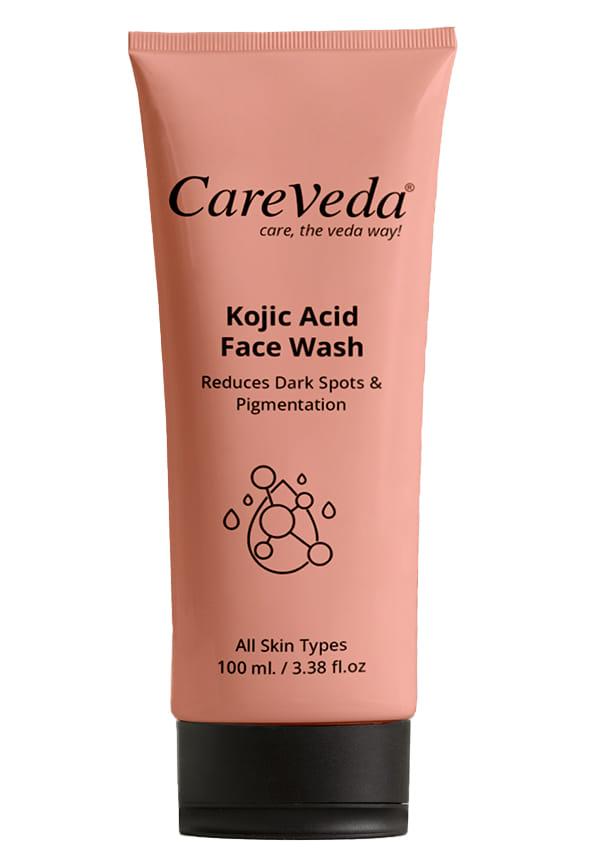 100gm
100gmKojic Acid Face Wash For Reduces Dark Spots & Pigmentation
Melasma treatment is where kojic acid really shines. Those stubborn patches that seem immune to everything else? Kojic acid's targeted approach to tyrosinase inhibition makes it particularly effective for hormonal pigmentation.
It's also brilliant for post-inflammatory hyperpigmentation—you know, those dark marks that linger long after a breakout has healed. Plus, it helps with age spots, sun damage, and general uneven skin tone. Basically, if melanin overproduction is the culprit, kojic acid is worth a try.
Using kojic acid isn't rocket science, but there are definitely some smart ways to go about it. The key is starting slowly and being consistent—your skin will thank you for the patience.
Most effective kojic acid products contain concentrations between 1-4%. Research suggests that the sweet spot for melanin inhibition is around 15.63-62.5 μg/mL, which translates to these percentages in most formulations.
You'll also see kojic acid dipalmitate in some products, which is a more stable derivative. It's gentler but potentially less potent than pure kojic acid, so it might take longer to see results.
Start with evening application only—kojic acid can make your skin more photosensitive initially. Apply it to clean skin, followed by your usual moisturiser and always, always use SPF during the day.
The timeline for maximum results is typically 6 months to a year of consistent use. It's not an overnight miracle, but the gradual improvement means you're less likely to experience irritation or rebound pigmentation.
Let's keep it real about kojic acid side effects. While it's generally well-tolerated, some people do experience sensitivity, especially when first starting out.
The most common issues include mild irritation, redness, or contact dermatitis. Interestingly, Japan temporarily restricted kojic acid use in cosmetics back in the 1990s due to safety concerns, though it was later deemed safe for topical use at appropriate concentrations.
Always patch test before diving in, and if you have sensitive skin, consider starting with lower concentrations or kojic acid derivatives. Pregnant or breastfeeding? It's worth chatting with your healthcare provider first, though topical use is generally considered safe.
How does kojic acid stack up against other skin lightening options? It's actually quite competitive, especially when you factor in safety and tolerability.
Compared to hydroquinone, kojic acid is gentler and suitable for long-term use without the risk of ochronosis (paradoxical darkening). It's more potent than arbutin but potentially less irritating than high-concentration vitamin C for sensitive skin types.
Many dermatologists actually recommend combination therapy—using kojic acid alongside other ingredients like niacinamide or vitamin C for enhanced results. The synergistic effect can be quite impressive for stubborn pigmentation issues.
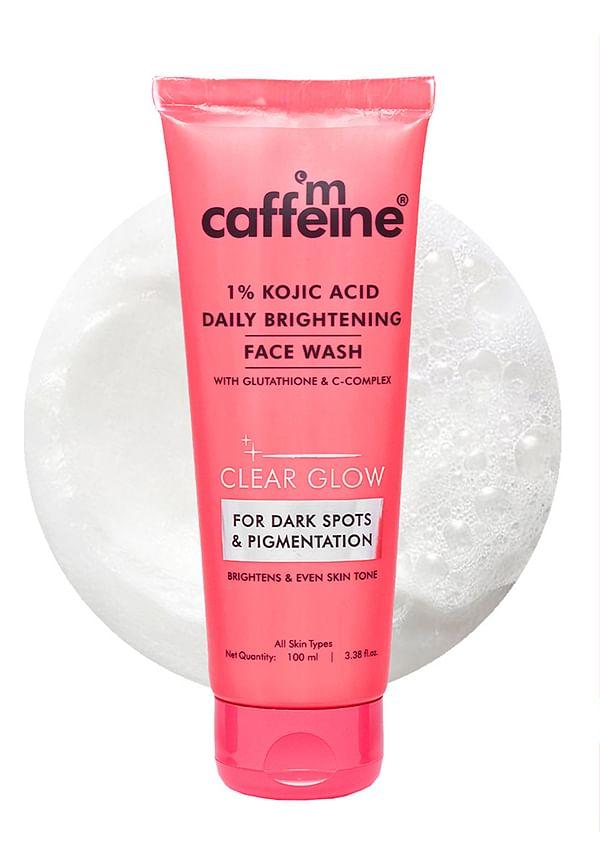 100 ml
CLEAR GLOW 1% Kojic Acid Daily Brightening Face Wash For Dark Spots & Pigmentation
Speaking of trying different approaches, platforms like Smytten make it incredibly easy to test various kojic acid formulations without committing to full-size products. With over 1,500 trusted brands and the ability to try up to 8 minis for just ₹249, you can discover which kojic acid products work best for your skin before making a larger investment.
Kojic acid inhibits melanin production by blocking tyrosinase, the key enzyme needed to convert tyrosine amino acid into melanin. It works through copper chelation, preventing the enzyme from functioning properly and significantly reducing melanin synthesis at the cellular level.
Noticeable results typically appear after 6-12 weeks of consistent use, while maximum melanin reduction effects can take 6 months to 1 year to become fully evident. The timeline depends on your skin type, pigmentation severity, and product concentration.
Kojic acid works as a competitive tyrosinase inhibitor through copper chelation, binding to the copper ions in the tyrosinase enzyme and preventing melanin synthesis. This targeted approach makes it effective for various types of hyperpigmentation without damaging the skin barrier.
When used at appropriate concentrations (typically 1-4% in skincare products), kojic acid is generally safe for long-term use. However, some individuals may experience skin sensitivity requiring discontinuation or reduced frequency of use.
Yes, kojic acid pairs well with many skincare ingredients including niacinamide, hyaluronic acid, and vitamin E. However, avoid combining it with strong acids or retinoids initially to prevent irritation. Always introduce new combinations gradually.
Kojic acid dipalmitate is a more stable, oil-soluble derivative that's gentler on the skin but potentially less potent than pure kojic acid. It's often preferred for sensitive skin types or products designed for daily use.
The kojic acid mechanism of melanin inhibition is pretty fascinating when you break it down—it's like having a molecular-level intervention that specifically targets pigmentation without wreaking havoc on your skin barrier. From its humble origins in sake brewing to becoming a skincare superstar, kojic acid has proven itself as a reliable option for dark spot removal and overall skin brightening.
What makes kojic acid particularly appealing is its balance of effectiveness and gentleness. While it might not deliver overnight results like some harsher alternatives, its steady, consistent approach to melanin inhibition makes it suitable for long-term use. Plus, the science behind tyrosinase inhibition is solid—you're not just hoping for the best, you're using an ingredient with a clear, proven mechanism of action.
The key to success with kojic acid is patience and consistency. Whether you're dealing with melasma, post-inflammatory hyperpigmentation, or just want more even-toned skin, giving this ingredient time to work its magic is essential. And remember, everyone's skin is different—what works brilliantly for your mate might need some tweaking for you.
That's where smart product discovery becomes invaluable. Smytten's approach to skincare exploration means you can try different kojic acid formulations and concentrations without the financial commitment of full-size products. With over 25 million users discovering their perfect skincare matches through trial-sized products, it's clear that the "try before you buy" approach makes sense, especially for active ingredients like kojic acid where finding the right formulation for your skin is crucial. After all, why settle for maybe when you can try it all and find what actually works for your unique skin needs?
