How Free Radicals Damage Skin & How Antioxidants Neutralise Them


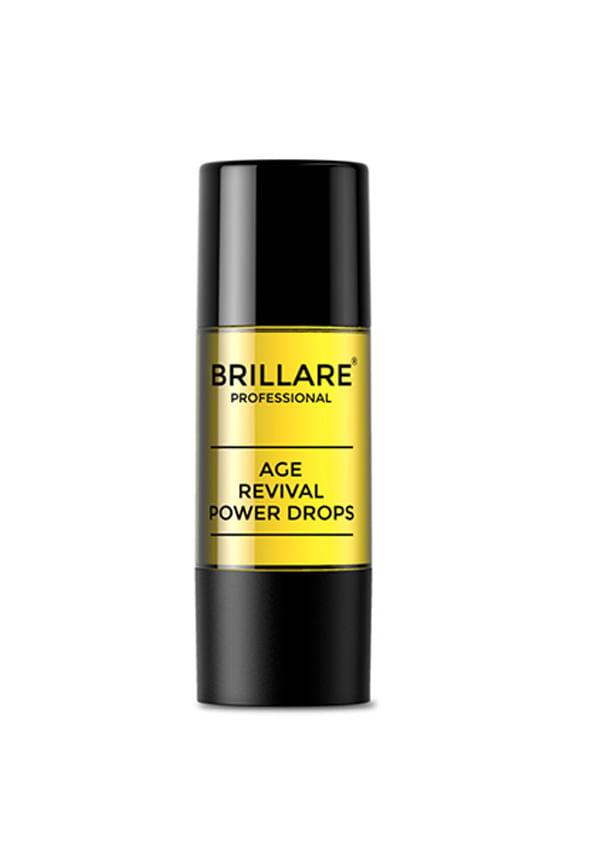
Age Revival Power Drops For Ageing Skin
Ever wondered why your skin looks tired after a long day in the sun, or why that glow seems harder to maintain as you get older? The culprit might be invisible enemies called free radicals - unstable molecules that are constantly attacking your skin cells. But here's the good news: understanding how they work and how to fight them back can completely change your skincare game.
Think of free radicals as molecular bullies roaming around your skin, looking for trouble. These unstable molecules are missing an electron, which makes them desperate to steal one from your healthy skin cells. When they succeed, they damage the cell and create another free radical in the process - it's like a domino effect of destruction that scientists call oxidative stress.
Your skin is particularly vulnerable because it's your body's first line of defence against the outside world. Every day, it faces a barrage of environmental aggressors that generate these troublemakers.
Free radicals form when molecules lose electrons through various processes. In your skin, this happens constantly as cells use oxygen for energy. Normally, your body can handle this natural production. The problem starts when external factors overwhelm your skin's natural defences, creating more free radicals than your antioxidant reserves can neutralise.
The biggest villain? UV radiation, which accounts for up to 90% of visible skin ageing. But it's not working alone:
Environmental pollution - car exhaust, industrial chemicals, and urban smog
Blue light exposure from phones, laptops, and LED screens
Cigarette smoke and secondhand smoke exposure
Stress hormones released during busy periods
Poor diet high in processed foods and sugar
Natural metabolic processes that occur as we age
When free radicals attack your skin, they don't just cause surface-level problems. They penetrate deep into your skin's structure, targeting the very building blocks that keep your complexion looking youthful and healthy.
Picture this: a free radical approaches a healthy collagen molecule and steals an electron. That collagen molecule becomes damaged and unstable, so it steals an electron from a nearby elastin fibre. This creates a chain reaction that can damage hundreds of cells before it's stopped. Meanwhile, your skin's protective barrier weakens, making it even more vulnerable to future attacks.
The effects of free radicals on skin show up in ways you've probably noticed:
Fine lines and wrinkles appearing earlier than expected
Dark spots and uneven pigmentation from damaged melanocytes
Loss of firmness as collagen and elastin break down
Dull, lacklustre complexion from impaired cell turnover
Rough texture and compromised skin barrier function
Increased sensitivity and slower healing
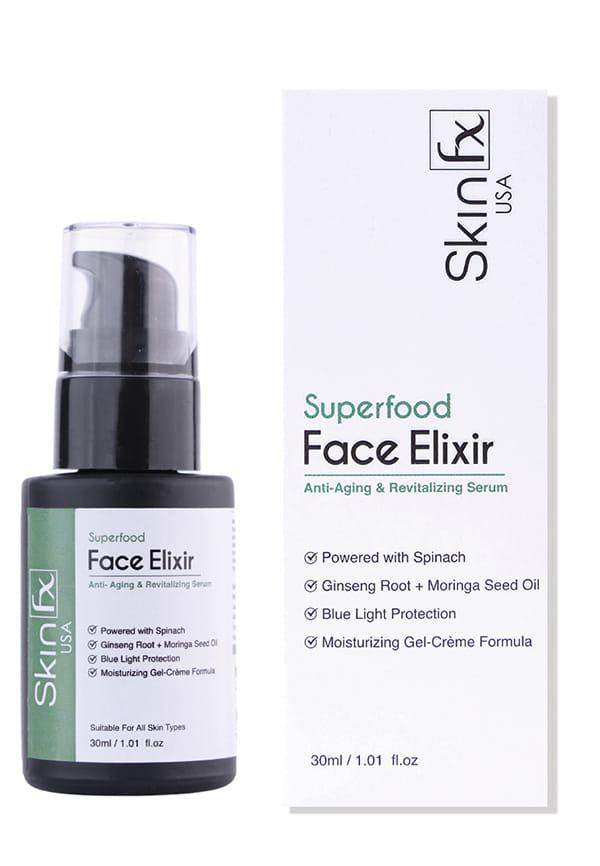
Superfood Spinach Anti-Aging & Revitalizing Face Elixir Serum
Without proper protection, free radical skin damage accelerates dramatically. Your skin ages faster than it should, developing deep wrinkles, significant pigmentation, and a leathery texture. More seriously, the DNA damage caused by free radicals increases your risk of skin cancer and creates chronic inflammation that further accelerates ageing.
Here's where the heroes of our story enter: antioxidants. These generous molecules have spare electrons they can donate to free radicals without becoming unstable themselves. It's like having a security team that can disarm the bullies without getting hurt in the process.
When you apply antioxidant skincare, you're essentially reinforcing your skin's natural defence system. Antioxidants work by donating electrons to free radicals, neutralising them before they can cause damage. This breaks the chain reaction of oxidative stress and gives your skin cells time to repair themselves.
The best part? Quality antioxidants don't just neutralise existing free radicals - they also boost your skin's natural repair processes and help prevent future damage.
Direct antioxidants like vitamin C and vitamin E work immediately, neutralising free radicals on contact. Indirect antioxidants like niacinamide work differently - they boost your skin's natural antioxidant production and enhance cellular repair mechanisms. Using both types together creates a comprehensive defence system.
Not all antioxidants are created equal when it comes to skincare. Some penetrate better, others are more stable, and certain combinations work synergistically to provide enhanced protection.
Vitamin C is the gold standard for morning antioxidant protection. Look for concentrations between 10-20% for optimal benefits without irritation. L-ascorbic acid is the most potent form, but it's also the most unstable. Store your vitamin C serum in a cool, dark place and replace it if it turns brown or orange.
Vitamin E works beautifully alongside vitamin C, actually helping to regenerate vitamin C after it's neutralised a free radical. This fat-soluble antioxidant also provides moisturising benefits and helps strengthen your skin barrier. Look for products with 0.5-1% vitamin E for daily use.
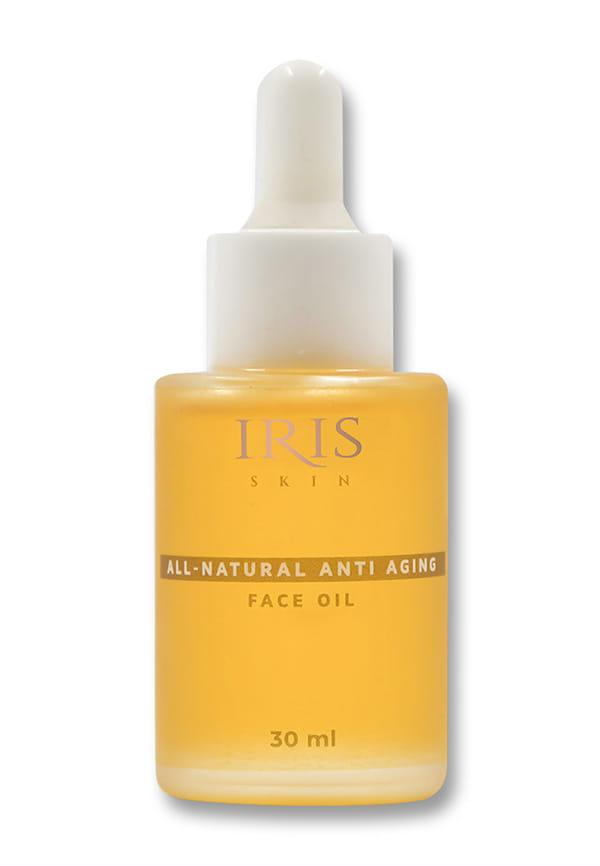
All-Natural Anti-Aging Face Oil
Niacinamide is perfect for sensitive skin types who struggle with traditional antioxidants. At 5-10% concentrations, it reduces inflammation, regulates oil production, and boosts your skin's natural antioxidant defences. It's also one of the few antioxidants that works well with retinoids.
Ferulic acid enhances the stability and effectiveness of vitamins C and E. Resveratrol offers powerful anti-ageing benefits, whilst green tea extract provides soothing, anti-inflammatory protection that's perfect for reactive skin.
Creating an effective routine to neutralise free radicals isn't about using every antioxidant available - it's about choosing the right ones for your skin and using them strategically.
Your morning routine should focus on prevention. Apply your antioxidant serum to clean skin, wait 10-15 minutes for absorption, then layer your moisturiser and SPF. This creates a protective shield that neutralises free radicals as they form throughout the day.
Remember: antioxidants work best under sunscreen, not instead of it. Think of antioxidants as your backup defence system for the UV rays and pollution that slip past your SPF.
Night-time is when your skin does its heavy repair work. This is the perfect time for more potent antioxidants or combinations that might be too strong for daytime use. If you're using retinoids, niacinamide is your best antioxidant companion as it reduces irritation whilst providing protection.
Your skincare routine works better when supported by antioxidant-rich foods like berries, leafy greens, and green tea. Adequate sleep (7-9 hours) allows your skin to utilise antioxidants effectively, whilst stress management prevents the overproduction of free radicals from cortisol.
The good news about free radical skin damage is that it's largely preventable, and existing damage can often be improved with consistent care and patience.
Daily SPF 30 or higher remains your most important tool for skin damage prevention. Combine this with antioxidant serums, protective clothing, and seeking shade during peak UV hours. Don't forget about blue light protection if you spend long hours in front of screens.
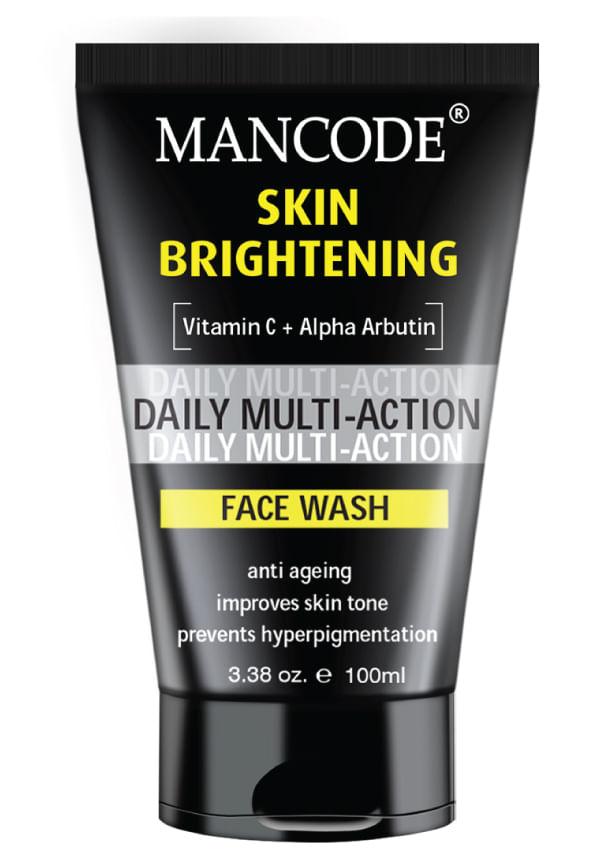
Skin Brightening Face Wash Anti Ageing Improves Skin Tone Multi Double Action Skin Purifying Face Wash
For existing damage, consistency is key. Antioxidant treatments typically show results after 6-12 weeks of regular use. Professional treatments like chemical peels or microneedling can enhance antioxidant penetration, whilst at-home tools like LED therapy can boost cellular repair.
Signs that your antioxidant routine is working include improved skin texture, more even tone, reduced sensitivity, and a natural glow. If you experience irritation, reduce frequency or concentration rather than stopping altogether.
The most effective way to neutralise free radicals is through topical antioxidants applied daily. Vitamin C in the morning provides immediate protection, whilst niacinamide can be used morning or evening for ongoing defence. Consistency matters more than concentration - a 10% vitamin C serum used daily beats a 20% serum used occasionally.
Antioxidants neutralise free radicals by donating electrons without becoming unstable themselves. The most effective neutralising ingredients include vitamin C, vitamin E, niacinamide, and ferulic acid. These work by breaking the chain reaction of oxidative stress before it can damage healthy skin cells.
Yes, niacinamide fights free radicals through multiple mechanisms. It boosts your skin's natural antioxidant production, reduces inflammation that generates free radicals, and helps repair existing damage. Clinical studies show that 5% niacinamide can significantly reduce oxidative stress markers in the skin.
Research suggests that up to 90% of visible skin ageing is indeed caused by UV exposure, a process called photoageing. This is why sun-protected areas like your inner arms typically look much younger than frequently exposed areas like your face and hands. However, other factors like pollution, stress, and genetics also contribute to the ageing process.
Understanding how free radicals damage your skin and how antioxidants can neutralise them puts you in control of your skin's future. The key is starting early, being consistent, and choosing antioxidants that work well with your skin type and lifestyle.
Remember, antioxidants for skin health work best as part of a comprehensive routine that includes gentle cleansing, adequate hydration, and religious SPF use. With over 28 million users discovering their perfect skincare matches, Smytten's curated selection includes antioxidant-rich products from trusted brands that can help you build an effective defence against free radical damage.
Your skin's battle against free radicals is ongoing, but with the right knowledge and products, you're well-equipped to win. Start with one quality antioxidant, be patient with results, and remember - protecting your skin today is an investment in how it will look and feel for years to come.
