How Does Sunscreen Work? Your Ultimate Protection Guide


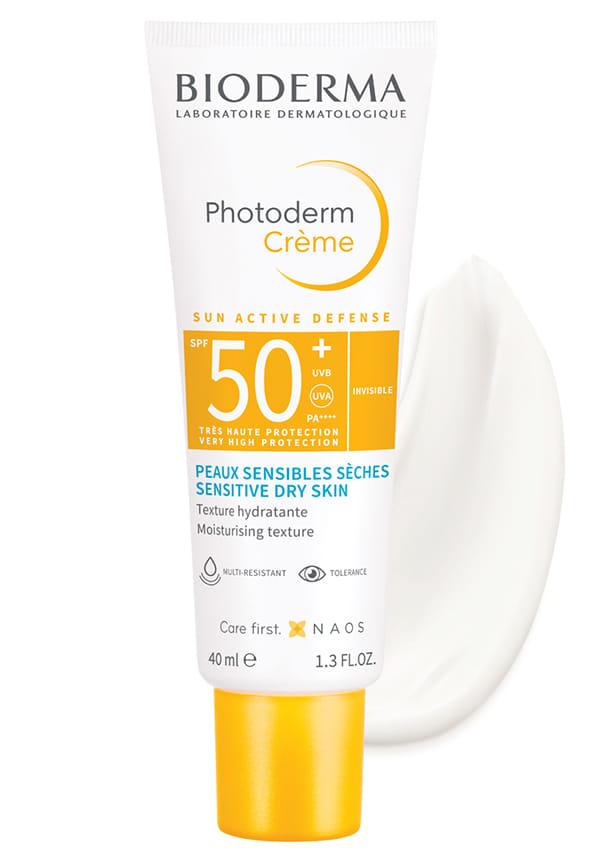 40 ml
40 mlPhotoderm Max Creme Spf 50+
Ever wondered how that bottle of sunscreen actually protects your skin from the sun's rays? Let's be real—most of us slather it on without really understanding the science behind it. But knowing how sunscreen works can help you make smarter choices about which formula suits your skin and lifestyle. From the difference between mineral and chemical protection to understanding what those SPF numbers really mean, we're breaking down everything you need to know about your skin's best defence against UV damage.
Understanding how sunscreen works starts with knowing what you're protecting yourself from. The sun emits ultraviolet radiation that can seriously damage your skin, and sunscreen acts as your personal shield against these harmful rays.
There are two main types of UV rays that reach your skin: UVA and UVB. UVB rays are the ones that cause sunburn and directly damage the DNA in your skin cells. UVA rays penetrate deeper into your skin, causing premature ageing, wrinkles, and contributing to skin cancer risk. Both types can cause lasting damage, which is why broad-spectrum protection is so important for sunburn prevention and overall skin health.
Sunscreen works through two main mechanisms: absorption and reflection. Some sunscreen ingredients absorb UV radiation and convert it into harmless heat, while others create a physical barrier that reflects and scatters the rays away from your skin. This dual approach is what makes modern sunscreens so effective at protecting your skin from damage.
Not all sunscreens are created equal, and understanding the different types of sunscreen can help you choose the right one for your skin type and lifestyle. The main categories are mineral, chemical, and hybrid formulations.
Mineral sunscreen contains active ingredients like zinc oxide and titanium dioxide that sit on top of your skin and physically block UV rays. These ingredients work immediately upon application, making them perfect for sensitive skin types. They're also reef-safe and less likely to cause irritation, though they can sometimes leave a white cast on darker skin tones.
Chemical sunscreens use ingredients like avobenzone, oxybenzone, and octinoxate to absorb UV radiation and convert it into heat. These formulas tend to be lighter and more cosmetically elegant, making them popular for daily sunscreen use. However, they need about 15-20 minutes to become effective after application and may cause sensitivity in some people.
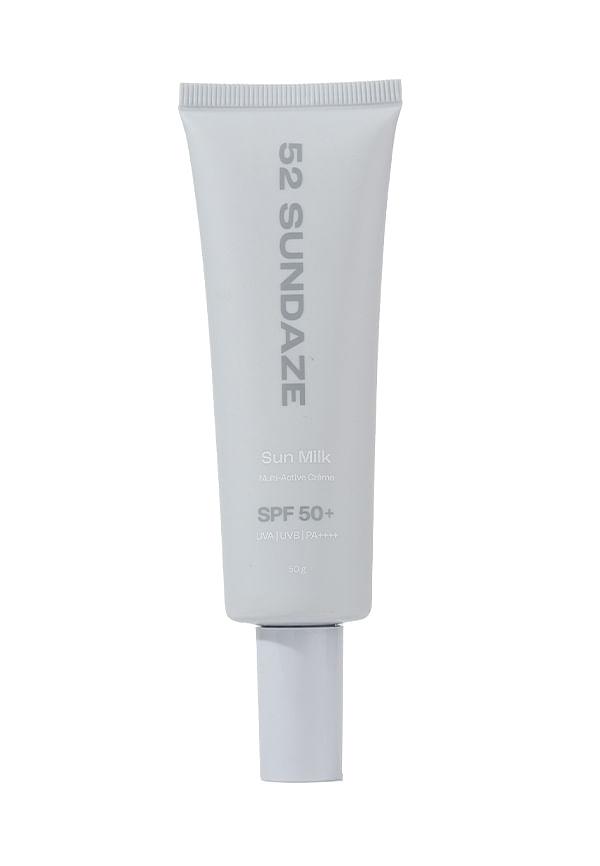 50ml
50mlSPF 50 Sun Milk Multi Active Crème Sunscreen PA++++
Many modern sunscreens combine both mineral and chemical ingredients to maximise sunscreen benefits whilst minimising drawbacks. These hybrid formulas offer broad-spectrum protection with better cosmetic feel than pure mineral sunscreens, making them a great middle-ground option for most skin types.
The sun protection factor is probably the most misunderstood aspect of sunscreen. Many people think higher SPF means you can stay in the sun longer, but that's not quite how it works.
SPF measures how much UVB radiation a sunscreen can filter out. SPF 15 blocks about 93% of UVB rays, SPF 30 blocks 97%, and SPF 50 blocks 98%. The difference between SPF 30 and 50 is only about 1%, which is why dermatologists often recommend SPF 30 as the sweet spot for daily protection. Higher SPF doesn't mean you can skip reapplication—that's still needed every two hours regardless of the number on the bottle.
SPF only measures UVB protection, but you also need UVA coverage for complete protection. Look for "broad-spectrum" on the label, which means the sunscreen protects against both types of UV radiation. Some products also show PA+ ratings, which specifically indicate UVA protection levels—more plus signs mean better UVA coverage.
Knowing how to apply sunscreen properly is just as important as choosing the right formula. Most people don't use enough product, which significantly reduces the protection they're getting.
The general rule is to use about one ounce (roughly two tablespoons) for your entire body, and about a quarter teaspoon for your face and neck. For sunscreen for face, apply it as the last step in your skincare routine but before makeup. Don't forget often-missed spots like your ears, the back of your neck, and the tops of your feet.
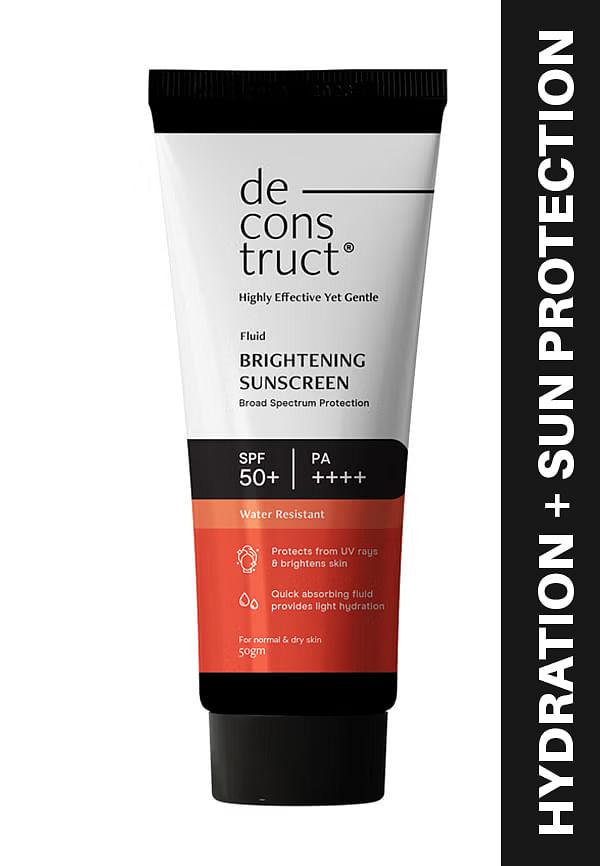 50 gm
50 gmFluid Brightening Sunscreen for Dry Skin with Spf 50+ And Pa++++
Reapplication every two hours is non-negotiable, regardless of your SPF level. If you're swimming or sweating heavily, reapply immediately after towelling off. For those wearing makeup, powder sunscreens or setting sprays with SPF can make touch-ups easier throughout the day.
The sunscreen benefits extend far beyond just preventing that painful red lobster look. Regular sunscreen use is one of the most effective anti-ageing strategies you can adopt.
Daily sunscreen use helps prevent premature ageing, including fine lines, wrinkles, and age spots. It also significantly reduces your risk of developing skin cancer. Studies show that people who use sunscreen daily show 24% less skin ageing than those who use it occasionally. That's some serious long-term payoff for a simple daily habit.
For daily sunscreen use, apply it after your moisturiser but before makeup. If you're using a treatment product like retinol or vitamin C, sunscreen becomes even more crucial as these ingredients can increase sun sensitivity. Year-round protection is essential—UV rays penetrate clouds and windows, so even indoor workers need daily protection.
With so many options available, finding your perfect sunscreen match might feel overwhelming. The key is understanding your skin type and lifestyle needs.
If you have sensitive skin, mineral sunscreen is often your best bet as it's less likely to cause irritation. Those with oily skin might prefer lightweight chemical formulas that don't feel heavy or greasy. For dry skin, look for sunscreens with added moisturising ingredients like hyaluronic acid or ceramides.
Water-resistant formulas are essential for swimming or intense workouts, but remember that "water-resistant" doesn't mean waterproof—you'll still need to reapply. For daily wear under makeup, look for lightweight formulas that won't pill or interfere with your foundation. When travelling to sunny destinations, pack both a daily-wear sunscreen and a heavy-duty sports formula.
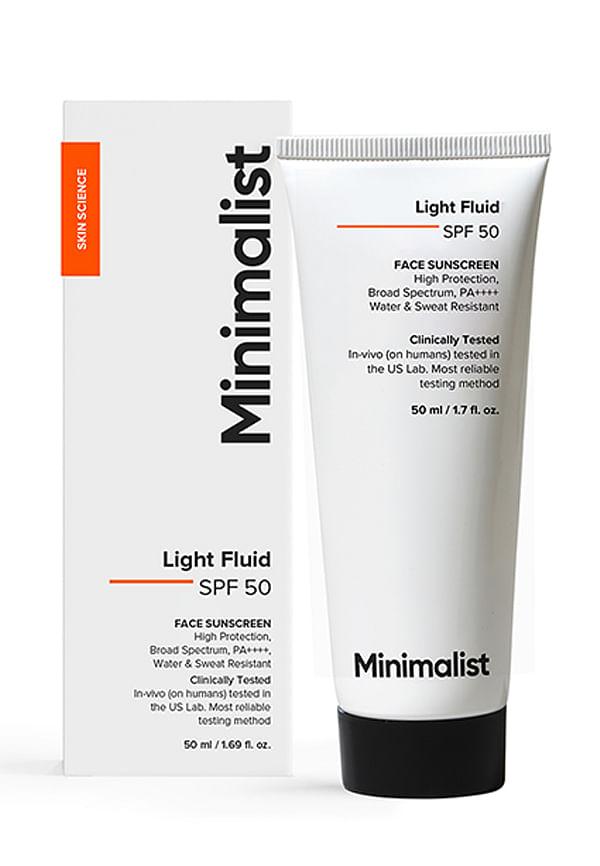 50 ml
50 mlLight Fluid SPF 50 Face Sunscreen
Finding the right sunscreen often involves trying different formulas to see what works best for your skin. Smytten's trial packs let you test various sunscreen options from trusted brands like Cetaphil and Dot & Key before committing to full-size purchases. With over 1,500 brands available and the ability to get up to 8 minis for just ₹249, you can discover your perfect sun protection match without the guesswork.
No, SPF doesn't work that way. SPF 50 blocks about 98% of UVB rays, compared to SPF 30's 97%. You still need to reapply every two hours regardless of the SPF number, as the protection breaks down over time due to sweat, water, and natural wear.
Mineral sunscreens use zinc oxide or titanium dioxide to physically block UV rays and work immediately. Chemical sunscreens absorb UV radiation and convert it to heat, but need 15-20 minutes to become effective after application.
Yes, if you're near windows. UVA rays can penetrate glass, so if you sit by a window at work or home, you're still getting UV exposure. For complete protection, daily sunscreen use is recommended regardless of your indoor/outdoor plans.
About a quarter teaspoon for your face and neck. Most people use far less than this, which significantly reduces the protection they're getting. Don't forget areas like your ears and the back of your neck.
While it's not harmful, facial sunscreens are formulated to be lighter and less likely to clog pores. Body sunscreens might feel too heavy or cause breakouts on facial skin, so it's worth investing in a dedicated face formula.
Understanding how sunscreen works empowers you to make better choices for your skin's protection. Whether you choose mineral, chemical, or hybrid formulas, the most important factors are consistent daily use, proper application, and regular reapplication. Remember that sunscreen is an investment in your skin's future—preventing damage is always easier than trying to reverse it later.
With Smytten's extensive range of skincare options from over 1,500 trusted brands, you can explore different sunscreen formulations through trial packs before finding your perfect match. The platform's 100% cashback offer on trial purchases makes it risk-free to discover products that work for your unique skin needs. After all, why settle for maybe when you can try it all and find the sun protection that truly works for you?
