How Dairy and Sugar Impact Acne on Indian Skin


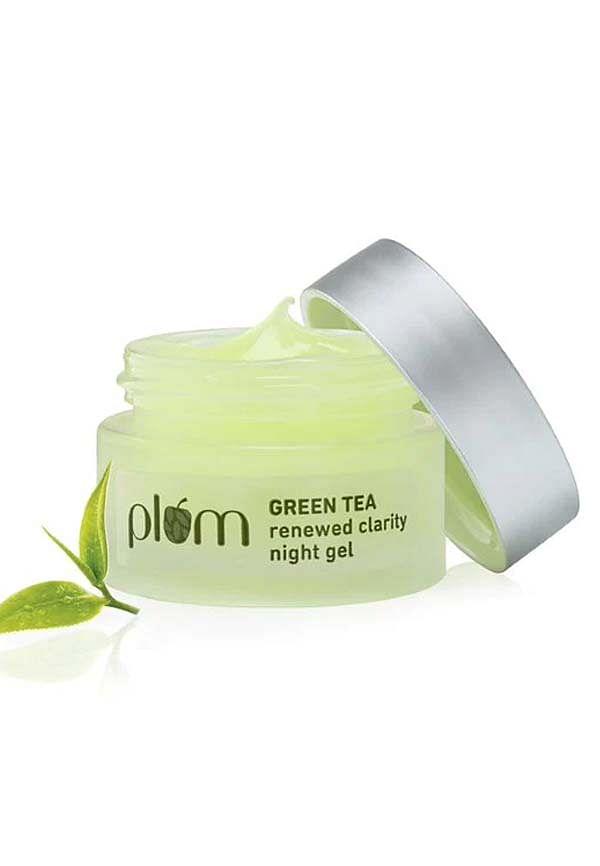
Green Tea Renewed Clarity Night Gel Hydrates Skin & Fights Acne
You've been following your skincare routine religiously, yet those stubborn breakouts keep appearing. Sound familiar? If you're dealing with persistent acne, the culprit might be sitting right on your dinner plate. For many people with Indian skin, the connection between what we eat and how our skin behaves is stronger than we'd like to admit. Let's explore how two common ingredients in our daily diet - dairy and sugar - might be contributing to those frustrating breakouts, and what you can do about it.
Indian skin has unique characteristics that make it particularly responsive to dietary changes. Our melanin-rich skin tends to develop post-inflammatory hyperpigmentation more readily, meaning that even minor breakouts can leave lasting dark spots. Many of us also deal with combination skin - that oily T-zone paired with normal or dry cheeks - which can make acne management tricky.
Traditional Indian diets, whilst rich in nutrients, often include foods that can trigger inflammatory responses in acne-prone skin. The combination of dairy-heavy dishes, refined carbohydrates, and sugar-rich treats creates a perfect storm for breakouts. When you add the stress of modern life and environmental factors like pollution, it's no wonder that acne and Indian skin concerns are so common.
What makes this particularly challenging is that diet and acne connections aren't always immediate. You might enjoy a creamy lassi today and see breakouts three days later, making it difficult to identify the actual triggers. This delayed response often leads people to dismiss dietary factors entirely, when in reality, they could be the key to clearer skin.
The relationship between dairy and acne isn't just anecdotal - there's solid science behind it. When you consume dairy products, particularly cow's milk, your body experiences a surge in insulin-like growth factor 1 (IGF-1) and certain hormones that can stimulate oil production in your skin.
Here's what happens: dairy consumption increases androgen activity, which tells your sebaceous glands to produce more oil. More oil means clogged pores, and clogged pores often lead to breakouts. This process is particularly pronounced with skim milk, which contains higher levels of bioactive hormones compared to full-fat versions.
Not all dairy affects your skin equally. Cow's milk tends to be more problematic than fermented dairy products like yoghurt or kefir. The fermentation process breaks down some of the inflammatory compounds, making these options gentler on acne-prone skin.
In Indian households, dairy is often consumed multiple times daily - morning tea with milk, paneer in lunch, evening lassi, and milk-based sweets for dessert. This constant exposure can keep inflammation levels elevated, making it harder for existing breakouts to heal and increasing the likelihood of new ones forming.
The connection between sugar and acne operates through a different but equally problematic mechanism. When you consume high-glycemic foods, your blood sugar spikes rapidly, triggering a cascade of hormonal responses that can worsen acne.
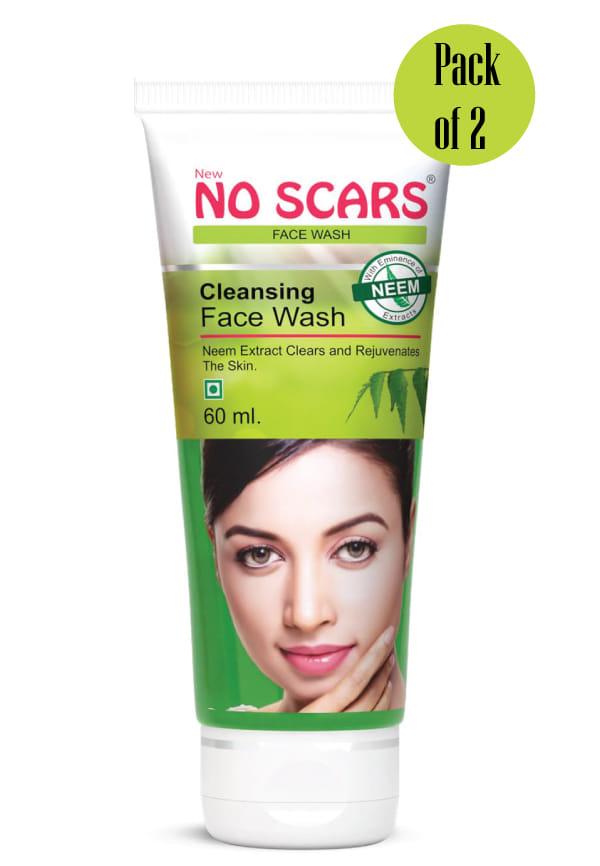
Neem Face Wash,Rejuvenates Skin And Fights Acne With Neem Extracts
High blood sugar levels increase insulin production, which in turn boosts androgen hormones. These hormones stimulate oil production and can make your skin cells shed more rapidly, creating the perfect environment for clogged pores. Additionally, sugar consumption promotes inflammation throughout your body, including in your skin.
Many traditional Indian foods have a higher glycemic index than we realise. White rice, refined wheat products, and even seemingly healthy options like jaggery can cause blood sugar spikes. Street foods, processed snacks, and the generous use of sugar in beverages all contribute to this inflammatory load.
Inflammatory foods and acne often manifest as deeper, more inflamed breakouts rather than simple blackheads or whiteheads. You might notice that your skin looks more congested and inflamed after periods of high sugar consumption, particularly around your jawline and chin area.
Understanding which foods that cause acne are common in Indian diets can help you make more informed choices. This doesn't mean you need to abandon your cultural cuisine entirely, but rather approach certain foods with awareness.
Refined carbohydrates like white rice and refined wheat products can spike blood sugar levels. Dairy-heavy dishes such as paneer curries, creamy gravies, and milk-based sweets provide a double hit of hormonal triggers. Regional specialities often include these ingredients in generous quantities, making moderation key.
Breakfast items like parathas with yoghurt, sugary tea, and processed cereals can set an inflammatory tone for the entire day. Lunch and dinner often feature refined grains, dairy-based gravies, and fried foods that can contribute to breakouts.
The combination of refined flour, excessive oil, and often poor hygiene standards makes street food particularly problematic for acne-prone skin. Processed snacks loaded with preservatives and artificial ingredients can also trigger inflammatory responses.
Developing a diet for clear skin doesn't mean completely eliminating all your favourite foods overnight. A gradual, sustainable approach works better for long-term success and helps you identify which specific foods are your personal acne triggers.
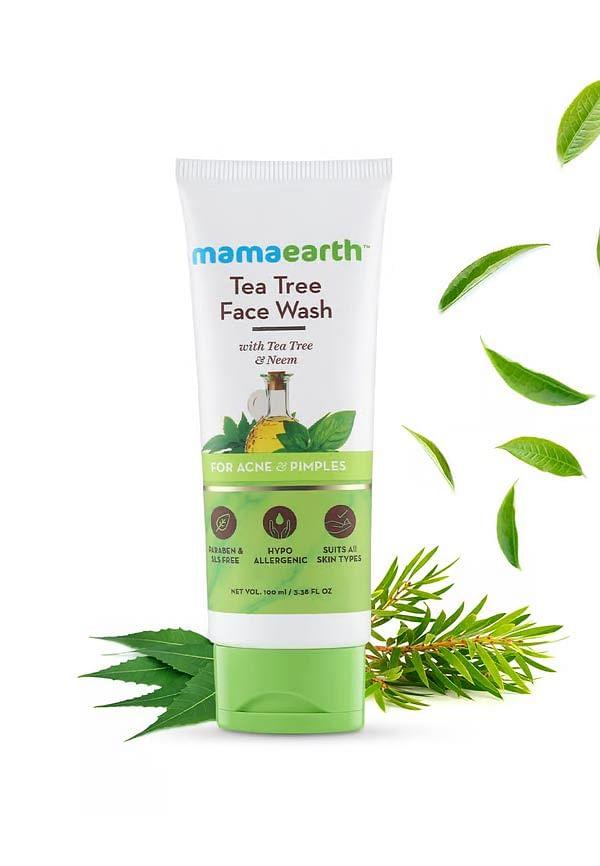
Tea Tree Facewash For Acne & Pimples
Start by keeping a food and skin diary for two weeks. Note what you eat and how your skin looks and feels over the following days. This will help you identify patterns and potential triggers specific to your skin.
Begin by reducing dairy consumption by half and replacing high-glycemic foods with lower-glycemic alternatives. Swap white rice for brown rice or quinoa, choose whole grain rotis over refined flour ones, and replace sugary drinks with water or herbal teas.
Introduce foods rich in omega-3 fatty acids, antioxidants, and anti-inflammatory compounds. Include more leafy greens, nuts, seeds, and fresh fruits in your meals. Experiment with plant-based milk alternatives and probiotic-rich foods that support gut health.
While dietary changes work from the inside out, proper skincare for acne addresses external factors that contribute to breakouts. The combination of internal and external approaches often yields the best results for managing acne on Indian skin.
Look for products containing niacinamide, which helps regulate oil production and reduces inflammation. Salicylic acid can help unclog pores, while gentle AHAs promote cell turnover without over-irritating your skin. For Indian skin tones, it's particularly important to choose acne treatment products that won't cause excessive dryness or irritation, which can lead to hyperpigmentation.
As you modify your diet, your skin might initially experience some changes. This isn't necessarily a sign that your new approach isn't working - sometimes skin needs time to adjust and heal from previous inflammatory damage.
Consistent SPF use is crucial when dealing with acne, especially on Indian skin that's prone to hyperpigmentation. Choose non-comedogenic formulas that won't clog your pores while protecting against UV damage that can worsen acne marks.
While diet plays a significant role in acne development, it's not the only factor to consider. Genetics, stress levels, sleep quality, and skincare habits all contribute to your skin's overall health and appearance.
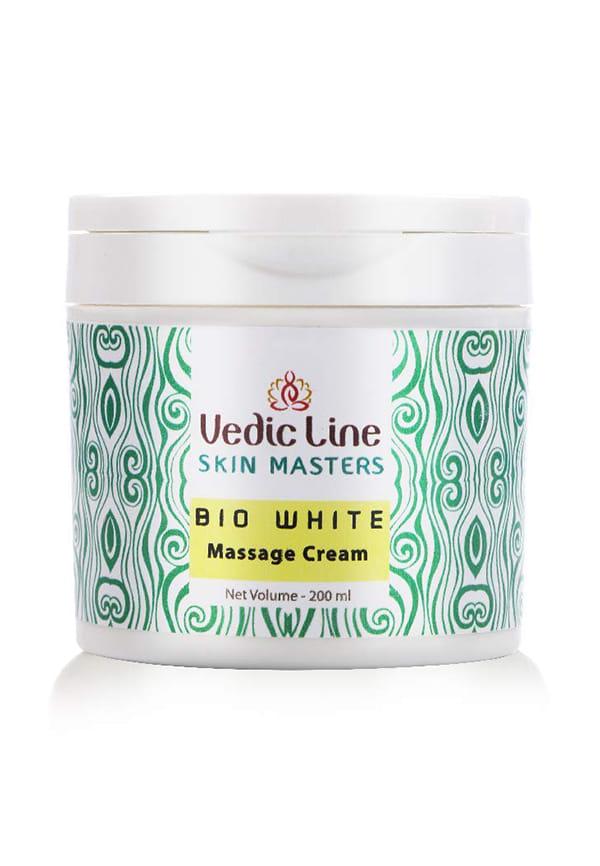
Skin Masters Bio White Massage Cream Helps to Reduce Acne
Stress management is particularly important, as elevated cortisol levels can worsen acne and make your skin more reactive to dietary triggers. Regular exercise, adequate sleep, and stress-reduction techniques can support your dietary efforts in achieving clearer skin.
If dietary modifications and consistent skincare don't improve your acne after 8-12 weeks, consider consulting a dermatologist. Severe or cystic acne may require professional treatment alongside dietary changes for optimal results.
Most people notice initial improvements within 4-6 weeks of reducing dairy and sugar intake. However, complete healing of existing breakouts and prevention of new ones may take 8-12 weeks, as your skin needs time to cycle through its natural renewal process.
Occasional indulgence is fine for most people, but timing and portion control matter. If you choose to have sweets, consider having them earlier in the day and in smaller portions. Pay attention to how your skin responds and adjust accordingly.
Yes! Turmeric has anti-inflammatory properties, green leafy vegetables provide antioxidants, and probiotic-rich foods like fermented rice can support gut health. Incorporating these foods while reducing inflammatory ones can support clearer skin.
Unsweetened almond milk, coconut milk, and oat milk are generally better options for acne-prone skin. However, some people may still react to certain alternatives, so it's worth experimenting to find what works best for you.
Understanding how dairy and sugar impact acne on Indian skin empowers you to make informed choices about your diet and skincare routine. Remember, everyone's skin is different, and what triggers breakouts in one person might not affect another. The key is paying attention to your body's responses and making gradual, sustainable changes.
Combining dietary awareness with effective skincare products creates a comprehensive approach to managing acne. Whether you're dealing with occasional breakouts or persistent acne, addressing both internal and external factors gives you the best chance of achieving the clear, healthy skin you're working towards. With over 28 million users discovering their perfect skincare matches, platforms like Smytten make it easier to find products that work specifically for your skin's needs without the guesswork of full-size purchases.
