How Cream vs. Foaming Cleansers Work for Dry Indian Skin


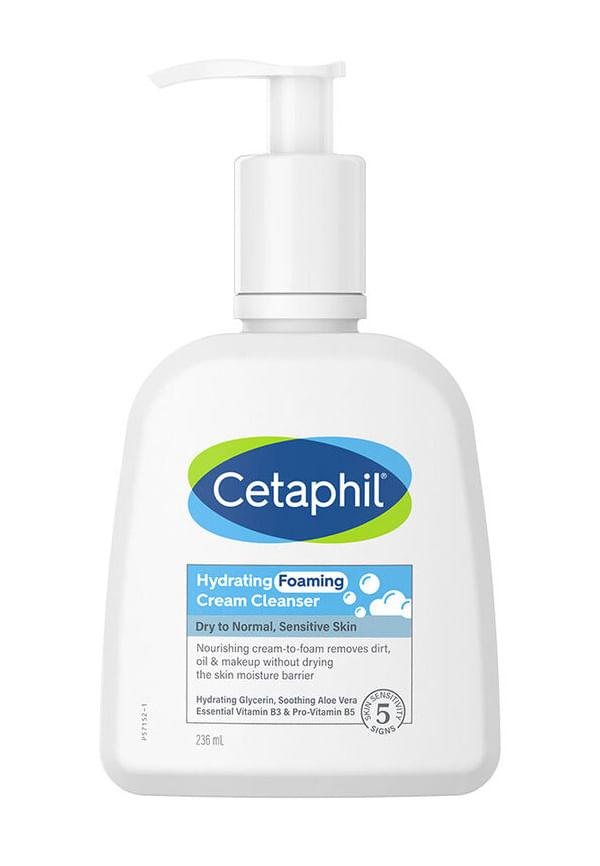
Hydrating Foaming Cream Cleanser
You've just finished your evening skincare routine, and your face feels tight, almost squeaky clean. Sound familiar? If you're dealing with dry skin in India's ever-changing climate, you've probably wondered whether that foaming face wash is doing more harm than good. The truth is, choosing between a cream cleanser and a foaming cleanser can make or break your skin's moisture barrier. With pollution, hard water, and humidity shifts constantly challenging Indian skin, getting your cleanser right isn't just about removing dirt—it's about preserving what little natural moisture your skin produces. Let's break down exactly how these two cleanser types work and which one your dry skin actually needs.
Dry skin in India faces a unique set of challenges that go beyond what you'd find in textbooks. Our skin produces less sebum naturally, and when you add factors like pollution particles, hard water minerals, and dramatic seasonal shifts, the result is often compromised skin barrier function.
Indian skin types, particularly those with dry tendencies, often have naturally lower sebum production compared to other ethnicities. This means your skin's natural protective layer is already thinner to begin with. Add to this the daily assault of urban pollution—those fine particulates that settle into pores and create oxidative stress—and you've got skin that's working overtime just to maintain basic hydration. Hard water, common across many Indian cities, strips away natural oils with its high mineral content, leaving skin feeling parched even after a simple rinse.
Your cleanser is the first and most frequent contact your skin has with active ingredients. A harsh formula can disrupt your skin's natural pH balance, which should hover around 5.5 for optimal barrier function. When you strip away too much of your skin's natural protective oils, you're essentially asking your already-dry skin to work even harder to repair itself. This is where understanding the fundamental differences between cream and foaming formulations becomes crucial for maintaining healthy, hydrated skin.
Think of a cream cleanser as a gentle hug for your face. Unlike their foaming counterparts, cream cleansers work through emulsification rather than aggressive surfactant action. They're designed to dissolve makeup, sunscreen, and daily grime whilst depositing moisture back into your skin.
Cream cleansers rely on gentle surfactants and emollient-rich bases to lift away impurities without creating that tight, stripped feeling. The magic happens through a process called emulsification—oils and water-based ingredients work together to dissolve both water-soluble and oil-soluble impurities. Because they don't foam, there's no aggressive action that can disrupt your skin's delicate moisture barrier. Instead, you're left with clean skin that still feels soft and comfortable.
The best cream cleansers for dry skin contain a thoughtful blend of cleansing and conditioning ingredients. Look for ceramides, which help restore your skin's natural barrier, and glycerin, a powerful humectant that draws moisture from the environment into your skin. Hyaluronic acid is another superstar ingredient that can hold up to 1000 times its weight in water. Natural oils like jojoba or squalane work beautifully for Indian skin, providing nourishment without clogging pores. Avoid cleansers with sulfates, alcohol, or strong fragrances, as these can irritate sensitive dry skin.
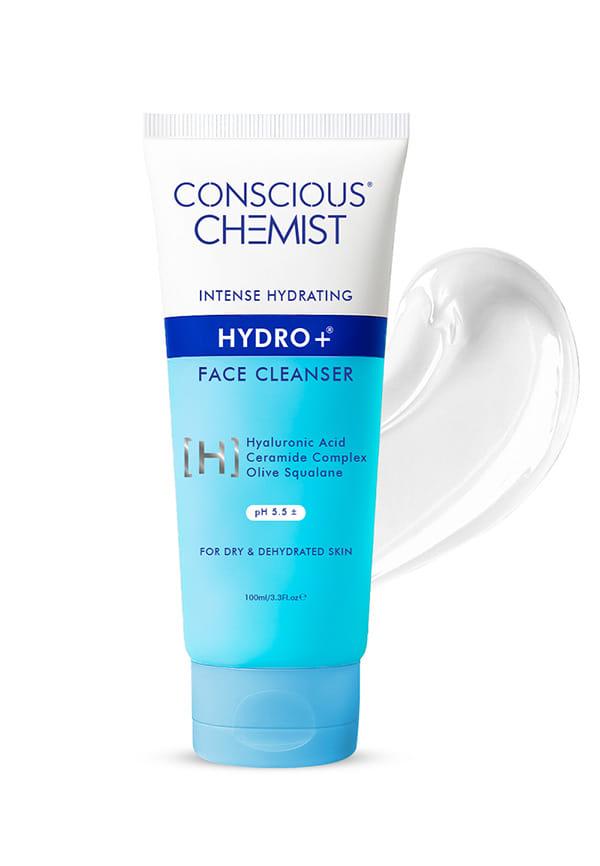
Gentle Hydrating Cleanser For Dry Skin with Hyaluronic Acid and Ceramides
Apply your cream cleanser to dry skin first—this helps the emulsification process work more effectively. Massage gently for about 30 seconds, then add a small amount of lukewarm water to create a light emulsion before rinsing thoroughly. For those wearing heavy makeup or sunscreen, consider the double cleansing method: start with an oil-based cleanser, then follow with your cream cleanser. This ensures complete removal without over-cleansing.
Not all foaming cleansers are created equal, and the assumption that they're automatically too harsh for dry skin isn't always accurate. Modern formulations have evolved significantly, with many brands creating gentle foaming cleansers that can work for dry skin types when chosen and used correctly.
The key difference lies in the type of surfactants used. Traditional foaming cleansers often contain sodium lauryl sulfate (SLS), which creates abundant foam but can be quite drying. However, newer formulations use gentler alternatives like glucoside surfactants or amino acid-based cleansers that create a light foam without aggressive stripping action. These modern hydrating face wash options can effectively remove impurities whilst maintaining skin comfort.
Yes, but with careful selection and proper technique. Look for foaming cleansers that specifically mention being suitable for dry or sensitive skin. The foam should feel creamy rather than tight or squeaky. If your skin feels uncomfortable immediately after cleansing, or if you notice increased flaking or irritation, it's a sign that the formula is too harsh for your skin type. The right gentle cleanser for dry skin should leave your face feeling clean but never stripped.
Understanding the practical differences between these two cleanser types helps you make an informed choice based on your specific skin needs and lifestyle factors.
Both cream and gentle foaming cleansers can effectively remove daily impurities, but they excel in different areas. Cream cleansers are particularly good at dissolving makeup and sunscreen due to their oil-based components. They work through gentle emulsification, making them excellent for removing stubborn, waterproof products. Foaming cleansers, on the other hand, can be more effective at removing excess oil and water-based impurities. For dry skin dealing with pollution in Indian cities, both can work, but cream cleansers often provide that extra layer of comfort and hydration.
This is where the most significant difference lies. Cream cleansers are formulated to maintain and even boost skin hydration levels. They typically have a pH closer to your skin's natural level and contain conditioning agents that support barrier function. Quality foaming cleansers designed for dry skin can also be gentle, but they're less likely to actively add moisture back to your skin. For sensitive dry skin, cream cleansers generally offer a more nurturing approach to daily cleansing.
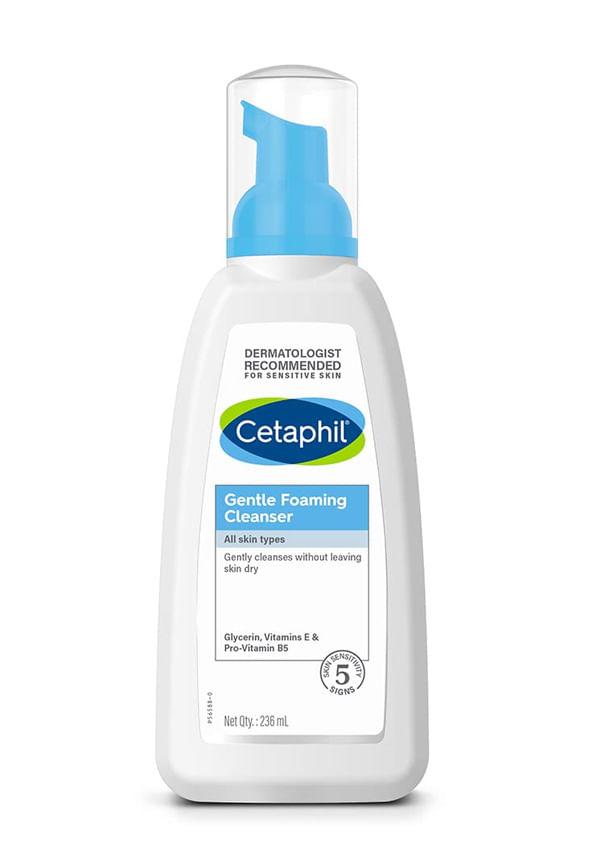
Gentle Foaming Cleanser For All Skin
The sensory experience differs significantly between the two. Cream cleansers feel rich and nourishing during application, almost like applying a lightweight moisturiser. They require thorough rinsing but don't leave a squeaky-clean feeling. Foaming cleansers provide that satisfying lather that many people associate with thorough cleansing. They rinse away more easily but can sometimes leave skin feeling tight if the formula is too aggressive. In India's humid climate, some people prefer the lighter feel of a gentle foaming cleanser, whilst others find cream cleansers more comforting during air-conditioned indoor environments.
Choosing the right cleanser involves considering not just your skin type, but also your lifestyle, climate, and personal preferences. Here's how to navigate the options available in the Indian market.
Look for cream cleansers that specifically mention being suitable for dry or sensitive skin. Brands like Cetaphil offer gentle, dermatologist-recommended options that work well for Indian skin. CeraVe cleansers with ceramides are excellent for barrier repair, whilst Neutrogena's ultra-gentle formulations provide effective cleansing without over-drying. When shopping, read ingredient lists carefully and avoid products with high concentrations of alcohol or strong fragrances, which can irritate dry skin.
If you prefer the feel of a foaming cleanser, look for cream-to-foam hybrid formulations that start as a cream and create a light lather when mixed with water. These provide the best of both worlds—the nourishing properties of a cream with the satisfying cleansing experience of foam. Aveeno and Dove offer excellent options in this category that are widely available in India.
For most people with dry skin, cleansing once daily in the evening is sufficient. In the morning, a simple rinse with lukewarm water often does the job without stripping away the natural oils your skin produced overnight. During monsoon season, you might need slightly more thorough cleansing due to increased humidity and pollution, but always follow up with a good moisturiser. Consider rotating between a cream cleanser for daily use and a gentle foaming option for days when you've worn heavy makeup or spent extended time outdoors.
Even with the right product, improper usage can sabotage your skincare efforts. Understanding these common pitfalls helps you get the most from your chosen cleanser.
One of the biggest mistakes people with dry skin make is cleansing too frequently or using products that are too harsh. If you're experiencing increased dryness, flaking, or irritation after starting a new cleansing routine, you might be over-cleansing. Signs include skin that feels tight immediately after washing, increased sensitivity to other products, or a feeling that you need to apply moisturiser immediately after cleansing just to feel comfortable. The solution is often to reduce cleansing frequency or switch to a gentler formula.
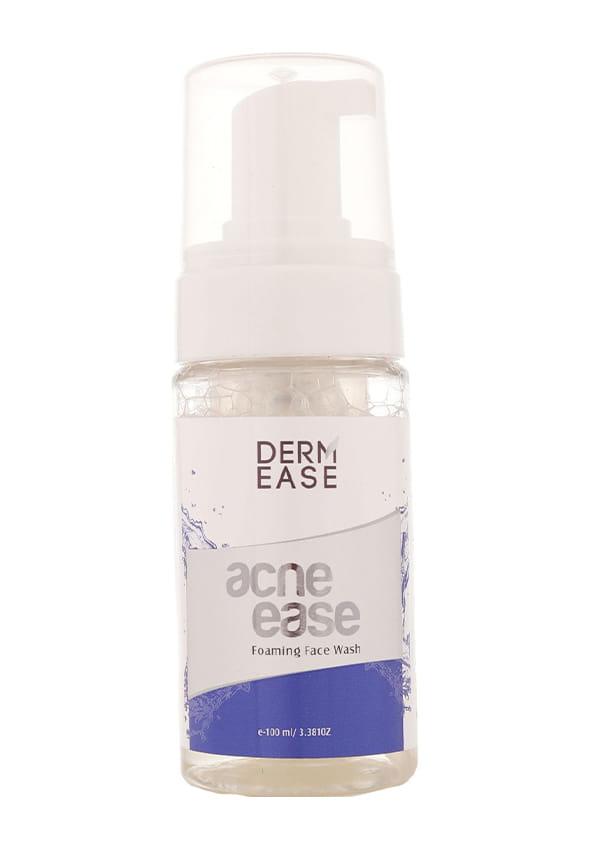
ACNE EASE FOAMING FACE WASH
Cream cleansers are generally better for dry Indian skin because they provide gentle cleansing whilst maintaining hydration levels. They work through emulsification rather than aggressive surfactant action, making them ideal for preserving your skin's natural moisture barrier. However, gentle foaming cleansers with mild surfactants can also work if you prefer that texture.
Yes, but choose carefully. Look for foaming cleansers specifically formulated for dry or sensitive skin, with gentle surfactants like glucosides rather than harsh sulfates. The foam should feel creamy, not tight or stripping. If your skin feels uncomfortable after cleansing, switch to a cream-based formula.
Indian skin faces unique challenges including pollution exposure, hard water, dramatic seasonal changes, and varying humidity levels. These factors can compromise the skin barrier, making gentle, hydrating cleansers particularly important. Additionally, many Indian skin types have naturally lower sebum production, requiring more nurturing cleansing approaches.
Once daily, preferably in the evening, is usually sufficient for dry skin. Morning cleansing can be just a lukewarm water rinse unless you've applied heavy night treatments. Over-cleansing can worsen dryness by stripping natural oils faster than your skin can replace them.
This depends on your specific products and skin needs. Double cleansing (oil cleanser followed by water-based cleanser) can be beneficial for removing heavy makeup or sunscreen. However, using two harsh cleansers together can over-strip dry skin. If you double cleanse, ensure at least one product is gentle and hydrating.
The choice between cream and foaming cleansers for dry Indian skin ultimately comes down to your individual needs, preferences, and how your skin responds. Cream cleansers offer the gentlest approach, providing cleansing whilst actively supporting your skin's moisture barrier. They're particularly beneficial if you're dealing with sensitivity, live in an air-conditioned environment, or have very dry skin. Gentle foaming cleansers can work for dry skin when formulated with mild surfactants and hydrating ingredients, offering a middle ground for those who prefer a lighter feel.
Remember that skincare is deeply personal, and what works for others might not work for you. Start with patch testing any new cleanser, introduce it gradually into your routine, and pay attention to how your skin responds over time. Your skin's needs may also change with seasons, stress levels, and life circumstances, so don't be afraid to adjust your routine accordingly.
If you're curious about trying different cleansers but hesitant to invest in full-size products, platforms like Smytten offer a smart way to test various formulations through curated trial packs from trusted brands. With over 28 million users discovering products this way, it's become a popular approach to finding your perfect skincare match without the commitment of full-size purchases.
