How Chlorine in Swimming Pools Affects Your Skin Barrier in India


Barrier Repair Sunscreen, In-Vivo Tested SPF 50+ PA++++
You've just finished a refreshing swim in your local pool, but hours later, your skin feels tight, itchy, and uncomfortably dry. Sound familiar? If you're a regular swimmer in India, you've likely experienced the harsh reality of how chlorine affects your skin barrier. Between our country's intense heat, high humidity, and the often heavily chlorinated pools needed to maintain hygiene standards, your skin faces a perfect storm of challenges every time you take a dip.
Your skin barrier is essentially your body's first line of defence against the outside world. Think of it as a protective brick wall made up of skin cells held together by natural lipids and oils. This barrier keeps moisture in and harmful substances out, which is especially crucial in India's challenging climate where your skin already works overtime to stay balanced.
Your skin barrier, technically called the stratum corneum, is the outermost layer of your skin. It's made up of dead skin cells bound together by natural fats and oils, including sebum that your skin produces naturally. This barrier maintains your skin's moisture levels and protects against environmental aggressors like pollution, UV rays, and yes, chlorine.
In India's hot, humid climate, your skin barrier works extra hard. The constant temperature changes between air-conditioned spaces and the sweltering outdoors already stress this protective layer. When you add chlorine exposure to the mix, you're essentially asking your skin to fight a battle on multiple fronts.
Chlorine is a powerful disinfectant designed to kill bacteria and other microorganisms in pool water. Unfortunately, it doesn't distinguish between harmful bacteria and your skin's beneficial natural oils. When you swim, chlorine strips away sebum and other protective lipids from your skin's surface, leaving your barrier compromised and vulnerable.
This process happens within minutes of exposure. The chlorine molecules break down the lipid matrix that holds your skin cells together, creating microscopic gaps where moisture can escape and irritants can enter. With regular swimming, this damage accumulates, leading to chronic dryness, sensitivity, and even swimming pool dermatitis.
Indian swimming pools often maintain higher chlorine concentrations than their international counterparts due to our climate's bacterial growth challenges. The combination of heat, humidity, and heavy pool usage means facility managers often err on the side of caution with chemical levels.
Add to this the intense UV exposure you get whilst swimming outdoors in India, and your skin faces a double assault. Sun exposure weakens your skin barrier independently, making it even more susceptible to chlorine damage. This is why many swimmers notice their skin issues worsen during summer months.
Recognising the signs of chlorine skin effects early can help you take action before minor irritation becomes a chronic problem. The symptoms often develop gradually, which is why many regular swimmers don't immediately connect their skin issues to pool exposure.
Right after swimming, you might notice your skin feels unusually tight or dry. This immediate response happens because chlorine has stripped away your skin's natural moisture barrier. You might also experience mild itching, particularly in areas where your swimsuit sits snugly against your skin, as these areas have prolonged chlorine contact.
Some swimmers develop temporary redness, especially those with naturally sensitive skin. This isn't necessarily an allergic reaction—it's your skin's inflammatory response to having its protective barrier compromised.
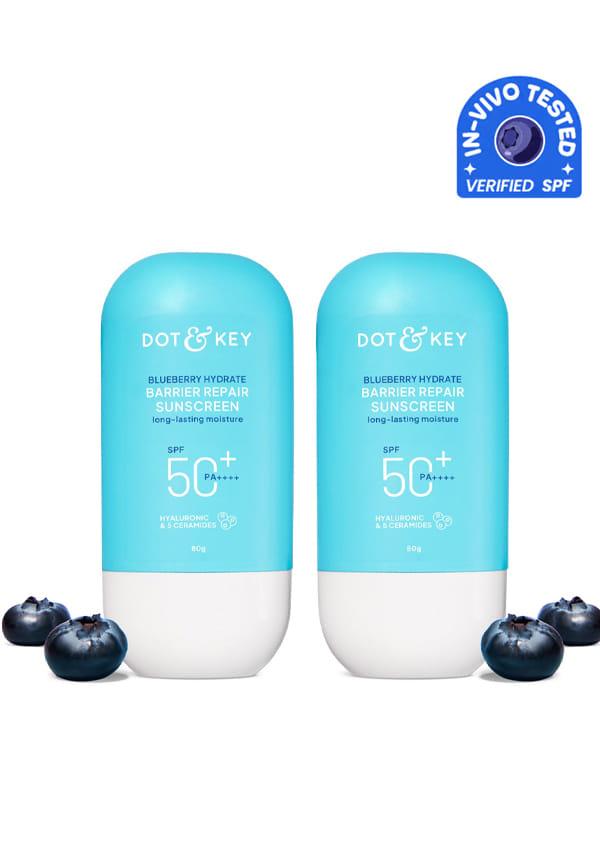
Barrier Repair Sunscreen, In-Vivo Tested SPF 50+ PA++++
With regular pool exposure, dry skin after swimming becomes a persistent issue rather than a temporary inconvenience. Your skin may start flaking or developing rough patches, particularly on your arms, legs, and torso where chlorine exposure is highest.
Many regular swimmers notice increased skin sensitivity to other products like soaps, lotions, or even clothing fabrics. This happens because your compromised skin barrier can't effectively filter out potential irritants. Over time, some people develop swimming pool dermatitis, a condition characterised by persistent inflammation and irritation.
Chlorine allergy symptoms differ from standard irritation. True allergic reactions typically involve raised, red welts or hives that appear within hours of exposure. You might also experience respiratory symptoms like coughing or wheezing, particularly in indoor pools where chlorine vapours concentrate.
If you develop severe reactions like widespread rash, difficulty breathing, or swelling, seek medical attention immediately. However, most swimmers experience irritation rather than true allergic reactions.
Prevention is always better than treatment when it comes to chlorine and skin barrier damage. The good news is that with the right approach, you can significantly reduce chlorine's impact on your skin without giving up swimming entirely.
Always shower before entering the pool—this isn't just pool etiquette, it's skin protection. Wetting your skin with fresh water means it absorbs less chlorinated pool water. Your skin can only absorb so much liquid, so pre-loading it with clean water creates a protective effect.
Apply a thin layer of coconut oil or petroleum jelly to particularly vulnerable areas like your face, underarms, and any areas prone to dryness. These create a barrier between your skin and the chlorinated water. In India's climate, coconut oil works particularly well as it doesn't feel heavy or greasy in the heat.
Don't forget waterproof sunscreen, especially for outdoor pools. Choose broad-spectrum SPF 30 or higher, and reapply after swimming. The combination of chlorine and UV exposure accelerates skin damage significantly.
Limit your swimming sessions to reasonable durations. While it's tempting to spend hours in the pool during India's hot summers, prolonged exposure increases pool water skin damage. Take regular breaks to rinse off with fresh water if possible.
Avoid unnecessary underwater activities that increase chlorine contact with your face and hair. When you do go underwater, try to keep your eyes and mouth closed to minimise mucous membrane exposure.
Traditional Indian remedies can offer additional protection. A light application of sesame oil before swimming has been used for generations to protect skin from harsh environmental conditions. Some swimmers swear by applying a thin layer of ghee to particularly sensitive areas.
You can create your own protective blend using equal parts coconut oil and aloe vera gel. This combination provides barrier protection whilst being light enough for India's humid climate.
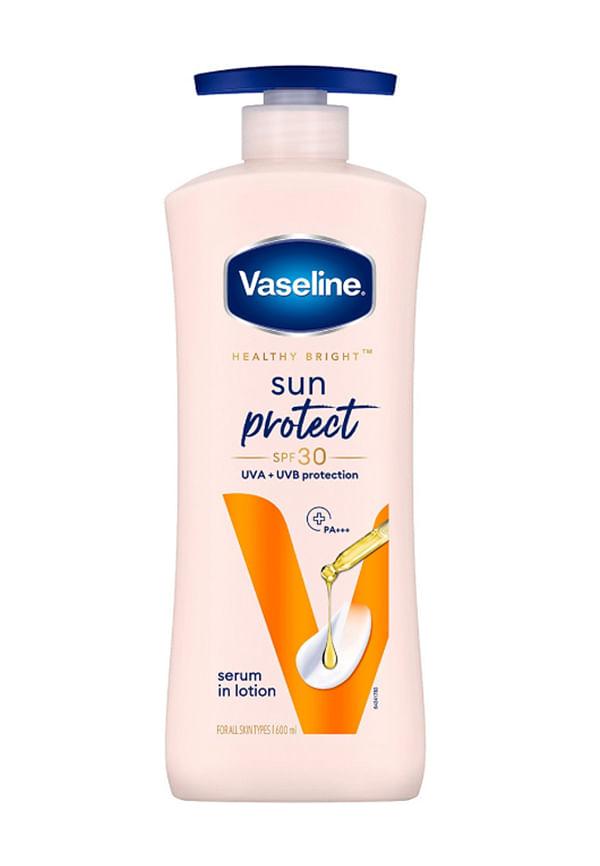
Sun + Pollution Protection SPF 30 Body Lotion
Your skincare after swimming routine is crucial for repairing any damage and preventing long-term issues. The key is acting quickly—the sooner you restore your skin's moisture and pH balance, the better.
Rinse off immediately after swimming with lukewarm water. Hot water might feel good, but it further strips your already compromised skin barrier. Use a gentle, pH-balanced cleanser to remove chlorine residue without over-cleansing.
Pat your skin dry rather than rubbing vigorously. Your post-chlorine skin is more fragile than usual, and rough towelling can cause micro-tears that worsen irritation.
Apply moisturiser whilst your skin is still slightly damp to lock in hydration. Look for products containing ceramides, which help rebuild your skin barrier, or hyaluronic acid, which draws moisture into your skin.
In India's climate, you might prefer lighter formulations during the day, but don't skimp on moisture. Gel-based moisturisers with barrier-repairing ingredients work well for humid conditions whilst still providing necessary hydration.
Once or twice a week, treat your skin to intensive repair. Apply a rich moisturising mask or do an oil treatment using argan oil or jojoba oil. These oils closely mimic your skin's natural sebum and help restore barrier function.
For severely dry areas, overnight treatments work wonders. Apply a thick layer of barrier repair cream before bed, focusing on areas that show the most chlorine damage.
Sometimes, despite your best prevention efforts, you'll need to treat chlorine rash or manage persistent dryness. Understanding how to respond quickly can prevent minor issues from becoming major skin problems.
A chlorine rash typically appears as red, itchy patches on areas that had prolonged contact with pool water. Unlike heat rash, chlorine rash often affects areas covered by swimwear where chlorinated fabric sat against your skin.
For mild rashes, cool compresses and gentle, fragrance-free moisturisers usually provide relief. Avoid products with alcohol, fragrances, or other potential irritants whilst your skin heals. If the rash spreads, develops blisters, or doesn't improve within a few days, consult a dermatologist.
Regular swimmers often develop persistently dry skin that requires ongoing management. This means adjusting your daily skincare routine, not just your post-swimming care.
Switch to gentler cleansers for your daily routine, and consider adding a niacinamide serum to help strengthen your skin barrier over time. Some swimmers benefit from taking omega-3 supplements to support skin health from within, though you should consult a healthcare provider before starting any supplements.
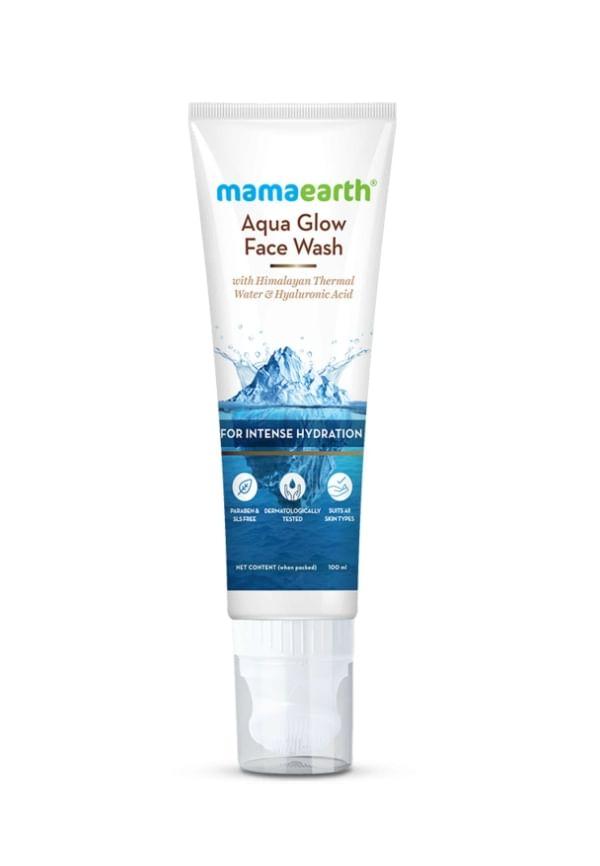
Aqua Glow Face Wash With Himalayan Thermal Water and Hyaluronic Acid
If you have eczema or naturally sensitive skin, you'll need extra precautions. Consider swimming during off-peak hours when chlorine levels might be lower, and always inform pool staff if you experience severe reactions.
Children's skin is naturally thinner and more permeable, making them more susceptible to chlorine damage. Ensure they shower immediately after swimming and apply moisturiser liberally.
Chlorine damage isn't usually permanent, but it can take time to heal. With proper care, your skin barrier can recover, though regular swimmers may experience ongoing challenges that require consistent management.
Regular soap can be too harsh for chlorine-exposed skin. Use a gentle, pH-balanced cleanser specifically designed for sensitive or damaged skin to avoid further irritation.
Apply moisturiser immediately after patting your skin dry. The sooner you restore moisture, the better your skin can recover from chlorine exposure.
Avoid products with alcohol, strong fragrances, or exfoliating acids immediately after swimming. Your skin barrier is compromised and needs gentle, restorative care.
You don't necessarily need to avoid swimming, but you'll need extra protective measures. Consider shorter swimming sessions, thorough pre and post-swim routines, and possibly consulting a dermatologist for personalised advice.
Swimming is one of life's great pleasures, especially during India's intense summers. Understanding how chlorine affects your skin barrier doesn't mean you need to give up this refreshing activity—it means you can enjoy it more safely and comfortably.
The key is consistency in your protective and recovery routines. Your skin adapts to regular care, and with time, you'll find the right combination of prevention and treatment that works for your skin type and swimming frequency.
Remember that everyone's skin responds differently to chlorine exposure. What works for your swimming buddy might not work for you, so be patient as you find your ideal routine. If you're dealing with persistent skin issues despite good care, don't hesitate to consult a dermatologist who can provide personalised guidance.
For those looking to experiment with different skincare products to find what works best for their post-swimming routine, platforms like Smytten offer a practical way to try products before committing to full sizes. With access to curated selections from trusted brands and the ability to test formulations, you can discover the perfect barrier repair and moisturising products for your skin's specific needs. After all, finding the right skincare routine shouldn't be a guessing game—especially when your skin is working hard to recover from chlorine exposure.
