How Can I Remove Pigmentation? Your FAQ Answered


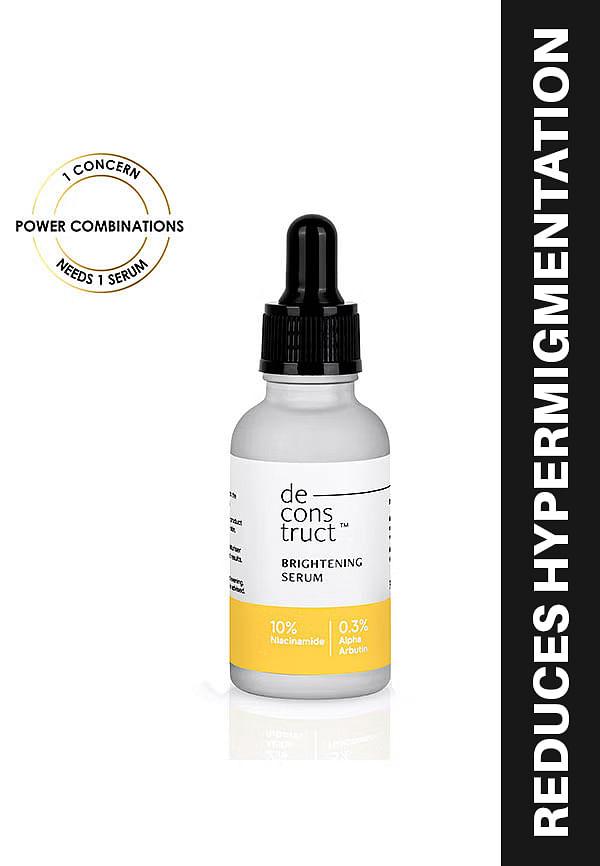 30 ml
30 mlBrightening Face Serum for Pigmentation & Dark Spots Removal
You've been staring at those stubborn dark patches on your face for months now, wondering if they'll ever fade. Maybe it started with a particularly aggressive breakout that left marks behind, or perhaps you noticed new spots appearing after that beach holiday where you forgot to reapply sunscreen. Whatever the cause, you're not alone in asking: how can I remove pigmentation? The good news is that with the right approach and realistic expectations, most types of hyperpigmentation can be significantly improved or even eliminated entirely.
Pigmentation occurs when your skin produces too much melanin—the natural pigment that gives your skin its colour. Think of melanin as your skin's built-in defence system against UV damage. When this system goes into overdrive or gets triggered inappropriately, you end up with those frustrating dark spots and uneven patches. The most common pigmentation causes include sun exposure, hormonal fluctuations (hello, pregnancy mask), post-inflammatory responses from acne or injuries, and simply getting older. Your genetics also play a role—some people are naturally more prone to developing skin discoloration than others. There are several types of pigmentation you might be dealing with. Melasma typically appears as symmetrical brown patches on the face, often triggered by hormonal changes or sun exposure. Post-inflammatory hyperpigmentation (PIH) shows up after your skin has been injured or inflamed—think acne marks or mosquito bite scars. Age spots, also called solar lentigines, are those flat brown spots that appear on sun-exposed areas over time. Understanding what type of pigmentation you have is crucial because different types respond better to different treatments. The depth of the pigmentation also matters—surface-level discolouration fades more quickly than deeper, embedded pigment.
Whilst professional treatments often deliver faster results, there are several effective natural remedies for pigmentation you can try at home. The key is consistency and patience—natural methods work more gradually but can be gentler on sensitive skin. Vitamin C is your skin's best friend when it comes to brightening and protection. Look for serums containing L-ascorbic acid or magnesium ascorbyl phosphate. Vitamin C for skin works by inhibiting tyrosinase, the enzyme responsible for melanin production, whilst also providing antioxidant protection against future damage. Several natural ingredients have shown promise in skin brightening methods. Aloe vera contains compounds that can help fade dark spots whilst soothing inflammation. Turmeric has been used for centuries in traditional skincare—its active compound curcumin has anti-inflammatory and skin-brightening properties. Licorice extract contains glabridin, which can help inhibit melanin production. Gentle exfoliation is crucial for encouraging cell turnover and revealing brighter skin underneath. You can create a natural lactic acid treatment using plain yoghurt—the natural acids help dissolve dead skin cells. Green tea contains polyphenols that protect against UV damage and may help reduce existing pigmentation. However, be cautious with DIY remedies. Lemon juice, whilst containing natural acids, can actually make pigmentation worse if you go in the sun afterwards. Always patch test new ingredients and remember that natural doesn't always mean safe for everyone. Realistic expectations are important here. Most natural remedies require 3-4 months of consistent use before you'll see noticeable improvement in uneven skin tone correction.
When home remedies aren't cutting it, professional hyperpigmentation treatment options can provide more dramatic and faster results. These treatments work by either removing pigmented skin layers or breaking down melanin deposits more aggressively.
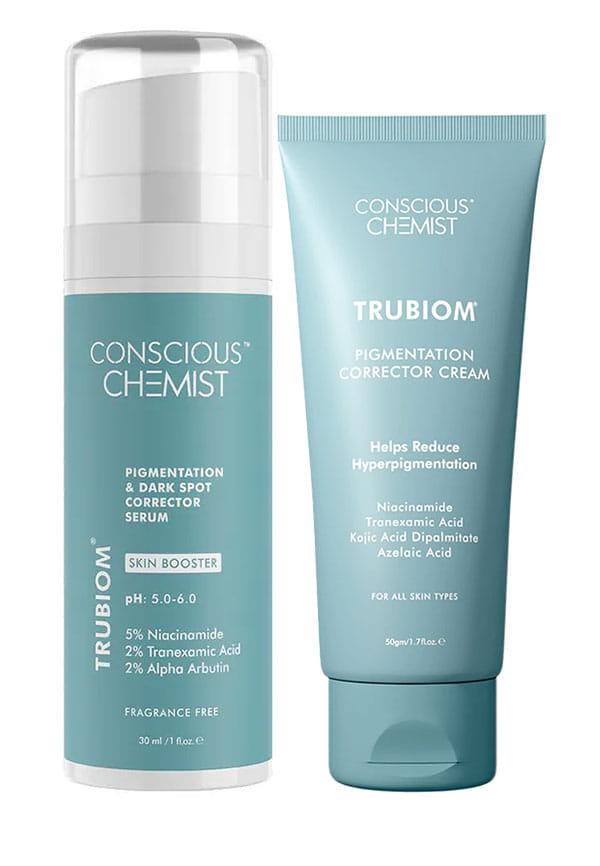 Combo
ComboNiacinamide Serum + 1% Zinc & Pigmentation Corrector Moisturiser For Dark Spots Combo
Chemical peels use acids to remove the top layers of skin, taking pigmented cells with them. Glycolic acid peels are popular for their ability to penetrate deeply and stimulate cell turnover. Lactic acid peels are gentler and better suited for sensitive skin. TCA (trichloroacetic acid) peels are stronger and used for deeper pigmentation but require more downtime. The process involves applying the acid solution to clean skin, leaving it on for a specific time, then neutralising it. You'll experience some peeling and redness for several days afterwards, but the result is fresher, more even-toned skin.
Laser treatments target melanin directly, breaking it down so your body can naturally eliminate it. Picolasers use ultra-short pulses to shatter pigment particles without damaging surrounding tissue. Q-switch lasers are effective for deeper pigmentation and age spots. IPL (Intense Pulsed Light) uses broad-spectrum light to target pigmented areas. It's gentler than traditional lasers but may require more sessions for optimal results. These treatments typically require multiple sessions spaced several weeks apart.
Many dermatologists now combine treatments for better results. You might have a chemical peel followed by laser therapy, or use prescription topicals alongside professional procedures. This multi-modal approach often delivers superior melanin reduction compared to single treatments.
Not all skincare ingredients are created equal when it comes to tackling pigmentation. Here are the proven performers that dermatologists recommend for the best skincare for pigmentation. Hydroquinone remains the gold standard for stubborn pigmentation. This ingredient works by inhibiting tyrosinase, effectively putting the brakes on melanin production. It's available in 2% concentrations over-the-counter and higher strengths by prescription. However, it can be irritating and isn't suitable for long-term use. Retinoids, including retinol and prescription tretinoin, accelerate cell turnover and help fade dark spots by bringing fresh, unpigmented cells to the surface faster. They also help prevent new pigmentation from forming. Start slowly with retinoids—they can cause irritation initially. Azelaic acid is a gentle yet effective option that works by inhibiting melanin production whilst also providing anti-inflammatory benefits. It's particularly good for those with sensitive skin or rosacea alongside pigmentation concerns. Kojic acid, derived from fungi, is a natural tyrosinase inhibitor. It's gentler than hydroquinone but can still cause sensitivity in some people. Tranexamic acid is a newer ingredient that's showing impressive results for melasma and other stubborn pigmentation. When layering these ingredients, timing matters. Use vitamin C in the morning under sunscreen, and save retinoids and acids for evening use. Never combine certain ingredients—like vitamin C and retinol—in the same routine as they can neutralise each other or cause irritation.
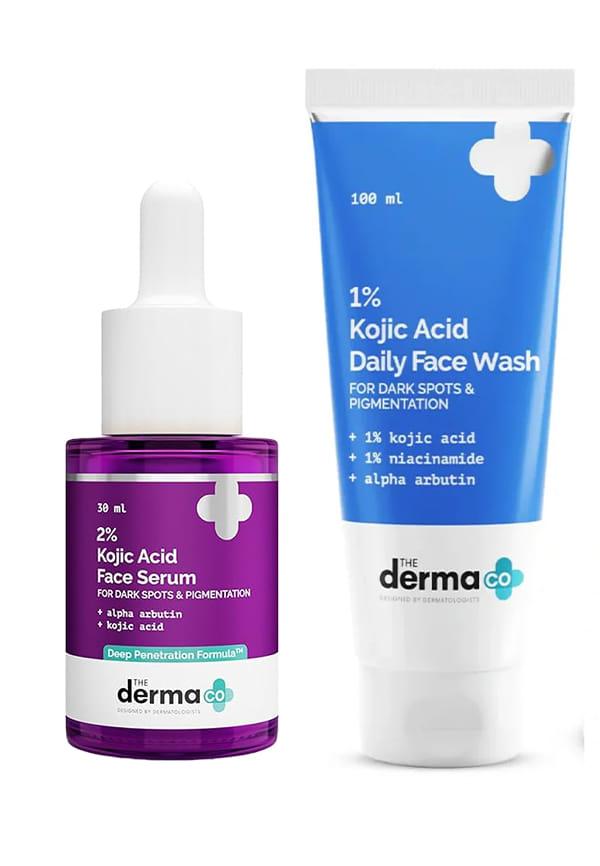 Combo
ComboUltimate Kojic Acid Duo For Pigmentation
One of the most common questions about uneven skin tone correction is timing. The truth is, pigmentation removal is a marathon, not a sprint, and several factors influence how quickly you'll see results. During the first month, you're mainly preparing your skin and building tolerance to active ingredients. Don't expect dramatic changes yet—this is foundation-building time. Your skin might actually look slightly worse initially as treatments bring deeper pigmentation to the surface. Months two and three are when you'll start noticing the first real improvements. Dark spots may begin to lighten, and your overall skin tone should start looking more even. This is when consistency really pays off—skipping treatments now can slow your progress significantly. By months four to six, you should see significant visible results if you've been consistent with your routine. Some lighter pigmentation may be completely gone, whilst deeper spots should be noticeably faded. Several factors affect how quickly your pigmentation responds to treatment. Deeper pigmentation takes longer to fade than surface-level discolouration. Your skin type also matters—some people naturally have faster cell turnover rates. The type of pigmentation makes a difference too—post-inflammatory hyperpigmentation often responds faster than melasma. Professional treatments typically show results faster than at-home methods, but they also come with more potential side effects and downtime. The key is finding the right balance for your skin type, lifestyle, and budget.
Here's the uncomfortable truth: all the treatments in the world won't help if you're not protecting your skin from further UV damage. Sun protection isn't just about preventing new pigmentation—it's about stopping existing spots from getting darker. UV rays trigger melanin reduction by stimulating melanocytes to produce more pigment. Even on cloudy days, up to 80% of UV rays can penetrate through clouds. This means your pigmentation can worsen even when you think you're not getting sun exposure. A broad-spectrum SPF 30 or higher is non-negotiable if you're serious about treating pigmentation. Look for sunscreens containing zinc oxide or titanium dioxide—these physical blockers are less likely to cause irritation on already-sensitive, treated skin. Reapplication is crucial. Most people apply far less sunscreen than needed and forget to reapply throughout the day. You need about a quarter teaspoon for your face alone, and it should be reapplied every two hours or immediately after sweating or swimming. Antioxidants like vitamin C, vitamin E, and niacinamide can provide additional protection against free radical damage from UV exposure. Think of them as your skin's backup defence system.
For the fastest results, professional treatments like chemical peels, laser therapy, or prescription-strength hydroquinone typically show improvement within 4-6 weeks. However, 'fast' is relative when it comes to pigmentation—even the most aggressive treatments require multiple sessions and several months for optimal results. Combination approaches, using both professional treatments and effective home care, tend to deliver the quickest visible improvements.
Whilst many types of pigmentation can be significantly faded or eliminated, 'permanent' removal depends on several factors. Post-inflammatory hyperpigmentation often responds very well to treatment and may not return if you avoid the triggering factors. However, conditions like melasma tend to be chronic and may require ongoing maintenance. Sun-induced pigmentation can be removed, but new spots will develop without proper protection. The key is consistent treatment and prevention.
 Combo
ComboPigmentation Correction & Barrier Protection Kit
The 'best' cream depends on your skin type and pigmentation severity. For over-the-counter options, look for products containing 2% hydroquinone, vitamin C, retinol, or azelaic acid. Prescription options like tretinoin or higher-strength hydroquinone are more effective for stubborn pigmentation. Many dermatologists recommend combination products that include multiple active ingredients for comprehensive treatment.
Unfortunately, removing pigmentation in just one week isn't realistic with any safe method. Pigmentation develops over time and requires time to fade. In one week, you can start a proper treatment routine, begin using sunscreen religiously, and perhaps see very minor improvements if you're using strong actives. Setting realistic expectations is crucial—most effective treatments require 8-12 weeks minimum for noticeable results.
Several factors could be contributing to extensive facial pigmentation. Sun exposure is the most common culprit, especially if you've had years of inadequate protection. Hormonal changes from pregnancy, birth control, or menopause can trigger melasma. Genetics play a role—some ethnicities are more prone to pigmentation. Certain medications, skincare products, or underlying health conditions can also cause increased pigmentation. If you're concerned about sudden or extensive pigmentation changes, consult a dermatologist to rule out underlying causes.
Removing pigmentation is absolutely possible, but it requires patience, consistency, and the right approach for your specific skin type and concerns. Whether you choose natural remedies, professional treatments, or a combination of both, the most important factor is sticking with your routine and protecting your skin from further damage. Remember that everyone's skin responds differently to treatment. What works brilliantly for your friend might not be the best option for you. Don't be discouraged if the first treatment you try doesn't deliver immediate results—pigmentation treatment often involves some trial and adjustment to find your perfect routine. If you're curious about trying different skincare ingredients and brands to find what works best for your pigmentation concerns, platforms like Smytten offer a smart way to explore products before committing to full sizes. With access to trusted brands and the ability to test formulations, you can build an effective routine without the guesswork. After all, finding the right products for your unique skin shouldn't involve expensive mistakes—it should be an exciting journey of discovery.
