Home Remedies for Pigmentation on Face: Your FAQ Answered


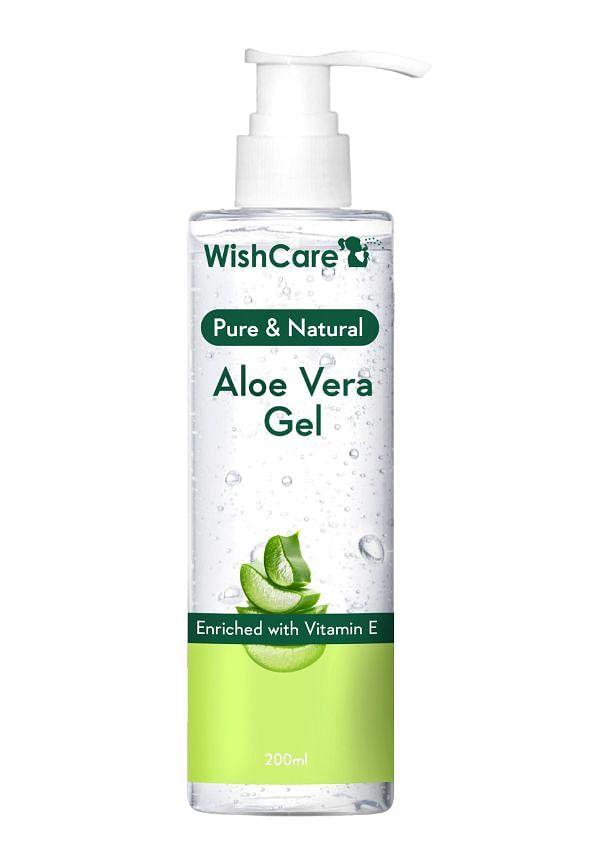 200 ml
Pure & Natural Aloe Vera Gel
Let's be real—dealing with dark spots and uneven skin tone can feel like an uphill battle. Whether it's those stubborn marks from last summer's sun exposure or post-acne pigmentation that just won't budge, facial pigmentation is one of those skincare concerns that affects most of us at some point. The good news? Your kitchen might already have some powerful allies waiting to help. Home remedies for pigmentation on face have been trusted for generations, and many actually have solid science backing them up. From turmeric masks your grandmother swore by to modern DIY treatments using ingredients like aloe vera and potato juice, natural solutions can be surprisingly effective when used consistently and correctly.
Before diving into remedies, it's worth understanding what you're actually dealing with. Facial pigmentation causes range from the obvious (hello, sun damage) to the sneaky (hormonal changes that seem to come out of nowhere). When your skin produces excess melanin—the pigment that gives your skin its colour—it can cluster in certain areas, creating those darker patches we call hyperpigmentation.
Sun exposure tops the list as the biggest culprit. Those UV rays don't just cause immediate tanning—they can trigger long-term pigmentation that shows up months or even years later. Hormonal changes, especially during pregnancy or when starting new contraceptives, can cause melasma—those symmetrical brown patches that often appear on the cheeks and forehead.
Post-inflammatory hyperpigmentation is another major player. This happens when your skin darkens after any kind of injury or inflammation, which is why acne often leaves behind dark marks even after the spots themselves have healed. Age spots, despite their name, aren't just about getting older—they're actually cumulative sun damage that becomes more visible over time.
Not all pigmentation is created equal. Melasma tends to be deeper and more stubborn, often requiring patience and consistent treatment. Age spots are usually surface-level and respond well to gentle exfoliation and brightening ingredients. Post-acne marks can vary—some fade naturally over time, while others need a bit more encouragement.
Now for the good stuff—natural remedies that have both traditional wisdom and modern research on their side. These aren't miracle cures, but with consistent use, they can make a real difference to your skin's appearance and overall tone.
Fresh aloe vera gel contains a compound called aloin, which has natural depigmenting properties. It's incredibly gentle, making it perfect for sensitive skin types who can't tolerate stronger treatments.
Apply fresh aloe vera gel directly to clean skin and leave it on overnight. The beauty of aloe is that it's also deeply moisturising, so you're treating pigmentation while keeping your skin barrier healthy. Most people start seeing subtle improvements after 4-6 weeks of nightly use.
Turmeric contains curcumin, a powerful anti-inflammatory compound that can help fade dark spots while preventing new ones from forming. Mix half a teaspoon of turmeric powder with a tablespoon of honey to create a paste.
Apply this mixture to affected areas and leave for 10-15 minutes before rinsing with lukewarm water. Use this mask 2-3 times a week. Fair warning—turmeric can temporarily stain your skin yellow, so do this treatment in the evening and make sure to rinse thoroughly.
Potatoes contain an enzyme called catecholase, which has natural lightening properties. You can either grate a potato and squeeze out the juice, or simply cut a potato in half and rub the cut surface directly onto your skin.
Apply potato juice twice daily—morning and evening—and let it sit for 10-15 minutes before rinsing. It's one of the gentlest natural remedies for dark spots, suitable for all skin types including sensitive skin.
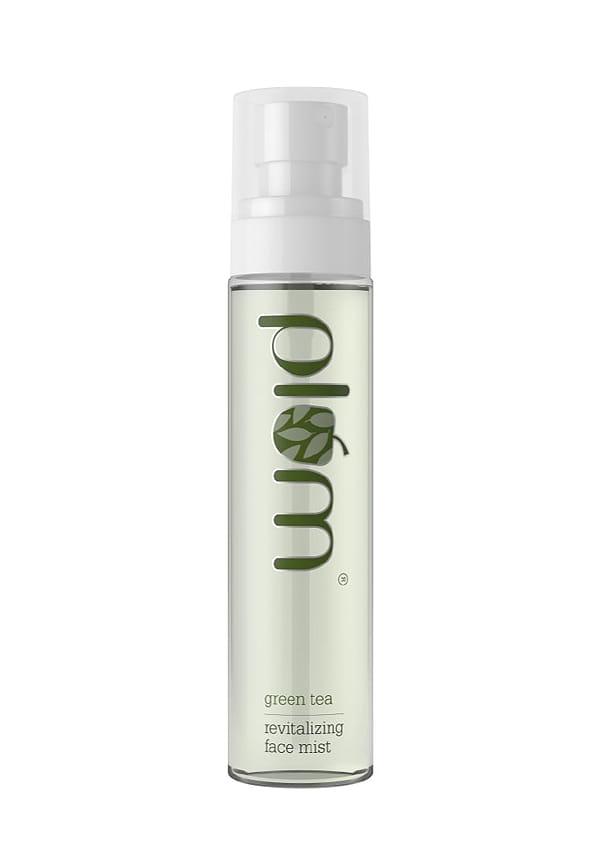 100 ml
Green Tea Revitalizing Face Mist
The acetic acid in apple cider vinegar provides mild exfoliation, helping to fade surface pigmentation over time. Always dilute it with equal parts water—undiluted ACV can be too harsh and actually cause more pigmentation.
Apply the diluted mixture with a cotton pad, leave for 2-3 minutes maximum, then rinse thoroughly. Start with once every other day to see how your skin responds. If you have sensitive skin, do a patch test first.
For those dealing with more persistent dark spots, these slightly more intensive natural treatments might be worth exploring. They require a bit more preparation but can be particularly effective for uneven skin tone treatment.
Green tea is packed with antioxidants that can help repair damaged skin cells. Brew strong green tea, let it cool, then soak cotton pads in the liquid and apply to pigmented areas for 15-20 minutes.
Milk contains lactic acid, a gentle alpha hydroxy acid that provides mild exfoliation. You can alternate between green tea compresses and milk compresses, or even mix the two for a combined treatment.
Rice water has been used in Asian skincare for centuries. It contains kojic acid, which has natural skin-brightening properties. Save the water from rinsing rice before cooking, let it sit for 30 minutes to ferment slightly, then use it as a toner.
Apply rice water with a cotton pad after cleansing, morning and evening. It's incredibly gentle and can be used daily without irritation.
Consistency is everything when it comes to natural pigmentation treatment. Random applications won't give you the results you're after—you need a structured approach that becomes second nature.
Start with gentle cleansing using a mild, non-stripping cleanser. Apply your chosen natural remedy—potato juice works well in the morning as it's lightweight and absorbs quickly. Always finish with broad-spectrum SPF 30 or higher sunscreen.
This last step is non-negotiable. Without proper sun protection, you're essentially undoing all your hard work. UV exposure will darken existing pigmentation and create new spots faster than any remedy can fade them.
Evenings are perfect for more intensive treatments. After cleansing, apply aloe vera gel or your chosen mask treatment. This is also when you can use slightly more potent remedies like diluted apple cider vinegar or turmeric masks.
For an extra boost, try a gentle massage with coconut oil mixed with a few drops of vitamin E oil. This combination helps with cell turnover and provides deep moisture to support your skin's natural healing process.
Once or twice a week, give your skin some extra attention with a more intensive treatment. This could be a longer turmeric mask, a rice water soak, or a gentle exfoliation with oatmeal mixed with honey.
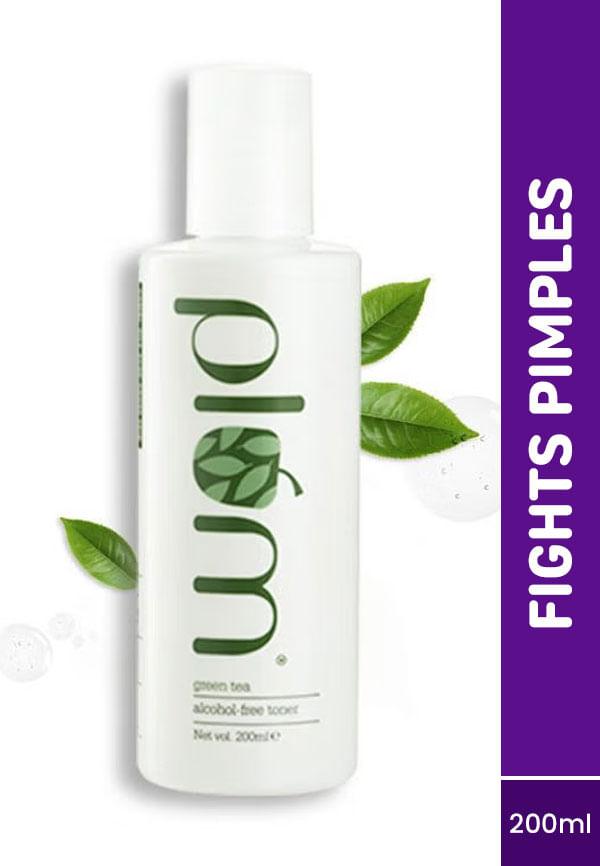 200 ml
Green Tea Alcohol-Free Toner
Let's set realistic expectations here. Natural remedies work, but they're not overnight miracles. Understanding timelines helps you stay consistent and avoid the frustration that leads to giving up too early.
In the first 1-2 weeks, you might notice your skin feeling softer and looking slightly brighter overall. This isn't necessarily pigmentation fading yet—it's your skin responding to the gentle care and improved hydration.
Weeks 3-4 are when you might start seeing subtle changes in lighter spots. Deeper pigmentation will take longer, but even stubborn marks should show some improvement by the 6-8 week mark with consistent treatment.
Your skin type plays a huge role in how quickly you see results. Oily skin tends to have faster cell turnover, so treatments may work more quickly. Dry or mature skin might need more time and extra moisturising support.
The age and depth of your pigmentation also matter. Fresh post-acne marks often respond faster than years-old sun spots. Hormonal pigmentation like melasma can be particularly stubborn and may require ongoing maintenance rather than a complete cure.
Natural doesn't automatically mean safe for everyone. Even gentle ingredients can cause reactions, especially if you have sensitive skin or allergies. Taking a few precautions upfront can save you from setbacks later.
Before trying any new remedy, test it on a small patch of skin—the inside of your wrist or behind your ear works well. Apply a small amount and wait 24-48 hours to see if any redness, itching, or irritation develops.
This is especially important for ingredients like lemon juice, apple cider vinegar, or essential oils, which can be more reactive than gentler options like aloe vera or potato juice.
If you experience persistent redness, burning, or any worsening of pigmentation, stop the treatment immediately. Sometimes what looks like a reaction is actually your skin purging, but if symptoms persist beyond a few days, it's time to reassess.
Also, if you've been consistent with natural treatments for 3-4 months without seeing any improvement, it might be worth consulting a dermatologist. Some types of pigmentation need professional intervention to see real results.
Your skincare routine is just one piece of the puzzle. What you do during the day—and what you eat—can significantly impact how well your natural remedies work and how quickly you see results.
Sunscreen is essential, but it's not the only way to protect your skin. Wide-brimmed hats, sunglasses, and seeking shade during peak UV hours (10 AM to 4 PM) all help prevent new pigmentation from forming.
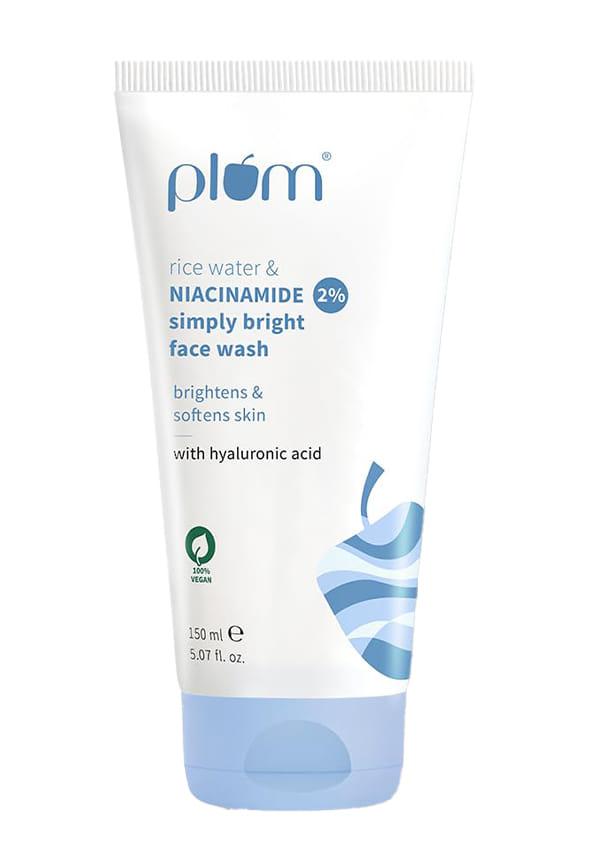 150 gm
Simply Bright 2% Niacinamide Face Wash With Rice Water
Remember that UV rays can penetrate windows, so even if you're indoors most of the day, you still need that morning sunscreen application. Reapply every 2-3 hours if you're spending time near windows or outdoors.
Vitamin C-rich foods like citrus fruits, berries, and leafy greens support your skin's natural repair processes. Antioxidant-rich foods help protect against further damage while your treatments work on existing pigmentation.
Staying well-hydrated also supports healthy cell turnover, which helps pigmented cells shed more efficiently and be replaced by fresh, evenly-toned skin.
The most effective approach combines daily aloe vera gel application, potato juice treatments twice daily, and weekly turmeric-honey masks. Always use broad-spectrum sunscreen during the day. Consistency is key—most people see improvements after 4-6 weeks of regular use.
Sun exposure is the primary cause, followed by hormonal changes, post-acne inflammation, and natural ageing. Prevention involves daily SPF 30+ sunscreen, protective clothing, avoiding peak sun hours, and gentle skincare practices that don't irritate the skin.
Potato juice and aloe vera gel tend to show the quickest results because they're gentle enough for daily use. Combined with proper sun protection, you might notice subtle improvements in 2-3 weeks, with more significant changes after 6-8 weeks of consistent application.
Yes, turmeric contains curcumin, which has anti-inflammatory and mild depigmenting properties. Mix with honey or milk for a gentle mask, use 2-3 times weekly, and expect gradual lightening over 6-8 weeks. Always patch test first as turmeric can temporarily stain the skin.
Light, surface-level spots may improve in 2-4 weeks. Moderate pigmentation typically takes 6-8 weeks for visible changes. Deep or old pigmentation can take 3-6 months of consistent treatment. Hormonal pigmentation like melasma often requires ongoing maintenance rather than complete removal.
Most natural remedies are gentle, but some people may experience irritation from acidic ingredients like lemon juice or apple cider vinegar. Always patch test new ingredients, start with less frequent applications, and stop if you experience persistent redness, burning, or worsening pigmentation.
Natural remedies for facial pigmentation can be genuinely effective when used consistently and correctly. The key is understanding that these treatments work gradually—you're supporting your skin's natural renewal process rather than forcing dramatic overnight changes. Aloe vera, potato juice, turmeric, and other kitchen staples have real science behind them, but they require patience and proper application.
Remember that sun protection is absolutely crucial for any pigmentation treatment to work. Without it, you're fighting a losing battle. And while you're working on fading existing spots with natural remedies, platforms like Smytten make it easy to explore professional skincare products that might complement your routine. With over 1,500 trusted brands and the ability to try products before committing to full sizes, you can discover what works best for your unique skin needs. After all, why settle for maybe when you can Try It All and find the perfect combination of natural and professional treatments for your skin?
