High Altitude Skincare FAQ: Managing Dry Skin in India


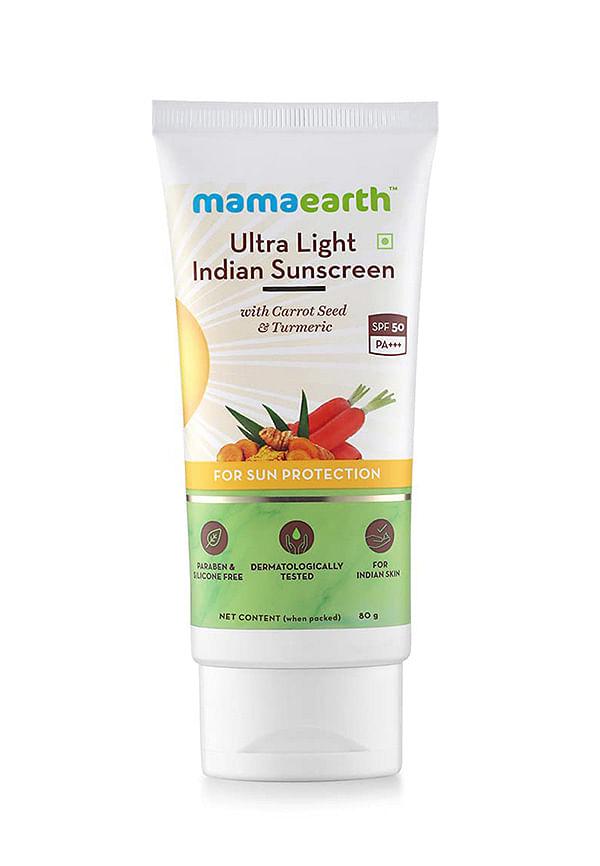
Ultra Light indian Sunscreen
Ever noticed how your skin feels like sandpaper after just one day in the mountains? You're not imagining it. High altitude environments can wreak havoc on your skin's hydration levels, leaving you with tightness, flaking, and that uncomfortable stretched feeling. Whether you're planning a trek to Ladakh, a weekend in Shimla, or an extended stay in Darjeeling, understanding what happens to your skin at elevation is the first step to keeping it comfortable and healthy.
When you ascend to higher elevations, your skin faces a perfect storm of challenging conditions that can rapidly deplete its moisture reserves. The combination of environmental factors at altitude creates a uniquely harsh environment for skin health.
At elevations above 2,500 metres, humidity levels often drop below 20%, compared to the 40-60% your skin is accustomed to at sea level. This dramatic decrease means moisture evaporates from your skin's surface much faster than usual. Reduced atmospheric pressure compounds this effect by making it easier for water molecules to escape from your skin. The sun's rays become significantly more intense with every 300 metres of elevation gain. UV radiation increases by approximately 4% per 300 metres, meaning your skin faces much stronger oxidative stress. Wind velocity at high altitudes further accelerates moisture loss by constantly moving dry air across your skin's surface, creating a wind-chill effect that strips away your natural protective oils.
Dehydrated skin manifests differently from simply dry skin. You might notice your skin feels tight immediately after cleansing, fine lines appear more pronounced, and your complexion looks dull or ashy. The skin's barrier function weakens rapidly, leading to increased sensitivity to products that never bothered you before. Many travellers report their skin becoming reactive to ingredients like fragrances or acids that they normally tolerate well. This happens because the compromised moisture barrier allows irritants to penetrate more easily. Accelerated moisture loss patterns mean you might need to moisturise three to four times more frequently than usual.
Understanding the physiological changes happening in your skin helps explain why your usual routine might not cut it in the mountains. Your skin's response to altitude is immediate and measurable.
Transepidermal water loss (TEWL) can increase by up to 25% within hours of reaching high altitude. This means water literally evaporates through your skin at a much faster rate than normal. Your skin's natural water content, particularly in the stratum corneum (outermost layer), drops significantly. Your sebaceous glands may initially reduce oil production as your body adjusts to the new environment. This temporary decrease in natural oils means your skin loses its protective lipid barrier right when it needs it most. The combination of increased water loss and decreased oil production creates the perfect conditions for severe dehydration.
The Himalayan climate presents extreme conditions with temperatures that can swing dramatically between day and night. During winter months, humidity can drop to single digits in places like Leh or upper Himachal Pradesh. Even popular hill stations like Mussoorie or Nainital experience significant humidity drops during peak tourist seasons. Seasonal variations add another layer of complexity. Monsoon season in the Western Ghats creates high humidity at elevation, but the constant moisture can actually disrupt your skin's natural barrier function in a different way. Post-monsoon periods often bring sudden dry spells that catch your skin unprepared.
Adapting your skincare routine for high altitude requires strategic planning and the right products. The key is building up your skin's resilience before you travel and maintaining intensive hydration throughout your stay.
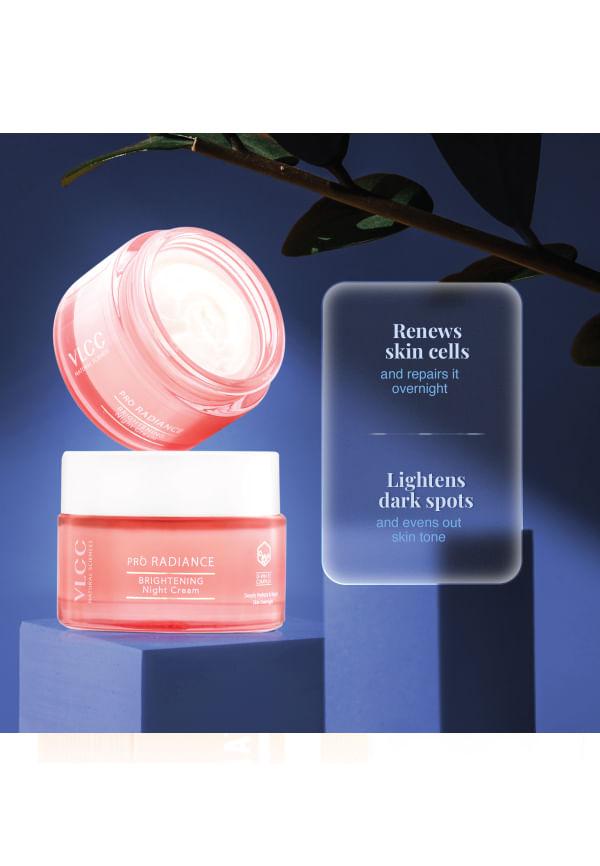
Pro Radiance Skin Brightening Night Cream Deeply Hydrate & Repair Skin Overnight
Start strengthening your skin barrier at least two weeks before your mountain trip. Introduce ceramide-rich moisturisers and hyaluronic acid serums gradually to build up your skin's water-holding capacity. Consider using a gentle facial oil in the evenings to boost your skin's lipid content. Avoid any new active ingredients like retinoids or strong acids in the weeks leading up to your trip. Your skin needs to be in its strongest, most stable state before facing altitude challenges. Focus on gentle, hydrating products that support your natural barrier function.
Morning routines at altitude should prioritise protection and hydration. Start with a gentle, cream-based cleanser that won't strip your skin. Follow with a hydrating serum containing hyaluronic acid, then layer a thick, occlusive moisturiser. Never skip SPF 50+ sunscreen, even on cloudy days. Evening routines focus on repair and intensive hydration. Double cleansing becomes crucial to remove sunscreen and environmental pollutants without over-cleansing. Apply repair serums with niacinamide or peptides, then seal everything in with an overnight hydration mask or heavy night cream.
Hyaluronic acid can hold up to 1,000 times its weight in water, making it essential for altitude skincare. Look for products with multiple molecular weights of hyaluronic acid for both surface and deep hydration. Ceramides help rebuild your compromised moisture barrier by replenishing the lipids that hold your skin cells together. Vitamin C serves double duty by protecting against increased UV exposure while supporting collagen production. Natural oils like jojoba, rosehip, or marula provide essential fatty acids that support barrier repair. For Indian skin types, lighter oils often work better than heavy, comedogenic options.
When your skin is already compromised from altitude exposure, you need immediate relief strategies alongside long-term maintenance approaches. Quick intervention can prevent minor dryness from becoming painful cracking or irritation.
For emergency hydration, apply a hydrating serum to damp skin, then immediately layer a thick moisturiser on top. This technique, called wet skin application, helps trap extra moisture. Keep a facial mist handy for quick hydration boosts throughout the day. If you're dealing with cracked or raw skin from wind exposure, look for products with healing ingredients like panthenol or allantoin. Avoid anything with alcohol, strong fragrances, or acids until your skin barrier recovers. Sometimes a simple layer of petroleum jelly over your moisturiser at night provides the occlusive protection your skin desperately needs.
Gradual acclimatisation works for skin just like it does for your lungs and cardiovascular system. If you're staying at altitude for an extended period, your skin will eventually adjust its oil production and barrier function. This process typically takes 2-3 weeks. Seasonal adjustments become important for people living in hill stations year-round. Winter routines need heavier, more occlusive products, while summer might allow for lighter formulations. Professional treatments like hydrating facials or barrier repair treatments are increasingly available in popular Indian mountain destinations.
Choosing the right products for mountain travel involves balancing effectiveness with practicality. You need products that work harder than usual while being travel-friendly and suitable for varying conditions.
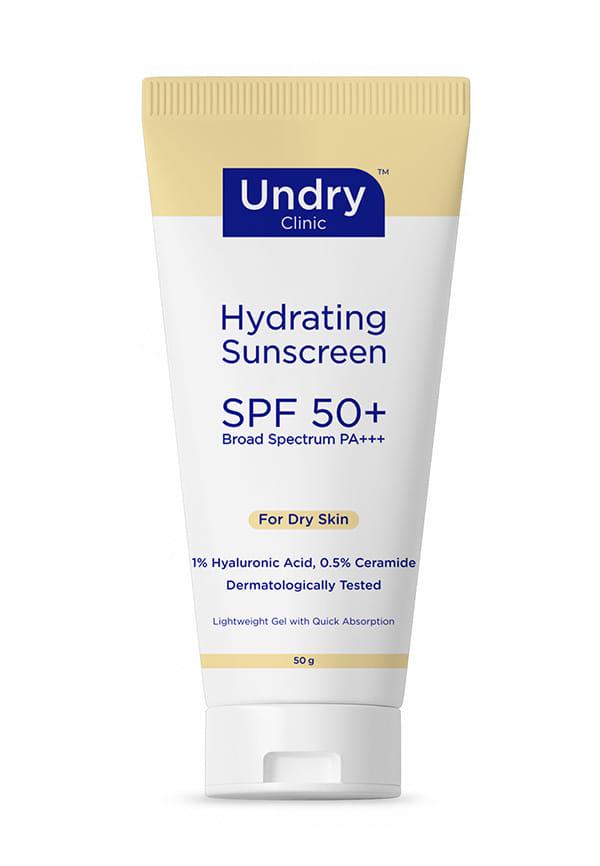
Hydrating Sunscreen for Dry Skin SPF 50
Thick, occlusive moisturisers generally outperform lightweight hydrators at altitude, even for oily skin types. Look for creams with ingredients like shea butter, glycerin, and dimethicone that create a protective seal over your skin. Multi-purpose products like tinted moisturisers with SPF can simplify your routine without compromising protection. Natural ingredients often perform well at altitude because they tend to be gentler on compromised skin. However, synthetic ingredients like hyaluronic acid and ceramides are scientifically proven to address altitude-specific skin challenges. The best approach combines both natural and synthetic ingredients based on your skin's specific needs.
Layering becomes crucial at altitude. Apply products from thinnest to thickest consistency, allowing each layer to absorb before adding the next. Press products into your skin rather than rubbing, which can cause irritation on already sensitive skin. Reapplication frequency needs to increase significantly. Plan to moisturise at least three times daily, and reapply sunscreen every two hours without fail. Night-time intensive repair protocols might include facial oils, overnight masks, or even sleeping with a humidifier to add moisture to the air around your skin.
Different mountain regions across India present unique challenges that require tailored skincare approaches. Understanding these regional variations helps you prepare more effectively for your specific destination.
The extreme cold and dry conditions in places like Ladakh, Spiti Valley, or upper Himachal Pradesh create the harshest environment for skin. Temperatures can drop below freezing while humidity remains in single digits. Snow glare intensifies UV exposure, requiring extra diligent sun protection. Wind chill becomes a major factor, making exposed skin feel even drier and more irritated. Many travellers find that covering their face with a scarf or balaclava helps, but this can also trap moisture and cause different skin issues. Finding the right balance of protection and breathability becomes crucial.
Monsoon impact creates unique challenges in the Western Ghats. High humidity combined with altitude can lead to fungal issues or clogged pores, especially if you're using heavy, occlusive products designed for dry conditions. Post-monsoon periods bring sudden humidity drops that can shock skin accustomed to moisture. The Eastern Ghats and hill stations like Ooty or Kodaikanal experience more moderate altitude effects, but the combination of elevation and tropical climate creates its own set of challenges. Skin might need lighter hydration during humid periods but intensive care during dry seasons.
Shimla and Manali present classic high-altitude dry skin challenges, especially during winter months when tourism peaks. The combination of cold temperatures, low humidity, and increased indoor heating creates perfect conditions for severe skin dehydration. Darjeeling's unique microclimate, with its frequent mists and temperature variations, requires adaptable skincare routines. Your skin might need different products depending on whether you're experiencing a clear, sunny day or a misty, humid period.
Aim for at least 3-4 litres of water daily at high altitude, compared to the usual 2-2.5 litres at sea level. However, drinking water alone won't solve skin dehydration. You need topical hydration through proper skincare products to directly address moisture loss from your skin's surface.
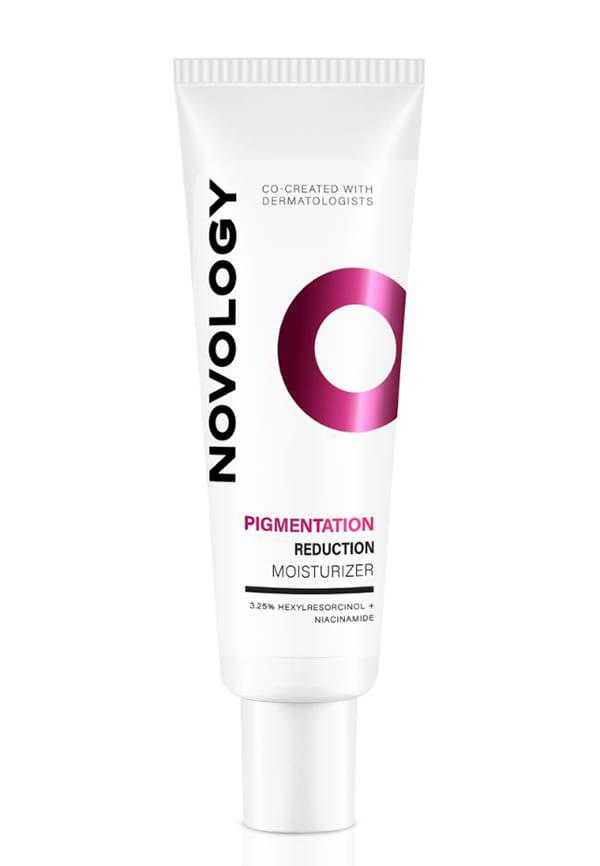
Pigmentation Moisturiser, Face Cream for Hyperpigmentation & Dark Spots
While staying hydrated internally is important, drinking water doesn't directly translate to skin hydration. Your skin loses moisture through evaporation at the surface level, which requires topical moisturisers and barrier repair products to address effectively.
Your regular routine likely won't provide enough hydration and protection at altitude. You'll need to add more moisturising steps, use heavier products, and increase application frequency. However, avoid introducing completely new products that your skin hasn't tested before.
Plan to moisturise at least three times daily at high altitude - morning, afternoon, and evening. Some people need to reapply every few hours, especially if they're spending time outdoors. Listen to your skin and adjust frequency based on how tight or dry it feels.
Low humidity and increased UV exposure at altitude compromise your skin's natural barrier function. When your skin loses moisture faster than it can replenish it, the outer layer becomes brittle and prone to cracking. Wind exposure accelerates this process by constantly removing moisture from your skin's surface.
Most people's skin begins adapting within 2-3 weeks of consistent altitude exposure. Your sebaceous glands gradually adjust oil production, and your skin barrier strengthens with proper care. However, you'll still need more intensive skincare than you would at sea level.
Hot water strips your skin of natural oils, which is particularly problematic when your skin is already struggling with moisture loss at altitude. Use lukewarm water for shorter shower durations, and apply moisturiser immediately while your skin is still damp to lock in hydration.
Start preparing your skin 2 weeks before travel with barrier-strengthening products. Pack heavy-duty moisturisers, hydrating serums, and high SPF sunscreen. Maintain consistent hydration throughout your trip, and avoid harsh products or over-cleansing.
Seek professional help if you experience severe cracking, bleeding, persistent irritation, or signs of infection like swelling or pus. If your skin doesn't improve within a week of returning to sea level, or if you develop new sensitivities that persist, consult a dermatologist.
Managing skin hydration at high altitude requires understanding, preparation, and the right products. Your skin faces unique challenges in India's mountain regions, from the extreme dryness of the Himalayas to the variable conditions of popular hill stations. The key is building up your skin's resilience before you travel and maintaining intensive care throughout your stay. Remember that altitude-induced skin changes are temporary with proper care. Focus on gentle, hydrating products that support your skin's natural barrier function. Layer your skincare products thoughtfully, increase application frequency, and never underestimate the importance of sun protection at elevation. For those looking to experiment with new products before committing to full sizes for their mountain adventures, Smytten's curated selection includes many of the hydrating serums, barrier repair creams, and protective sunscreens mentioned throughout this guide. With options from trusted brands and the ability to try before you invest, you can build the perfect high-altitude skincare routine with confidence. After all, your skin deserves the best care, whether you're at sea level or scaling new heights.
