Glycolic vs Lactic Acid for Sensitive Skin: Which is Best?

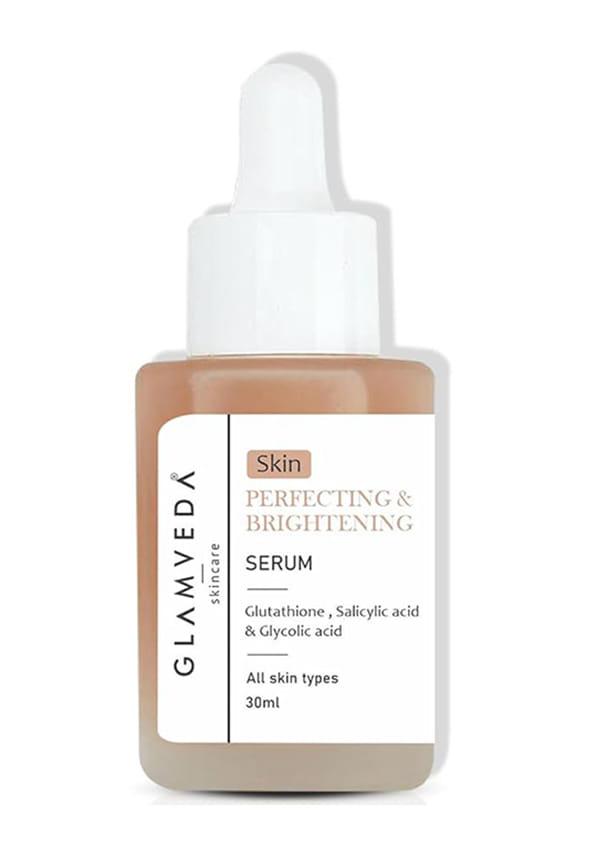 30 ml
30 mlGlutathione Skin Perfecting Face Serum with 2% ww Glycolic acid, 1% ww Salicylic acid
If you've got sensitive skin and you're scrolling through skincare TikTok, you've probably seen the endless debate about glycolic vs lactic acid for sensitive skin. Real talk—choosing between these two can feel like picking a favourite child when both promise glowing skin but one might leave you looking like a tomato. With nearly 60% of people claiming they have sensitive skin, finding the right chemical exfoliants for sensitive skin isn't just trendy—it's essential. Let's break down which acid deserves a spot in your routine without the drama of irritation or guesswork.
Before we dive into the glycolic vs lactic acid showdown, let's get clear on what we're actually dealing with. These aren't your typical scrubs that leave your face feeling like sandpaper—they're much smarter than that.
AHA for sensitive skin stands for alpha-hydroxy acids, and they're basically your skin's gentle nudge to get its act together. Instead of physically scrubbing away dead skin cells, these clever acids dissolve the bonds holding them together. Think of it like loosening a stuck jar lid—much easier than trying to force it off.
The magic happens at the cellular level. Gentle exfoliating acids speed up your skin's natural turnover process, revealing fresher, brighter skin underneath. For sensitive skin types, this process needs to be gradual and controlled—no shock treatments here.
Sensitive skin is basically your body's overprotective friend who freaks out at the smallest change. It has a compromised barrier function, which means it loses moisture faster and reacts more dramatically to active ingredients.
Common signs include redness, stinging, burning, or that tight feeling after using products. When it comes to exfoliating acids for skin, sensitive types need a much gentler approach—think slow and steady wins the race, not a sprint to the finish line.
Let's start with the overachiever of the AHA family. Glycolic acid for sensitive skin is like that friend who means well but sometimes comes on a bit too strong.
Derived from sugar cane, glycolic acid has the smallest molecular size of all AHAs. This tiny structure is both its superpower and its potential downfall for sensitive skin—it can penetrate deeper and work faster, but that also means higher irritation potential.
The small molecular size allows it to slip through your skin barrier more easily than other acids. For some, this means quicker results. For sensitive skin, it might mean hello, irritation.
When used correctly, glycolic acid benefits can be pretty impressive, even for reactive skin types:
Faster cell turnover: Reveals fresh skin more quickly than gentler acids
Collagen stimulation: Helps with fine lines and skin texture over time
Hyperpigmentation treatment: Effective at fading dark spots and acne marks
Pore appearance: Can help minimise the look of enlarged pores
Research shows glycolic acid can improve skin texture and reduce signs of ageing when used consistently. However, the key word here is 'when used correctly'—especially crucial for sensitive skin types.
Here's where things get real about glycolic acid and sensitive skin. The same properties that make it effective can also make it problematic:
Higher irritation risk: That deep penetration can trigger redness and peeling
Photosensitivity: Makes your skin more vulnerable to UV damage
Over-exfoliation risk: Easy to overdo it, leading to compromised skin barrier
Initial purging: Might cause temporary breakouts as skin adjusts
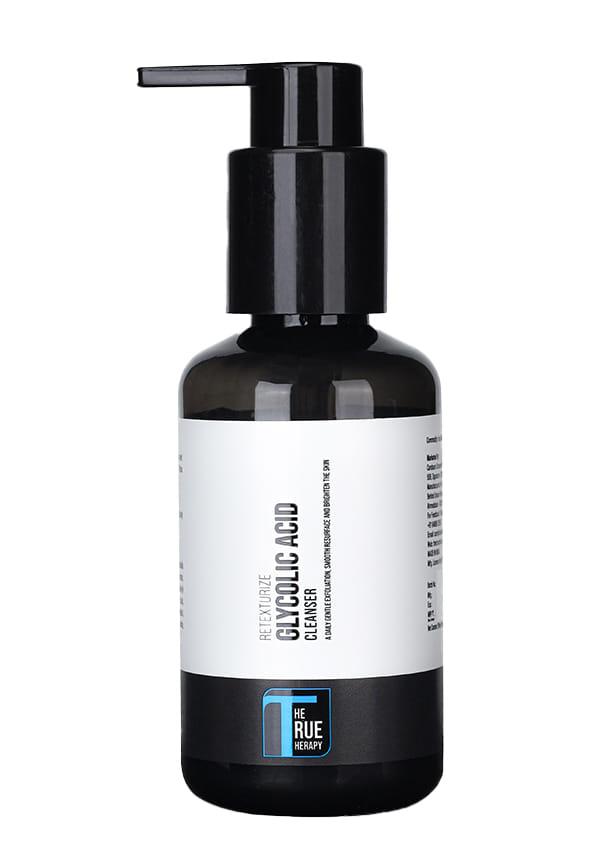 100 ml
Glycolic Acid Face Cleanser
Now let's chat about the gentler sibling in this acid family. Lactic acid for sensitive skin is like that friend who always knows exactly what to say—effective but never overwhelming.
Lactic acid comes from fermented milk (though don't worry, the skincare versions are usually synthetic). Its larger molecular size compared to glycolic acid means it doesn't penetrate as deeply, making it naturally gentler.
This bigger molecular structure is actually a feature, not a bug, when it comes to sensitive skin. It provides exfoliation benefits without the aggressive penetration that can trigger irritation.
The lactic acid benefits make it particularly appealing for sensitive skin types:
Gentle exfoliation: Removes dead skin cells without aggressive penetration
Hydrating properties: Actually helps skin retain moisture while exfoliating
Improved texture: Smooths skin surface gradually and gently
Brightening effect: Helps with dullness and uneven skin tone
Barrier support: Less likely to compromise your skin's protective barrier
What makes lactic acid special is its dual action—it exfoliates whilst also acting as a humectant, drawing moisture to the skin. This makes it ideal for sensitive skin that tends to be on the drier side.
Clinical studies consistently show lactic acid has better tolerance rates among sensitive skin types. Dermatologists often recommend it as a starter acid because it's less likely to cause the dramatic reactions that can put people off chemical exfoliation entirely.
The gentler nature means you can build tolerance more easily, making it perfect for those new to acids or anyone who's had bad experiences with harsher exfoliants in the past.
Time for the real showdown. When it comes to glycolic vs lactic acid for sensitive skin, the differences matter more than you might think.
Here's where science gets interesting. Glycolic acid's smaller molecular size (76 daltons) allows deeper penetration compared to lactic acid's larger structure (90 daltons). For sensitive skin, this difference is crucial.
Think of it like this: glycolic acid is the express train that gets to its destination quickly but might be too intense for some passengers. Lactic acid is the local train—it takes a gentler route but still gets you where you need to go.
Both acids are effective, but they work differently:
Speed of results: Glycolic acid typically shows results faster (2-4 weeks vs 4-6 weeks for lactic acid)
Intensity of exfoliation: Glycolic acid provides deeper exfoliation, lactic acid offers gentler surface renewal
Hydration factor: Lactic acid wins here—it actually helps skin retain moisture
Tolerance building: Lactic acid allows for easier gradual introduction
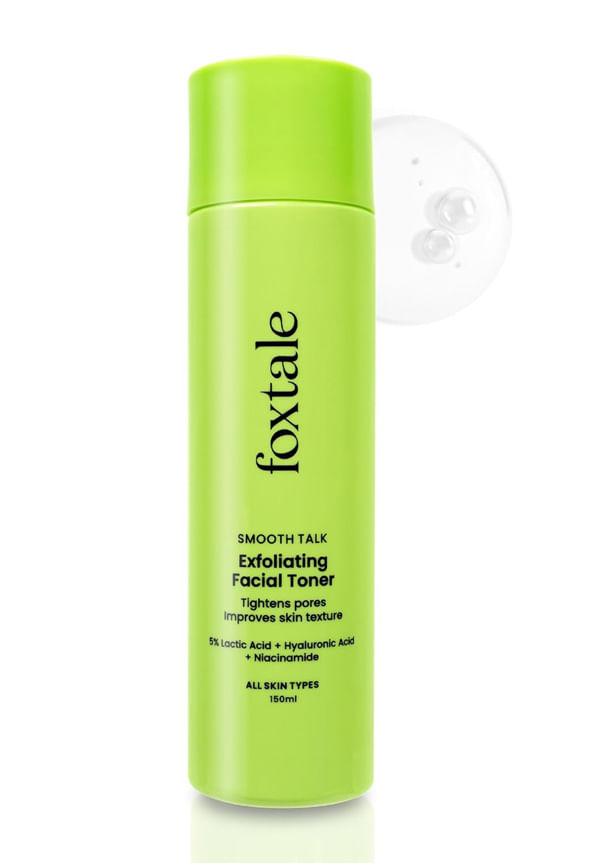 150 ml
Exfoliating Face Toner with 5% Lactic Acid for Pore Tightening, Gentle Exfoliation
This is where the best acid for sensitive skin debate gets real. Glycolic acid side effects can include redness, peeling, stinging, and increased photosensitivity. Lactic acid typically causes milder reactions—maybe slight tingling or temporary redness that subsides quickly.
For patch testing, both acids should be tested on a small area for 48 hours, but lactic acid is less likely to cause dramatic reactions during this trial period.
Let's get practical about which acid deserves a spot in your routine. The answer isn't one-size-fits-all, but there are some solid guidelines to follow.
Most dermatologists recommend starting with lactic acid for sensitive skin types. The general consensus is to begin with 5% lactic acid 1-2 times per week, gradually increasing frequency as tolerance builds.
For glycolic acid, the starting point is even lower—2-5% maximum, used once weekly initially. The key is patience and listening to your skin's feedback rather than rushing the process.
When shopping for chemical exfoliants for sensitive skin, look for these features:
Lower concentrations: Start with 5% or less for either acid
pH levels: Look for products with pH 3.5-4.0 for effectiveness without excessive irritation
Supporting ingredients: Hyaluronic acid, ceramides, or niacinamide can help buffer potential irritation
Fragrance-free formulas: Avoid unnecessary irritants
Gradual release formulas: Some products offer time-released acids for gentler delivery
For sensitive skin, this is generally not recommended, especially when starting out. If you're an advanced user with built-up tolerance, you might alternate them on different nights, but never layer them in the same routine.
The safer approach is mastering one acid first, building tolerance over several months, then considering whether you actually need to add another. Often, one well-chosen acid is enough to achieve your skin goals.
Ready to actually use these acids? Here's your foolproof guide to introducing exfoliating acids for skin without the drama.
Before applying any new acid to your face, do a proper patch test. Apply a small amount to your inner forearm or behind your ear and wait 48 hours. Look for any redness, itching, or irritation.
Prepare your skin by ensuring your barrier is healthy—no active breakouts, irritation, or recent aggressive treatments. Your skin should be in a calm, stable state before introducing acids.
Start slow and build gradually:
Week 1-2: Apply once weekly in the evening on clean, dry skin
Week 3-4: If no irritation, increase to twice weekly
Month 2+: Gradually work up to every other night if your skin tolerates it
Always follow with moisturiser: Never skip this step
Morning after: Use SPF 30+ religiously
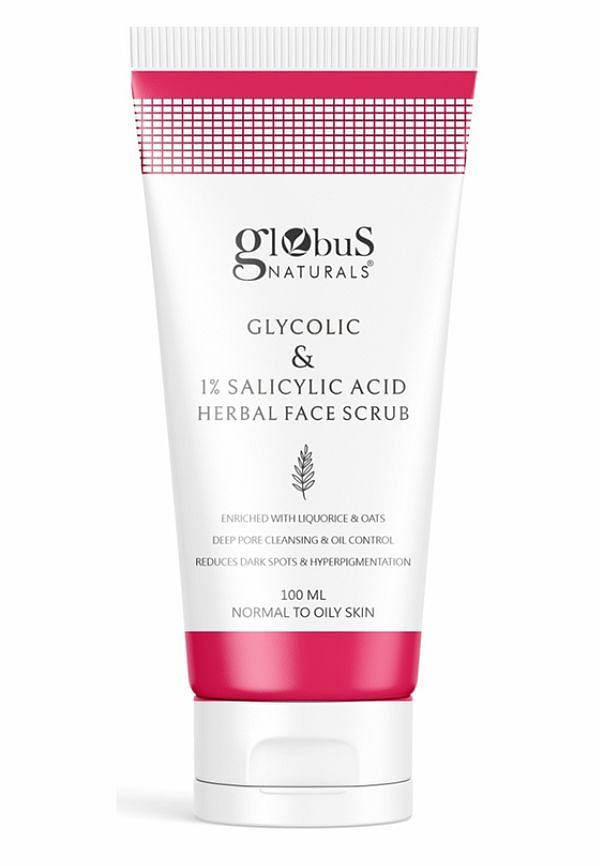 100 gm
Glycolic & Salicylic Acid Scrub
Apply acids to clean skin, wait 10-15 minutes before applying other products, and always finish with a good moisturiser to support your skin barrier.
Watch for signs of over-exfoliation: persistent redness, increased sensitivity, peeling, or that tight, uncomfortable feeling. If you notice these signs, scale back frequency or concentration.
Your skin will tell you what it needs—listen to it rather than following rigid schedules. Some people can eventually use acids nightly, others find twice weekly is their sweet spot.
Lactic acid is generally better for sensitive skin due to its larger molecular size and gentler exfoliation. It provides effective results whilst being less likely to cause irritation compared to glycolic acid's more aggressive penetration.
Yes, lactic acid is considered safer for sensitive skin types. Its larger molecular structure prevents overly deep penetration, reducing irritation risk whilst providing hydration benefits alongside exfoliation.
Glycolic acid can be too harsh for very sensitive skin, especially in higher concentrations. If you want to try it, start with 2-5% concentration and use it only once weekly initially, building tolerance gradually.
Yes, lactic acid is one of the gentlest AHAs available, making it ideal for sensitive and dry skin types. It provides both exfoliation and hydration benefits with minimal irritation risk when used properly.
Both can address hyperpigmentation effectively. Glycolic acid may work faster due to deeper penetration, but lactic acid offers a gentler approach with less irritation risk—often making it more sustainable long-term for sensitive skin.
For sensitive skin, it's best to avoid using both acids together. Advanced users might alternate them on different nights, but beginners should master one acid first. Never apply both in the same routine.
When it comes to glycolic vs lactic acid for sensitive skin, lactic acid emerges as the clear winner for most people. Its gentler approach, hydrating properties, and lower irritation risk make it the smarter choice for reactive skin types. That said, some people with less sensitive skin might eventually work up to glycolic acid for faster results.
The key is starting slowly, listening to your skin, and being patient with the process. Remember, skincare isn't about using the strongest products—it's about finding what works consistently for your unique skin needs. Whether you choose lactic or glycolic acid, the most important thing is building a routine you can stick with long-term.
If you're curious about trying different acid formulations without committing to full-size products, platforms like Smytten make it easy to test various options. With curated trial packs from trusted skincare brands, you can discover which chemical exfoliants for sensitive skin work best for you before investing in full-size products. After all, why settle for guesswork when you can try it all and find your perfect match?
