Foam vs Gel Cleanser for Indian Skin: FAQ


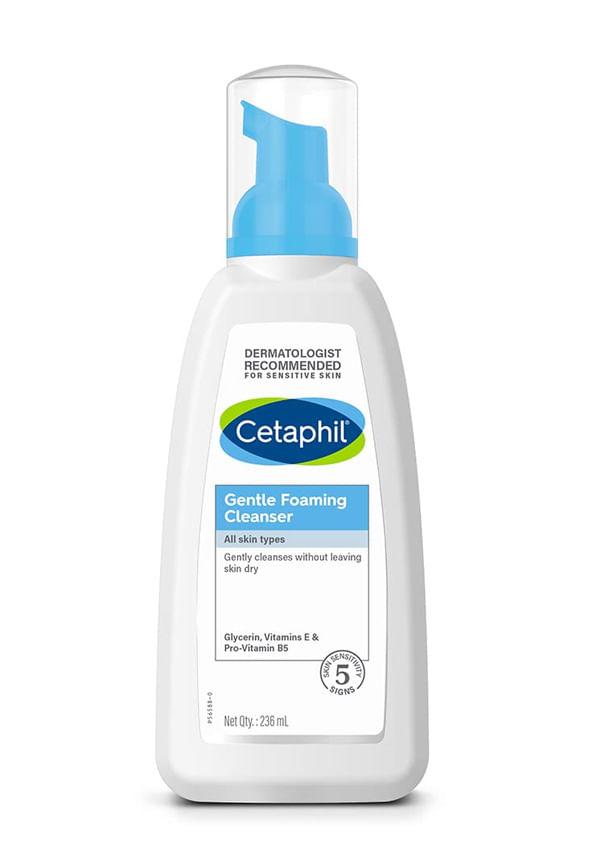
Gentle Foaming Cleanser For All Skin
Ever stood in the skincare aisle, staring at rows of cleansers and wondering whether that foam cleanser or gel cleanser is right for your skin? You're not alone. With India's diverse climate zones and varying skin concerns, choosing between foam and gel cleansers can feel overwhelming. The good news? Understanding the key differences between these two cleanser types can transform your daily skincare routine and help you achieve that healthy, balanced complexion you've been after.
The difference between foam and gel cleansers goes far beyond their texture. These formulations work in fundamentally different ways, making them suitable for different skin types and concerns. Understanding their mechanisms helps you make an informed choice for your Indian skincare routine.
Foam cleansers contain surfactants that create a rich, bubbly lather when mixed with water. This foaming action helps lift oil, dirt, and impurities from your skin's surface and pores. The lathering mechanism provides a satisfying cleansing experience that many people associate with thorough cleaning. However, traditional foam cleansers often contain sodium lauryl sulphate (SLS), which can be harsh on sensitive skin types.
Modern foam cleansers have evolved to include gentler surfactants whilst maintaining their deep cleansing properties. They're particularly effective at removing excess sebum, makeup, and sunscreen - essential for those dealing with India's humid climate and pollution levels.
Gel cleansers typically have a clear, jelly-like consistency that doesn't foam much or at all. They rely on gentle cleansing agents that work without stripping your skin's natural protective barrier. These formulations often include hydrating ingredients like glycerin, hyaluronic acid, or ceramides that help maintain moisture levels during cleansing.
The gentle cleansing mechanism makes gel cleansers particularly suitable for those with sensitive skin or anyone who's experienced irritation from traditional foaming cleansers. They clean effectively whilst preserving your skin's natural pH balance and moisture barrier.
Foam cleansers shine when it comes to managing specific skin concerns common in Indian climates. Their deep cleansing action makes them particularly valuable for certain skin types and situations.
If you're dealing with oily skin, foam cleansers can be your best friend. Their superior oil removal capabilities help manage excess sebum production, which is often heightened in India's humid climate. The foaming action penetrates deeper into pores, helping to remove accumulated oil, dirt, and dead skin cells that can lead to blackheads and congestion.
During monsoon season or in coastal cities like Mumbai and Chennai, where humidity levels soar, a good foam cleanser helps control that midday shine that many Indians struggle with. Look for foam cleansers with niacinamide or salicylic acid for added oil control benefits.
Face wash for acne prone skin often benefits from the deep cleansing action of foam cleansers. They're particularly effective when formulated with BHAs like salicylic acid, which can penetrate oil-filled pores and help prevent breakouts. The key is choosing a foam cleanser that's not overly harsh - look for sulphate-free formulations that won't disrupt your skin barrier.
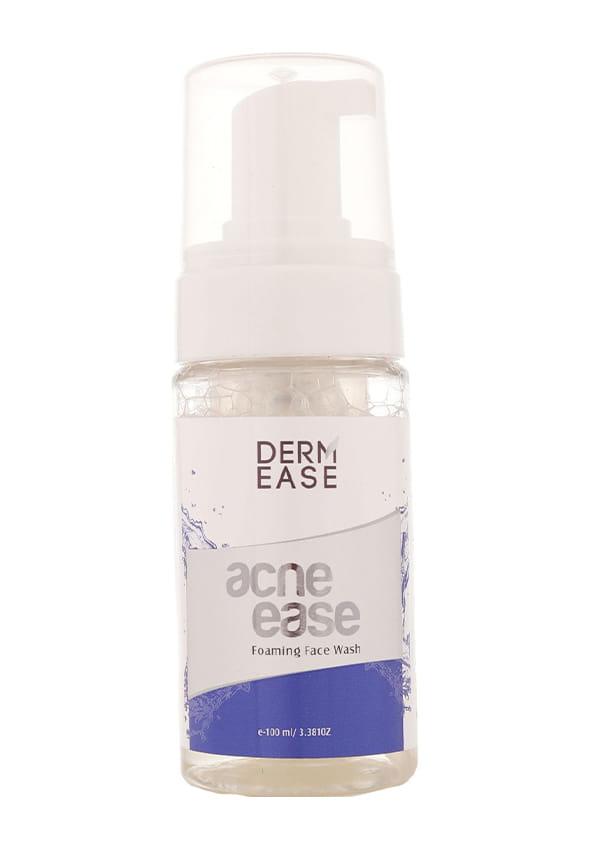
ACNE EASE FOAMING FACE WASH
However, it's crucial to follow up with a lightweight, non-comedogenic moisturiser to prevent your skin from overcompensating with increased oil production. This is especially important in India's varying climate conditions.
Gel cleansers offer a different approach to skincare, prioritising gentleness and hydration whilst still providing effective cleansing. This makes them particularly valuable for specific skin types and concerns.
Best cleanser for sensitive skin often comes in gel form because these formulations minimise irritation risk. If you've experienced redness, stinging, or tightness after cleansing, a gentle face cleanser in gel form might be your solution. They work without disrupting your skin's protective barrier, making them ideal for those with conditions like rosacea or reactive skin.
Indian skin, particularly in urban areas, faces daily exposure to pollution and dust. Gel cleansers can effectively remove these environmental aggressors without causing additional stress to already sensitised skin.
For those with cleanser for dry skin needs, gel formulations often include hydrating ingredients that help maintain moisture during cleansing. Unlike traditional foam cleansers that can leave dry skin feeling tight and uncomfortable, a good hydrating cleanser in gel form actually helps preserve your skin's natural moisture levels.
This is particularly important during India's winter months or in air-conditioned environments where skin tends to lose moisture more rapidly. Gel cleansers with ceramides or hyaluronic acid can provide that extra hydration boost your skin needs.
Your Indian skincare routine should account for the unique challenges our climate and environment present. The right cleanser choice can make a significant difference in how your skin responds to other products in your routine.
India's diverse climate zones require adaptive skincare approaches. During summer months in cities like Delhi or Pune, where heat and humidity peak, your skin might benefit from a foam cleanser's oil-controlling properties. However, during winter or in air-conditioned environments, switching to a gel cleanser can prevent over-drying.
Monsoon season brings its own challenges - increased humidity combined with pollution can lead to clogged pores. A gentle foam cleanser used in the evening, followed by a hydrating gel cleanser in the morning, might be the perfect combination for this season.
Understanding your skin type is crucial for making the right cleanser choice. Oily skin typically benefits from foam cleansers, especially those with salicylic acid or niacinamide. Dry skin usually responds better to gel cleansers with hydrating ingredients. Combination skin might need different cleansers for different seasons or even different times of day.

India Body Wash
Pay attention to how your skin feels 30 minutes after cleansing. If it feels tight, dry, or irritated, you might need a gentler gel formula. If you still feel oily or notice your makeup doesn't apply smoothly, a foam cleanser might provide the deeper clean you need.
Several misconceptions surround cleanser types, often leading to poor product choices. Let's address these myths with science-backed facts.
This is largely a myth. While foam can indicate active cleansing agents at work, excessive foam often comes from harsh surfactants like SLS that can damage your skin barrier. Effective cleansing doesn't require dramatic foaming action. Many gentle, effective cleansers produce minimal foam whilst still removing impurities thoroughly.
Traditional beliefs often equate foaming with cleanliness, but modern skincare science shows that gentle cleansing preserves your skin's natural protective mechanisms whilst still achieving cleanliness.
Some people worry that gel cleansers aren't strong enough for thorough cleansing. However, well-formulated gel cleansers can effectively remove makeup, sunscreen, and daily grime without compromising your skin barrier. The key is choosing products with appropriate cleansing agents for your specific needs.
Similarly, not all foam cleansers are harsh. Modern formulations can provide deep cleansing whilst maintaining gentleness, especially when they're sulphate-free and include moisturising ingredients.
Developing an effective cleansing routine requires understanding when and how to use different cleanser types for optimal results.
Consider using different cleansers for morning and evening routines. A gentle face cleanser in gel form might be perfect for morning cleansing, removing overnight oil production without stripping your skin before applying sunscreen and makeup. Evening cleansing might call for a foam cleanser to remove the day's accumulation of sunscreen, pollution, and makeup.
The double cleansing method, starting with an oil cleanser followed by either foam or gel cleanser, can be particularly effective for Indian skin dealing with heavy sunscreen use and pollution exposure.
In foam cleansers, look for niacinamide for oil control, salicylic acid for acne-prone skin, and avoid harsh sulphates. In gel cleansers, seek out hyaluronic acid for hydration, ceramides for barrier support, and gentle surfactants like coco-glucoside.
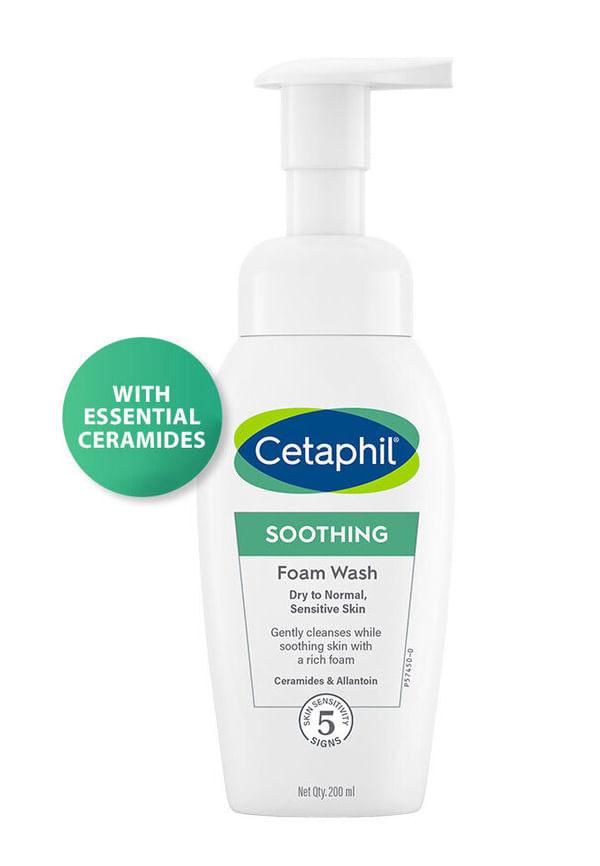
Soothing Foam Wash
Avoid cleansers with high alcohol content, artificial fragrances, or harsh preservatives that can irritate Indian skin, which often faces additional stress from environmental factors.
Gel cleansers are generally better for acne-prone skin because they're less likely to strip the skin barrier, which can trigger increased oil production and worsen breakouts. However, gentle foam cleansers with salicylic acid can work effectively if they're sulphate-free and followed by proper moisturising. The key is avoiding over-cleansing, which can actually make acne worse.
Neither is universally better - the choice depends on your skin type, climate, and specific concerns. Oily skin often benefits from foam cleansers' deep cleansing action, whilst sensitive or dry skin typically responds better to gel cleansers' gentle approach. Many people find success alternating between both types based on seasonal changes or daily needs.
Traditional foaming face washes can be too drying for dry skin, but modern, sulphate-free foam cleansers with hydrating ingredients like glycerin or ceramides can work for dry skin when followed immediately by moisturiser. However, gel cleansers are generally a safer choice for consistently dry skin types.
In high humidity conditions common during Indian summers and monsoons, foam cleansers help control excess oil and remove sweat and pollution effectively. However, in air-conditioned environments or during winter months, gel cleansers prevent over-drying whilst still providing adequate cleansing. Many Indians benefit from seasonal switching between cleanser types.
Absolutely! Many skincare enthusiasts use different cleansers for morning and evening routines, or switch between them based on seasonal needs. You might use a gel cleanser in the morning for gentle cleansing and a foam cleanser in the evening for deeper cleaning after a day of sunscreen and pollution exposure.
Signs of over-cleansing include tightness, redness, increased oil production, or irritation after cleansing. Your skin should feel clean but comfortable, never stripped or tight. If you experience these symptoms, switch to a gentler gel cleanser and reduce cleansing frequency if necessary.
Choosing between foam and gel cleansers isn't about finding the 'best' option - it's about finding what works best for your unique skin needs and lifestyle. Your skin type, local climate, and daily activities all play crucial roles in determining which cleanser will serve you best.
Remember that your skin's needs can change with seasons, age, and life circumstances. What works during Mumbai's humid summers might not be ideal during Delhi's dry winters. The key is staying attentive to how your skin responds and being willing to adapt your routine accordingly.
For those exploring new cleansers, Smytten's curated selection includes trusted brands with both foam and gel options suitable for Indian skin types. With over 28 million users discovering their perfect skincare matches, the platform makes it easier to find products that truly work for your unique needs. If you're curious about trying different cleansers but hesitant to commit to full sizes, exploring minis can be a smart way to test what works before making larger investments in your skincare routine.
