Fatty Acids in Skincare FAQ: Indian Skin Needs Explained


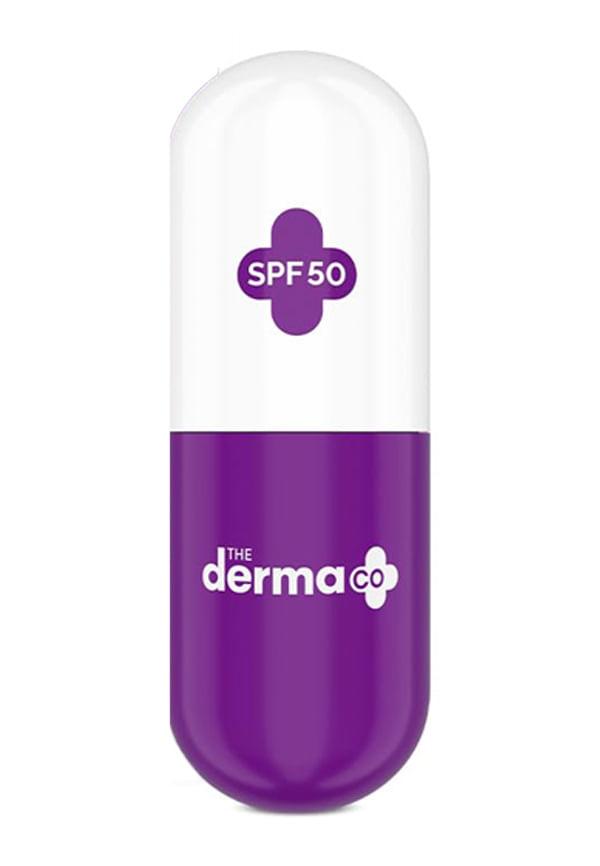
1% Vitamin C Brightening Lip Balm SPF 50
Ever wondered why your skin feels tight after cleansing, or why that expensive moisturiser just sits on top without really sinking in? The answer might lie in understanding fatty acids – the unsung heroes of skincare that work overtime to keep your skin barrier healthy and hydrated. For Indian skin, which faces unique challenges from pollution, humidity, and intense UV exposure, fatty acids aren't just beneficial – they're essential. Let's dive into why these lipid molecules deserve a spot in your skincare routine and how they can transform your skin health.
Fatty acids for skin are fundamentally different from the acids you might already know, like AHAs or BHAs. While those work by exfoliating and resurfacing, fatty acids are lipid molecules that actually become part of your skin's structure. Think of them as the mortar between bricks – they fill the gaps between skin cells, creating a strong, protective barrier. Your skin naturally produces fatty acids, but environmental factors common in India can deplete these levels quickly. Air conditioning strips moisture, pollution creates oxidative stress, and our varied climate – from monsoon humidity to winter dryness – constantly challenges your skin's ability to maintain its natural lipid balance. Essential fatty acids for skin can't be produced by your body, so they must come from your diet or skincare products. Interestingly, traditional Indian skincare has always recognised the importance of oils and lipids. Coconut oil, sesame oil, and ghee have been used for centuries, and modern science now explains why these work so well – they're rich in beneficial fatty acids that support skin barrier function.
Skincare for Indian skin needs to account for our specific environmental and genetic factors. Indian skin typically has higher melanin content, which provides some natural UV protection but can also make the skin more prone to post-inflammatory hyperpigmentation. Additionally, many Indians have combination skin types that can be tricky to balance. The Indian climate presents unique challenges. During monsoons, high humidity can make skin feel oily on the surface while remaining dehydrated underneath. Winter months bring dry air that strips the skin barrier, and summer heat combined with pollution creates a perfect storm for skin stress. Your skin barrier works overtime in these conditions, depleting its natural fatty acid reserves faster than they can be replenished. Pollution is particularly problematic for urban Indian skin. Fine particulate matter can penetrate the skin barrier, creating inflammation and disrupting normal lipid production. This is where targeted fatty acid supplementation through skincare becomes crucial – it helps repair and strengthen the barrier against environmental aggressors.
Not all fatty acids are created equal, and understanding the key players can help you choose the right products for your skin type.
Linoleic acid is an omega-6 fatty acid that's particularly beneficial for oily and acne-prone Indian skin. Research shows that people with acne often have lower levels of linoleic acid in their sebum, which can make their skin barrier more permeable and prone to inflammation. Sunflower oil, safflower oil, and grape seed oil are excellent sources of linoleic acid and tend to feel lighter on the skin than heavier oils.
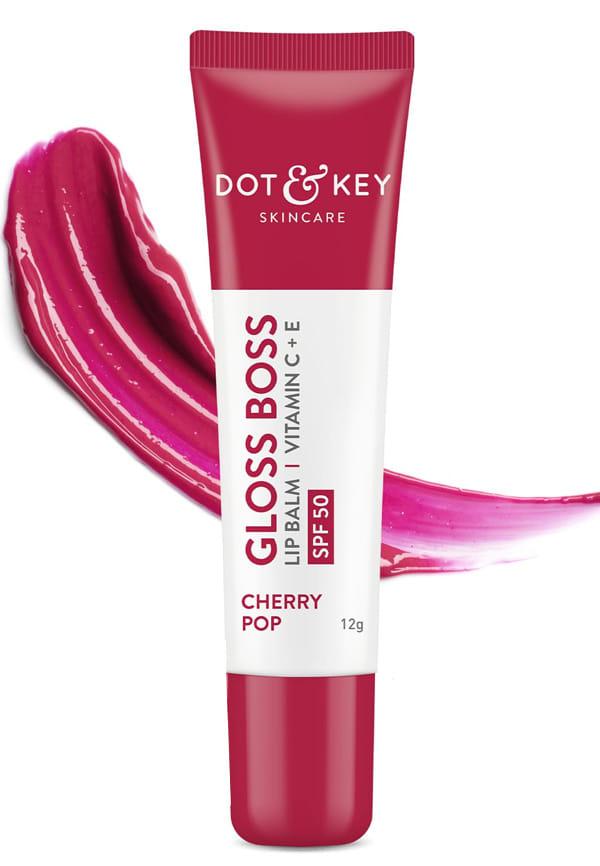
Spf 50 Vitamin C+E Cherry Lip Balm
Oleic acid is an omega-9 fatty acid that's excellent for dry and mature skin types. It has larger molecules that penetrate deeply, making it ideal for delivering moisture to parched skin. However, if you're prone to breakouts, oleic acid might be too heavy and could potentially clog pores.
This omega-3 fatty acid is particularly valuable for sensitive Indian skin that's dealing with pollution-induced inflammation. Found in flaxseed oil and chia seed oil, it helps calm irritation and supports the skin's natural healing processes.
The benefits of fatty acids in skincare extend far beyond basic moisturisation. For Indian skin dealing with environmental stressors, fatty acids provide multiple layers of protection and repair. Strengthening the skin barrier is perhaps the most crucial benefit. A healthy barrier prevents trans-epidermal water loss (TEWL), keeping your skin hydrated from within. This is particularly important in air-conditioned environments where the skin can quickly become dehydrated despite feeling oily on the surface. Fatty acids also provide anti-inflammatory benefits, which is crucial for Indian skin prone to sensitivity and hyperpigmentation. When your skin barrier is compromised, it becomes more reactive to irritants, leading to inflammation that can trigger melanin production and result in dark spots. For those struggling with dry skin solutions, fatty acids work by mimicking your skin's natural lipid structure, integrating seamlessly into the barrier and providing long-lasting hydration that doesn't just sit on the surface.
Selecting the best fatty acids for face depends on your specific skin type and concerns.
Look for products high in linoleic acid, such as sunflower oil or safflower oil-based serums. These absorb quickly and won't leave a greasy residue. Apply them to slightly damp skin for better absorption, and start with a few drops to see how your skin responds.
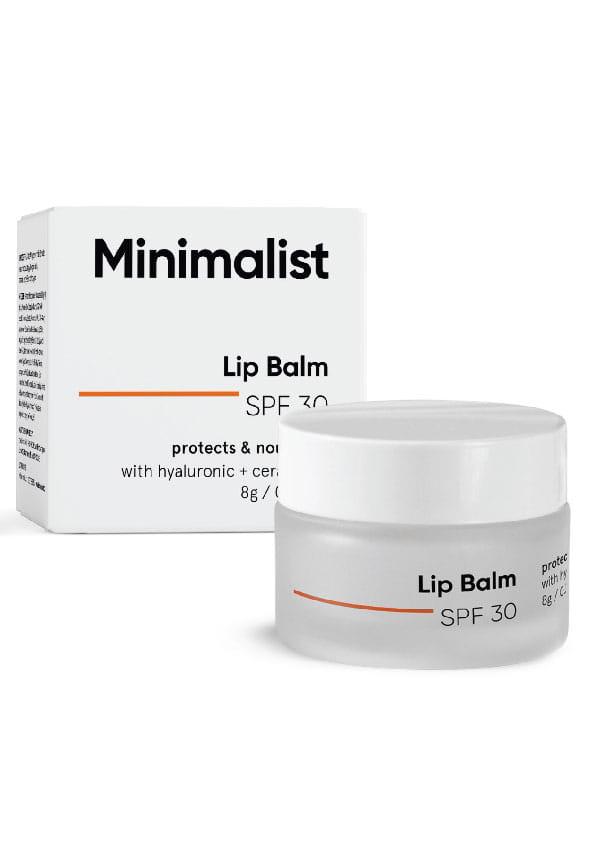
Spf 30 Lip Balm With Ceramides & Hyaluronic Acid
Oleic acid-rich products work beautifully for parched skin. Look for formulations that combine fatty acids with ceramides in skincare, as these work synergistically to repair and maintain the skin barrier. Apply these products as the last step in your evening routine for maximum benefit.
Choose products with balanced fatty acid profiles that include both linoleic and oleic acids. Start with patch testing and introduce new products gradually to avoid overwhelming sensitive skin.
Skincare ingredients for hydration work best when applied strategically. In the morning, use lighter fatty acid products under your SPF, as they can actually help your sunscreen adhere better and provide additional barrier protection. Evening is prime time for heavier fatty acid treatments. After cleansing and applying any active ingredients like niacinamide or retinoids, seal everything in with a fatty acid-rich oil or moisturiser. This helps prevent trans-epidermal water loss overnight when your skin is in repair mode. Seasonal adjustments are crucial for Indian skin. During monsoons, stick to lighter linoleic acid-rich products. In winter, you might need heavier oleic acid formulations to combat the dry air. Summer calls for a balanced approach – hydrating but not heavy enough to feel uncomfortable in the heat.
Fatty acids strengthen your skin barrier by filling the gaps between skin cells, preventing water loss and protecting against environmental damage. They also provide anti-inflammatory benefits and help maintain your skin's natural pH balance.
It depends on your skin type. Linoleic acid works better for oily, acne-prone skin as it's lighter and less likely to clog pores. Oleic acid is ideal for dry, mature skin that needs deeper moisturisation. Many Indian skin types benefit from a combination of both.
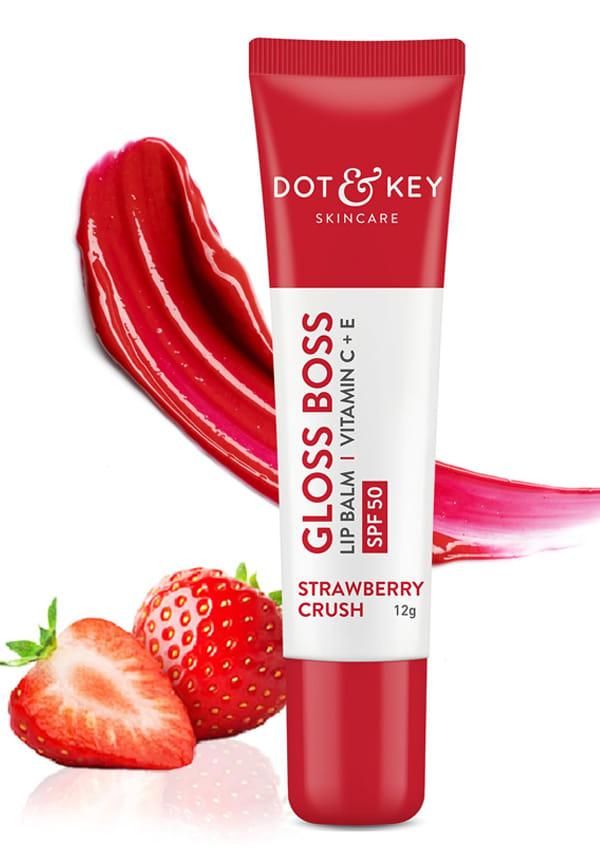
Spf 50 Vitamin C+E Strawberry Lip Balm
Absolutely. Fatty acids actually help other ingredients work better by improving skin barrier function. They pair particularly well with niacinamide, vitamin C, and even retinoids, helping to buffer potential irritation.
Sunflower oil (high in linoleic acid), jojoba oil (technically a wax but acts like oleic acid), rosehip oil (balanced profile), and marula oil (high in oleic acid) are all excellent choices for Indian skin.
You might notice improved skin texture within a few days, but significant barrier repair typically takes 2-4 weeks of consistent use. Be patient and consistent with your routine.
While fatty acids don't directly lighten dark spots, they support overall skin health and can help prevent new hyperpigmentation by maintaining a strong barrier that's less prone to inflammation.
Understanding fatty acids and skin barrier function is key to achieving healthy, resilient Indian skin. These essential lipids work quietly but effectively to protect, repair, and hydrate your skin from within. Whether you're dealing with pollution-induced sensitivity, climate-related dryness, or simply want to maintain healthy skin, incorporating the right fatty acids into your routine can make a significant difference. The beauty of fatty acids lies in their versatility and compatibility with other skincare ingredients. They're not a quick fix but rather a foundation for long-term skin health. As you explore different formulations, remember that consistency is key – your skin barrier didn't become compromised overnight, and it won't repair itself immediately either. For those curious about trying fatty acid-rich products without committing to full sizes, platforms like Smytten offer an excellent way to test different formulations and find what works best for your unique skin needs. With access to curated products from trusted brands, you can explore various fatty acid treatments and discover your perfect match before making a larger investment.
