Facial Pigmentation FAQ: Natural Solutions for Dark Spots

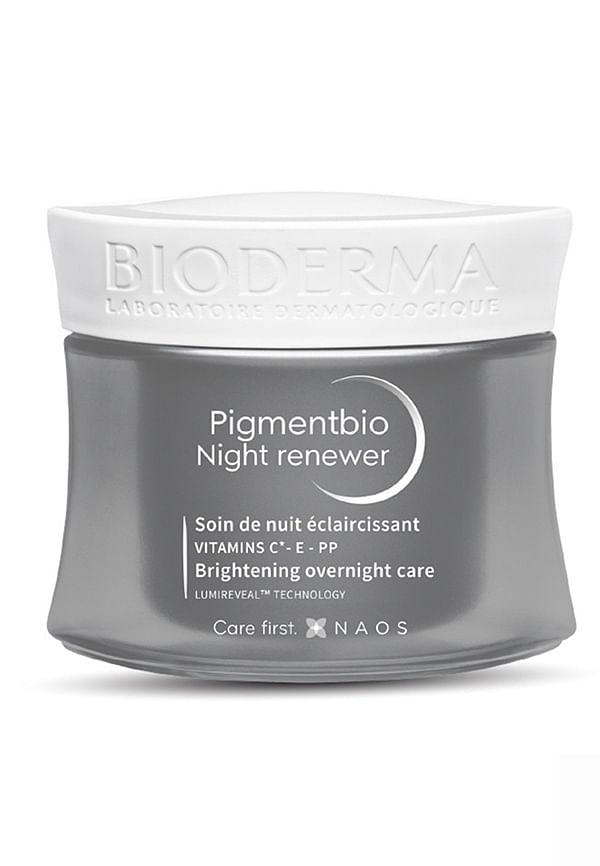 50 ml
50 mlPigmentbio Night Renewer Brightening Overnight Cream for Dark Spots, Sensitive Skin
That stubborn dark spot on your cheek from last summer's breakout. The melasma patches that appeared during pregnancy and never quite faded. The uneven skin tone that makes you reach for concealer every morning. If you're dealing with facial pigmentation, you're not alone — and you don't need expensive treatments to see real improvement. Natural remedies, when used correctly and consistently, can genuinely help fade dark spots and even out your complexion over time.
Before diving into remedies, let's get clear on what we're actually dealing with. Facial pigmentation happens when your skin produces too much melanin in certain areas, creating those darker patches that seem to have a mind of their own.
The most common types you'll encounter are post-inflammatory hyperpigmentation (those marks left behind after spots), melasma (often triggered by hormonal changes), and age spots from years of sun exposure. Each responds differently to treatment, which is why understanding your specific type matters.
Sun damage tops the list — those UV rays trigger melanin production as your skin tries to protect itself. Hormonal fluctuations during pregnancy or from contraceptives can create melasma. Inflammation from acne, eczema, or even aggressive skincare leaves behind dark marks. Sometimes, it's simply genetics playing a role in how your skin responds to these triggers.
Here's the honest truth: natural remedies work, but they require patience. Post-inflammatory hyperpigmentation often shows improvement in 6-12 weeks with consistent treatment. Melasma can take 3-6 months or longer. Age spots are the most stubborn, sometimes requiring 6-12 months of dedicated care.
Not all natural ingredients are created equal when it comes to tackling pigmentation. These have real research backing their effectiveness for melanin reduction and natural skin brightening.
Aloe vera contains aloin, a compound that naturally inhibits tyrosinase — the enzyme responsible for melanin production. It's incredibly gentle, making it perfect for daily use even on sensitive skin. Fresh aloe gel works best, but pure bottled versions without added fragrances are a good alternative.
The glabridin in licorice root is a proven tyrosinase inhibitor, effectively slowing down melanin production. You can find licorice root powder to mix into DIY masks or look for skincare products containing this ingredient on platforms like Smytten, where you can try different formulations before committing to full sizes.
Fresh lemon juice, tomato pulp, and other citrus fruits provide natural vitamin C, which helps break down existing melanin whilst protecting against future damage. However, these can increase photosensitivity, so evening application followed by thorough morning cleansing is essential.
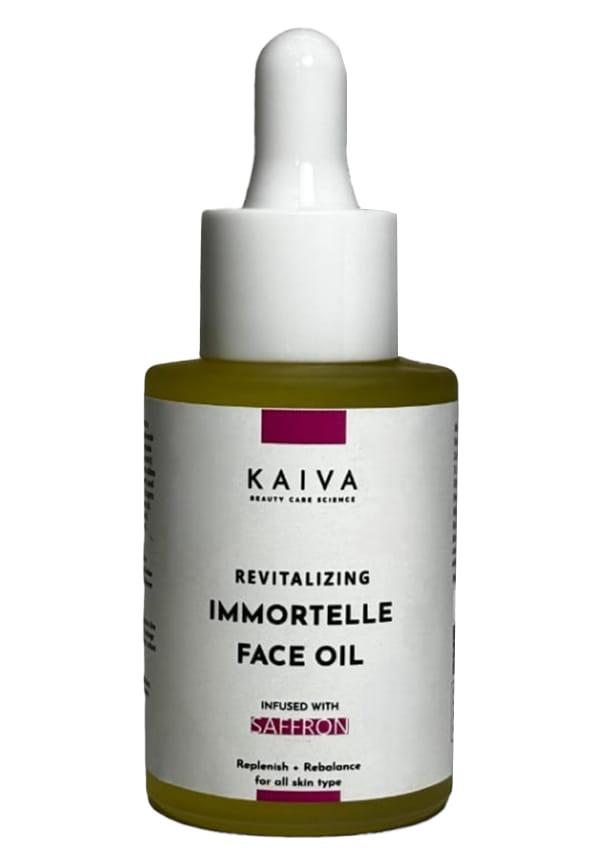 30 ml
30 mlImmortelle Face Oil | Helps Reduce Dark Spots & Pigmentation
Yoghurt, milk, and apple cider vinegar contain natural AHAs that gently exfoliate the top layer of skin, helping fade surface pigmentation. They're much milder than synthetic AHAs, making them suitable for regular use.
Whether you're prepping for an event or committed to long-term improvement, here are targeted approaches for DIY skin pigmentation treatment that actually deliver results.
For those seeking noticeable improvement in a week, consistency is everything. This routine combines gentle exfoliation with targeted brightening ingredients.
Morning routine: Apply fresh aloe vera gel to clean skin, leave for 20 minutes, then rinse. Follow with a light moisturiser and SPF 30 minimum. Evening routine: Mix 1 teaspoon turmeric powder with 2 tablespoons plain yoghurt, apply for 15 minutes, then rinse thoroughly.
This gentler approach focuses on gradual improvement whilst maintaining skin health. Daily: Apply aloe vera gel morning and evening. Three times weekly: Use a honey-lemon mask (1 tablespoon honey mixed with 1 teaspoon fresh lemon juice) for 20 minutes. Weekly: Apply diluted apple cider vinegar as a toner (1 part vinegar to 3 parts water).
For stubborn individual spots, potato juice applied directly twice daily can be remarkably effective. The natural enzymes help break down melanin clusters. Red onion extract works similarly — blend fresh onion, strain the juice, and apply with a cotton bud.
How you apply these treatments matters as much as what you're using. Proper technique can significantly improve your results whilst minimising irritation.
Always start with clean skin and perform a patch test 24 hours before trying any new ingredient. Apply a small amount to your inner wrist and watch for any reaction. Even natural ingredients can cause sensitivity in some people.
For facial spot removal, apply treatments directly to dark areas using clean fingertips or cotton buds. For overall uneven skin tone correction, gentle full-face application works better. Always avoid the delicate eye area unless specifically indicated.
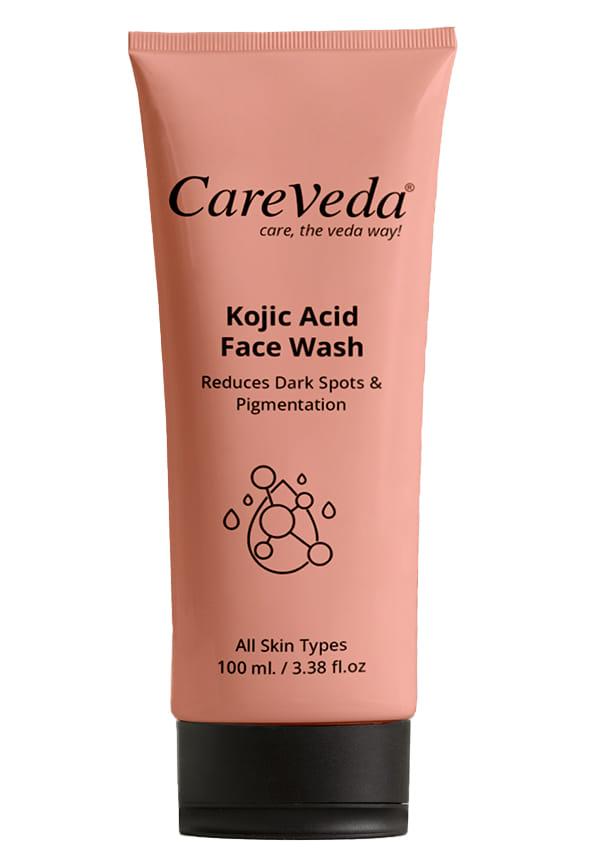 100gm
100gmKojic Acid Face Wash For Reduces Dark Spots & Pigmentation
Most natural brightening ingredients work best when applied in the evening, giving your skin time to repair overnight. Start with every other day, gradually increasing to daily use as your skin adapts. Never rush this process — irritated skin produces more pigmentation, not less.
Natural doesn't automatically mean safe for everyone. These precautions ensure you see results without damaging your skin barrier or causing additional pigmentation.
Lemon juice, lime, and other citrus ingredients can make your skin more sensitive to UV damage. If you use these ingredients, thorough cleansing before sun exposure is non-negotiable. Better yet, reserve citrus treatments for evening use only.
Sensitive skin should start with the gentlest options like aloe vera and honey. Oily skin can typically handle stronger treatments like apple cider vinegar toners. Dry skin benefits from oil-based treatments — mix brightening ingredients with jojoba or rosehip oil.
Discontinue any treatment if you experience persistent redness, burning, or new dark spots appearing. These signs indicate irritation that could worsen your pigmentation. Your skin should feel comfortable throughout the treatment process.
The most effective natural remedies for pigmentation work alongside smart lifestyle choices that support your skin's natural healing processes.
No amount of brightening treatment will work if you're not protecting against further damage. SPF 30 minimum daily, reapplied every 2 hours when outdoors. Wide-brimmed hats and seeking shade during peak hours (10 AM to 4 PM) provide additional protection.
Antioxidant-rich foods support your skin's natural repair mechanisms. Berries, leafy greens, and citrus fruits provide vitamin C. Sweet potatoes and carrots offer beta-carotene. Green tea provides polyphenols that help regulate melanin production.
Proper hydration helps your skin cells function optimally, whilst quality sleep allows for cellular repair. Aim for 8 glasses of water daily and 7-9 hours of sleep for best results.
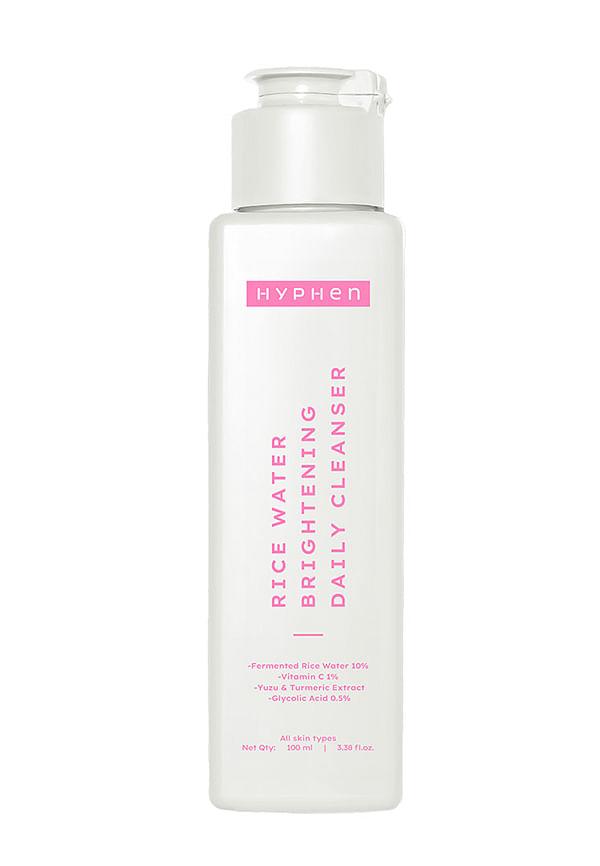 100 ml
Rice Water Brightening Daily Cleanser | Brightens Skin, Reduces Dark Spots
Natural methods can significantly fade most types of pigmentation, but complete removal depends on the type and depth of pigmentation. Surface-level post-inflammatory hyperpigmentation often responds excellently to natural treatments. Deeper melasma or age spots may require professional intervention for complete clearance, though natural methods can still provide substantial improvement.
Initial improvements often appear within 2-4 weeks of consistent treatment. Significant fading typically occurs over 6-12 weeks for surface pigmentation. Deeper or hormonal pigmentation may require 3-6 months of dedicated treatment. Patience and consistency are key to success with natural methods.
Aloe vera, honey, and oatmeal are generally safe during pregnancy. Avoid licorice root and limit citrus treatments. Always consult your healthcare provider before starting any new skincare routine during pregnancy or whilst nursing.
Yes, but introduce them gradually. Start with one ingredient for a week, then slowly add others. Avoid combining potentially irritating ingredients like lemon juice and apple cider vinegar in the same application. Layer gentler ingredients like aloe vera under stronger treatments.
Natural treatments work more gradually but with fewer side effects. Commercial treatments often contain higher concentrations of active ingredients, potentially delivering faster results but with increased risk of irritation. Many people find success combining both approaches — using gentle natural treatments daily with occasional professional-grade products.
Several factors could be at play: inadequate sun protection, hormonal fluctuations, using treatments that are too harsh (causing inflammation), or dealing with deeper pigmentation that requires professional treatment. Reassess your routine and consider consulting a dermatologist if you see no improvement after 3 months of consistent treatment.
Natural pigmentation removal requires patience, consistency, and realistic expectations. The ingredients and methods outlined here have genuine scientific backing and can deliver meaningful results when used correctly. Remember that protecting your skin from further damage is just as important as treating existing pigmentation.
Your skin's journey to evenness is unique, and what works brilliantly for one person might need adjustment for another. Start with the gentlest options, build your routine gradually, and listen to your skin's responses. With time and dedication, those stubborn dark spots can become a thing of the past.
If you're curious about trying professional-grade brightening ingredients alongside your natural routine, Smytten offers trial sizes from trusted skincare brands, letting you test products before investing in full sizes. It's a smart way to explore what works for your skin without the commitment.
