Face Wash for Acne Scars in Men: Your Questions Answered


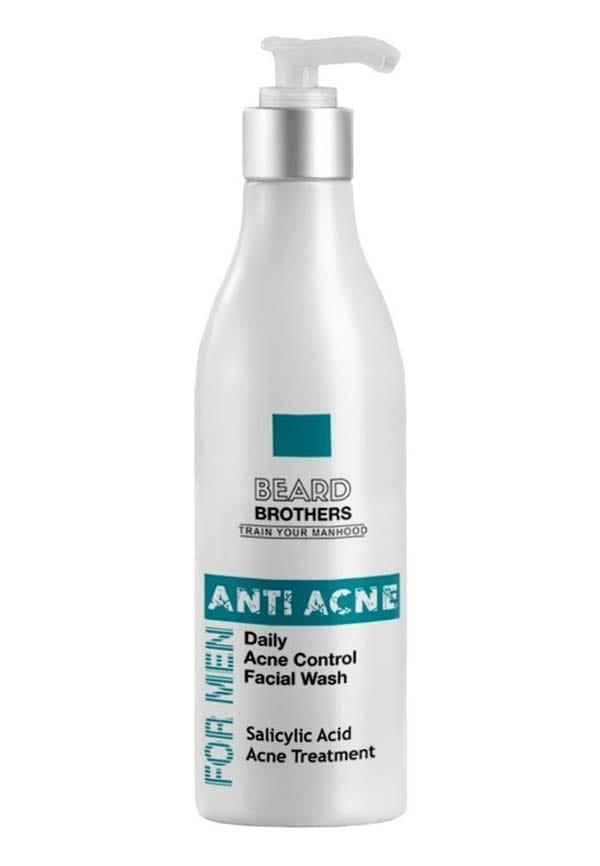
Anti-Acne face Wash for Men - Deep Cleansing & Exfoliating Face Wash
You've been there—staring at the mirror after a particularly stubborn breakout has finally cleared, only to find that the acne has left its mark. Those dark spots, uneven texture, and indented areas can feel like a constant reminder of past skin struggles. For many men, acne scars become a source of frustration, especially when it feels like nothing seems to help fade them. The good news? While face wash alone won't completely erase deep scars, the right cleansing routine can absolutely help improve their appearance over time. Let's dive into what actually works, what doesn't, and how to build a realistic approach to clearer, healthier-looking skin.
Before we talk about solutions, it's worth understanding what you're actually dealing with. Not all post-acne marks are created equal, and knowing the difference can help you choose the right approach for your skin.
True acne scars form when inflammation from breakouts damages the deeper layers of skin, disrupting the normal collagen production process. When your skin tries to heal itself, it sometimes produces too little collagen (creating depressed scars) or too much (creating raised scars). Men tend to experience more severe scarring because male skin is typically thicker and produces more oil, leading to deeper, more inflammatory breakouts that are more likely to cause lasting damage.
Atrophic scars are the most common type, appearing as depressions in the skin. These include ice pick scars (deep, narrow indentations), boxcar scars (wider, angular depressions), and rolling scars (wave-like undulations). Hypertrophic and keloid scars are raised above the skin surface and more common on the chest, back, and jawline in men. Then there's post-inflammatory hyperpigmentation (PIH)—those dark spots that aren't technically scars but can take months to fade naturally.
Real talk: if you're hoping a face wash will completely eliminate deep acne scars, you'll likely be disappointed. However, that doesn't mean cleansing products are useless in your scar-fighting arsenal.
Face washes work primarily on the surface level of your skin. They can help with gentle exfoliation, removing dead skin cells that make scars appear more pronounced. Certain ingredients can also help prevent new breakouts (which means preventing new scars) and gradually improve skin texture and tone. The key is understanding that improvements happen slowly—we're talking months, not weeks.
A good face wash can help improve surface texture, reduce hyperpigmentation, prevent new breakouts, and create a clean base for other treatments to work more effectively. What it can't do is fill in deep indented scars, dramatically restructure skin texture, or provide overnight results. Think of face wash as one important piece of a larger puzzle, not a magic solution.
Not all face washes are created equal when it comes to addressing acne scars. Here are the ingredients that actually make a difference.
Salicylic acid is brilliant for men's skin because it penetrates oil-filled pores and provides gentle exfoliation without being too harsh. It helps prevent new breakouts while gradually improving skin texture. Glycolic acid works on the surface to smooth rough texture and can help fade dark spots over time. Lactic acid is the gentler cousin—perfect if you're just starting with acids or have sensitive skin alongside your scarring.

Niacinamide is a real multitasker—it reduces inflammation, helps regulate oil production, and can gradually fade dark spots. Vitamin C provides antioxidant protection while working to brighten hyperpigmentation. Kojic acid and alpha arbutin are gentler brightening agents that work well for men who find other ingredients too irritating.
Harsh sulfates can strip your skin and make scars appear more prominent. High-concentration acids might seem tempting for faster results, but they can actually worsen scarring if you overdo it. Fragrances and unnecessary additives can irritate already compromised skin, slowing down the healing process.
Knowing which type of cleanser works best for your specific concerns can save you time and frustration.
Gel cleansers with salicylic acid or benzoyl peroxide are excellent for men dealing with both active acne and scarring. They help prevent new breakouts while providing gentle exfoliation. The Garnier Men Acno Fight Gentle Cleanser Facewash is designed specifically for men's skin concerns, combining effective acne-fighting ingredients with a gentle formula that won't over-dry your skin. Its targeted approach helps address both current breakouts and the marks they leave behind, making it a solid choice for men looking to improve their overall skin texture and clarity.
Vitamin C cleansers work particularly well for addressing dark spots and uneven skin tone. They're best used in the morning routine, as vitamin C can make your skin more photosensitive. Look for stable forms like magnesium ascorbyl phosphate rather than pure ascorbic acid in cleansers.
Products with BHAs (like salicylic acid) or AHAs (like glycolic or lactic acid) provide chemical exfoliation without the harshness of scrubs. Start with 2-3 times per week and gradually increase frequency as your skin builds tolerance. Over-exfoliation can actually worsen scarring, so patience is key.
A face wash is just the beginning. Here's how to build a routine that actually works for acne-scarred skin.
Start with a gentle cleanser to remove overnight buildup without stripping your skin. If you're using a vitamin C product, morning is the ideal time. Follow with a lightweight moisturiser and—this is crucial—SPF. Sun exposure can darken existing scars and slow healing, making sunscreen non-negotiable for anyone serious about scar improvement.
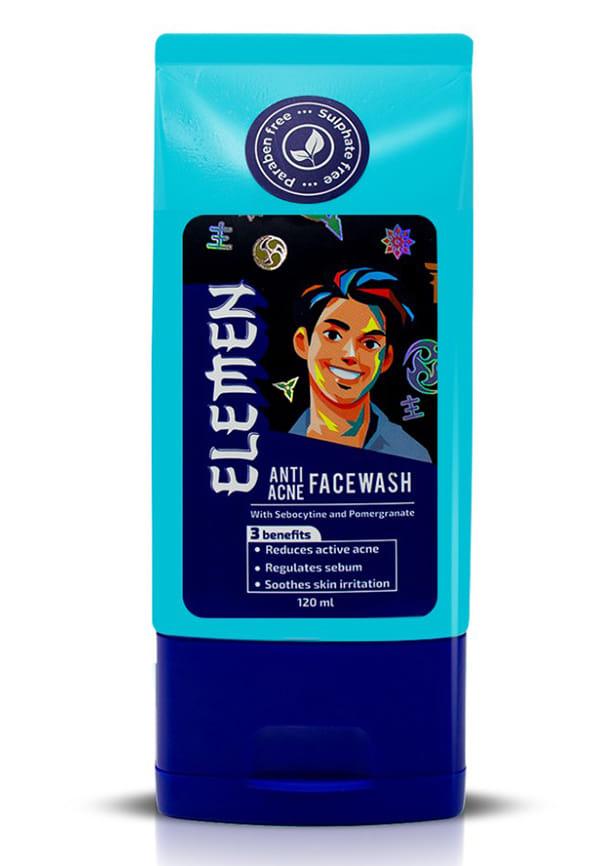
Anti Acne Face Wash
Evening is when you can use stronger actives. Consider double cleansing if you've worn sunscreen or been in polluted environments. Apply any treatment products (like retinoids or stronger acids) after cleansing but before moisturising. Don't forget to moisturise—even oily, acne-prone skin needs hydration to heal properly.
Once or twice weekly, you might add a stronger exfoliating treatment or a targeted face mask. Clay masks can help with ongoing breakouts, while brightening masks can address hyperpigmentation. Just remember: more isn't always better, especially with scarred skin.
While products play a crucial role, your lifestyle choices can significantly impact how well your skin heals and recovers.
Your diet matters more than you might think. Foods rich in vitamin C, zinc, and omega-3 fatty acids support skin repair. Getting adequate sleep allows your skin to regenerate properly, while managing stress helps prevent hormonal breakouts that could lead to new scarring. Regular exercise improves circulation, bringing nutrients to your skin cells.
Some natural ingredients have genuine research backing their scar-improving properties. Rosehip oil contains vitamin A and essential fatty acids that support skin regeneration. Honey has antimicrobial and healing properties. However, be cautious with DIY treatments—lemon juice, baking soda, and other popular home remedies can actually worsen scarring or cause irritation.
UV damage can darken scars and slow healing significantly. Daily SPF 30 or higher is essential, even on cloudy days. Consider wearing a hat during peak sun hours, and remember that UV rays can penetrate windows, so protection is needed even when you're indoors near windows.
Sometimes, at-home care reaches its limits, and that's perfectly normal.
If you've been consistent with a good routine for 6+ months without seeing improvement, or if you have deep, pitted scars, it might be time to consider professional treatments. Chemical peels, microneedling, laser treatments, and other procedures can address scarring that topical products simply can't reach.
In the first 4-6 weeks, you might notice improved skin texture and fewer new breakouts. Real improvements in scarring typically become visible around the 3-6 month mark with consistent use. Deep scars may require professional intervention, but surface-level improvements and hyperpigmentation can definitely be addressed with the right at-home routine.
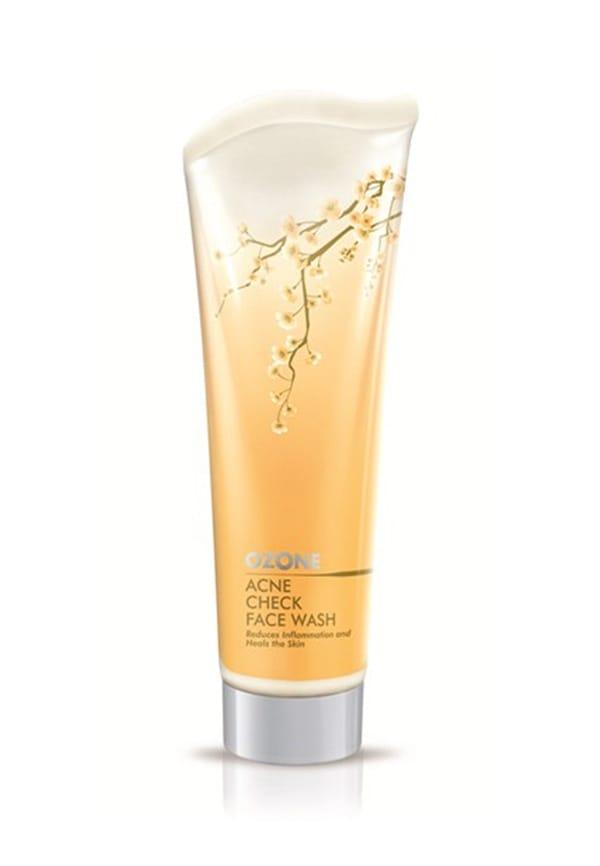
Acne Check Face Wash for Acne-Prone & Oily Skin
You don't need to spend a fortune to see results. Many effective ingredients are available in affordable drugstore products. Focus on one or two key ingredients rather than buying multiple expensive products. Consistency with a simple, effective routine often beats an elaborate, expensive one that you can't maintain.
Face wash alone cannot completely remove deep acne scars, but it can significantly improve their appearance over time. The key is setting realistic expectations—you're looking at gradual improvement in skin texture, tone, and overall clarity rather than complete scar elimination. Face wash works best as part of a comprehensive routine that may include other treatments.
Most people start noticing improvements in skin texture and tone around 6-8 weeks of consistent use. However, significant changes in scarring typically take 3-6 months or longer. Factors like scar depth, skin type, and consistency of use all affect how quickly you'll see results. Patience and consistency are absolutely crucial for success.
While the basic ingredients for treating acne scars are the same regardless of gender, men's skin tends to be thicker and oilier, which means you might tolerate stronger concentrations of active ingredients. However, the fundamental approach—gentle cleansing, appropriate actives, moisturising, and sun protection—remains the same for everyone.
Yes, but timing and layering matter. Use your cleanser first, then apply any treatment products (like serums or spot treatments) to clean skin, followed by moisturiser. If you're using prescription treatments or planning professional procedures, consult with a dermatologist about the best way to incorporate your cleansing routine.
Post-inflammatory hyperpigmentation (PIH)—those dark spots—typically responds better to topical treatments than true textural scarring. Dark spots can often be significantly improved with ingredients like vitamin C, niacinamide, and gentle acids. True scars, which involve changes in skin texture and depth, are more challenging and may require professional treatment for dramatic improvement.
Dealing with acne scars can feel overwhelming, but remember that improvement is absolutely possible with the right approach and realistic expectations. Face wash plays an important supporting role in your scar-treatment routine, helping to maintain clear skin, provide gentle exfoliation, and create the best possible environment for healing.
The key is consistency, patience, and understanding that skincare is a marathon, not a sprint. Start with one or two effective ingredients, give them time to work, and don't be afraid to seek professional help if at-home treatments aren't giving you the results you're looking for.
Your skin has been through a lot, and it deserves gentle, consistent care. With the right routine and realistic expectations, you can absolutely improve the appearance of acne scars and feel more confident in your skin. The journey might take time, but every small improvement is worth celebrating.
