Face Pigmentation FAQ: Causes, Treatments & Remedies Explained

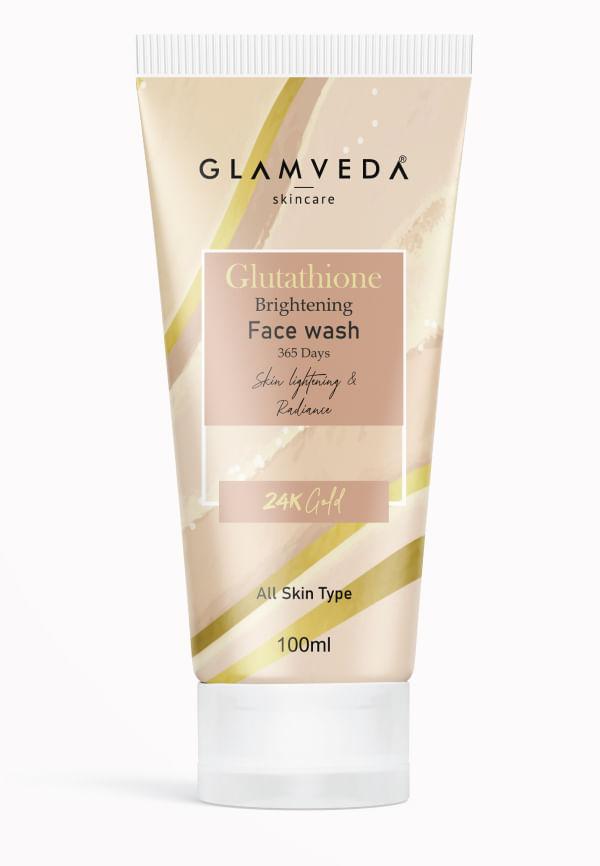 100 ml
Glutathione 24 k Gold Face Wash Reduce Dark spots & Pigmentation, Lightens skin Complexion
Face pigmentation can feel like an unwelcome guest that just won't leave. Whether it's dark spots from old breakouts, melasma from hormonal changes, or sun damage that's been building up for years, dealing with uneven skin tone can be frustrating. The good news? There are proven ways to tackle pigmentation, from professional treatments to natural remedies that actually work. Let's dive into everything you need to know about how to cure face pigmentation and get your skin back to looking its best.
Face pigmentation happens when your skin produces too much melanin in certain spots, creating those darker patches we all want to fade. It's basically your skin's way of protecting itself, but sometimes it goes a bit overboard.
Melasma shows up as brown or grey patches, usually on your cheeks, forehead, or upper lip. It's often triggered by hormonal changes during pregnancy or from birth control pills.
Post-inflammatory hyperpigmentation is what happens after acne, cuts, or any skin injury heals. Your skin basically remembers the trauma and leaves a dark mark behind.
Solar lentigines are those age spots that appear from years of sun exposure. They're flat, brown spots that love to hang out on areas that see the most sun.
Freckles are usually genetic and get darker with sun exposure. They're typically lighter than other types of pigmentation.
Sun exposure is the biggest culprit behind most pigmentation issues. UV rays trigger melanin production, and over time, this can lead to uneven patches.
Hormonal changes during pregnancy, menopause, or from certain medications can also trigger melasma and other types of discoloration.
Acne and skin injuries leave their mark through post-inflammatory hyperpigmentation, especially if you've been picking at spots.
Some people are just more prone to pigmentation due to their genetics and skin type.
When you're serious about tackling stubborn pigmentation, professional treatments can offer faster and more dramatic results than what you can achieve at home. Here's what actually works.
Hydroquinone is considered the gold standard for skin brightening. It works by blocking the enzyme that produces melanin, but you'll need a prescription for the stronger concentrations.
Tretinoin and retinoids speed up cell turnover, helping to fade dark spots whilst preventing new ones from forming. They're particularly effective for uneven skin tone correction.
Vitamin C serums provide antioxidant protection and can help brighten existing pigmentation over time. Look for stable forms like magnesium ascorbyl phosphate.
Kojic acid and azelaic acid are gentler alternatives to hydroquinone that can still deliver noticeable pigmentation reduction results.
Niacinamide helps with overall skin tone evening and can reduce the appearance of dark spots whilst being suitable for sensitive skin.
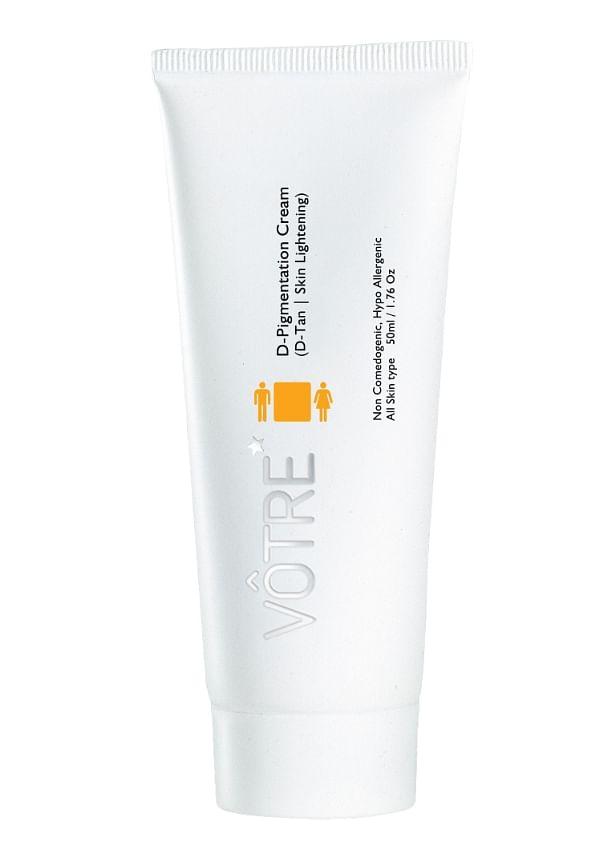 50 gm
50 gmPigmentation Cream Skin Lightening
Chemical peels remove the top layers of skin, revealing fresher, more even-toned skin underneath. Glycolic and salicylic acid peels are popular choices for pigmentation.
IPL (Intense Pulsed Light) targets melanin in dark spots and can be particularly effective for sun damage and age spots.
Q-switched laser therapy breaks down pigment particles in stubborn spots, making them easier for your body to eliminate naturally.
Microneedling stimulates collagen production and can help with overall skin renewal, including fading of dark spots.
Whilst professional treatments work faster, natural skin brightening methods can be effective for mild pigmentation and are worth trying before investing in expensive procedures. Plus, they're gentler on your skin and wallet.
Aloe vera gel contains compounds that can help lighten pigmentation whilst soothing the skin. Apply fresh gel twice daily for best results.
Green tea extract is packed with antioxidants that can help prevent further pigmentation whilst gently lightening existing spots.
Turmeric masks have anti-inflammatory properties that can help with post-acne pigmentation. Mix with honey or yogurt for a gentle brightening treatment.
Licorice root extract contains glabridin, which can help inhibit melanin production naturally.
A honey and yogurt mask combines natural enzymes and lactic acid for gentle exfoliation and brightening. Use this twice weekly for gradual improvement.
Rice water toner has been used for centuries in Asian skincare for its brightening properties. Soak rice in water overnight, strain, and use as a toner.
Tomato-based treatments provide natural vitamin C and lycopene, which can help with pigmentation over time.
Choosing the right products can make all the difference in your pigmentation journey. Here's what to look for and how to build an effective routine.
Vitamin C serums should be a staple in your morning routine. Look for concentrations between 10-20% for effectiveness without irritation.
Retinol products work best at night and can significantly improve pigmentation over 3-6 months of consistent use.
Hydroquinone alternatives like arbutin, kojic acid, and vitamin C are gentler options for sensitive skin types.
Sunscreen is absolutely non-negotiable. Choose broad-spectrum SPF 30 or higher and reapply every two hours during the day.
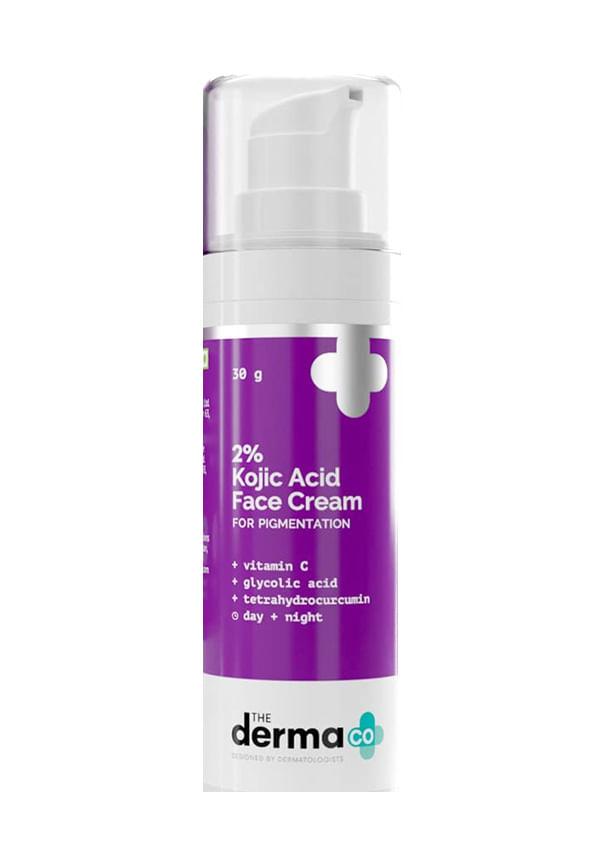 30 gm
30 gm2% Kojic Acid Cream for Pigmentation
Your morning routine should focus on protection: gentle cleanser, vitamin C serum, moisturiser, and sunscreen.
Evening is treatment time: cleanser, retinol or other active ingredients, and a nourishing moisturiser.
Weekly treatments like gentle exfoliation or brightening masks can boost your results without overdoing it.
Preventing new pigmentation is often easier than treating existing spots. Here's how to protect your skin going forward.
Daily sunscreen application is crucial, even on cloudy days. UV rays can penetrate clouds and windows, so make it a non-negotiable part of your routine.
Reapplication every 2-3 hours is essential if you're spending time outdoors or near windows.
Physical barriers like wide-brimmed hats and UV-protective clothing provide additional protection for your face.
Avoiding peak sun hours between 10 AM and 4 PM can significantly reduce your pigmentation risk.
Gentle cleansing prevents irritation that can lead to post-inflammatory hyperpigmentation.
Avoiding harsh scrubbing or picking at spots prevents trauma that can cause dark marks.
Consistent treatment application gives your skin the best chance to heal and prevent new pigmentation.
Sometimes DIY approaches aren't enough, and that's completely normal. Knowing when to seek professional help can save you time and frustration.
Rapidly changing pigmentation or spots that look different from others should be checked professionally.
Large areas of pigmentation or spots that haven't responded to over-the-counter treatments after 3-6 months may need stronger intervention.
If you're unsure about what type of pigmentation you have, a professional diagnosis can guide you towards the most effective treatment.
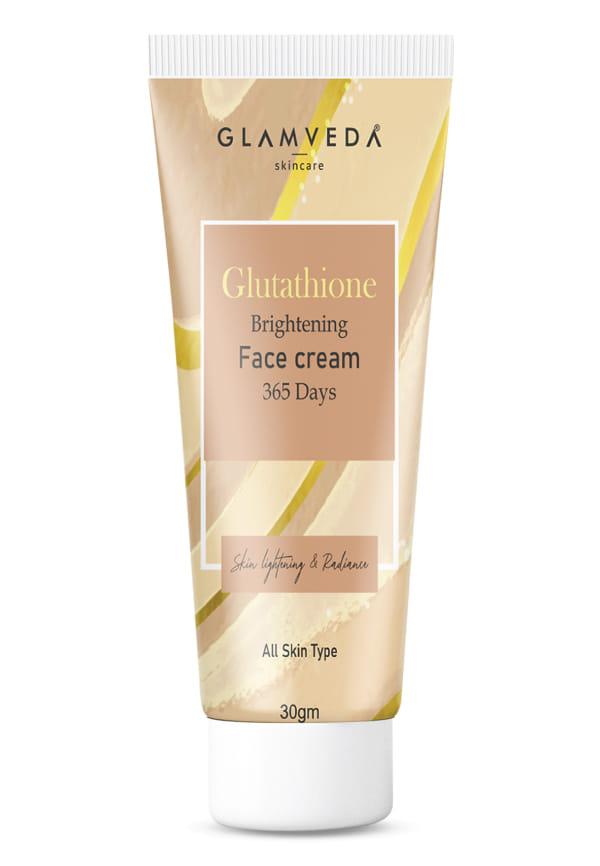 30 gm
30 gmGlutathione Brightening Face Cream Reduce Dark spots & Age spots with Vitamin C
Your dermatologist will analyse your skin type, pigmentation pattern, and medical history to create a customised treatment plan.
They'll discuss realistic timelines and expected results based on your specific situation.
Safety considerations for your skin type will be addressed, especially if you have darker skin that's more prone to post-inflammatory hyperpigmentation.
The journey to clear, even skin doesn't have to be overwhelming or expensive. With platforms like Smytten, you can explore different skincare products without the commitment of full-size purchases. As India's largest product discovery platform, Smytten offers curated trial packs from over 1,500 trusted brands including Cetaphil, Dot & Key, and Bella Vita. You can try up to 8 minis for just ₹249, with 100% cashback redeemable for future orders. This makes it easier to find the best products for pigmentation that actually work for your skin type without breaking the bank.
Most types of pigmentation can be significantly improved or completely cleared with the right treatment approach. However, some conditions like melasma may require ongoing maintenance to prevent recurrence. The key is finding the right combination of treatments and being consistent with your routine.
You can typically expect to see initial improvements within 4-6 weeks of consistent treatment. More dramatic results usually appear after 3-6 months. Professional treatments may show faster results, whilst natural remedies generally take longer but can still be effective.
Melasma is hormonally triggered and often requires a more comprehensive approach including sun protection, topical treatments, and sometimes professional procedures. It's also more likely to recur than other types of pigmentation, so maintenance is crucial.
Natural skin brightening methods can be effective for mild pigmentation and are worth trying as a first step. Ingredients like vitamin C, kojic acid, and arbutin found in natural sources have scientific backing. However, they typically work slower than professional treatments.
Yes, many people see good results with consistent use of over-the-counter products containing proven ingredients like retinol, vitamin C, and niacinamide. The key is patience and consistency, as these methods take longer than professional procedures.
Sudden pigmentation can be triggered by hormonal changes, new medications, increased sun exposure, or skin trauma from acne or injuries. If you notice rapid changes in your pigmentation, it's worth consulting a dermatologist to rule out any underlying conditions.
Consistent sun protection is the most important factor in preventing new pigmentation. This means daily sunscreen use, protective clothing, and avoiding peak sun hours. Maintaining a gentle skincare routine and treating acne promptly can also prevent post-inflammatory hyperpigmentation.
Learning how to cure face pigmentation is a journey that requires patience, consistency, and the right approach for your skin type. Whether you choose professional treatments, natural remedies, or a combination of both, the most important factors are sun protection and consistency. Remember that what works for one person might not work for another, so don't be afraid to experiment with different approaches until you find your perfect routine. With the right strategy and realistic expectations, achieving clearer, more even-toned skin is absolutely possible.
