Day Cream vs Night Cream for Indian Skin: FAQ


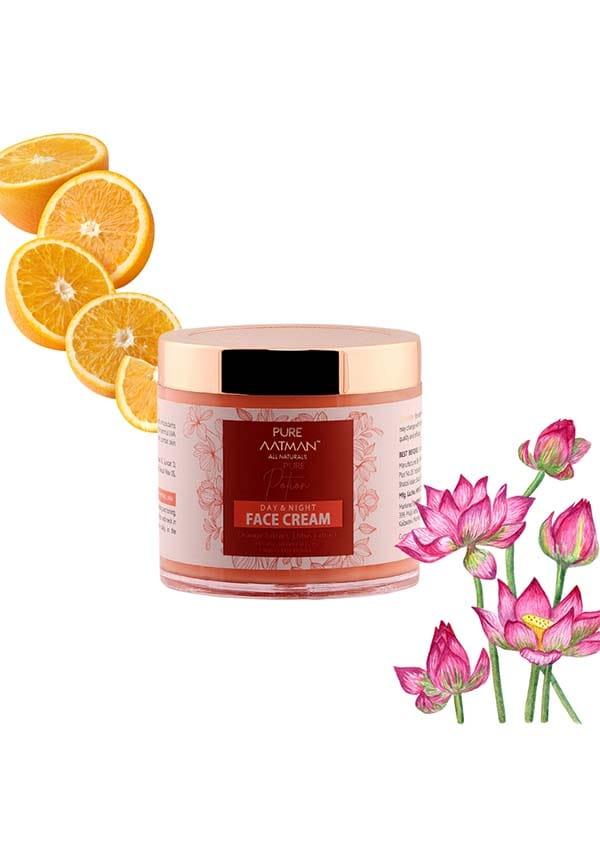
Best Moisturizer For Dry Skin Day & Night Cream
You've probably stood in the skincare aisle wondering whether you actually need both a day cream and a night cream, or if one good moisturiser could do the job for both. It's a fair question, especially when your skin seems to have different needs depending on whether you're facing Mumbai's humidity or Delhi's pollution. The truth is, your skin operates on a 24-hour cycle, and what it needs at 8 AM is quite different from what it craves at 10 PM.
Your skin doesn't just sit there looking pretty—it's constantly working. During the day, it's in protection mode, defending against UV rays, pollution, and environmental stressors that are particularly intense in Indian cities. At night, it switches to repair mode, focusing on healing damage and regenerating new cells. This natural rhythm is why day cream vs night cream isn't just marketing speak—it's science.
Think of it like this: your day cream is your skin's bodyguard, whilst your night cream is its personal trainer. Both are essential, but they have completely different jobs.
Indian skin faces unique challenges that make this day-night distinction even more important. During the day, especially in cities like Bangalore or Chennai, your skin battles pollution particles, UV radiation, and temperature fluctuations. Your skin's natural oil production also peaks around midday, which is why that T-zone shine appears just when you need to look fresh for afternoon meetings.
At night, your skin temperature rises slightly, blood flow increases, and cell turnover accelerates. This is when your skin does its heavy lifting—repairing DNA damage, producing collagen, and shedding dead skin cells. It's also when your skin loses the most water, making overnight hydration crucial.
Day creams are formulated to be lightweight, fast-absorbing, and protective. They often contain SPF, antioxidants, and ingredients that create a barrier against environmental damage. The texture is designed to work well under makeup and not feel heavy in humid weather.
Night creams are typically richer and more treatment-focused. They contain higher concentrations of active ingredients like retinol, peptides, and AHAs that work best when your skin isn't exposed to sunlight. The thicker texture helps lock in moisture overnight when your skin naturally loses hydration.
Your morning skincare routine sets the tone for how your skin handles the day ahead. In India's diverse climate zones—from coastal humidity to northern dryness—your moisturiser for day needs to be a multitasker that protects whilst keeping your skin comfortable.
UV protection is non-negotiable. Indian skin, whilst naturally containing more melanin for some protection, still needs broad-spectrum SPF to prevent premature ageing and hyperpigmentation. Your day cream should ideally contain at least SPF 30, though SPF 50 is better for extended outdoor exposure.
Pollution defence is equally crucial. Cities like Delhi and Mumbai expose your skin to particulate matter that can clog pores and cause inflammation. Day creams with antioxidants help neutralise free radicals before they damage your skin cells.
Look for hyaluronic acid for lightweight hydration that doesn't feel sticky in humidity. Niacinamide is brilliant for controlling oil production whilst strengthening your skin barrier. Vitamin C provides antioxidant protection and helps brighten skin over time.
For Indian skin specifically, zinc oxide or titanium dioxide-based sunscreens often work better than chemical filters, especially for sensitive skin. These mineral ingredients sit on top of your skin rather than absorbing into it, making them less likely to cause irritation.
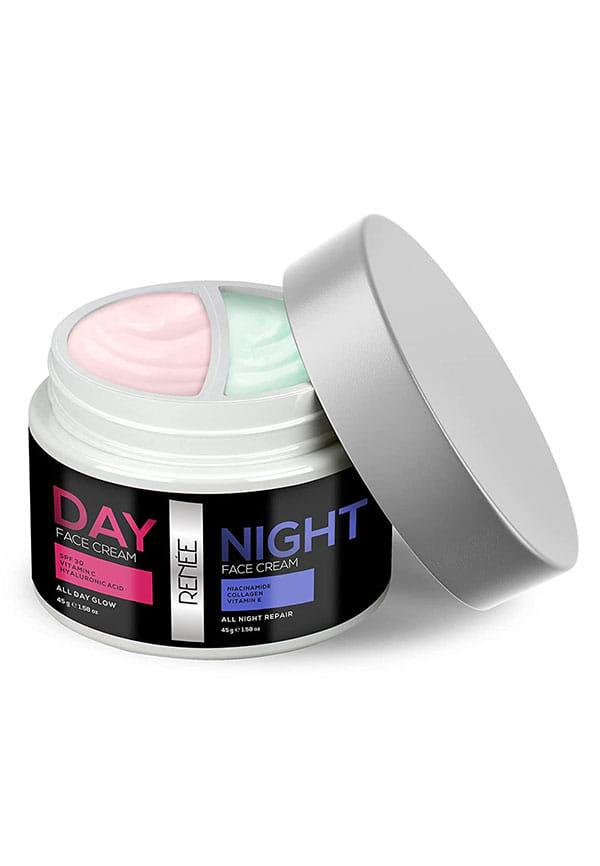
Day & Night Cream
Your evening routine is when the real magic happens. After cleansing away the day's grime and pollution, your moisturiser for night becomes your skin's recovery partner. This is when you can use stronger ingredients that might be too potent or photosensitive for daytime use.
Without the need for sun protection or makeup compatibility, night creams can focus entirely on treatment and repair. Your skin's permeability increases at night, meaning active ingredients can penetrate deeper and work more effectively. This is why many anti-aging creams are designed for nighttime use.
The absence of environmental stressors also means your skin can dedicate all its energy to healing and regeneration rather than defence. This is when collagen production peaks and cell turnover accelerates—processes that slow down as we age but can be supported with the right ingredients.
Retinol is the gold standard for anti-ageing, helping to speed up cell turnover and reduce fine lines. Start slowly with retinol, especially if you have sensitive Indian skin that might be reactive to new ingredients. Peptides work to stimulate collagen production, helping maintain skin firmness and elasticity.
For those dealing with post-acne marks or uneven skin tone—common concerns for Indian skin—gentle AHAs like lactic acid can help fade hyperpigmentation over time. Rich moisturising ingredients like ceramides and shea butter help repair and strengthen your skin barrier overnight.
A good skincare routine isn't about using the most products—it's about using the right products at the right time. For Indian skin, this means considering not just your skin type but also your local climate, pollution levels, and lifestyle factors like air conditioning exposure or frequent travel between different weather zones.
Start with a gentle cleanser to remove overnight buildup, then apply your day cream with SPF. If you're using a separate moisturiser and sunscreen, the moisturiser goes first, followed by SPF after it's absorbed. In humid climates like Kerala or Goa, you might prefer a lighter gel-based day cream, whilst drier regions like Rajasthan might call for something more nourishing.
The key is consistency rather than complexity. A simple routine you'll actually follow is better than an elaborate one you'll skip when running late for work.
Double cleansing is particularly important for Indian skin exposed to pollution and dust. Follow with any treatment serums, then your night cream. If you're using multiple active ingredients, introduce them gradually to avoid irritation. Your skin needs time to adjust, especially to stronger ingredients like retinol or acids.
Remember that your evening routine can be more elaborate since you're not rushing out the door. This is when you can take time for gentle facial massage whilst applying your night cream, boosting circulation and helping products absorb better.
Real talk: we've all been tempted to use whatever cream is within reach, regardless of the time of day. But understanding why day and night creams are formulated differently can help you make better choices for your skin's long-term health.
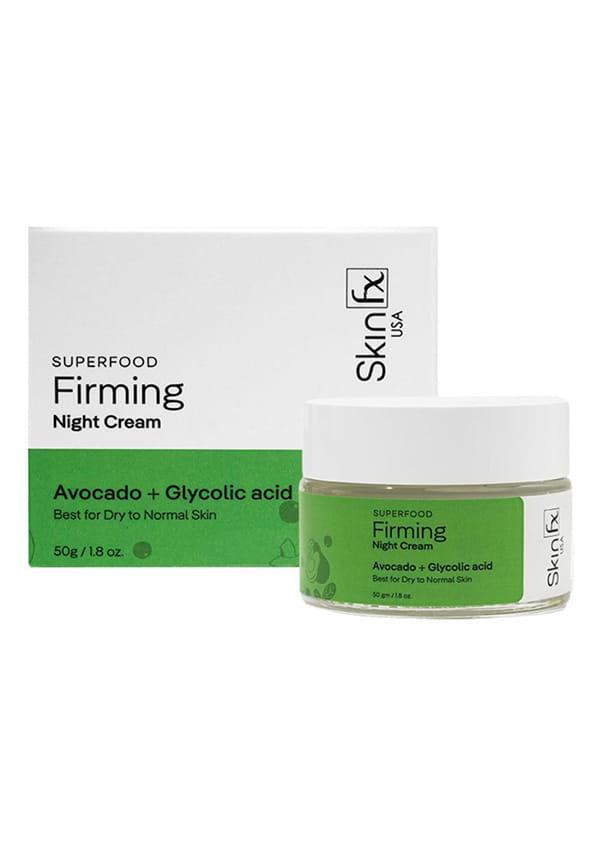
Superfood Firming Night cream, Best Night Cream for Glowing Skin, Night Cream
Using day cream at night won't harm your skin, but you'll miss out on the treatment benefits that night creams offer. Day creams are formulated for protection and often contain SPF, which your skin doesn't need while you sleep. You're essentially using a defensive product when your skin is ready for repair work.
The lightweight texture of most day creams also means you might not get enough overnight hydration, especially if you sleep in air conditioning or live in a dry climate.
If your skin is particularly dry or you're dealing with barrier damage from over-exfoliation or environmental stress, layering a light moisturiser under your night cream can provide extra hydration. Apply the thinner product first, let it absorb, then follow with your night cream.
This technique works well during winter months or if you're using active ingredients that might be drying, like retinol or acids. Just ensure the products are compatible and won't pill or feel uncomfortably heavy.
A good basic moisturiser can work for both day and night if you're just starting your skincare journey or working with a tight budget. However, as your skin's needs become more specific—whether that's anti-ageing, acne management, or hyperpigmentation—targeted day and night products will serve you better.
Think of it as an investment in your skin's future. The difference might not be dramatic immediately, but consistent use of appropriate products shows results over months and years.
Indian skin varies tremendously—from oily, acne-prone skin in humid coastal areas to dry, sensitive skin in northern plains. Your best creams for Indian skin should match not just your skin type but also your environment and lifestyle.
Look for gel-based or lightweight lotion day creams that won't add to shine but still provide adequate hydration and SPF protection. Niacinamide is particularly beneficial for controlling oil production whilst maintaining skin barrier function.
For night, choose oil-free formulations with ingredients like salicylic acid or retinol that help with pore congestion and cell turnover. Avoid heavy, occlusive ingredients that might clog pores.
Rich, nourishing day creams with ceramides and hyaluronic acid help maintain hydration throughout the day. Look for mineral sunscreens rather than chemical ones, as they're less likely to cause irritation.
Night creams with ingredients like peptides, shea butter, and squalane help repair and strengthen the skin barrier overnight. Avoid products with strong fragrances or essential oils that might trigger sensitivity.
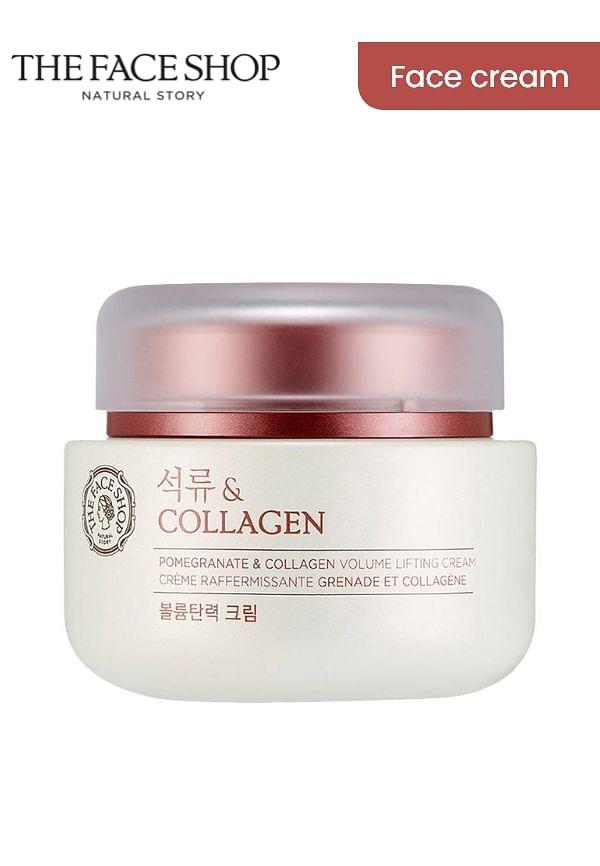
Pomegranate And Collagen Infused Day & Night Cream
Day creams with antioxidants like vitamin C and broad-spectrum SPF help prevent further damage whilst addressing existing concerns. Look for formulations that also contain peptides for firming benefits.
Night creams with retinol or retinyl palmitate (a gentler alternative) help accelerate cell turnover and reduce fine lines. Combine with hydrating ingredients to prevent irritation and maintain skin comfort.
Neither is inherently better—they serve different purposes in your skincare routine. Day creams focus on protection from environmental damage and UV rays, whilst night creams concentrate on repair and regeneration. For optimal skin health, you need both working together as a team.
Day creams for Indian skin typically contain SPF protection, antioxidants, and lightweight textures suitable for humid climates and pollution exposure. Night creams are richer, contain higher concentrations of active ingredients like retinol or AHAs, and focus on repair and hydration without sun protection factors.
Yes, you can use a basic moisturiser both morning and evening, especially if you're new to skincare or have a simple routine. However, using targeted day and night products will better address your skin's specific needs—protection during the day and repair at night.
Whilst not absolutely mandatory, using both optimises your skin's health and appearance over time. Day moisturisers with SPF protect against premature ageing, whilst night creams with active ingredients help address specific concerns like fine lines, uneven tone, or dehydration more effectively than a single product could.
Avoid photosensitive ingredients like retinol, high concentrations of AHAs, or vitamin A in day creams, as these can increase sun sensitivity. Also skip heavy, occlusive ingredients that might feel uncomfortable under makeup or in humid weather.
You can, but you'll need to apply a separate sunscreen on top. Night creams are often heavier and might not work well under makeup or in hot, humid weather. They're formulated for overnight use when your skin can handle richer textures and active ingredients.
Understanding the difference between day and night creams isn't about complicating your routine—it's about working with your skin's natural rhythms for better results. Your skin faces different challenges at different times, and using products designed for those specific needs makes sense.
For Indian skin dealing with pollution, UV exposure, humidity, and temperature fluctuations, this targeted approach becomes even more valuable. A good day cream protects and prepares your skin for environmental challenges, whilst a quality night cream helps repair damage and maintain healthy skin function.
The key is finding products that work for your specific skin type, climate, and concerns. Whether you're dealing with oily skin in Mumbai's humidity or dry skin in Delhi's winter, the right combination of day and night products can make a noticeable difference in your skin's health and appearance over time.
If you're curious about trying different formulations before committing to full-size products, platforms like Smytten offer a smart way to explore various brands and find what works best for your unique skin needs. With access to curated products from trusted brands and the ability to test before you invest, you can build a routine that truly serves your skin without the guesswork.
