Cystic Acne FAQ: Causes, Scars on Indian Skin & Treatments Answered

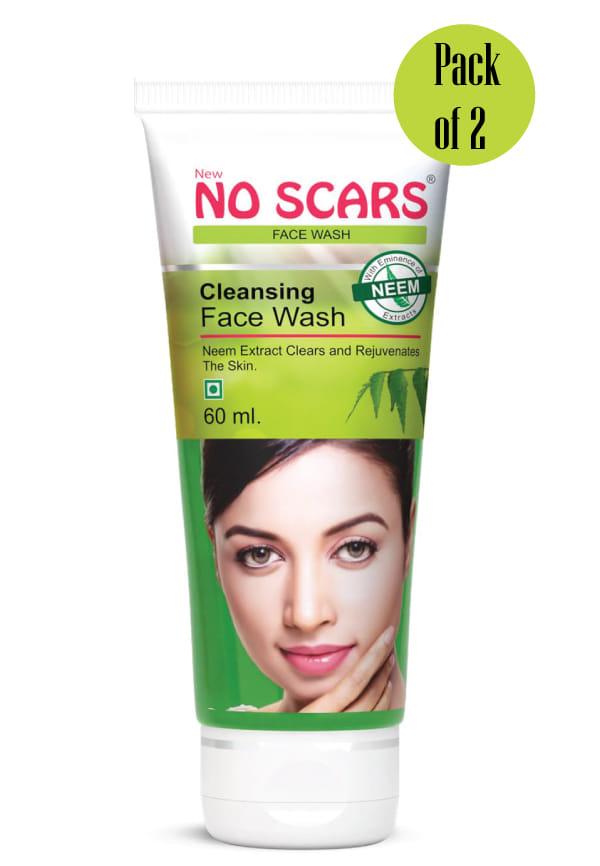
Neem Face Wash,Rejuvenates Skin And Fights Acne With Neem Extracts
You wake up to find a painful, deep bump on your jawline that wasn't there yesterday. It's tender to touch, sits deep under the skin, and feels like it might never surface. If this sounds familiar, you're likely dealing with cystic acne — one of the most challenging forms of acne that affects millions of people, particularly those with Indian skin. Unlike the occasional whitehead or blackhead, cystic acne forms deep within the skin and often leaves lasting reminders in the form of scars and dark spots. Understanding why this happens and how to address it properly can make all the difference in your skin journey.
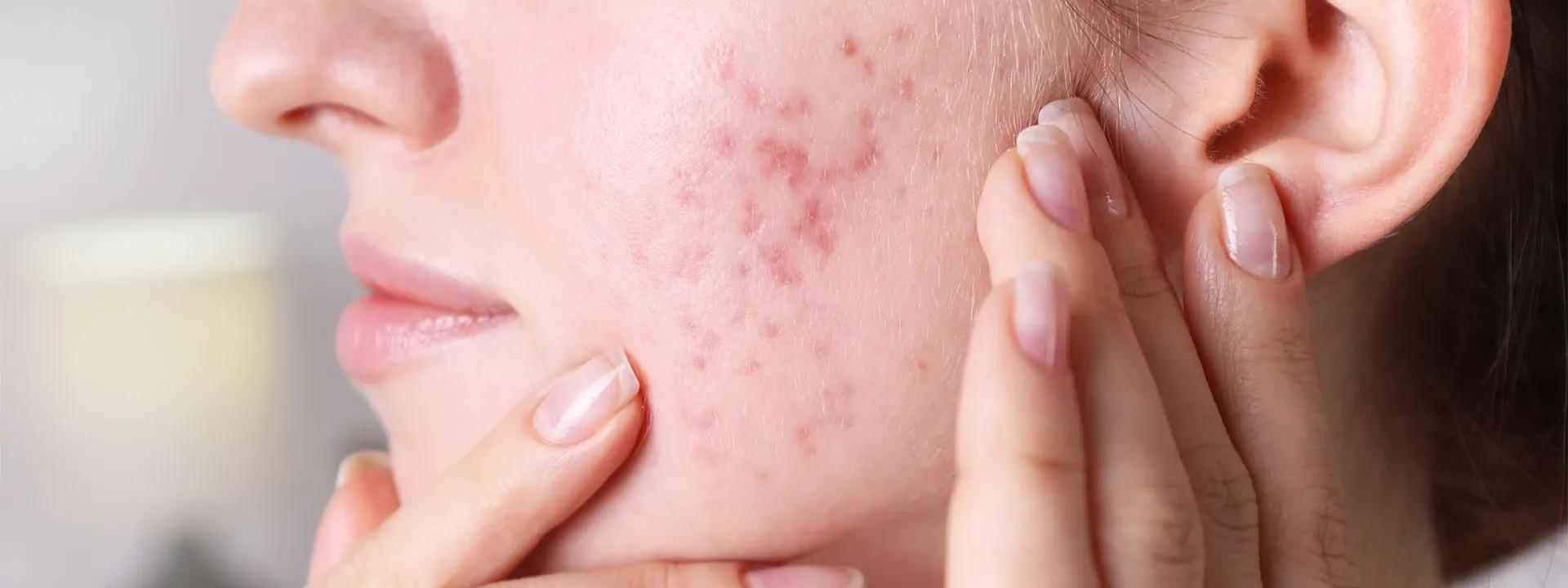
Cystic acne represents the most severe form of inflammatory acne, characterised by large, painful, pus-filled lesions that develop deep within the skin. Unlike surface-level breakouts, these cysts form when hair follicles become completely blocked with oil, dead skin cells, and bacteria, creating an infection that extends far below the skin's surface.
Cystic lesions appear as large, red, inflamed bumps that feel firm and painful to touch. They rarely come to a head like regular spots, instead remaining as deep, tender nodules that can persist for weeks or even months. The key difference lies in their depth — while regular acne affects the upper layers of skin, cystic acne penetrates deep into the dermis, causing significant tissue damage and inflammation.
Several factors contribute to the development of severe cystic breakouts. Hormonal acne plays a major role, particularly fluctuations in androgens that increase sebum production. This excess oil, combined with dead skin cells, creates the perfect environment for Cutibacterium acnes bacteria to thrive. Genetic predisposition also matters — if your parents experienced severe acne, you're more likely to develop it too. Stress, certain medications, and even dietary factors can trigger or worsen cystic breakouts.
Indian skin presents unique characteristics that influence how cystic acne develops and heals. The higher melanin content in Indian skin types, whilst providing natural sun protection, also means that any inflammation can trigger excessive pigment production, leading to more pronounced and longer-lasting dark spots.
Research shows that South Asian populations often have more active sebaceous glands, which can contribute to increased oil production and subsequent acne formation. The humid climate in many parts of India, combined with pollution and dust, creates additional challenges for acne-prone skin. Cultural practices like frequent oil application to hair and skin, whilst beneficial in many ways, can sometimes contribute to pore blockage if not balanced with proper cleansing.
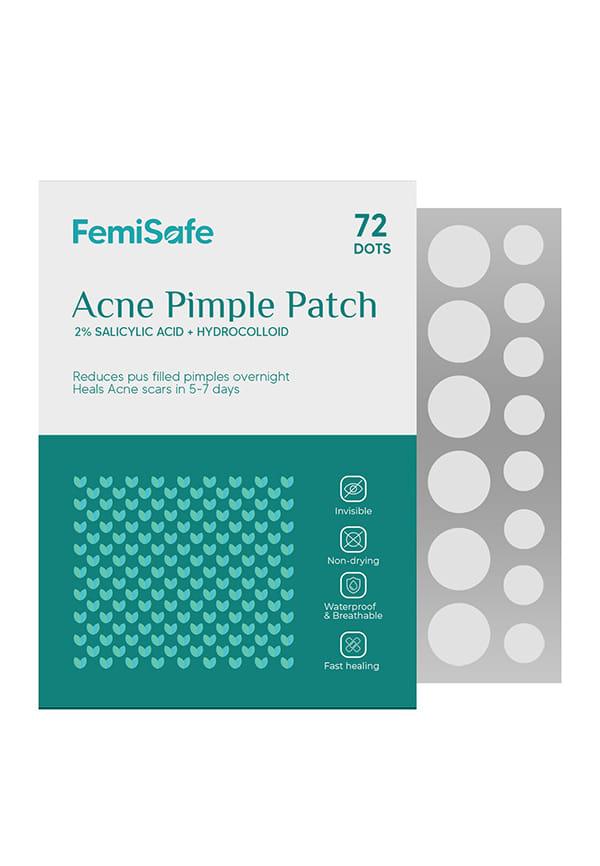
Acne Pimple Patch
Post-inflammatory hyperpigmentation (PIH) occurs more frequently and intensely in Indian skin due to higher melanocyte activity. When cystic acne causes deep inflammation, these pigment-producing cells go into overdrive, creating dark spots that can persist for months or years after the original lesion has healed. This is why many people with Indian skin find that the dark marks from acne often outlast the actual breakouts themselves.
The relationship between cystic acne and scarring is unfortunately straightforward — the deeper and more inflamed the lesion, the greater the chance of permanent tissue damage. Understanding this process helps explain why early intervention is so crucial.
When cystic lesions form deep in the dermis, they trigger an intense inflammatory response that can destroy collagen and elastin fibres. As the skin attempts to heal, it may produce too little collagen (creating depressed scars) or too much (forming raised scars). Severe acne scars typically fall into three categories: ice pick scars (deep, narrow indentations), boxcar scars (wider, rectangular depressions), and rolling scars (wave-like undulations). Cystic acne most commonly creates ice pick and boxcar scars due to the significant tissue destruction it causes.
Prevention remains the most effective approach to managing acne scars. Early, aggressive treatment of cystic acne significantly reduces the risk of permanent scarring. Once scars form, they become much more challenging to address, requiring professional interventions that can be costly and time-consuming. The key is recognising when home care isn't sufficient and seeking professional help promptly.
Effective cystic acne treatment typically requires a multi-faceted approach that addresses both the immediate lesions and the underlying causes. The severity of your condition will determine which treatments are most appropriate.
For moderate to severe cases, dermatologists often prescribe oral medications such as isotretinoin, which reduces oil production and prevents new cysts from forming. Antibiotics may help control bacterial overgrowth, whilst hormonal therapy can be particularly effective for women whose breakouts correlate with their menstrual cycle. For individual cysts, cortisone injections can provide rapid relief and prevent scarring.

Acne End Face Wash | Only For Sensitive Skin with Intense Acne
A consistent, gentle routine forms the foundation of any cystic acne treatment plan. Start with a mild, non-comedogenic cleanser that won't strip your skin's natural barrier. Follow with treatments containing ingredients like salicylic acid or benzoyl peroxide, but introduce them gradually to avoid irritation. Always finish with a lightweight, oil-free moisturiser and broad-spectrum SPF during the day — sun protection is crucial for preventing PIH from worsening.
Once scars have formed, several professional treatments can help improve their appearance. However, it's important to choose treatments that are safe and effective for Indian skin tones.
Laser therapy requires careful consideration for darker skin tones, as some lasers can cause hyperpigmentation. Fractional lasers and certain radiofrequency treatments tend to be safer options. Chemical peels using glycolic acid or salicylic acid can help improve surface texture and reduce PIH. Microneedling has shown excellent results for Indian skin, stimulating collagen production without the risk of pigmentation changes. For very deep scars, dermal fillers can provide temporary improvement by lifting depressed areas.
Whilst professional treatments offer the most dramatic results, certain natural ingredients can support scar healing. Niacinamide helps reduce inflammation and can fade PIH over time. Vitamin C serums support collagen production and brighten dark spots. Aloe vera gel provides soothing anti-inflammatory benefits. However, it's important to have realistic expectations — natural remedies work slowly and are most effective for mild scarring and pigmentation.
Individual cysts typically take 2-6 weeks to resolve completely, though some may persist longer. The overall healing timeline depends on the severity of your condition, treatment approach, and individual skin response. With proper treatment, most people see significant improvement within 3-6 months, though complete clearance may take longer.
Hormonal acne can be effectively managed and controlled, but it often requires ongoing maintenance rather than a one-time cure. Many people experience long periods of clear skin with appropriate treatment, though hormonal fluctuations may occasionally trigger new breakouts. The key is finding a sustainable routine that keeps your skin balanced.
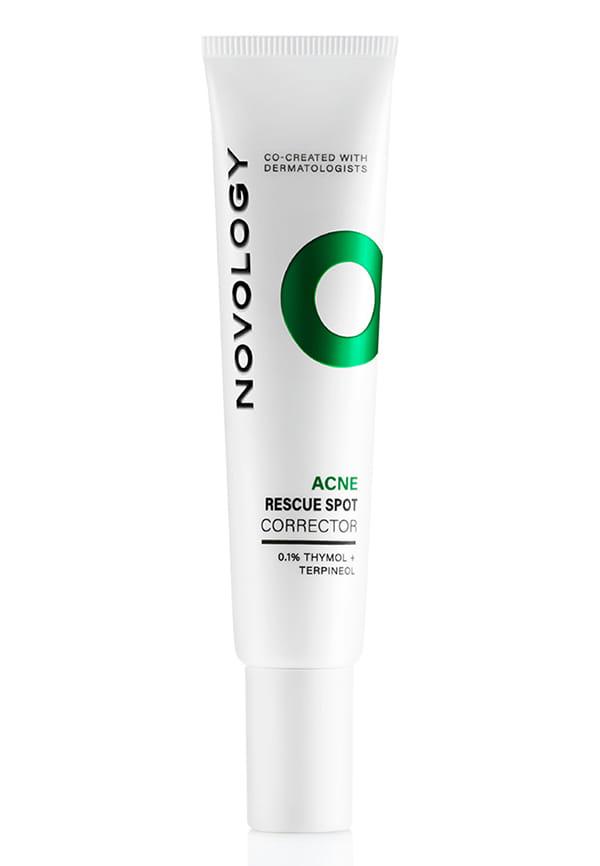
Acne Spot Corrector,For Acne Prone Skin
Prevention focuses on maintaining a consistent skincare routine, managing stress levels, and avoiding known triggers. This includes using non-comedogenic products, changing pillowcases regularly, avoiding touching your face, and maintaining a balanced diet. For those with hormonal acne, working with a healthcare provider to balance hormones can be crucial.
Seek professional help if you have more than a few cysts at a time, if over-the-counter treatments haven't helped after 6-8 weeks, or if you're developing scars or significant PIH. Early intervention is key to preventing permanent damage and achieving faster clearance.
Regular acne typically affects the upper layers of skin and includes blackheads, whiteheads, and small inflammatory bumps. Cystic acne forms deep within the skin, creating large, painful lesions that don't come to a head. Cystic acne is more likely to cause scarring and PIH, particularly on Indian skin.
Mild cases may respond to consistent home care with gentle cleansing, spot treatments, and proper moisturising. However, moderate to severe cystic acne typically requires professional treatment to prevent scarring and achieve effective clearance. Never attempt to squeeze or pick at cysts, as this can worsen inflammation and increase scarring risk.
Understanding cystic acne and its impact on Indian skin is the first step towards effective treatment and prevention. This challenging condition requires patience, consistency, and often professional intervention to achieve the best results. Remember that healing takes time, and what works for one person may not work for another — finding the right approach for your skin is a journey worth taking.
The key to success lies in early intervention, gentle but effective skincare, and realistic expectations about timelines. Whether you're dealing with active breakouts or the aftermath of scarring and PIH, there are proven treatments available that can help restore your skin's health and your confidence.
For those exploring new skincare products to support their acne treatment journey, platforms like Smytten offer a smart way to test products before committing to full sizes. With access to curated selections from trusted brands and the ability to try minis first, you can discover what works for your unique skin needs without the risk of wasting money on products that might not suit you.
