Combining Vitamin C with Niacinamide: Myth or Fact?


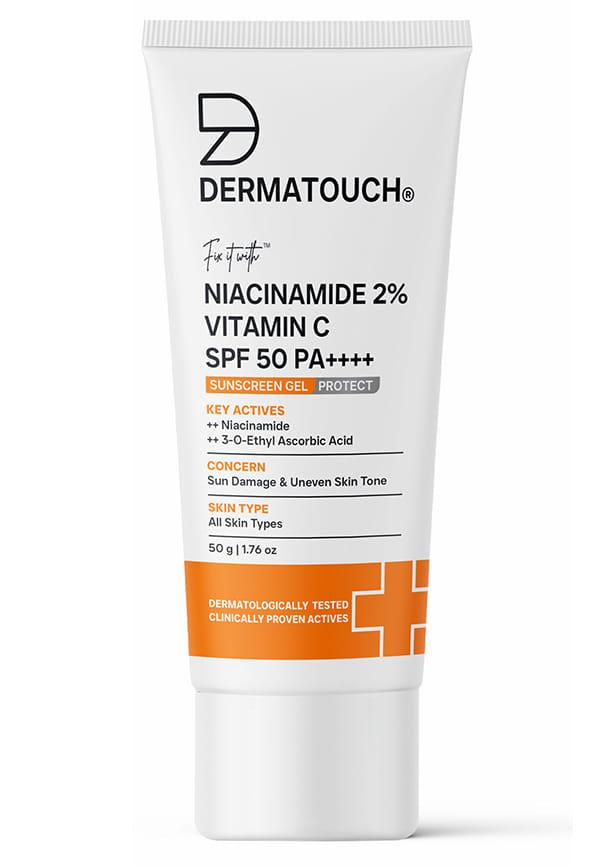 50g
50gNiacinamide 2% Vitamin C Sunscreen for glowing skin, SPF 50+ PA ++++
You've probably heard it whispered in skincare circles or seen it debated in beauty forums: "Never use vitamin C and niacinamide together!" This warning has been floating around for years, causing confusion and forcing many of us to choose sides in our morning routines. But what if this widely-believed skincare rule is actually outdated advice? Real talk — the science has moved on, and it's time we did too.
This persistent myth didn't appear out of nowhere. It stems from early skincare research and formulation challenges that painted a picture of these two powerhouse ingredients as sworn enemies. Understanding where this misconception came from helps us see why it's time to let it go.
The original concern about combining vitamin C with niacinamide dates back to older formulation science from the 1960s. Early studies suggested that when niacinamide and vitamin C were mixed in certain conditions — particularly at high temperatures and specific pH levels — they could potentially form nicotinic acid, which might cause skin flushing. However, these studies were conducted under laboratory conditions that don't reflect real-world skincare use.
The research also focused on much higher concentrations than what we typically find in skincare products today. Most modern formulations contain 2-20% vitamin C and 2-10% niacinamide — levels that are far below the concentrations that caused concern in those early studies.
Once this cautionary tale entered skincare folklore, it stuck around for several reasons. Conservative brand messaging played a role — many companies preferred to err on the side of caution rather than risk customer complaints. Social media amplified these concerns, with well-meaning skincare enthusiasts sharing the "rule" without questioning its current validity.
The beauty industry's tendency to overcomplicate routines also contributed. If brands could convince you that certain ingredients couldn't be used together, you'd need multiple products and elaborate routines — which, coincidentally, meant more sales.
Here's where things get interesting. Modern research tells a completely different story about vitamin C niacinamide interaction. The short answer? Yes, you absolutely can use them together, and your skin will likely thank you for it.
Recent studies from 2019 onwards have systematically debunked the incompatibility myth. Research published in dermatological journals shows that when vitamin C and niacinamide are formulated properly — which most reputable brands do today — they remain stable and effective when used together.
Modern stability testing has proven that contemporary skincare formulations can successfully combine these ingredients without the feared conversion to nicotinic acid. The key lies in proper pH balancing and formulation techniques that weren't available decades ago when the original concerns arose.
When you layer niacinamide and vitamin C together on your skin, they work independently without interfering with each other's mechanisms. Vitamin C penetrates the skin and gets to work on collagen synthesis and antioxidant protection, whilst niacinamide focuses on regulating sebum production and strengthening the skin barrier.
The molecular weights and absorption pathways of these ingredients are different enough that they don't compete for the same receptors or pathways in your skin. Think of them as two different workers in the same office — they're both doing important jobs, but they're not stepping on each other's toes.
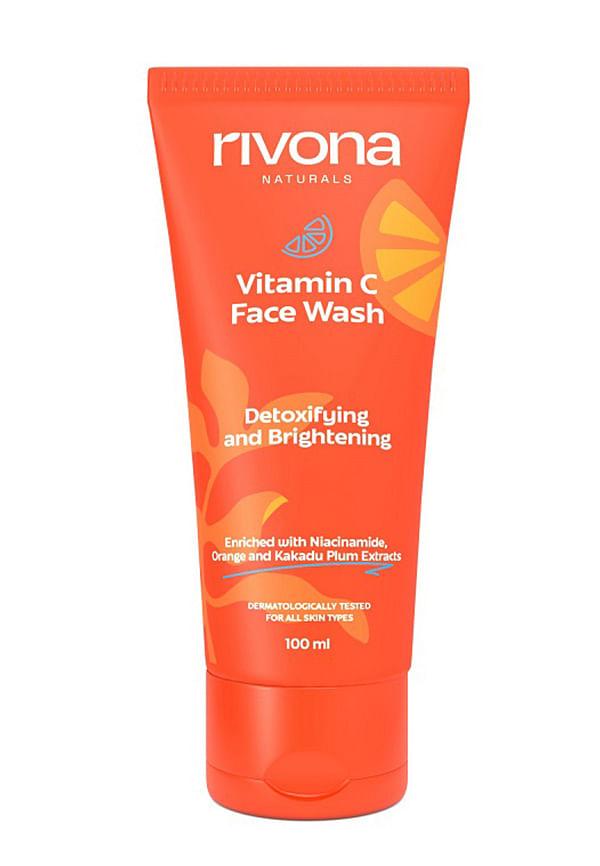 100 ml
Vitamin-C Facewash with Niacinamide for Deep Cleanse
Now for the exciting part — what happens when you embrace this powerful duo? The benefits of vitamin c and niacinamide benefits working in tandem are genuinely impressive and backed by solid research.
When vitamin C and niacinamide team up, they create a formidable defence against environmental damage. Vitamin C neutralises free radicals from UV exposure and pollution, whilst niacinamide helps repair the damage that's already occurred. This dual approach means your skin gets both preventative and reparative benefits in one routine.
This combination is particularly brilliant for those dealing with post-inflammatory hyperpigmentation or general dullness from city living. The antioxidant boost helps prevent new damage whilst addressing existing concerns.
Here's where the magic really happens. Vitamin C stimulates collagen production, helping to smooth fine lines and improve skin firmness. Meanwhile, niacinamide works on pore appearance and oil regulation, creating a smoother canvas overall.
For those struggling with uneven skin tone, this combination addresses multiple causes. Vitamin C tackles melanin production to prevent new dark spots, whilst niacinamide helps fade existing discolouration and reduces the inflammation that can lead to post-acne marks.
One of the most underrated benefits of this pairing is how niacinamide can actually buffer some of vitamin C's potential irritation. If you've found straight vitamin C serums too harsh, adding niacinamide to your routine might be the solution you've been looking for.
Niacinamide's anti-inflammatory properties help calm the skin whilst vitamin C does its work, making this combination suitable for sensitive skin types who might otherwise struggle with active ingredients.
Getting the application right is crucial for maximising benefits and avoiding any potential irritation. The good news is that combining actives skincare doesn't have to be complicated once you understand the basics.
Most dermatologists recommend using vitamin C in the morning for its protective antioxidant benefits. It works beautifully under SPF and helps defend against daily environmental stressors. Niacinamide, being gentler and more versatile, can be used morning or evening — or even twice daily if your skin tolerates it well.
For beginners, starting with vitamin C in the morning and niacinamide in the evening allows your skin to adapt gradually. Once you're comfortable with both ingredients separately, you can experiment with using them together.
The question of niacinamide before or after vitamin c depends on the specific products you're using. Generally, apply products from thinnest to thickest consistency. If you're using a vitamin C serum and a niacinamide serum with similar textures, vitamin C typically goes first as it often has a lower pH.
Wait about 10-15 minutes between applications to allow each product to absorb properly. This isn't strictly necessary for efficacy, but it helps prevent pilling and ensures each ingredient can do its job without interference.
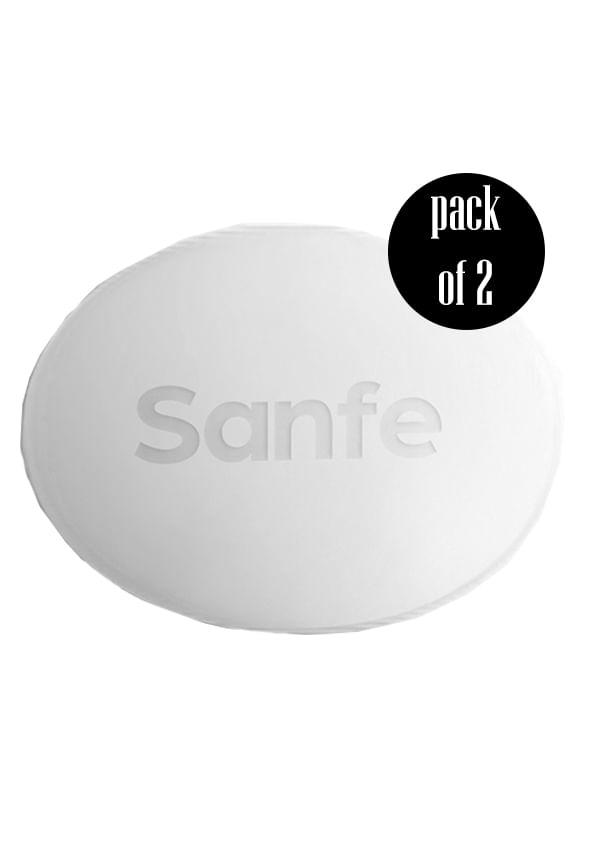 75 gm + 75 gm
Glutathione+Niacinamide+Vitamin C Brightening Soap | Duo Pack
A typical morning routine incorporating both ingredients might look like this: cleanser, vitamin C serum, niacinamide serum (if using both), moisturiser, and SPF. In the evening, you might use: cleanser, niacinamide serum, other treatments, and night moisturiser.
Remember that consistency matters more than perfection. It's better to use these ingredients regularly in a simple routine than to create an elaborate system you can't maintain.
With the myth busted, you might be wondering whether to choose a vitamin c serum with niacinamide in one product or use separate serums. Both approaches have their merits, and the best choice depends on your skin's needs and your routine preferences.
Combination products offer convenience and ensure the ingredients are formulated to work together harmoniously. They're perfect for streamlined routines and travel. However, separate serums give you more control over concentrations and allow you to adjust usage based on your skin's changing needs.
If you're dealing with specific concerns like stubborn hyperpigmentation, you might benefit from a higher concentration vitamin C serum paired with a targeted niacinamide treatment. For general skin health and prevention, a well-formulated combination product might be ideal.
When shopping for vitamin C products, look for stable forms like L-ascorbic acid (the most potent), magnesium ascorbyl phosphate, or sodium ascorbyl phosphate. For niacinamide, concentrations between 2-10% are most effective, with 5% being the sweet spot for most skin types.
Supporting ingredients like hyaluronic acid, vitamin E, and ceramides can enhance the benefits of both vitamin C and niacinamide whilst providing additional hydration and barrier support.
While vitamin C and niacinamide play well together, there are some skincare ingredients to avoid when building your routine around these actives. Retinol and vitamin C can be too stimulating when used together, especially for sensitive skin. Similarly, strong acids like glycolic acid might be best used on alternate days when you're first introducing vitamin C.
Always patch test new combinations and introduce one new product at a time to identify any potential sensitivities.
Even with the myth debunked, there are still ways to go wrong when incorporating these ingredients into your routine. Learning from others' mistakes can save your skin from unnecessary irritation.
The biggest mistake is starting with high concentrations of both ingredients simultaneously. Your skin needs time to build tolerance, especially to vitamin C. Begin with lower concentrations and gradually increase as your skin adapts.
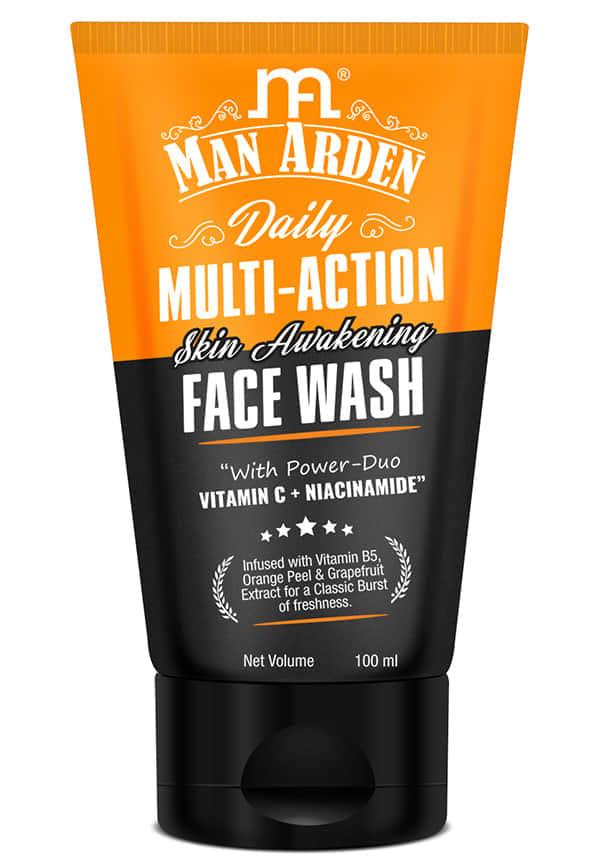 100 ml
Vitamin C Daily Multi-Action Skin Awakening & Brightening Face Wash Vitamin C + Niacinamide
Using these actives twice daily from day one is another common error. Start with once daily application and monitor how your skin responds before increasing frequency.
Not all formulations are created equal. Some vitamin C serums have very low pH levels that might not play well with certain niacinamide products. If you experience irritation, try spacing the applications apart or switching to different formulations.
Storage matters too. Vitamin C is notoriously unstable and should be kept in a cool, dark place. If your vitamin C serum has turned brown or orange, it's oxidised and should be replaced.
Yes, most people can use vitamin C and niacinamide together daily once their skin has adapted to both ingredients. Start with every other day and gradually increase frequency based on your skin's tolerance. If you experience any irritation, reduce frequency or alternate between morning and evening applications.
When used together, these ingredients provide complementary benefits including enhanced antioxidant protection, improved skin texture, reduced inflammation, and better overall skin tone. You might notice brighter, smoother skin with reduced pore appearance and fewer breakouts over time.
Generally, apply vitamin C first as it typically has a lower pH and thinner consistency. However, the specific order can depend on your product formulations. The rule of thumb is to apply products from thinnest to thickest consistency, regardless of the active ingredients.
While not strictly necessary for efficacy, waiting 10-15 minutes between applications allows each product to absorb properly and reduces the risk of pilling. If you're short on time, a few minutes is sufficient.
Absolutely, but start slowly. Begin with one ingredient at a time, use lower concentrations, and patch test before full application. Once your skin tolerates each ingredient individually, you can start using them together.
The myth about vitamin C and niacinamide incompatibility has been thoroughly debunked by modern science. These ingredients not only can be used together but actually complement each other beautifully, providing enhanced benefits for most skin types.
Your skin deserves the best of both worlds — the brightening, protective power of vitamin C and the pore-refining, calming benefits of niacinamide. Don't let outdated information limit your skincare potential.
If you're curious about trying this powerful combination but want to test the waters first, Smytten's curated selection includes vitamin C and niacinamide products from trusted brands like Dot & Key, WishCare, and Bella Vita. With over 28 million users discovering their perfect skincare matches, you're in good company when exploring new ingredient combinations. The platform also offers mini versions of many products, letting you experiment with different formulations before committing to full sizes — because finding your ideal vitamin C and niacinamide routine shouldn't require guesswork.
