Closed Comedones vs. Whiteheads FAQ: Understanding Indian Skin Acne

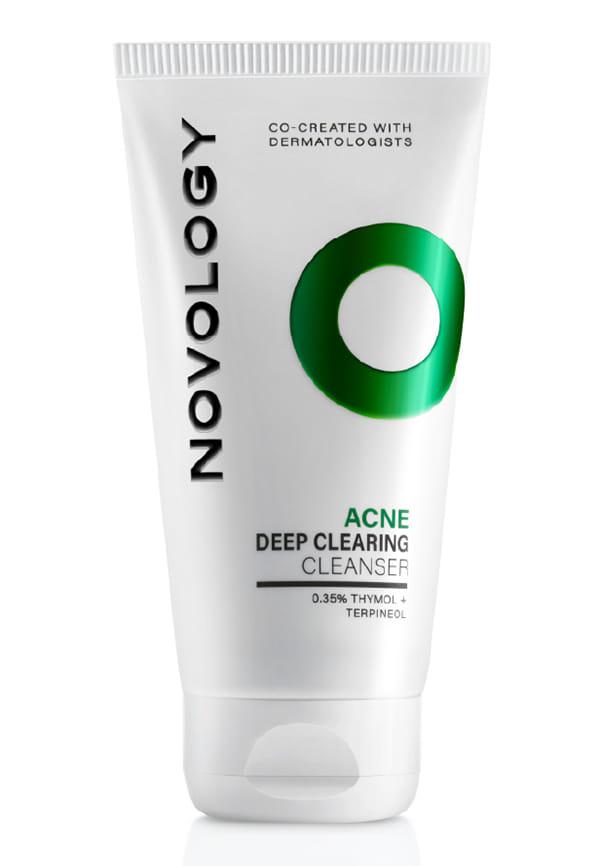
Acne Clearing Face Wash, Face Wash for Acne, Whiteheads, Blackheads
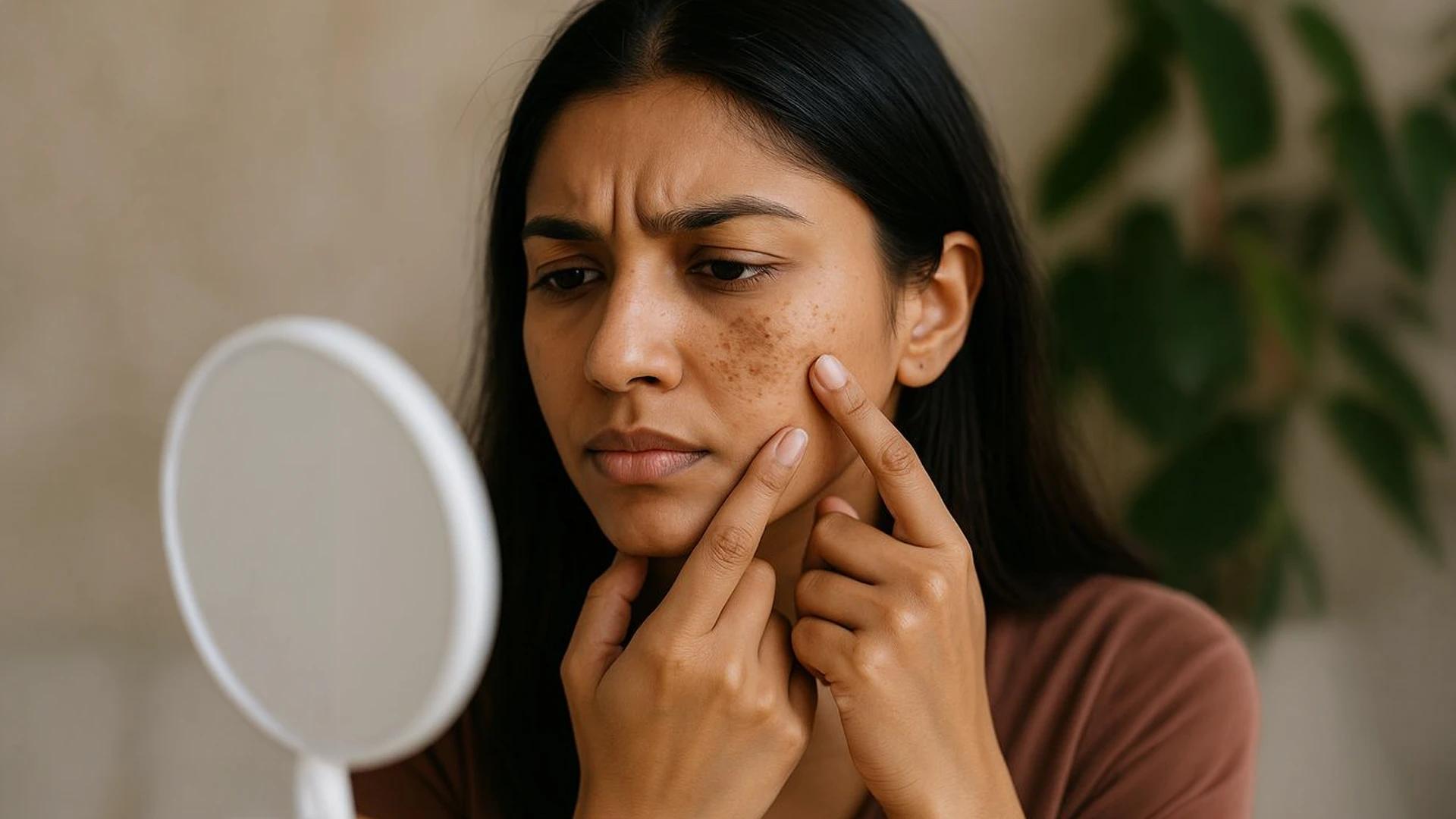
You know those tiny, flesh-coloured bumps that seem to appear overnight on your forehead or cheeks? The ones that aren't quite pimples but definitely aren't smooth skin either? If you've been staring at your reflection wondering what exactly these little bumps are, you're not alone. Many people confuse closed comedones with whiteheads, and honestly, the skincare world doesn't make it any clearer with all the overlapping terminology. Let's sort this out once and for all, especially for those of us dealing with Indian skin and climate conditions.
Closed comedones are essentially tiny plugged hair follicles that sit just beneath the surface of your skin. Think of them as your pores' way of saying they're completely blocked up with a mixture of sebum (your skin's natural oil) and dead skin cells. Unlike their more obvious cousins, these bumps don't have an opening to the surface, which is why they're called "closed."
Picture this: you're getting ready for work, and in the morning light, you notice these small, skin-coloured bumps scattered across your T-zone. They're not red, they're not inflamed, but they're definitely there. These are closed comedones, and they're incredibly common, especially in India's humid climate where our skin produces more oil to cope with the heat and pollution.
These bumps typically measure about 1-2mm in diameter and feel slightly rough when you run your fingers over them. You'll most commonly find them on your forehead, nose, chin, and cheeks – basically anywhere your skin tends to get a bit oily throughout the day.
The formation process is actually quite straightforward. Your skin naturally sheds dead cells and produces sebum to keep itself moisturised and protected. In an ideal world, this process happens smoothly, and everything flows out through your pores. But sometimes – thanks to factors like genetics, hormones, or environmental conditions – this process gets disrupted.
In India's climate, the combination of high humidity, pollution, and increased sweating can accelerate this process. Your skin produces more oil to protect itself from environmental stressors, but all that extra sebum, mixed with dead skin cells and pollution particles, can easily clog up your pores. When the opening of the pore gets covered by skin, you've got yourself a closed comedone.
Here's where things get a bit confusing, and it's not your fault for being puzzled. In dermatology, whiteheads are actually a type of closed comedone. So when someone asks "are closed comedones the same as whiteheads?" the answer is both yes and no, depending on how technical we're getting.
Technically speaking, whiteheads are a specific type of closed comedone that appears as small, white or yellowish bumps on the skin. All whiteheads are closed comedones, but not all closed comedones are whiteheads. Some closed comedones are so small and flesh-coloured that they don't have that distinctive white appearance we associate with whiteheads.
The confusion often comes from skincare brands and beauty content creators using these terms interchangeably. In everyday conversation, many people refer to any small, non-inflamed bump as either a whitehead or a closed comedone, and honestly, for practical skincare purposes, the treatment approach is quite similar.
To really understand this, think of comedones as existing on a spectrum. On one end, you have blackheads (open comedones) where the pore opening is dilated and the contents are exposed to air, causing oxidation and that characteristic dark colour. On the other end, you have closed comedones, where the pore is completely sealed over.
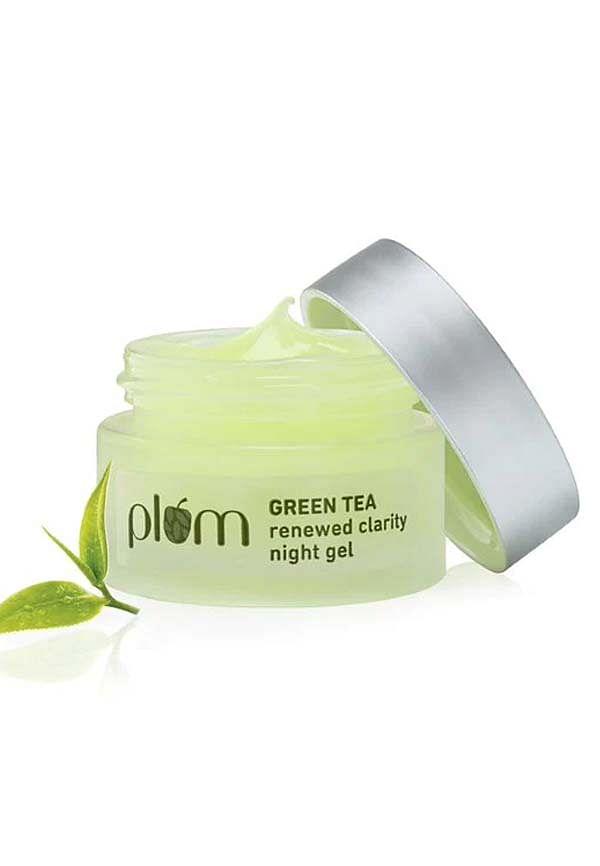
Green Tea Renewed Clarity Night Gel Hydrates Skin & Fights Acne
Sometimes, closed comedones can progress into inflamed acne if bacteria gets involved, or they might eventually open up and become blackheads. Understanding this progression helps explain why consistent skincare is so important for managing pore congestion.
Let's clear up the visual differences because identifying what you're dealing with is half the battle. When you're examining your skin in the mirror, here's what to look for to distinguish between different types of acne.
Closed comedones appear as small, flesh-coloured or slightly white bumps that are firm to the touch. They don't have a visible opening and typically don't hurt unless you try to squeeze them (which, by the way, isn't recommended). Blackheads, on the other hand, have a visible dark centre and are slightly softer. True whiteheads have that distinctive white or yellow centre that's more prominent than a regular closed comedone.
The key difference lies in whether the pore has an opening to the surface. If you can see into the pore, it's likely a blackhead. If there's a white centre that looks like it might pop, it's probably a whitehead. If it's just a small, firm bump with no obvious opening, you're looking at a closed comedone.
For those of us with deeper skin tones, identifying skin bumps can be trickier because the contrast isn't as obvious. Closed comedones might appear more as texture changes rather than visible bumps. Running your fingers gently over your skin can help you feel what you might not immediately see.
It's worth noting that on Indian skin, closed comedones can sometimes leave behind slight hyperpigmentation if they become inflamed or if you try to extract them improperly. This is why gentle, consistent treatment is particularly important for our skin types.
Now for the part you've probably been waiting for – how to actually deal with these bumps. The good news is that comedones treatment has come a long way, and there are effective options available at every budget level.
If you're dealing with widespread closed comedones, a dermatologist can offer several professional treatments. Chemical peels using salicylic acid or glycolic acid are particularly effective because they help dissolve the plug of dead skin cells and sebum. Many dermatologists in India also offer comedone extraction, though this should only be done by professionals to avoid scarring.
Professional treatments typically range from ₹2,000 to ₹8,000 per session, depending on your location and the specific treatment. While it might seem like a significant investment, professional treatment can be particularly helpful if you're dealing with stubborn comedones that haven't responded to at-home care.
Salicylic acid is your best friend when it comes to treating closed comedones at home. This beta-hydroxy acid can penetrate into the pore and help dissolve the mixture of oil and dead skin cells that's causing the blockage. Start with a 0.5% or 1% concentration and use it every other evening to begin with.
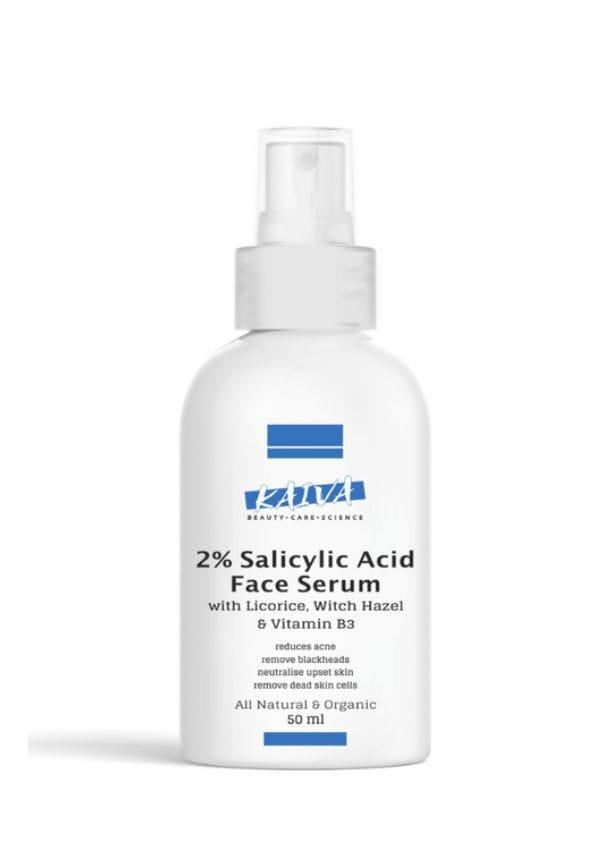
2% Salicylic Acid Face Serum For Acne, Blackheads & Open Pores
Retinoids are another excellent option, though they require patience. Whether you opt for over-the-counter retinol or prescription tretinoin, these ingredients help speed up cell turnover, preventing the buildup that leads to comedones in the first place. Just remember that retinoids can make your skin more sensitive to the sun, so SPF becomes even more crucial.
When shopping for skincare for acne, look for products containing niacinamide, which helps regulate oil production, or AHAs like glycolic acid for gentle exfoliation. Many Indian skincare brands now offer effective formulations specifically designed for our climate and skin types.
The key is consistency rather than intensity. A gentle cleanser, a targeted treatment with salicylic acid or retinol, and a lightweight moisturiser can work wonders when used consistently over 6-8 weeks.
While we're big believers in proven skincare ingredients, there are some traditional remedies that can complement your routine, especially if you prefer a more natural approach or want to try something while you're researching products.
Multani mitti (Fuller's earth) has been used for generations in India for good reason. Its absorbent properties can help draw out excess oil and impurities from the skin. Mix it with rose water or plain water to create a paste, apply it to affected areas, and rinse off once it's dry. Use this once or twice a week as part of your routine.
Oil cleansing might sound counterintuitive for oily, comedone-prone skin, but using the right oils can actually help dissolve the plugs in your pores. Jojoba oil or grapeseed oil work well for this purpose. Massage a small amount into dry skin for a minute or two, then follow with your regular cleanser.
If you're dealing with closed comedones on cheeks specifically, consider whether you're inadvertently causing them through habits like resting your face in your hands or using hair products that might be transferring to your skin. Sometimes, the solution is as much about prevention as it is about treatment.
For forehead comedones, pay attention to your haircare routine. Heavy oils or styling products can migrate onto your forehead, especially if you have bangs or tend to touch your hair frequently throughout the day.
The best approach to managing closed comedones is preventing them from forming in the first place. This means establishing a consistent routine that addresses the root causes: excess oil production, dead skin cell buildup, and pore congestion.
Your morning routine should focus on gentle cleansing and protection with SPF, while your evening routine can include more active ingredients like salicylic acid or retinoids. Remember that in India's climate, you might need to adjust your routine seasonally – lighter products during humid monsoons, more hydrating options during air-conditioned office days.
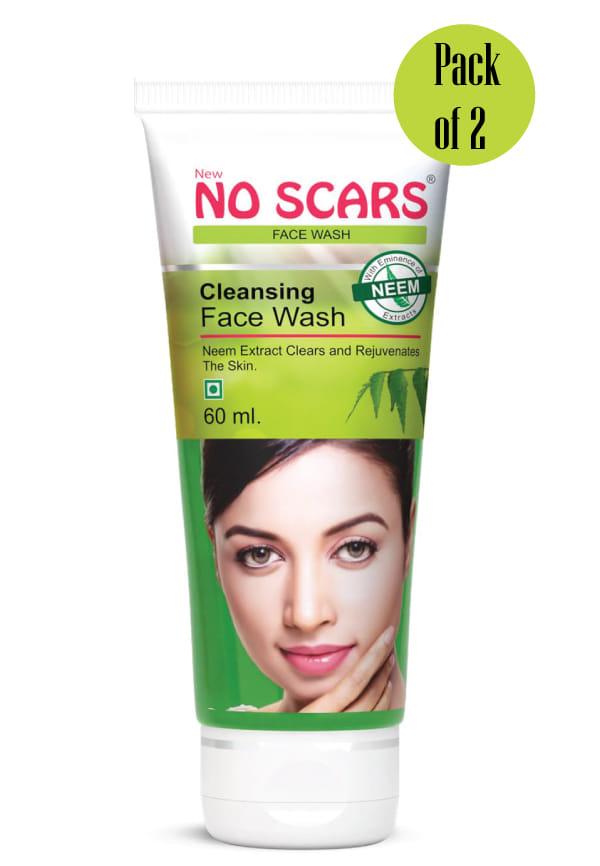
Neem Face Wash,Rejuvenates Skin And Fights Acne With Neem Extracts
Whiteheads are a type of closed comedone, but not all closed comedones are whiteheads. Closed comedones refer to any blocked pore that's covered by skin, while whiteheads specifically have that characteristic white or yellowish appearance. The treatment approach is similar for both.
The safest approach is consistent use of salicylic acid or retinoids rather than trying to extract them manually. Professional extraction by a dermatologist is an option for stubborn cases. Avoid squeezing them yourself, as this can lead to scarring or infection, especially on Indian skin tones that are prone to hyperpigmentation.
It's best not to pop closed comedones yourself. Unlike a regular pimple with a visible head, comedones are sealed under the skin, making extraction difficult and risky. Improper extraction can push the contents deeper into the skin, cause inflammation, or lead to scarring.
Sometimes, yes. If the pore opening enlarges over time, the contents of a closed comedone can become exposed to air and oxidise, turning into a blackhead. This is why treating comedones early with proper skincare can prevent this progression.
With consistent treatment, you should start seeing improvement in 6-8 weeks. However, complete clearance can take 3-4 months, especially if you're dealing with widespread comedones. Patience is key – rushing the process with harsh treatments often makes things worse.
Comedones are non-inflamed blockages in your pores, while pimples involve bacterial infection and inflammation. Comedones are typically painless and don't have the redness and swelling associated with inflamed acne. However, comedones can develop into pimples if bacteria gets involved.
Understanding the difference between closed comedones and whiteheads might seem like splitting hairs, but it actually helps you choose the right treatment approach. Whether you're dealing with tiny flesh-coloured bumps or more obvious white-centred bumps, the key is consistent, gentle treatment rather than aggressive extraction attempts.
For Indian skin, this means being particularly mindful of our climate's impact on oil production and choosing products that work well in humidity without over-drying the skin. Remember that what works for your friend might not work for you – skin is highly individual, and finding your perfect routine often involves some trial and error.
If you're curious about trying new products but hesitant to commit to full sizes, Smytten's trial options let you test different formulations before investing in the full-size versions. With over 28 million users discovering products this way, it's become a smart approach to building an effective skincare routine without the guesswork. After all, your skin deserves products that actually work for your specific concerns, not just what's trending on social media.
