Chemical vs. Mineral Sunscreen for Indian Skin: FAQ


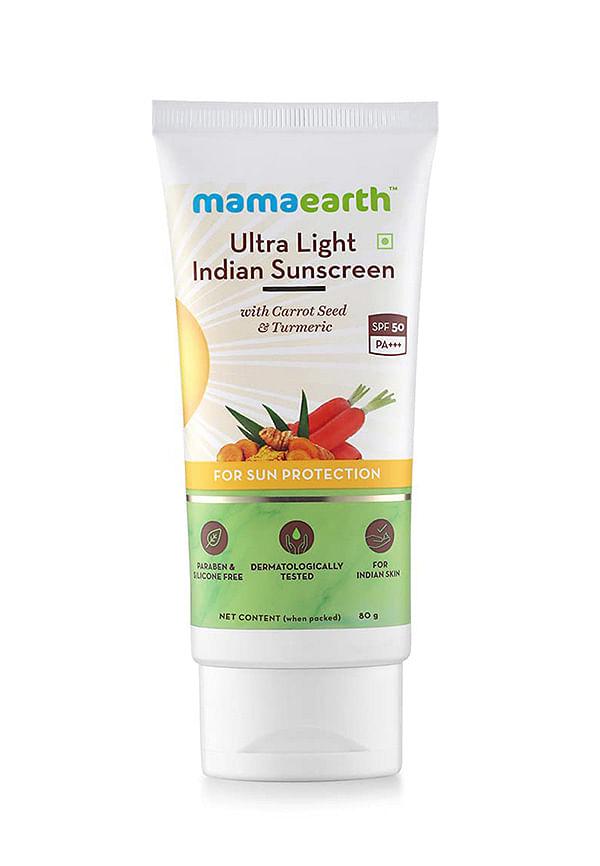
Ultra Light indian Sunscreen
You've probably stood in the sunscreen aisle wondering whether to pick up that lightweight chemical SPF or the mineral one your dermatologist mentioned. With Indian skin dealing with everything from intense UV exposure to monsoon humidity, plus concerns about melasma and hyperpigmentation, choosing the right sun protection feels more complicated than it should be. The good news? Understanding the difference between chemical and mineral sunscreen can help you make the best choice for your skin's unique needs.
When it comes to sunscreen for Indian skin, there are two main categories that work in completely different ways. Think of it as choosing between a shield that deflects arrows versus armour that absorbs the impact.
Chemical sunscreen contains organic compounds that penetrate your skin and absorb UV rays, converting them into heat energy that's then released from your body. The most common sunscreen ingredients in this category include avobenzone, octinoxate, oxybenzone, and homosalate. These formulations need about 15-20 minutes to activate properly, which is why dermatologists always recommend applying them before you step outside. The chemical reaction happens within your skin layers, making these sunscreens feel lightweight and invisible once absorbed.
Mineral sunscreens, also called physical sunscreens, create a protective barrier on your skin's surface using zinc oxide and titanium dioxide. Instead of absorbing UV rays, they reflect and scatter them away from your skin. This means protection starts immediately upon application - no waiting period required. Because these ingredients sit on top of your skin rather than penetrating it, they're generally considered gentler for sensitive skin types.
Living in India means dealing with year-round sun exposure, high humidity, and specific skin concerns that affect how different sunscreens perform. Here's what you need to know about each type.
Chemical sunscreens typically feel lighter and blend seamlessly into skin, making them popular for daily wear under makeup. They're often formulated to be invisible on all skin tones, which sounds perfect until you factor in reapplication throughout the day. Mineral sunscreen has traditionally been thicker and more likely to leave a white cast, especially problematic for medium to deep Indian skin tones. However, modern formulations have made significant improvements, with tinted versions and micronised particles that blend better with sunscreen for dark skin needs.
If you have sensitive skin or conditions like rosacea, mineral sunscreens are typically your safer bet. Chemical filters can sometimes cause stinging, especially around the eye area, and may trigger reactions in people with sensitive skin. For those dealing with melasma or post-inflammatory hyperpigmentation - common concerns for Indian skin - mineral options are often recommended because they don't generate heat within the skin that could potentially worsen pigmentation.
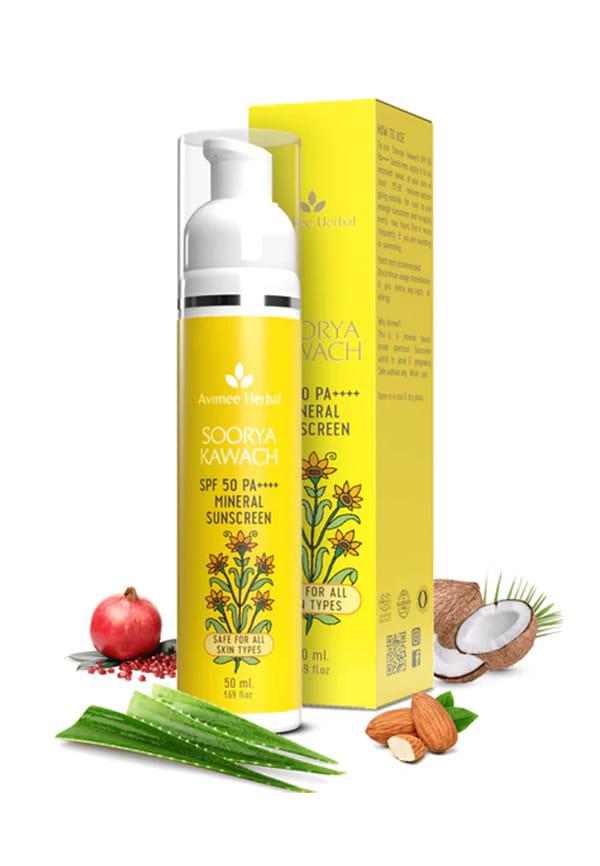
Soorya Kawach Mineral Sunscreen
India's climate presents unique challenges for sunscreen performance. High humidity can make chemical sunscreens feel heavier and potentially cause more sweating, while the heat can affect their stability. Mineral sunscreens tend to be more stable in heat but may feel heavier in humid conditions. Both types need regular reapplication, especially during monsoon season when you're moving between air-conditioned spaces and humid outdoor conditions.
Your skin type plays a crucial role in determining which type of sunscreen will work best for your daily routine and long-term skin health.
If your skin reacts to new products or you have conditions like eczema or rosacea, mineral sunscreen is typically the gentler choice. Zinc oxide, in particular, has anti-inflammatory properties that can actually soothe irritated skin while providing protection. Look for formulations free from fragrances, parabens, and other potential irritants. Many people with sensitive skin find that chemical sunscreens cause stinging or burning, especially when applied around the delicate eye area.
Oily skin types often gravitate towards lightweight chemical sunscreens because they feel less heavy and don't add extra shine. However, some chemical filters can be comedogenic or irritating for acne-prone skin. Modern mineral formulations now offer oil-free, mattifying options that work well for oily skin without clogging pores. The key is finding non-comedogenic formulations in either category and considering your skin's individual tolerance.
Dry skin benefits from sunscreens with added moisturising ingredients. Some chemical sunscreens are formulated with hydrating components like hyaluronic acid or ceramides. Mineral sunscreens can sometimes feel drying initially, but many newer formulations include nourishing ingredients to support the skin barrier while providing protection.
For many people with Indian skin, sun protection isn't just about preventing future damage - it's about managing existing pigmentation concerns and preventing them from worsening.
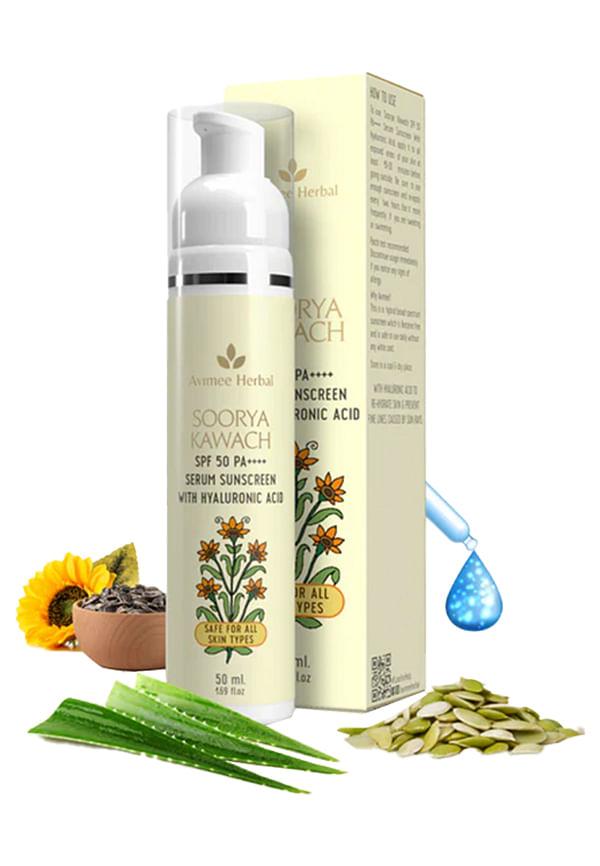
Soorya Kawach Sunscreen with Hyaluronic Acid
This is a valid concern that many dermatologists take seriously. Because chemical sunscreens absorb UV rays and convert them to heat energy within your skin, this heat generation can potentially stimulate melanin production in people prone to melasma. The heat doesn't just come from the sun - it's actually created within your skin as part of how chemical sunscreens work. For this reason, many dermatologists recommend mineral sunscreens for patients with melasma or those at risk of developing it.
There's a common misconception that people with darker skin don't need as much sun protection. While melanin does provide some natural protection, it's not enough to prevent UV damage, hyperpigmentation, or skin cancer. Sunscreen for dark skin should still offer broad-spectrum protection with at least SPF 30. The challenge lies in finding formulations that don't leave an ashy or white appearance, which is where tinted mineral sunscreens or well-formulated chemical options become important.
Making the right choice involves understanding your skin's needs, your lifestyle, and what ingredients to look for or avoid.
The active ingredients section tells you immediately whether you're looking at a chemical or mineral sunscreen. Mineral sunscreens will list zinc oxide and/or titanium dioxide as active ingredients. Chemical sunscreens will show ingredients like avobenzone, octinoxate, oxybenzone, or newer chemical filters like octisalate. Always look for "broad-spectrum" protection, which means the sunscreen protects against both UVA and UVB rays. For Indian conditions, SPF 30 is the minimum, but SPF 50+ is better for extended outdoor exposure.
Regardless of which type you choose, proper application is crucial. You need about 1/4 teaspoon for your face and neck - more than most people use. Chemical sunscreens need that 15-20 minute head start, while mineral sunscreens work immediately. Both types need reapplication every two hours, or more frequently if you're sweating or swimming. In India's climate, this often means reapplying multiple times throughout the day.
The choice between chemical and mineral sunscreen ultimately depends on your individual skin needs, concerns, and lifestyle. If you have sensitive skin, melasma, or prefer immediate protection, mineral sunscreens are typically the better choice. If you prioritise lightweight feel, easy application, and don't have sensitivity issues, chemical sunscreens might work well for you. Many people find success using different types for different situations - perhaps a mineral sunscreen for daily wear and a chemical one for sports or beach days. The most important thing is finding a sunscreen for face that you'll actually use consistently, because the best sunscreen is the one you apply every single day.
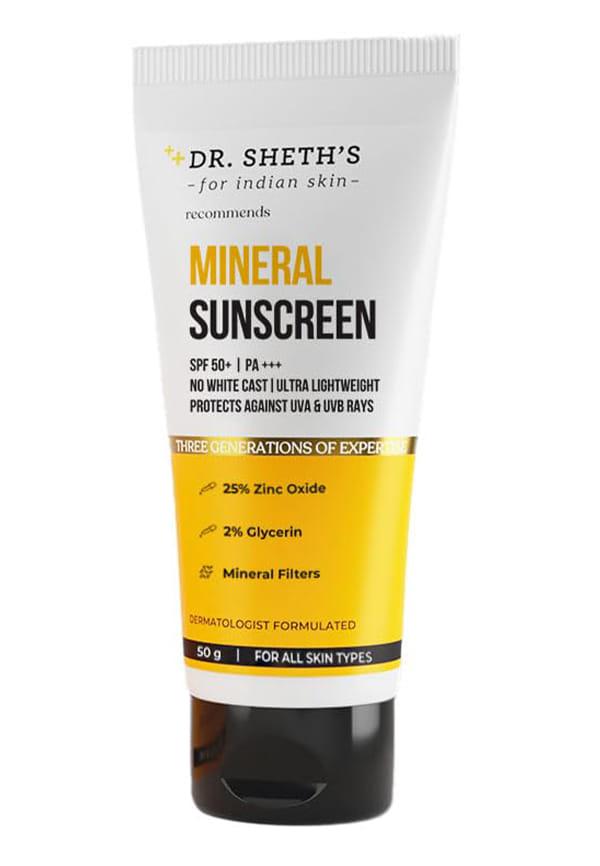
Mineral Sunscreen
For most Indian skin types, mineral sunscreens are generally safer and more suitable, especially if you have sensitive skin, melasma, or hyperpigmentation concerns. However, the best choice depends on your specific skin type, climate exposure, and personal preferences. Mineral sunscreens don't generate heat within the skin, making them ideal for preventing pigmentation issues common in Indian skin.
Yes, chemical sunscreens can potentially worsen melasma because they absorb UV rays and convert them to heat within your skin. This heat generation can stimulate melanin production in people prone to pigmentation issues. Dermatologists often recommend mineral sunscreens with zinc oxide or titanium dioxide for melasma-prone skin because they reflect rays rather than absorbing them.
Check the active ingredients list on the label. Mineral sunscreens will list zinc oxide and/or titanium dioxide as the only active ingredients. Chemical sunscreens contain organic UV filters like avobenzone, octinoxate, oxybenzone, homosalate, or newer chemical filters. Some sunscreens combine both types, which will be evident from the active ingredients list.
SPF 30 is the minimum recommended for daily use in India, providing about 97% protection from UVB rays. However, SPF 50+ is better for extended outdoor exposure, especially during peak sun hours (10 AM to 4 PM). The high UV index in most Indian cities throughout the year makes higher SPF levels more practical for adequate protection.
Traditional mineral sunscreens often left a white cast, but modern formulations have significantly improved. Look for tinted mineral sunscreens designed for your skin tone, or products with micronised zinc oxide and titanium dioxide particles that blend better. Many brands now offer multiple tinted shades specifically for Indian skin tones.
Mineral sunscreens are typically better for sensitive skin because they sit on the skin's surface rather than penetrating it. Zinc oxide, in particular, has anti-inflammatory properties that can soothe irritated skin. Chemical sunscreens are more likely to cause stinging, burning, or allergic reactions in people with sensitive skin.
Choosing between chemical and mineral sunscreen doesn't have to be overwhelming once you understand how each type works with your skin. For Indian skin dealing with intense sun exposure, humidity, and pigmentation concerns, mineral sunscreens often provide the gentler, more suitable option. However, the most important factor is finding a sunscreen you'll use consistently every day. Whether you choose chemical or mineral protection, remember that proper application and regular reapplication matter more than the type of sunscreen you select. Your skin will notice the difference when you commit to daily sun protection, regardless of which category you choose. If you're curious about trying different formulations before committing to full-size products, Smytten's curated selection includes various sunscreen options from trusted brands, letting you discover what works best for your unique skin needs through their trial programme.
