Ceramides Absorption in Topical Skincare: FAQ
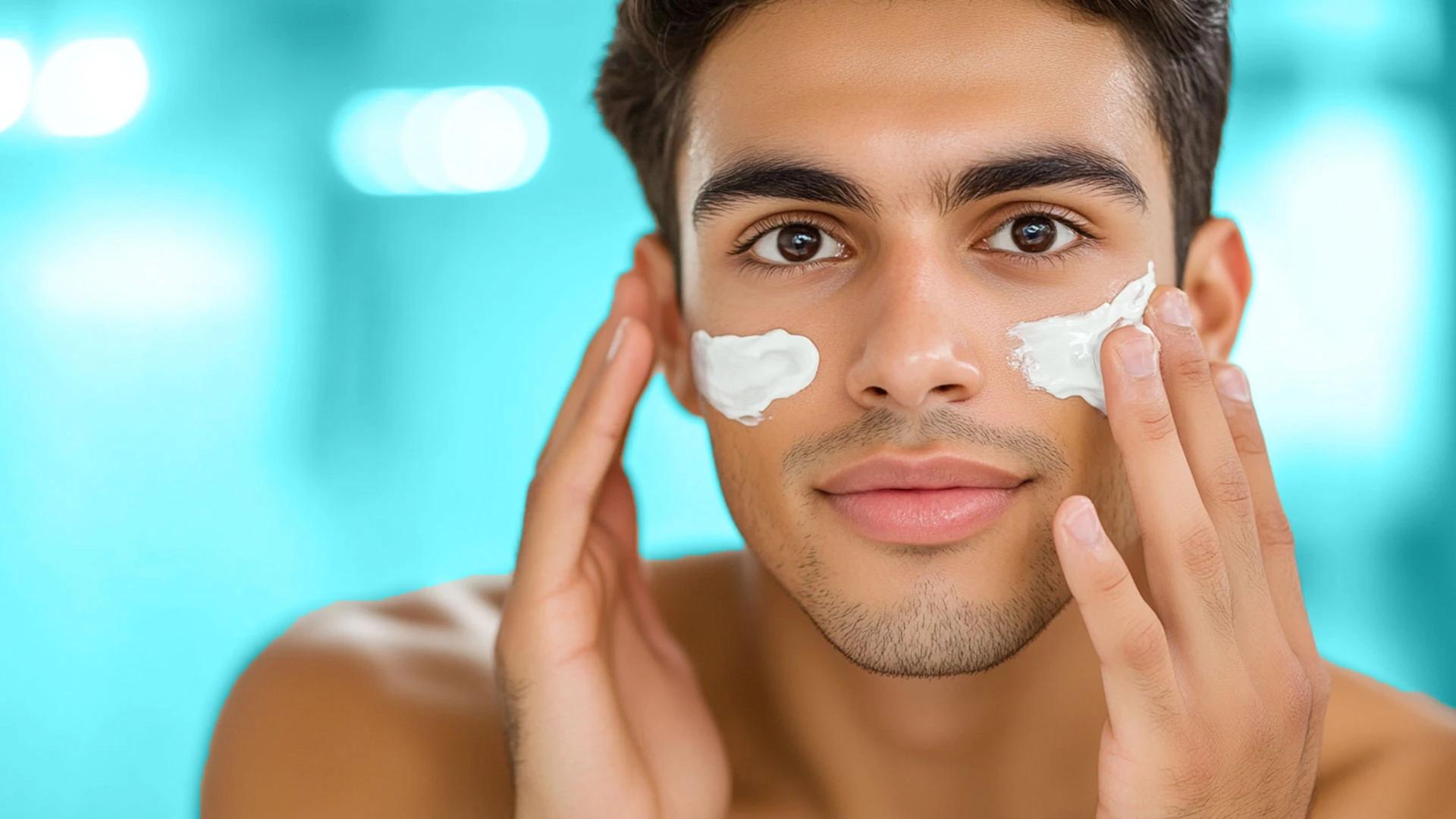

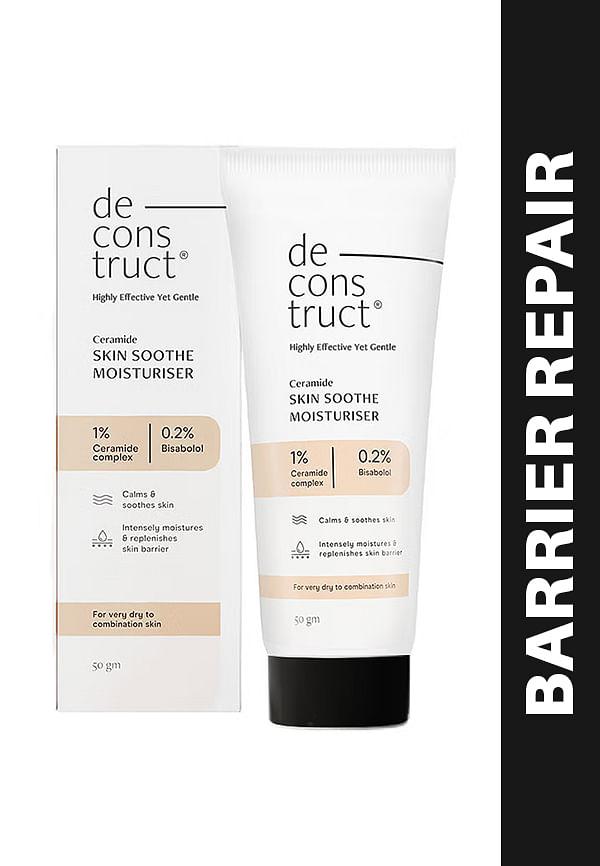
Skin Soothe Moisturizer- 1% Ceramides + 0.2% Bisabolol
Ever wondered why your ceramide cream seems to disappear into your skin while other moisturisers sit on top? Or perhaps you've questioned whether those expensive ceramide serums are actually doing anything beyond making your wallet lighter? The truth about ceramides absorption in topical skincare is more fascinating than you might think, and understanding it could be the key to finally achieving that healthy, hydrated skin you've been chasing.
Before diving into the nitty-gritty of absorption, let's get clear on what we're dealing with. Ceramides are naturally occurring lipids that make up about 50% of your skin's outer layer. Think of them as the mortar between the bricks of your skin cells, keeping everything sealed and protected.
Your skin naturally produces nine different types of ceramides, but environmental damage, ageing, and certain skin conditions can deplete these levels. When topical ceramides are applied, they need to penetrate the skin's surface to integrate with your existing lipid barrier. This isn't just about surface hydration – it's about actual structural repair.
The absorption process matters because ceramides that remain on the surface won't provide the deep skin barrier benefits you're after. Proper penetration ensures these lipids can fill in the gaps in your skin's natural barrier, reducing water loss and improving overall skin health.
Here's where it gets interesting: ceramides are lipophilic, meaning they love fats and oils. This property actually helps them penetrate your skin more effectively than water-based ingredients. Research shows that when formulated correctly, ceramides in skincare products can penetrate into the stratum corneum within minutes of application.
Studies have demonstrated that topically applied ceramides don't just sit on the surface – they actually integrate into the existing lipid bilayer structure. This integration process is what makes ceramide products so effective for long-term skin barrier repair, rather than just temporary moisturisation.
The absorption process isn't as straightforward as you might think. Several factors influence how well your skin can utilise the ceramides you're applying, and understanding these can help you make better product choices.
The molecular weight of ceramides plays a crucial role in absorption. Smaller ceramide molecules penetrate more easily, whilst larger ones may need help from penetration enhancers. The formulation vehicle – whether it's a cream, serum, or lotion – also significantly impacts how well ceramides can reach their target destination.
Your skin's current condition matters too. Compromised or damaged skin barriers actually allow for better ceramide penetration, which is why ceramides for dry skin and ceramides for eczema can be so effective. However, this also means healthy skin might not absorb ceramides as readily, though this isn't necessarily a bad thing.
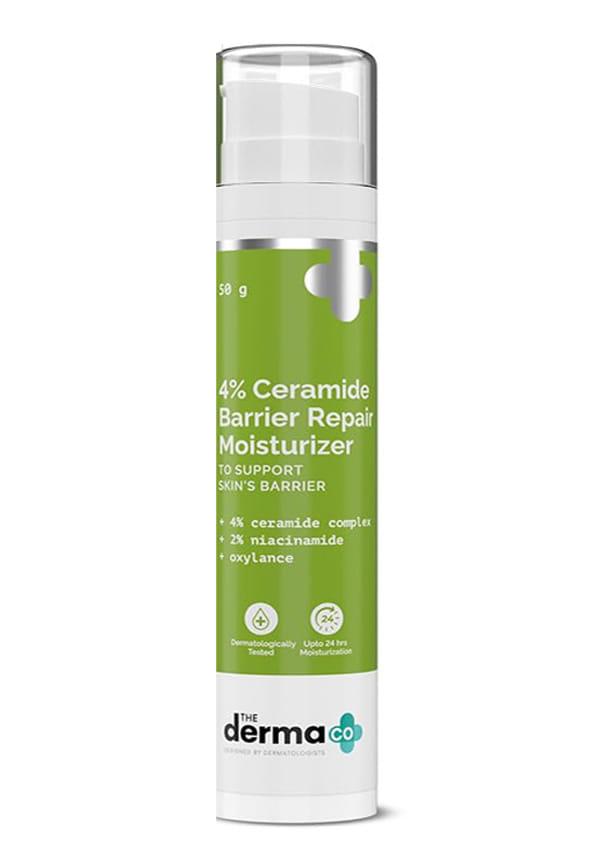
4% Ceramide Barrier Repair Moisturizer
Not all ceramide products are created equal. The most effective formulations follow what researchers call the "physiological lipid ratio" – a 3:1:1 ratio of ceramides to cholesterol to fatty acids. This mimics your skin's natural composition and enhances both absorption and effectiveness.
Ceramide serums often provide higher concentrations and better penetration due to their lightweight formulations, whilst ceramide creams offer sustained release and additional occlusive benefits. For those dealing with specific concerns like eczema, look for products that combine ceramides with other barrier-supporting ingredients like niacinamide or hyaluronic acid.
Understanding the benefits helps explain why proper absorption is so crucial. When ceramides successfully penetrate and integrate with your skin barrier, they provide both immediate and long-term improvements that go far beyond basic moisturisation.
Once absorbed, ceramides work by filling in the microscopic gaps in your skin's lipid barrier. This process reduces transepidermal water loss (TEWL) – essentially, it stops your skin from losing moisture throughout the day. The result is skin that feels more comfortable and looks healthier over time.
The ceramides benefits for skin extend beyond hydration. They also help protect against environmental irritants and allergens, making them particularly valuable for sensitive skin types. This protective function is why dermatologists often recommend ceramide products for maintaining healthy skin barriers.
For those dealing with eczema, the benefits of proper ceramide absorption can be life-changing. Research shows that people with eczema often have reduced ceramide levels in their skin. Topical ceramide application can help restore these levels, reducing inflammation and improving skin comfort.
Ceramides and skin hydration work hand in hand for dry skin conditions too. Unlike humectants that draw moisture from the environment, ceramides actually prevent moisture loss from within your skin. This makes them particularly effective for maintaining hydration in dry climates or air-conditioned environments.
Getting the application right can make the difference between a product that works and one that disappoints. The timing and technique of ceramide application significantly impact absorption rates and overall effectiveness.
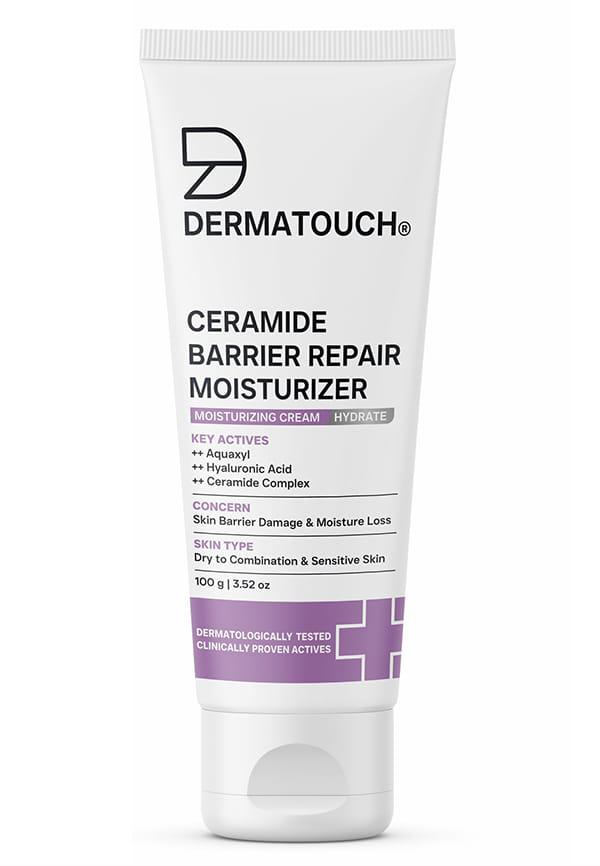
Ceramide Barrier Repair Moisturizer
Apply ceramide products to slightly damp skin when possible. The moisture helps with penetration and creates an optimal environment for absorption. Use gentle, upward motions and allow each layer to absorb before applying additional products.
For ceramide serums, apply them before heavier creams or oils. For ceramide-containing moisturisers, they typically work best as your final skincare step in the evening, allowing for overnight absorption and repair.
Whilst ceramides are generally well-tolerated, certain combinations can reduce their effectiveness or cause irritation. Understanding these interactions helps you build a routine that maximises ceramide benefits.
Ceramides play well with most skincare ingredients. They're particularly effective when combined with niacinamide, which can help boost your skin's natural ceramide production. Hyaluronic acid also pairs beautifully with ceramides, providing complementary hydration benefits.
Avoid applying ceramide products immediately after strong exfoliants or retinoids, as these can temporarily compromise your skin barrier and potentially cause irritation when combined with active ceramide formulations. Instead, alternate these treatments or use them at different times of day.
With so many ceramide products available, knowing what to look for can save you time, money, and potential skin frustration. The key is understanding what makes a ceramide product truly effective versus one that's just riding the ceramide trend.
Look for products that list ceramides in the first five ingredients, indicating a meaningful concentration. Avoid products with high levels of alcohol or fragrance, as these can counteract ceramide benefits. Consider your skin type and concerns when choosing between serums, creams, or combination products.
Price doesn't always indicate quality with ceramide products. Some affordable options contain effective ceramide concentrations, whilst some expensive products may have impressive marketing but minimal active ingredients. Focus on ingredient lists and formulation quality rather than price point alone.
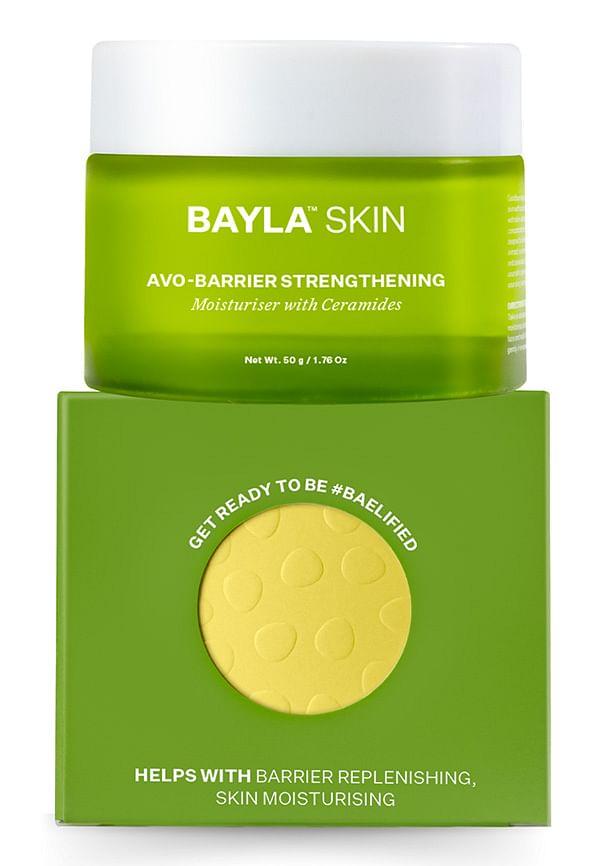
Avocado & Ceramides Barrier Strengthening Moisturiser
Most ceramide products absorb within 2-5 minutes of application. However, the integration process into your skin barrier continues for several hours after application. You'll typically notice immediate hydration benefits, with barrier repair benefits becoming apparent after consistent use over 2-4 weeks.
Yes, research confirms that topically applied ceramides can penetrate the skin and integrate with the existing lipid barrier. Their lipophilic nature actually makes them more readily absorbed than many water-based skincare ingredients. The key is proper formulation and application technique.
Avoid using ceramide products immediately after strong chemical exfoliants (high-concentration AHAs or BHAs) or retinoids, as these can temporarily compromise your skin barrier. Also avoid products with high alcohol content, as alcohol can counteract ceramide benefits by disrupting the skin barrier.
Beyond topical application, you can support natural ceramide production by maintaining a healthy skin barrier through gentle cleansing, regular moisturising, and sun protection. Some studies suggest that certain dietary fats may support ceramide production, though topical application remains the most direct method.
Ceramides are generally very well-tolerated since they're naturally present in your skin. Rare reactions usually stem from other ingredients in the formulation rather than the ceramides themselves. Those with extremely sensitive skin should patch test new products before full application.
Most people can use ceramide products daily, both morning and evening. Start with once daily application if you're new to ceramides, then increase frequency as your skin adjusts. Those with very dry or compromised skin barriers may benefit from twice-daily application.
Understanding ceramides absorption in topical skincare empowers you to make informed choices about your skincare routine. The science is clear: properly formulated ceramide products can penetrate your skin and provide meaningful barrier repair benefits. The key lies in choosing products with effective concentrations, applying them correctly, and being patient with the process.
Remember that ceramide absorption is just one piece of the skincare puzzle. Consistency matters more than perfection, and what works for your friend might not work for your skin. Pay attention to how your skin responds and adjust accordingly.
If you're curious about trying ceramide products but hesitant to commit to full sizes, Smytten's platform offers an excellent way to explore different formulations from trusted brands. With over 2,400 brands available and the ability to try minis before investing in full-size products, you can discover which ceramide formulations work best for your unique skin needs without the guesswork.
