Buttocks Pigmentation FAQ: Causes, Treatment & Skincare

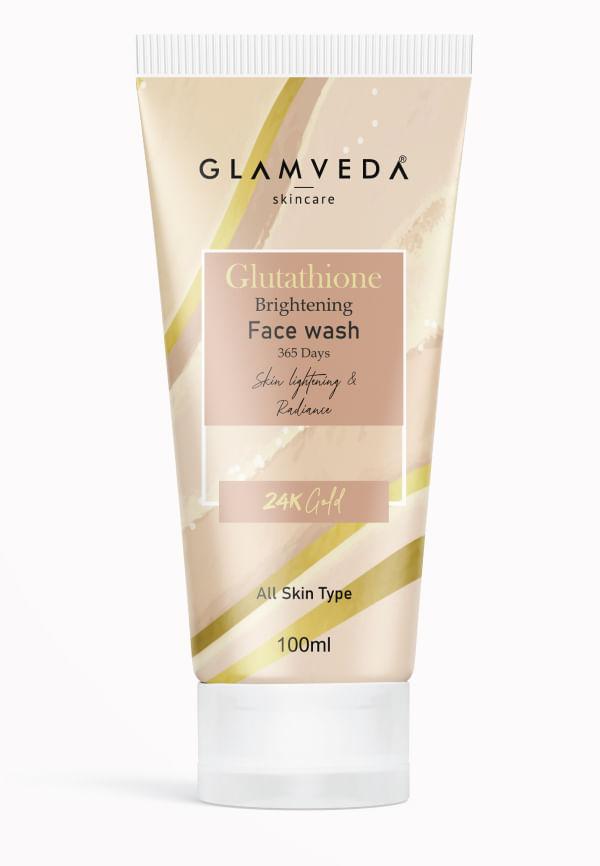
Glutathione 24 k Gold Face Wash Reduce Dark spots & Pigmentation, Lightens skin Complexion
You're not alone if you've noticed darker patches or uneven skin tone on your buttocks. Buttocks pigmentation affects millions of people, yet it's rarely discussed openly. Whether it's from tight clothing, post-acne marks, or simply genetics, these dark spots can feel frustrating. The good news? Most cases of buttocks discoloration are completely treatable with the right approach and patience.
Buttocks pigmentation refers to areas of darker skin on the buttocks compared to your natural skin tone. It's a form of hyperpigmentation that can appear as patches, spots, or general darkening across the area. Unlike what many people assume, this isn't necessarily a hygiene issue or something to be embarrassed about.
The discolouration typically shows up as brown, black, or greyish patches. Some people notice small dark spots on buttocks scattered across the area, whilst others experience larger patches of uneven skin tone. The pigmentation often concentrates where skin rubs against clothing or where acne has previously occurred.
People with darker skin tones are more prone to developing buttocks pigmentation due to higher melanin production. However, it can affect anyone regardless of skin colour. The condition is particularly common amongst people who sit for long periods, wear tight clothing regularly, or have experienced acne in the area.
Understanding why pigmentation develops is crucial for choosing the right treatment approach. Most cases stem from inflammation, friction, or hormonal changes that trigger excess melanin production in the affected area.
Constant rubbing from tight underwear, jeans, or workout clothes creates chronic irritation. Your skin responds by producing more melanin as protection, leading to darkening over time. People who cycle frequently or spend long hours sitting often notice this type of pigmentation developing gradually.
Butt acne scars are one of the most common causes of pigmentation in this area. When follicles become inflamed from bacteria, sweat, or ingrown hairs, the healing process often leaves behind darker marks. These post-inflammatory changes can persist for months or even years without proper treatment.
Hormonal fluctuations, particularly during pregnancy or menstruation, can trigger pigmentation changes. Aggressive scrubbing or harsh hair removal methods also damage the skin barrier, leading to inflammation and subsequent darkening. Even excessive sweating trapped against tight clothing can contribute to the problem.
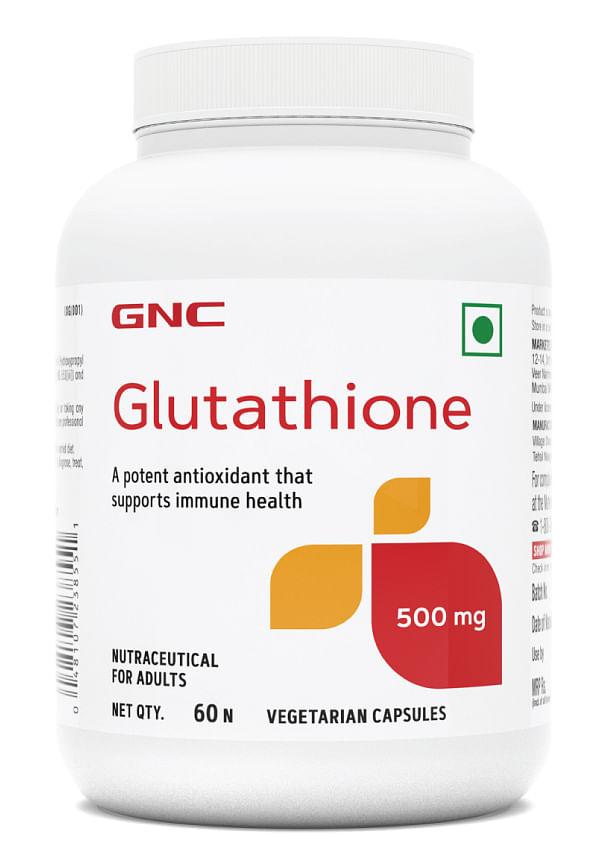
L-Glutathione - Brightens Skin and Fades Dark Spots & Pigmentation
When home remedies aren't delivering results, professional treatments can significantly speed up the pigmentation removal process. Dermatologists have access to stronger ingredients and advanced techniques that aren't available over the counter.
Chemical peels using glycolic acid or trichloroacetic acid can effectively remove the top layers of pigmented skin. Laser treatments target melanin deposits directly, breaking them down for natural elimination. These procedures typically require multiple sessions but can deliver dramatic improvements in severe cases.
Consider professional help if pigmentation covers large areas, appears suddenly, or doesn't respond to consistent home treatment after three months. Any changes in texture, size, or colour of existing spots should also be evaluated by a dermatologist to rule out other conditions.
Most cases of buttocks pigmentation respond well to consistent home treatment with the right ingredients. The key is patience and gentle persistence rather than aggressive scrubbing or harsh products.
Niacinamide helps regulate melanin production whilst strengthening the skin barrier. Look for serums or lotions containing 5-10% niacinamide for optimal results. Glycolic acid gently exfoliates dead skin cells, revealing brighter skin underneath. Start with lower concentrations (5-7%) to avoid irritation.
Vitamin C serums provide antioxidant protection whilst gradually lightening existing pigmentation. Kojic acid, derived from mushrooms, specifically targets melanin production and works well for stubborn spots. These ingredients work best when used consistently over several months.
Morning routine should focus on gentle cleansing and protection. Use a mild, fragrance-free cleanser followed by a vitamin C serum and moisturiser. Evening is ideal for treatment products like niacinamide or gentle acids. Always follow with a rich moisturiser to prevent irritation.
Weekly exfoliation with a gentle scrub or acid treatment helps accelerate cell turnover. However, avoid over-exfoliating, which can worsen pigmentation by causing inflammation. Twice weekly is usually sufficient for most skin types.
Sensitive skin benefits from gentle formulations with lower acid concentrations and soothing ingredients like aloe vera. Normal to oily skin can typically handle stronger treatments and may see faster results. Always patch test new products on a small area first.
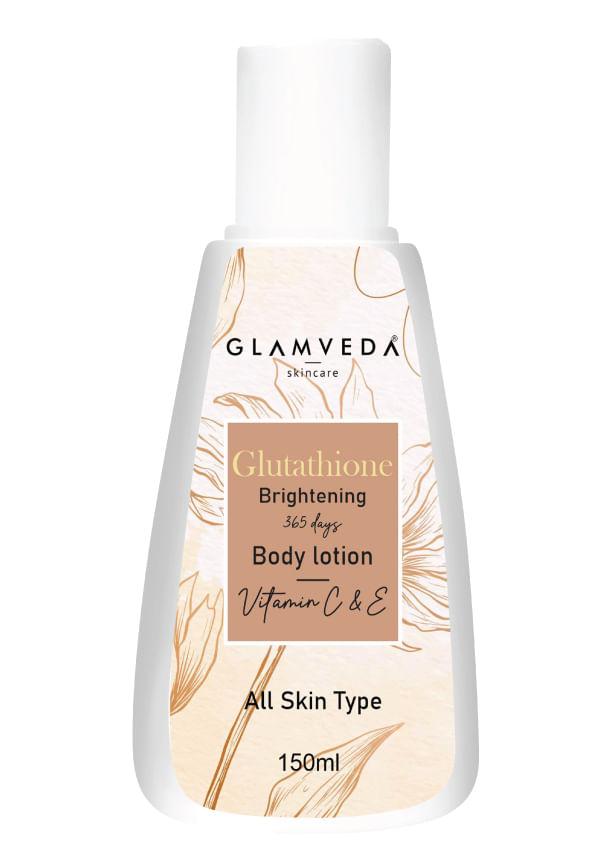
Glutathione Brightening Body Lotion Reduces dark spots & tanning with Vitamin C
Preventing future pigmentation is often easier than treating existing spots. Simple lifestyle adjustments can make a significant difference in maintaining even skin tone across the buttocks area.
Choose breathable, well-fitting underwear made from natural fibres like cotton. Avoid sitting in sweaty workout clothes for extended periods. If your job requires long hours of sitting, take regular breaks to reduce pressure on the area.
When exercising, shower promptly afterwards and change into clean, dry clothes. This prevents bacteria and sweat from accumulating against the skin, reducing the risk of folliculitis and subsequent pigmentation.
If you remove hair from the buttocks area, use gentle techniques to minimise inflammation. Sharp, clean razors with proper shaving cream reduce the risk of ingrown hairs. Exfoliate gently before hair removal and moisturise afterwards to keep skin healthy.
Managing expectations is crucial when treating uneven skin tone buttocks. Skin cell turnover takes approximately 28 days, so visible improvements typically begin after 4-6 weeks of consistent treatment.
Week 1-2: Skin may feel smoother but pigmentation remains unchanged. Week 3-4: Slight lightening may become noticeable in newer spots. Week 6-8: More obvious improvement in overall tone and texture. Month 3-6: Significant fading of most pigmentation with continued treatment.
Older, deeper pigmentation takes longer to fade than recent marks. Some stubborn spots may require 6-12 months of consistent treatment to see substantial improvement. The key is maintaining your routine even when progress feels slow.
Consistent use of gentle exfoliating acids like glycolic acid, combined with brightening ingredients such as niacinamide and vitamin C, typically provides the best results. Professional treatments can accelerate the process for severe cases.
Common causes include friction from tight clothing, post-acne inflammation, hormonal changes, or genetic predisposition. Identifying and addressing the underlying cause is essential for effective treatment.
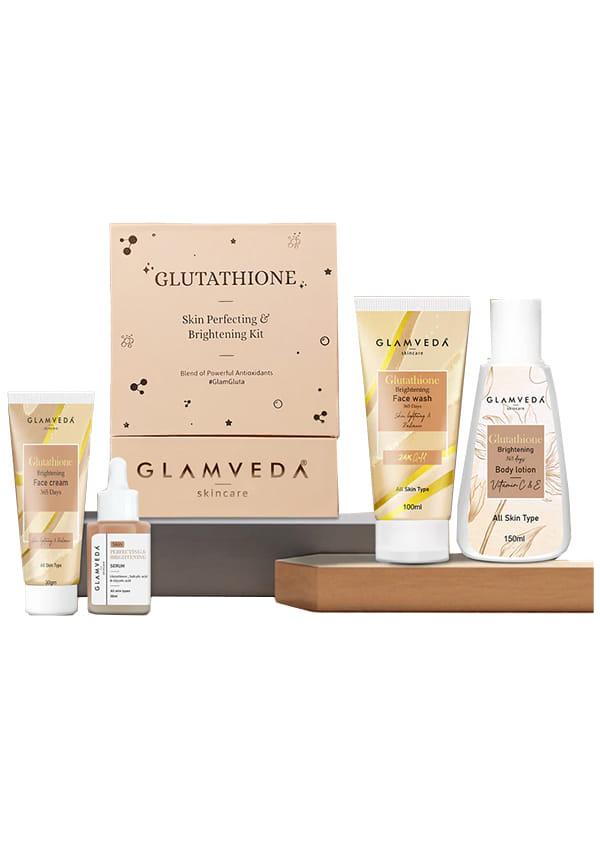
Glutathione Skin Perfecting Brightening & Dark Spots Removal 4 Steps Skincare Routine
Use gentle, dermatologist-recommended ingredients like niacinamide, vitamin C, and low-concentration acids. Avoid harsh scrubbing or bleaching products, which can worsen pigmentation through irritation.
Dark spots often result from folliculitis, ingrown hairs, or friction-induced inflammation. Poor hygiene, tight clothing, and aggressive hair removal can all contribute to spot formation.
Most pigmentation is treatable with time and proper care. However, very deep or long-standing pigmentation may require professional treatment or may only partially fade with home remedies.
Many commercial whitening creams contain harsh ingredients unsuitable for sensitive areas. Stick to gentle, dermatologist-approved formulations specifically designed for body use.
Chemical peels typically range from ₹3,000-8,000 per session, whilst laser treatments can cost ₹8,000-15,000 per session. Multiple sessions are usually required for optimal results.
Whilst diet doesn't directly cause pigmentation, foods rich in antioxidants and vitamins C and E may support skin health and healing. Staying hydrated also helps maintain healthy skin barrier function.
Buttocks pigmentation is a common concern that responds well to patient, consistent treatment. Whether you choose professional procedures or gentle home remedies, the key is understanding your skin's needs and maintaining realistic expectations about the timeline.
Remember that everyone's skin responds differently to treatment. What works quickly for one person may take longer for another. The most important factor is consistency rather than intensity when it comes to skincare for this sensitive area.
If you're curious about trying different skincare ingredients but hesitant to invest in full-size products, Smytten offers a practical solution. With access to minis from trusted brands, you can test various formulations to find what works best for your skin before committing to larger purchases. It's a smart approach to building an effective routine without the guesswork.
