Body Sunscreen India FAQ: Neck, Hands & SPF Questions Answered

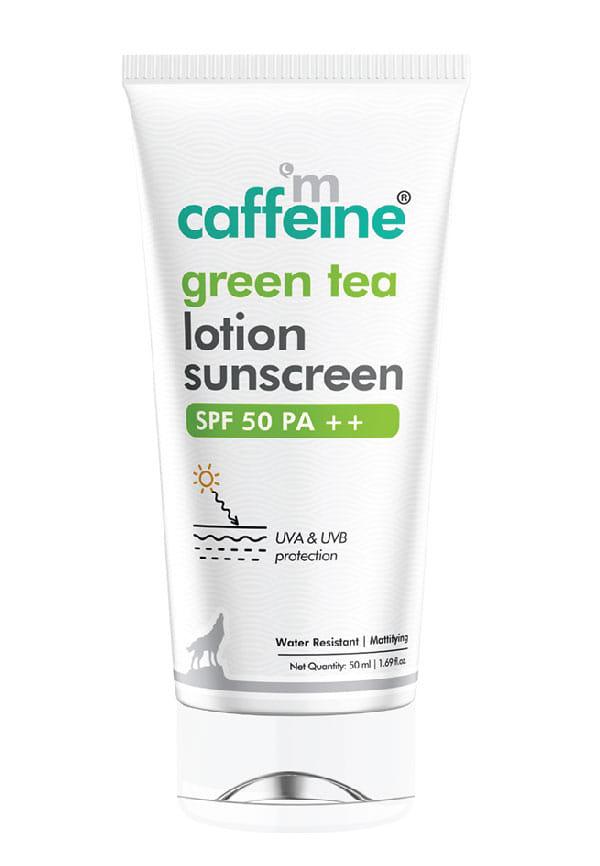
Green Tea Lotion Sunscreen SPF 50 PA ++
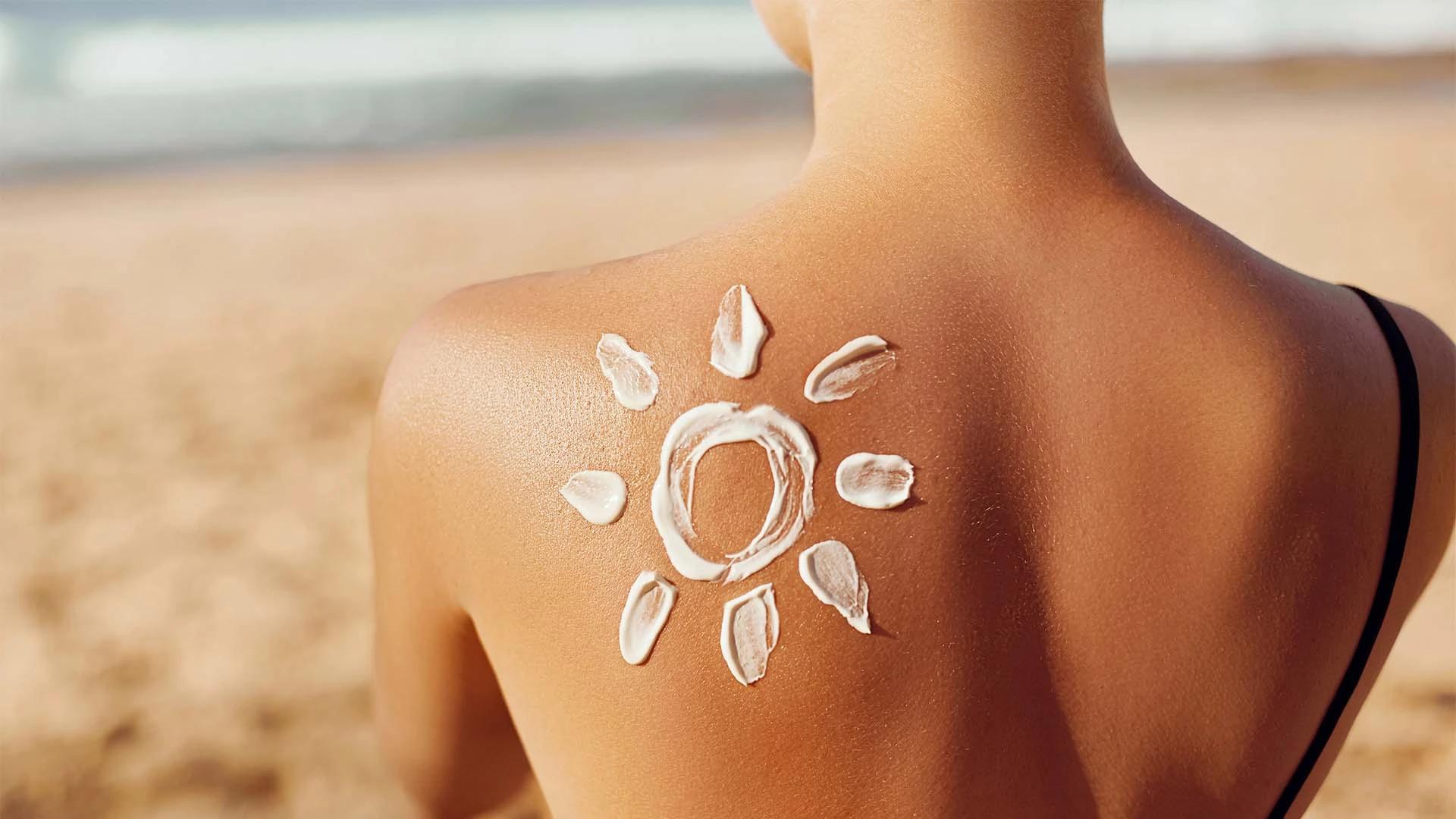
You've probably noticed how your face gets all the SPF attention, but what about the rest of your body? Your neck catches the sun every time you're outdoors, your hands are constantly exposed during your commute, and let's be honest — most of us forget about proper body sun protection until we're already dealing with tan lines or that telltale redness. If you've been wondering about the right way to protect your skin beyond your face, especially in India's intense sun, you're asking all the right questions.
India's UV index ranges from moderate to extreme throughout the year, making daily sunscreen use essential for every exposed inch of skin. Unlike many Western countries where sun protection is seasonal, our tropical and subtropical climate demands year-round vigilance. The best sunscreen india has to offer needs to work harder — battling humidity, sweat, and consistently high UV levels.
Your body skin is different from your face in several key ways. It's generally thicker, produces less oil, and covers a much larger surface area. This means sunscreen for body formulations can be more robust and cost-effective whilst still providing excellent protection. Many people assume any SPF will do, but choosing the right sun protection cream for your body makes a real difference in both protection and comfort.
From Mumbai's coastal humidity to Delhi's dry heat, different regions present unique challenges for sun protection. Coastal areas often have higher UV reflection from water and sand, whilst mountainous regions can surprise you with intense UV at higher altitudes. The key is finding a broad spectrum sunscreen that works consistently across these varied conditions.
Face sunscreens are typically formulated to be lighter and less likely to clog pores, but they're also more expensive per millilitre. Sunscreen lotion designed for the body offers better value for large areas whilst maintaining effective protection. The texture might be slightly heavier, but modern formulations absorb well without leaving that sticky feeling we all dread.
Your neck is one of the most neglected areas when it comes to sun protection, yet it's constantly exposed and shows signs of ageing quickly. The skin here is delicate, similar to your face, but often gets treated as an afterthought. Sunscreen for neck application should be as routine as protecting your face.
The good news? You absolutely can use body sunscreen on your neck. In fact, many dermatologists recommend it because the formulations are often more water-resistant and longer-lasting than face-specific products. Just ensure you're choosing a broad spectrum sunscreen with at least SPF 30 for adequate protection.
Yes, and it's often a smart choice. Body sunscreens typically offer excellent coverage and staying power. The key is selecting one that won't feel heavy or cause breakouts if you're prone to neck acne. Look for non-comedogenic formulations that absorb quickly.
Apply sunscreen to your neck in upward strokes, covering the front, sides, and back. Don't forget the area just behind your ears — it's a common spot for sunburn. Reapply every two hours, especially if you're sweating or wearing clothing that rubs against the area.
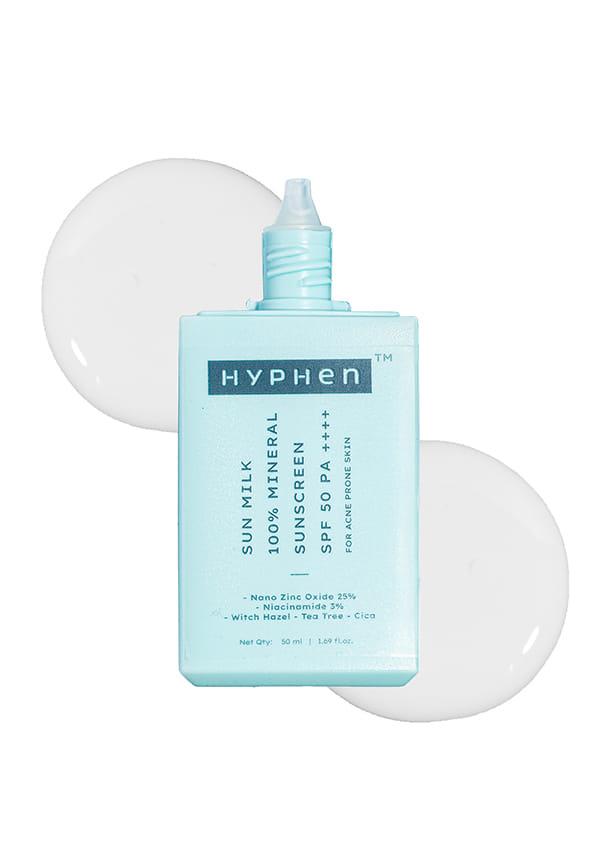
Sun Milk 100% Mineral Sunscreen SPF 50 PA++++ 25% Nano Zinc Oxide
Consistent neck sun protection prevents the horizontal lines and crepey texture that develop over time. Think of it as an investment in how your neck will look in ten years. The sunscreen benefits extend far beyond preventing burns — you're actively preventing premature ageing.
Your hands probably see more sun exposure than any other part of your body, yet they're often the last to get SPF attention. From driving to outdoor activities, sunscreen for hands should be as automatic as applying it to your face. The challenge? Hands get washed frequently, making reapplication crucial.
Hand skin is unique — it's thinner on the back but constantly in use. This means you need a spf for body that's both protective and practical. Water-resistant formulations work best, as they'll survive a few hand washes before needing reapplication.
Hands show age faster than almost any other body part because they're constantly exposed and frequently neglected in skincare routines. Brown spots, wrinkles, and uneven texture all develop from cumulative sun damage. Starting hand sun protection early makes a visible difference over time.
SPF 30 blocks about 97% of UVB rays, whilst SPF 50 blocks about 98%. For hands that see constant exposure, many dermatologists recommend SPF 50, especially if you're not diligent about reapplication. The extra protection is worth it for such a high-exposure area.
Apply sunscreen to the backs of your hands, between your fingers, and around your nails. Keep a small tube in your car, bag, or desk drawer for easy reapplication. If you wash your hands frequently, consider applying a thin layer of hand cream first, then sunscreen — it helps the SPF adhere better.
SPF numbers can feel overwhelming, but understanding them helps you make smarter choices. SPF for body protection works the same way as face SPF — it indicates how much longer you can stay in the sun without burning compared to unprotected skin. But there's more to the story than just the number.
PA ratings, indicated by plus signs, measure UVA protection — the rays responsible for ageing and pigmentation. In India's intense sun, look for PA+++ or PA++++ ratings alongside your SPF number for comprehensive protection.
SPF 30 is the minimum recommended for daily use, offering solid protection for most activities. SPF 50 provides slightly better protection and is ideal for extended outdoor time or if you're not perfect about reapplication. Higher numbers like SPF 100 offer minimal additional benefit and often come with heavier formulations.
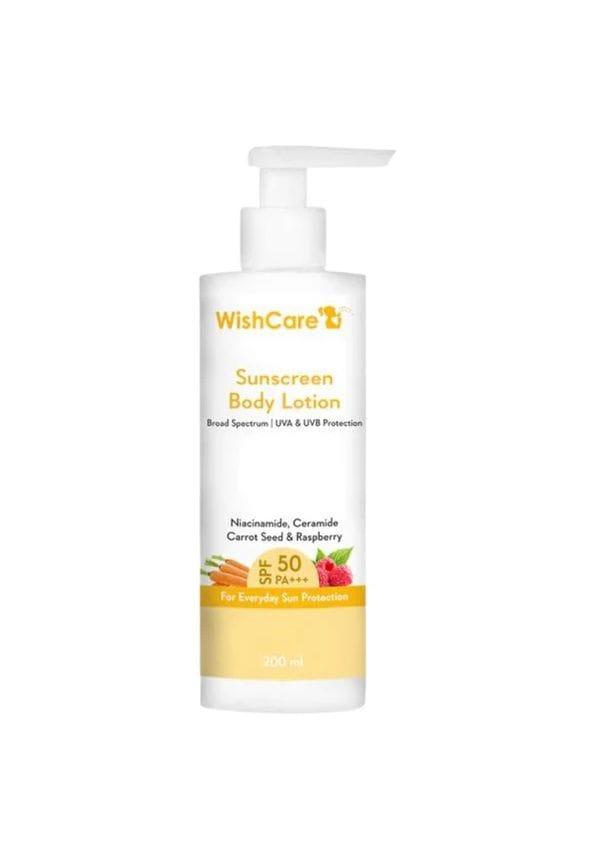
SPF50 Sunscreen Body Lotion - Broad Spectrum - UVA & UVB Protection
PA+++ blocks 90-95% of UVA rays, whilst PA++++ blocks over 95%. For Indian conditions, PA+++ is generally sufficient for daily use, but PA++++ is worth considering if you spend significant time outdoors or have concerns about pigmentation.
Broad spectrum sunscreen protects against both UVA and UVB rays. Look for ingredients like zinc oxide, titanium dioxide, or chemical filters like avobenzone and octinoxate. The best formulations combine multiple filters for comprehensive protection that doesn't break down quickly in intense sun.
Creating a sustainable daily sunscreen use routine for your body doesn't have to be complicated, but it does require some planning. The key is making it as automatic as brushing your teeth — something you do without thinking about it.
Morning application should happen about 15-30 minutes before sun exposure, giving the sunscreen lotion time to properly bind to your skin. For your body, you'll need about a shot glass worth of product to cover all exposed areas adequately — that's roughly 30ml for full body coverage.
Start with clean, dry skin. Apply your regular body moisturiser if needed, then follow with sunscreen. Pay special attention to often-missed spots like the tops of your feet, behind your knees, and along your hairline. Don't forget areas that might be exposed when you sit or bend.
The two-hour reapplication rule applies to your body just as much as your face. Set phone reminders if needed, especially during outdoor activities. For areas like hands that get washed frequently, reapply immediately after drying. Keep travel-sized tubes in your bag, car, and office for easy touch-ups.
Some sun protection cream formulations are water-resistant and may need proper cleansing to remove completely. Use a gentle body wash or cleansing oil if you've applied heavy-duty sunscreen. Follow up with moisturiser to keep your skin barrier healthy and ready for tomorrow's protection.
Body lotions with SPF can work for minimal sun exposure, but they're typically not as robust as dedicated sunscreens. The SPF in moisturisers is often lower and may not provide the broad spectrum protection you need for extended outdoor time. For serious sun protection, stick with proper sunscreen for body formulations.
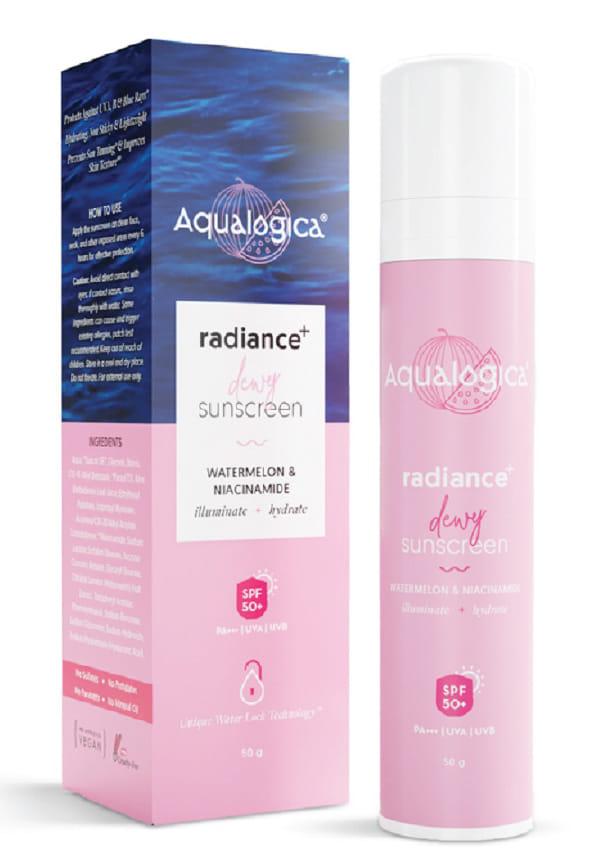
Radiance+ Dewy Sunscreen SPF 50 PA+++ | With Watermelon & Niacinamide
For full body coverage, you need about 30ml (roughly a shot glass) of product. This breaks down to about a teaspoon for each arm, each leg, your torso, and your back. It sounds like a lot, but proper coverage is essential for effective protection.
Many Indian brands offer excellent protection specifically formulated for our climate. Brands available on platforms like Smytten often undergo rigorous testing and can be just as effective as international options, sometimes at better price points. The key is checking for proper SPF and PA ratings rather than focusing solely on brand origin.
While you can use the same SPF for your entire body, some areas like your hands and neck might benefit from higher protection due to constant exposure. SPF 30 is fine for areas usually covered by clothing, but consider SPF 50 for hands, neck, and other frequently exposed areas.
Even water-resistant sunscreens need reapplication every 40-80 minutes while swimming, depending on the product's rating. Towelling off also removes sunscreen, so reapply immediately after drying. For pool or beach days, consider this part of your routine rather than an inconvenience.
Expired sunscreen loses effectiveness and may not provide the protection indicated on the label. The active ingredients break down over time, especially in heat. Check expiration dates regularly and replace products that have been open for more than a year, even if they haven't reached their printed expiry date.
Look for mineral sunscreens with zinc oxide or titanium dioxide as the active ingredients. These are less likely to cause irritation than chemical sunscreens. Fragrance-free and hypoallergenic formulations are also safer choices for sensitive skin types.
Absolutely. Up to 80% of UV rays can penetrate clouds, and you can still get sunburned on overcast days. In India's climate, daily sunscreen application should be non-negotiable regardless of weather conditions.
Look for non-comedogenic, oil-free formulations that won't clog pores. Gel-based sunscreens often work well for oily skin as they absorb quickly without leaving a greasy residue. Avoid heavy, cream-based formulations that might exacerbate breakouts.
Protecting your body from sun damage isn't just about preventing burns — it's an investment in how your skin will look and feel years from now. The sunscreen benefits extend far beyond immediate protection, helping prevent premature ageing, pigmentation, and more serious skin concerns down the line.
Finding the right best sunscreen india has to offer for your body doesn't have to be overwhelming. Focus on broad spectrum protection, appropriate SPF levels for your lifestyle, and formulations that you'll actually want to use daily. Consistency matters more than perfection.
Smytten's curated selection includes body sunscreens from trusted brands, making it easier to find options that work for your skin type and budget. With over 28 million users discovering products through trial sizes, you can explore different formulations before committing to full-size purchases. If you're curious about a particular brand but not ready to invest in a large bottle, Smytten also lets you try minis from many of these brands before buying. It's a smart way to test before you invest, especially when building a comprehensive sun protection routine that you'll stick with long-term.
