BHA Interaction with Retinoids Explained: Your FAQ


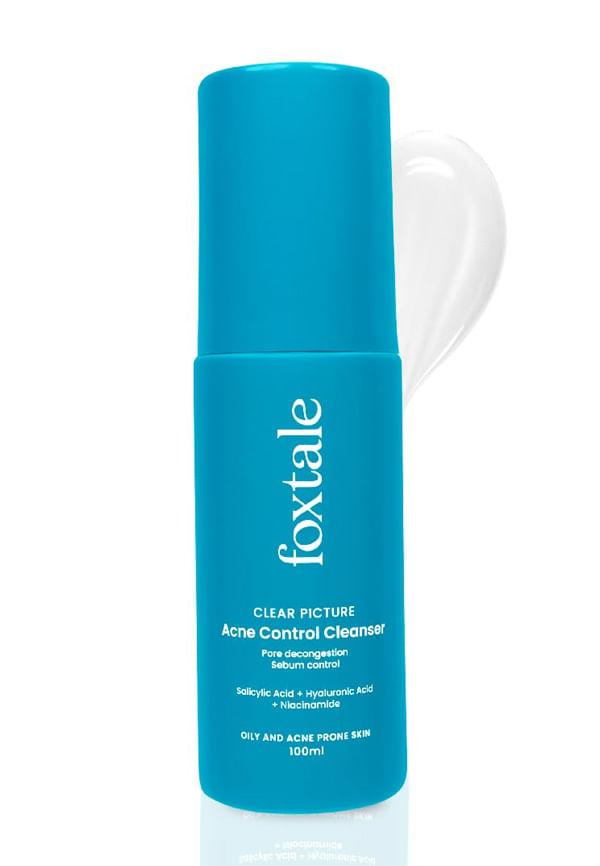
Acne Control Cleanser with Salicylic Acid || Hyaluronic Acid and Niacinamide
You've been eyeing that retinol serum for months, finally took the plunge, and now you're wondering if you can still use your trusty BHA exfoliant. Real talk: the internet is full of conflicting advice about mixing these powerhouse ingredients. Some say never combine them, others swear by the duo. If you're feeling confused about whether your skincare acids retinoids routine is helping or harming your skin, you're not alone. Let's clear up the confusion around BHA interaction with retinoids explained once and for all.
Before we dive into whether these ingredients play nicely together, let's get clear on what they actually do. Think of BHA and retinoids as two different types of skin renovators, each with their own specialty. Beta hydroxy acid, primarily salicylic acid, is your oil-soluble exfoliant that loves to dive deep into pores. Unlike its water-soluble cousin AHA, BHA can cut through sebum and dead skin cells that clog your pores. It's particularly brilliant for anyone dealing with blackheads, whiteheads, or that stubborn congestion that seems to lurk around your T-zone. Retinoids, on the other hand, are vitamin A derivatives that work at a cellular level. Whether you're using over-the-counter retinol, retinyl palmitate, or prescription-strength tretinoin, these ingredients speed up cell turnover. They're the gold standard for anti-ageing, but they're also incredibly effective for acne because they prevent dead skin cells from clogging pores in the first place.
Here's where it gets interesting: both ingredients essentially help your skin shed dead cells more efficiently, but they do it through different mechanisms. BHA works on the surface and inside pores, dissolving the bonds between dead skin cells. Retinoids work deeper, encouraging your skin to produce new cells faster whilst also boosting collagen production. When you understand that both are essentially exfoliating your skin (just in different ways), you can see why combining them requires some thought. It's like having two personal trainers - individually brilliant, but together they might push you harder than your skin can handle.
The short answer? Yes, but with caveats. The retinoid BHA interaction isn't inherently dangerous, but it requires respect for your skin's tolerance levels. Many dermatologists actually recommend this combination for certain skin types, particularly those dealing with both acne and signs of ageing. The key lies in understanding that combining BHA retinoids can enhance each other's effectiveness. BHA clears the path by removing surface debris and unclogging pores, which allows retinoids to penetrate more effectively. Think of BHA as the opening act that gets the crowd (your skin) ready for the main event (retinoid action). However, this enhanced penetration is exactly why you need to be careful. When retinoids can penetrate deeper, they can also cause more irritation if your skin isn't ready for it. The skincare layering BHA retinoids approach requires patience and gradual introduction.
This duo works particularly well for people with oily, acne-prone skin who are also concerned about texture, pores, or early signs of ageing. If you're someone who can tolerate both ingredients individually without irritation, you're a good candidate for combining them. If you have sensitive skin, rosacea, or are new to either ingredient, it's worth mastering one before introducing the other. Your skin will thank you for the patience.
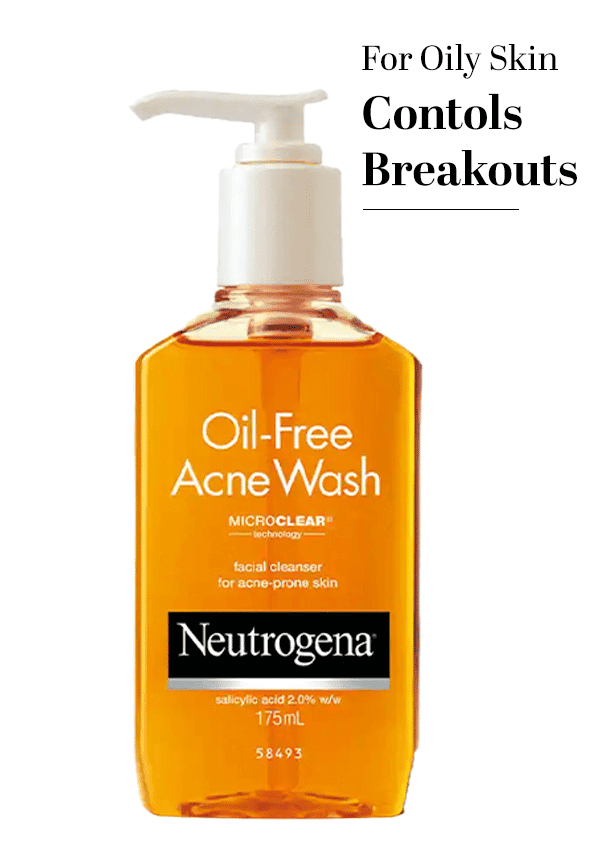
Oil Free Acne Wash For Acne Prone Skin With Salicylic Acid
The golden rule of retinol BHA together routines is: start slow, listen to your skin, and never rush the process. Here's how to approach it without turning your face into an angry, red mess. The Alternating Method (Beginner-Friendly): Start by using BHA on Monday, Wednesday, and Friday nights, and retinoid on Tuesday and Thursday nights. This gives your skin recovery time between applications whilst still getting the benefits of both ingredients. The Same-Night Method (Advanced): Once your skin is comfortable with alternating, you can try using both in the same routine. Apply BHA first (it has a lower pH and should go on clean skin), wait 15-20 minutes, then apply your retinoid. Always finish with a good moisturiser.
Both ingredients are best used at night - retinoids because they can increase sun sensitivity, and BHA because it works best when your skin is in repair mode. If you're using the same-night method, apply BHA to clean, dry skin first. The waiting period isn't just for show; it allows the BHA to do its work without interference. Your BHA retinoid routine should always end with a nourishing moisturiser. These ingredients can be drying, and compromised skin barrier leads to irritation, which defeats the purpose entirely.
If acne is your main concern, the BHA for acne retinoids combination can be particularly effective. Here's why this duo works so well for breakout-prone skin. Retinoid exfoliation prevents comedones (blackheads and whiteheads) by keeping dead skin cells from clogging pores. It also helps reduce inflammatory acne by normalising skin cell turnover. Meanwhile, BHA tackles existing congestion and helps control excess oil production. The result? You're addressing acne from multiple angles - preventing new breakouts whilst clearing existing ones. Many people see improvements in both active acne and post-acne marks when using this combination consistently.
Don't expect overnight miracles. Most people start seeing improvements in skin texture within 2-4 weeks, but significant acne improvements can take 8-12 weeks. Your skin might initially purge (bring existing congestion to the surface faster), which is normal but can be discouraging. Stick with it, but if you experience persistent irritation, redness, or worsening breakouts beyond the initial purging phase, scale back and reassess your routine.
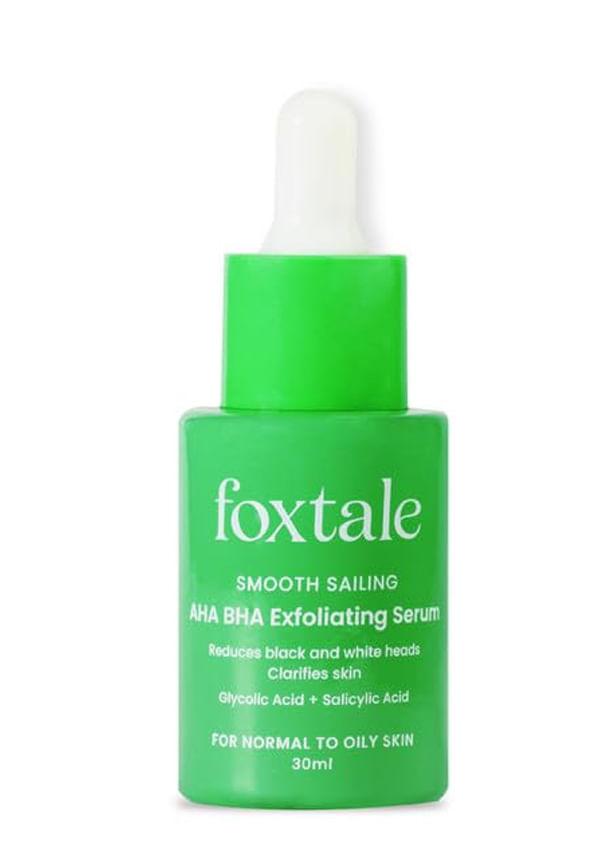
AHA BHA Exfoliating Serum||Salicylic Acid & Glycolic Acid
The biggest mistake people make with skincare acids retinoids is thinking more equals better. Over-exfoliation is real, and it can set your skin progress back by months. Watch for warning signs: persistent redness, stinging when applying moisturiser, increased sensitivity to products you normally tolerate, or a tight, shiny appearance to your skin. These are all signs you've pushed too hard too fast. Another common error is skipping moisturiser because you're worried about pilling or reducing ingredient effectiveness. A compromised skin barrier actually makes both BHA and retinoids less effective, not more. Always prioritise skin barrier health.
Not all BHA and retinoid products are created equal. Look for BHA concentrations between 0.5-2% (1% is the sweet spot for most people), and start with lower-strength retinoids like 0.25% retinol or retinyl palmitate before moving to stronger options. Formulation matters too. Gel-based BHA products tend to be more potent than cream formulations, whilst retinoids in moisturising bases are generally gentler than those in gel or serum form.
Most people can work up to using both ingredients together several times a week, but daily use isn't necessary or recommended for everyone. Your skin's tolerance, the specific products you're using, and your skin concerns all factor into the ideal frequency. Start with 2-3 times per week and adjust based on how your skin responds.
Always apply BHA first when using both in the same routine. BHA has a lower pH and works best on clean skin, whilst retinoids can be applied over other products. Wait 15-20 minutes between applications to allow the BHA to work effectively.
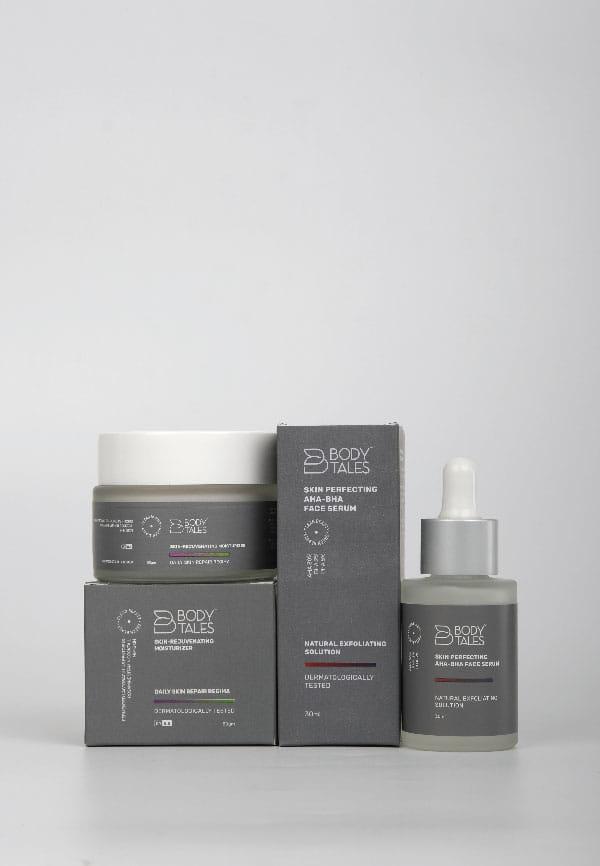
Skin Perfecting Aha-Bha Face Serum & Skin-Rejuvenating Moisturizer
It's better to layer them separately rather than mixing them together. Mixing can alter the pH and effectiveness of both ingredients. The layering method ensures each ingredient can work optimally.
Yes, some initial purging is normal, especially if you're new to either ingredient. This typically lasts 4-6 weeks as your skin adjusts to increased cell turnover. However, if irritation persists beyond this timeframe or worsens, you may need to reduce frequency or concentration.
Vitamin C is best used in the morning, whilst BHA and retinoids work best at night. This timing separation helps avoid potential interactions and reduces the risk of irritation from using too many active ingredients simultaneously.
If you experience irritation, immediately reduce frequency or take a break from both ingredients. Focus on gentle, hydrating products until your skin barrier recovers. When you restart, introduce one ingredient at a time and build up slowly.
The BHA interaction with retinoids explained doesn't have to be complicated. These ingredients can work beautifully together when introduced thoughtfully and used consistently. The key is respecting your skin's individual tolerance and building up slowly. Remember, skincare is highly individual. What works for your friend or favourite influencer might not work for you, and that's perfectly normal. Pay attention to how your skin responds rather than following rigid rules about what you "should" be doing. If you're curious about trying different BHA or retinoid formulations but hesitant to commit to full-size products, exploring minis can be a smart way to test what works for your skin. Smytten's curated selection includes various skincare acids retinoids options from trusted brands, letting you discover your perfect combination without the commitment. With over 28 million users finding their ideal products through trial and discovery, it's worth considering when you're ready to experiment with new formulations in your routine.
