Bakuchiol vs Retinol for Indian Skin: FAQ
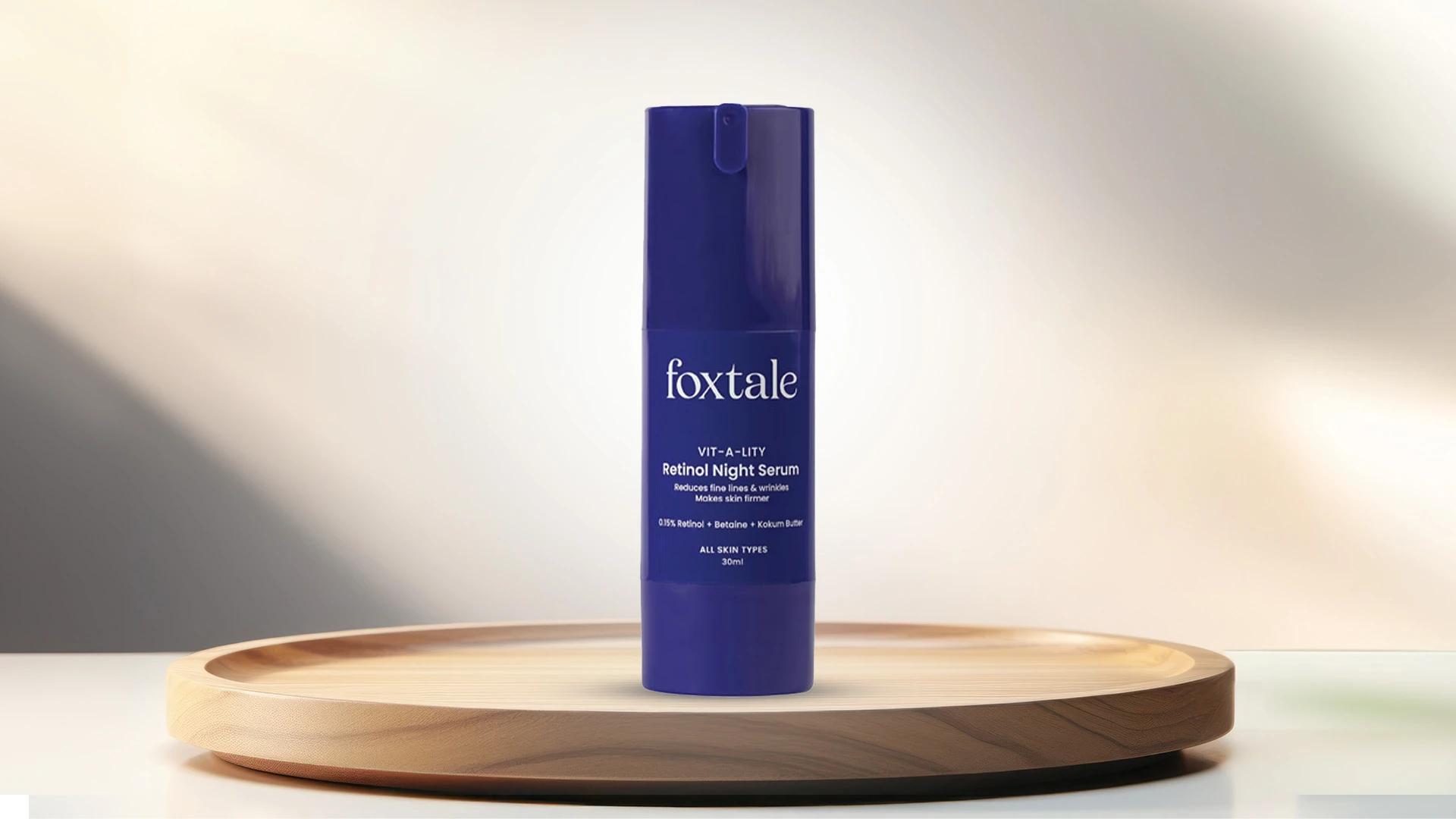

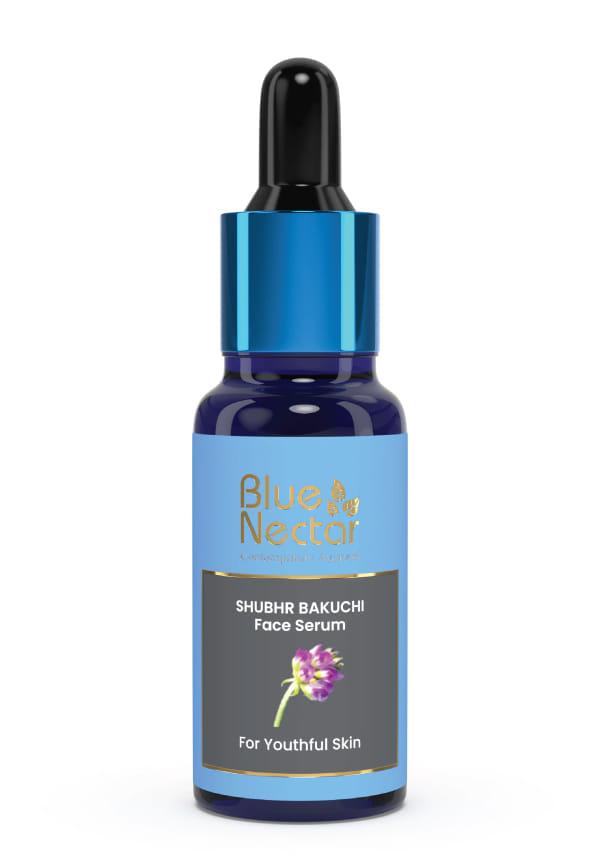
Shubhr Bakuchi Anti Aging Serum | Natural Retinol Alternative
You've probably heard the skincare world buzzing about bakuchiol lately, especially as more people seek gentler alternatives to retinol. If you're wondering whether this plant-based ingredient could work better for your Indian skin than traditional retinol, you're asking the right questions. With our climate, skin concerns like hyperpigmentation, and the need for products that won't irritate melanin-rich skin, choosing between these two anti-ageing powerhouses requires some proper understanding.
Here's something fascinating: bakuchiol isn't actually new to Indian skincare. This purple-flowered plant extract has been used in Ayurvedic medicine for centuries, though we're only now understanding its remarkable anti-ageing properties through modern science.
In India, bakuchiol comes from a plant traditionally known as Babchi or Bavachi in Hindi. The scientific name is Psoralea corylifolia, and Ayurvedic practitioners have long used its seeds and leaves for various skin concerns. What's brilliant is that modern extraction methods now allow us to harness the specific compounds that make this ingredient so effective for anti-ageing.
Unlike retinol, which works by binding to specific receptors in your skin, bakuchiol stimulates collagen production through a different pathway altogether. Clinical studies show it can increase multiple types of collagen and elastin, leading to firmer, more resilient skin over time. The beauty of this mechanism is that it achieves similar results to retinol without the irritation that many people experience, particularly those with sensitive or reactive skin.
Real talk: both ingredients have their place in skincare, but understanding how they work differently can help you make the right choice for your specific needs and skin type.
Retinol typically shows visible changes within 4-12 weeks, with a well-established track record spanning decades of research. You'll often notice smoother texture first, followed by improvements in fine lines and hyperpigmentation. Bakuchiol, on the other hand, works more gradually, with many users seeing improvements around the 8-12 week mark. While the timeline might be longer, the gentleness factor makes it worth considering, especially if you've struggled with retinol sensitivity.
Indian skin types often deal with specific concerns that make ingredient choice crucial. Our melanin-rich skin can be more prone to post-inflammatory hyperpigmentation, meaning any irritation from skincare can lead to dark spots that take months to fade. The humid climate in many parts of India also means our skin might react differently to potent actives. Bakuchiol's gentle nature makes it particularly suitable for these considerations, whilst still delivering the anti-ageing benefits we're after.
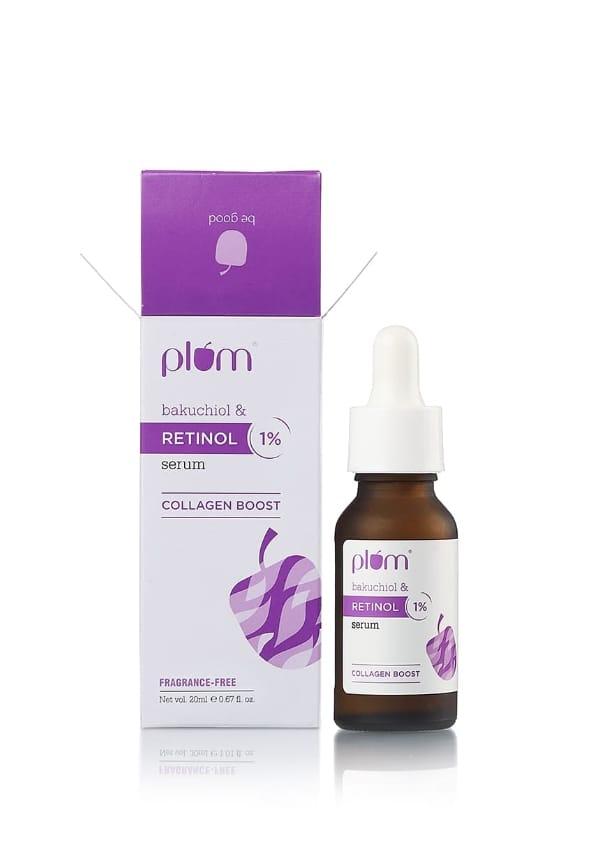
1% Retinol Face Serum with Bakuchiol
What makes bakuchiol particularly interesting for Indian skincare routines is its versatility and gentle effectiveness across multiple skin concerns.
Studies show that bakuchiol can stimulate the production of collagen types I, III, and IV, which are essential for maintaining skin structure and elasticity. This means you're getting comprehensive anti-ageing benefits that address fine lines, wrinkles, and skin firmness. The process is gradual but sustainable, making it an excellent choice for long-term skin health rather than quick fixes that might compromise your skin barrier.
Here's where bakuchiol really shines for Indian skin: its anti-inflammatory and antimicrobial properties make it suitable for acne-prone skin without the purging phase that retinol often causes. If you're dealing with hormonal breakouts or post-acne marks, bakuchiol can help manage inflammation whilst working on skin renewal. This dual action is particularly valuable for those who want anti-ageing benefits but can't tolerate the initial breakouts that retinol sometimes triggers.
Understanding the side effect profiles of both ingredients is crucial for making an informed choice, especially considering our climate and skin sensitivities.
In the Indian climate, retinol side effects can be particularly challenging. The combination of heat, humidity, and sun exposure can intensify irritation, redness, and peeling. Many people experience photosensitivity, which means your skin becomes more vulnerable to sun damage – a significant concern given our year-round sun exposure. The purging phase, where your skin initially breaks out more before improving, can also lead to post-inflammatory hyperpigmentation in darker skin tones.
The side effect profile of bakuchiol is remarkably gentle. Most people experience minimal to no irritation, making it suitable for sensitive skin types that struggle with traditional retinoids. It's also considered safe during pregnancy and breastfeeding, unlike retinol. Perhaps most importantly for Indian skincare routines, bakuchiol doesn't increase sun sensitivity, so you don't need to worry about additional photosensitivity in our intense climate.
When selecting between these ingredients, the formulation and concentration matter just as much as the active ingredient itself.
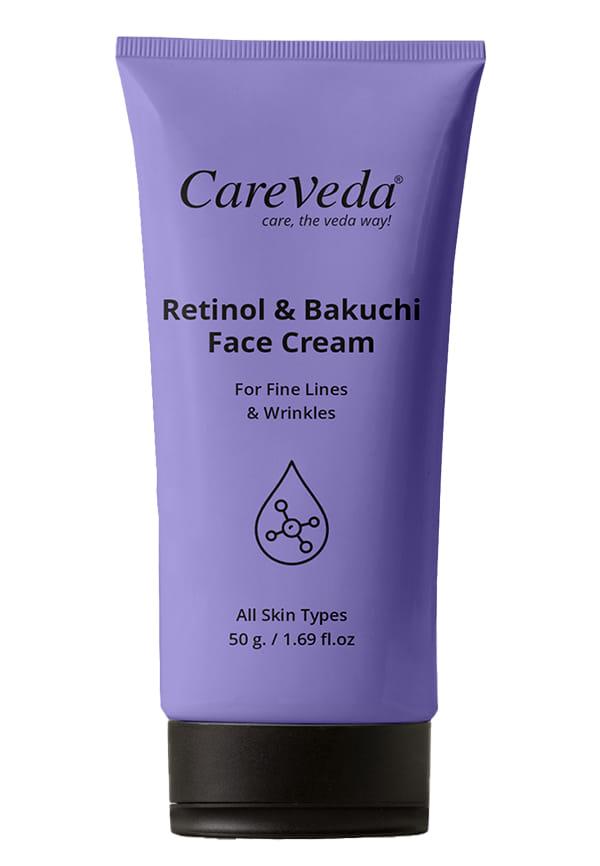
Retinol & Bakuchi Face Cream For Fine Lines & Wrinkles
Look for bakuchiol serums with concentrations between 0.5% to 2%, which provide effectiveness without irritation. The best formulations often include complementary ingredients like niacinamide, hyaluronic acid, or vitamin C, which work synergistically with bakuchiol. For Indian skin, serums that include hydrating and barrier-strengthening ingredients are particularly beneficial, as they help maintain skin health in our climate whilst delivering anti-ageing benefits.
Interestingly, bakuchiol and retinol can be used together, though this approach requires careful consideration. Some people alternate between the two – using retinol a few times a week and bakuchiol on the other days. This combination can provide the proven benefits of retinol whilst minimising irritation through bakuchiol's soothing properties. However, if you're new to either ingredient, it's wise to establish tolerance to one before introducing the other.
Setting realistic expectations is crucial when incorporating any new active ingredient into your routine, and bakuchiol is no exception.
With bakuchiol, patience truly pays off. In the first 4-6 weeks, you might notice improved skin texture and a subtle glow. By 8-12 weeks, fine lines may appear softer, and skin firmness often improves. Unlike retinol's sometimes dramatic initial changes, bakuchiol works steadily and gently. This gradual improvement means your skin adjusts comfortably, reducing the risk of irritation or the rebound effects that can occur when stopping harsher actives.
To get the most from bakuchiol, consistency is key. Apply it to clean skin in the evening, though it can also be used during the day since it doesn't increase photosensitivity. Pairing it with a good moisturiser and SPF during the day will support your skin's natural repair processes. Remember, anti-ageing is a marathon, not a sprint, and bakuchiol rewards those who stick with it long-term.
The choice between bakuchiol and retinol often comes down to your individual skin needs, tolerance levels, and lifestyle factors.
Many dermatologists working with Indian patients appreciate bakuchiol for its gentleness and suitability for sensitive skin types. Given the prevalence of melasma and post-inflammatory hyperpigmentation in Indian skin, the non-irritating nature of bakuchiol makes it an attractive option. However, for more advanced signs of ageing or when faster results are needed, retinol remains the gold standard, provided it's introduced carefully and with proper sun protection.
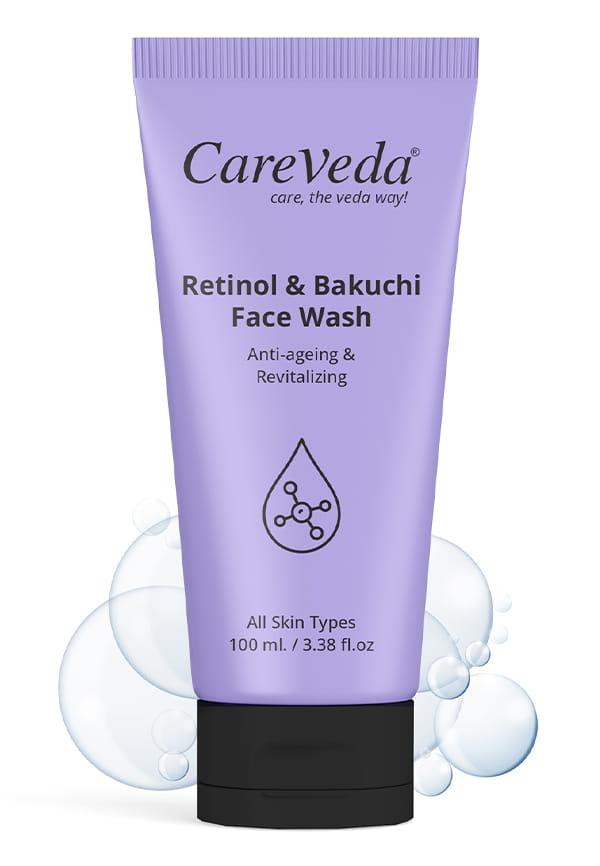
Retinol & Bakuchi Face Wash For Anti Ageing & Revitalizing
If you're new to anti-ageing actives, have sensitive skin, or are pregnant or breastfeeding, bakuchiol is an excellent starting point. For those who've successfully used retinol before and want proven, faster results, retinol might be the better choice. Consider your lifestyle too – if you spend significant time outdoors or struggle with consistent SPF use, bakuchiol's lack of photosensitivity makes it more forgiving.
In India, bakuchiol is traditionally known as Babchi or Bavachi in Hindi. It comes from the Psoralea corylifolia plant, which has been used in Ayurvedic medicine for centuries. Modern skincare extracts the active compound bakuchiol from the seeds and leaves of this plant.
While bakuchiol shows promising results in clinical studies, retinol still has more extensive research backing its effectiveness. Bakuchiol works through different pathways to stimulate collagen production and can deliver similar benefits over time, but typically more gradually than retinol. For many people, especially those with sensitive skin, the gentleness of bakuchiol makes it more suitable despite potentially slower results.
Yes, unlike retinol, bakuchiol doesn't increase photosensitivity, making it safe for daytime use. However, many people prefer using it in their evening routine as part of their skin repair and renewal process. If you do use it during the day, always follow with SPF as part of good skincare practice.
For hyperpigmentation common in Indian skin types, both ingredients can be helpful, but in different ways. Retinol accelerates cell turnover, which can help fade dark spots faster, but may initially cause irritation that leads to more pigmentation. Bakuchiol works more gently on pigmentation whilst being less likely to cause the irritation that can worsen hyperpigmentation in darker skin tones.
Yes, bakuchiol and retinol can be used together safely. Some people alternate them on different nights, whilst others use bakuchiol in the morning and retinol at night. Bakuchiol may even help reduce some of the irritation associated with retinol use. However, if you're new to either ingredient, introduce them separately to assess your skin's tolerance.
Yes, bakuchiol is considered safe during pregnancy and breastfeeding, unlike retinol which should be avoided during these times. This makes bakuchiol an excellent alternative for expecting mothers who still want to maintain their anti-ageing skincare routine safely.
The choice between bakuchiol and retinol isn't necessarily an either-or decision. Both ingredients have their place in modern skincare, and the best choice depends on your individual skin needs, sensitivity levels, and lifestyle factors. For Indian skin types dealing with sensitivity, hyperpigmentation concerns, or those seeking a gentler approach to anti-ageing, bakuchiol offers a compelling alternative that honours both traditional wisdom and modern science.
What's exciting is that you don't have to commit to full-size products immediately when exploring these ingredients. Smytten's curated selection includes various bakuchiol serums and retinol products from trusted brands, allowing you to discover what works best for your skin through trial sizes before making larger investments. With over 28 million users finding their perfect skincare matches, it's a smart way to test these powerful ingredients without the guesswork.
