Anti-Aging Skincare for Indian Women: Your Questions Answered


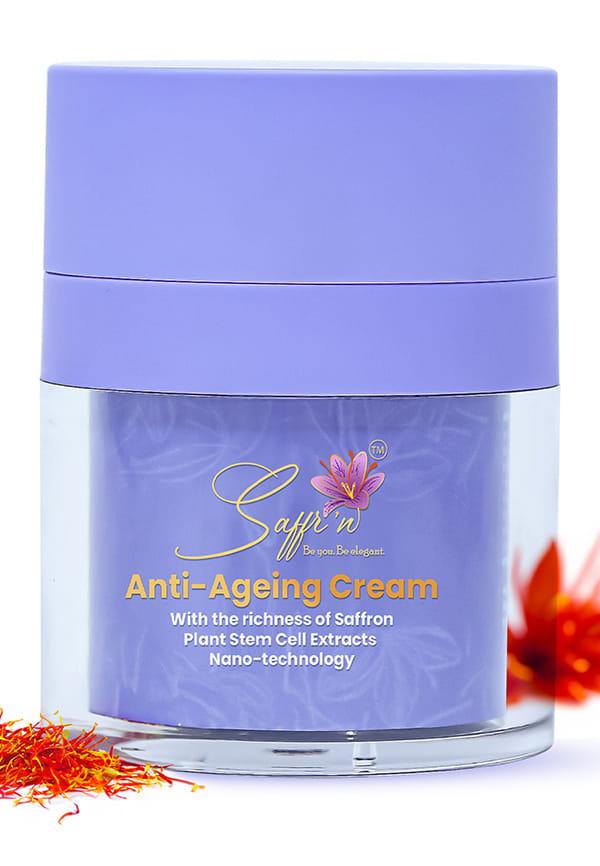
Anti Ageing Cream
You've been staring at your reflection a bit longer lately, haven't you? Maybe it's that faint line near your eyes that wasn't there last year, or perhaps your skin just doesn't bounce back the way it used to after a late night. If you're wondering when to start taking anti-ageing seriously, you're not alone. Indian women often ask this question, especially when bombarded with conflicting advice about starting 'too early' or 'too late.' The truth is, there's no magic number, but there are some smart guidelines that can help you make the right choice for your skin.
Here's something that might surprise you: your skin starts its ageing process much earlier than you think. Collagen production begins to decline as early as your mid-twenties, dropping by about 1% each year after age 25. For Indian women, this natural process gets complicated by our unique environment and lifestyle factors.
Our tropical climate plays a significant role in how our skin ages. The combination of intense UV radiation, high humidity, and pollution in Indian cities creates a perfect storm for premature ageing. Cities like Delhi, Mumbai, and Bangalore expose our skin to environmental stressors that can accelerate the breakdown of collagen and elastin fibres.
Indian skin types also have their own characteristics. We're blessed with more melanin, which provides some natural protection against UV damage, but we're also more prone to hyperpigmentation and uneven skin tone as we age. Understanding these factors helps explain why a one-size-fits-all approach to anti-ageing simply doesn't work.
Dermatologists generally agree that prevention is better than correction, but the approach changes based on your age and skin concerns. Let's break this down into practical phases that make sense for Indian women's lifestyles.
If you're in your early twenties, your focus should be on building a solid skincare foundation. This isn't about heavy anti-ageing products yet—it's about protecting what you have. SPF becomes your best friend here, especially given our intense Indian sun. A broad-spectrum sunscreen with at least SPF 30 should be non-negotiable, whether you're stepping out in Chennai's heat or Shimla's mountain sun.
This is when most dermatologists recommend introducing targeted anti-ageing ingredients. Around 25-28, you might start noticing subtle changes—perhaps your skin takes longer to recover from breakouts, or you're seeing the first hints of fine lines when you smile. This is the sweet spot for starting gentle interventions like retinoids or vitamin C serums.
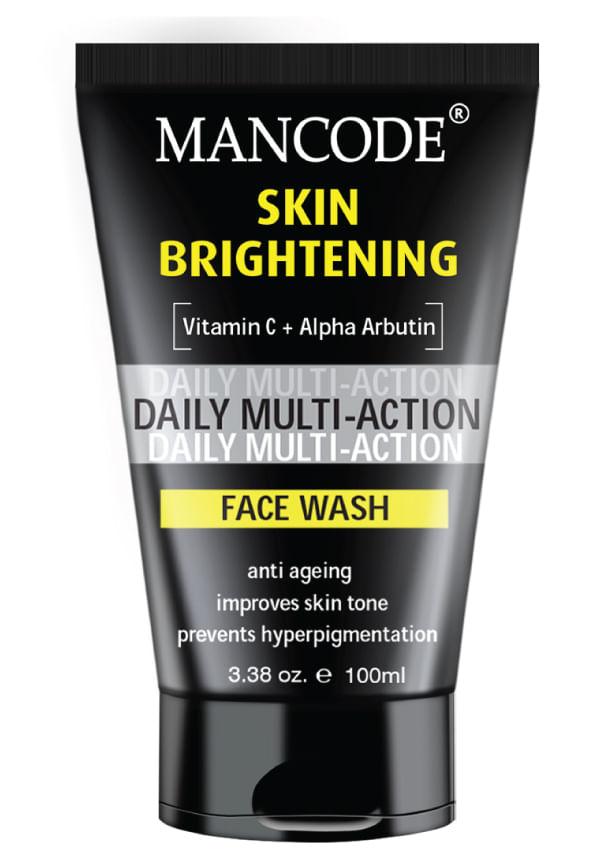
Skin Brightening Face Wash Anti Ageing Improves Skin Tone Multi Double Action Skin Purifying Face Wash
By your thirties, you're likely dealing with more visible signs of ageing. This is when you can introduce more potent ingredients and consider professional treatments. Your skin can handle stronger formulations, and you'll see more dramatic results from consistent use of anti-ageing products.
Recognising the early signs of ageing helps you adjust your routine before major changes occur. For Indian women, these signs often appear differently than they might for other skin types.
Fine lines typically show up first around the eyes and mouth—areas where we express emotions most. You might notice them after laughing or squinting in bright sunlight. Uneven skin tone and dark spots are particularly common in Indian skin, often appearing as post-inflammatory hyperpigmentation from old acne or sun damage.
Loss of skin elasticity becomes noticeable when your skin doesn't snap back as quickly after being gently pinched. Enlarged pores, especially around the nose and cheeks, can make your skin look less refined. Dullness and texture changes often happen gradually—your skin might lose that natural glow you had in your teens and early twenties.
Creating an effective routine means matching your products to your skin's current needs, not following someone else's ten-step regimen because it worked for them.
Your morning routine should centre around protection. Start with a gentle cleanser, follow with a vitamin C serum for antioxidant protection, moisturise according to your skin type, and never skip SPF. Evening care can include the same cleanser, a hydrating serum with hyaluronic acid, and a good moisturiser.
This is when you can introduce more active ingredients. Consider adding a retinol product to your evening routine, starting slowly to build tolerance. Niacinamide works beautifully for Indian skin, helping with both ageing concerns and oil control. Your morning routine might include vitamin C, while evenings focus on repair with retinoids or peptides.
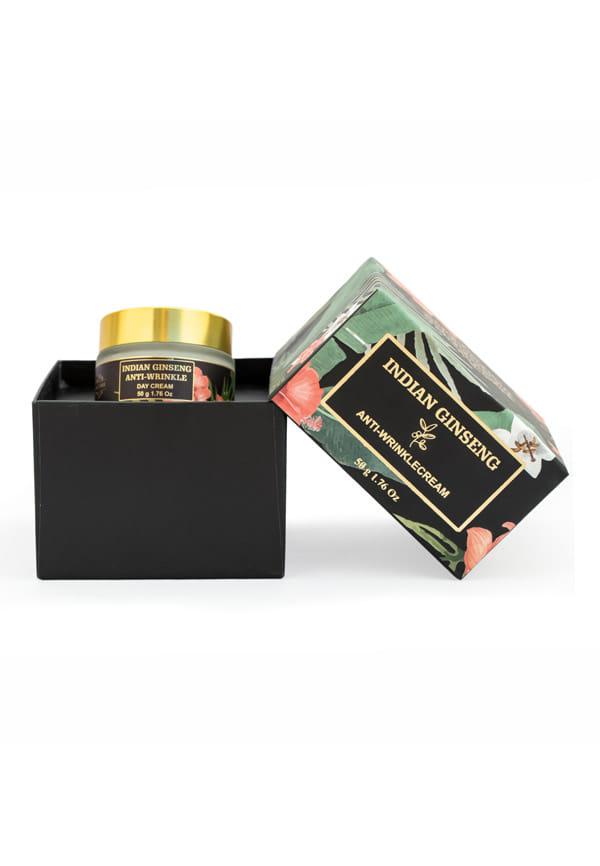
Indian Ginseng Anti Wrinkle Cream
Your skin needs more intensive support now. Consider stronger retinoids, add AHAs for gentle exfoliation, and don't forget about your neck and hands. Professional treatments like chemical peels or microneedling can complement your home routine beautifully.
Not all ingredients work equally well for Indian skin, and our climate affects how products perform. Understanding which ingredients suit our skin types helps you make smarter choices.
Retinoids remain the gold standard for anti-ageing, but Indian skin often responds well to gentler alternatives like bakuchiol or granactive retinoid. Vitamin C works wonderfully in our climate, but choose stable forms like magnesium ascorbyl phosphate if you live in particularly humid areas.
Hyaluronic acid is perfect for our climate—it draws moisture from the environment, which works beautifully in India's humidity. Traditional ingredients like turmeric and neem have anti-inflammatory properties that complement modern formulations.
Morning routines should focus on protection—antioxidants like vitamin C, hydrating serums, and always SPF. Evening routines are for repair and renewal—this is when you use retinoids, AHAs, or other active ingredients that might increase sun sensitivity.
The biggest mistake Indian women make is jumping into aggressive routines too quickly. Your skin needs time to adjust to new ingredients, especially actives like retinoids or acids. Start slowly and build up gradually.
Skipping sunscreen is another major error. Even on cloudy days in monsoon season, UV rays penetrate clouds. Indian sun is intense year-round, and without proper protection, you're undoing all your anti-ageing efforts.
Ignoring your specific skin type leads to poor results. Oily skin in Mumbai's humidity needs different products than dry skin in Delhi's winter. Don't follow routines blindly—adapt them to your skin's needs.
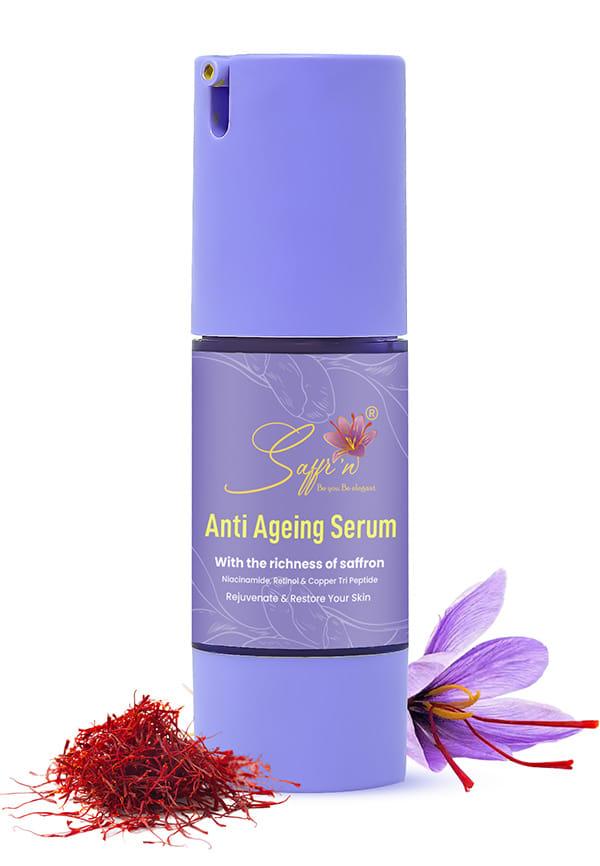
Anti Ageing Serum
Using gentle anti-ageing ingredients in your twenties is actually beneficial for prevention. However, using products that are too strong for your age can cause irritation, dryness, or sensitivity. Start with mild formulations and focus on prevention rather than correction. Your skin doesn't need aggressive treatments if you don't have significant ageing concerns yet.
Most anti-ageing creams work best at night when your skin is in repair mode. Evening is ideal for ingredients like retinoids, peptides, and heavier moisturisers. Day creams should focus on protection with SPF and antioxidants. If your anti-ageing cream contains sun-sensitising ingredients, definitely use it at night only.
Look for creams with proven ingredients like retinol, niacinamide, vitamin C, or peptides. For Indian skin in the 30s, lightweight formulations work better than heavy creams, especially in humid climates. Choose products that address your specific concerns—whether that's fine lines, dark spots, or loss of firmness.
Absolutely. Your 30s are the perfect time to introduce targeted anti-ageing products. Your skin is mature enough to handle active ingredients, and you're likely starting to see the first signs of ageing. This is when prevention becomes treatment, and consistent use of quality products can make a significant difference in how your skin ages.
The seven key signs include fine lines and wrinkles, loss of elasticity, uneven skin tone, enlarged pores, dullness, dark spots or hyperpigmentation, and rough texture. For Indian women, hyperpigmentation and uneven tone often appear before wrinkles due to our skin's tendency to produce more melanin in response to inflammation or sun exposure.
The right age to start anti-ageing skincare isn't a number—it's when you notice your skin's needs changing. For most Indian women, this happens somewhere in the mid-twenties, but your individual timeline might be different based on genetics, lifestyle, and environmental factors.
Remember, ageing gracefully isn't about stopping time—it's about keeping your skin healthy and addressing concerns as they arise. Whether you're 25 and just starting to think about prevention, or 35 and ready to tackle visible signs of ageing, the key is consistency and choosing products that work for your specific skin type and concerns.
The beauty of platforms like Smytten is that you can explore different anti-ageing products without committing to full sizes immediately. With over 2,400 trusted brands and 28 million users discovering products through trial minis, you can find what works for your skin before investing in full-size products. It's a smart way to build your perfect anti-ageing routine without the guesswork.
