AHA for Sun-Damaged Skin Repair FAQ: Your Questions Answered


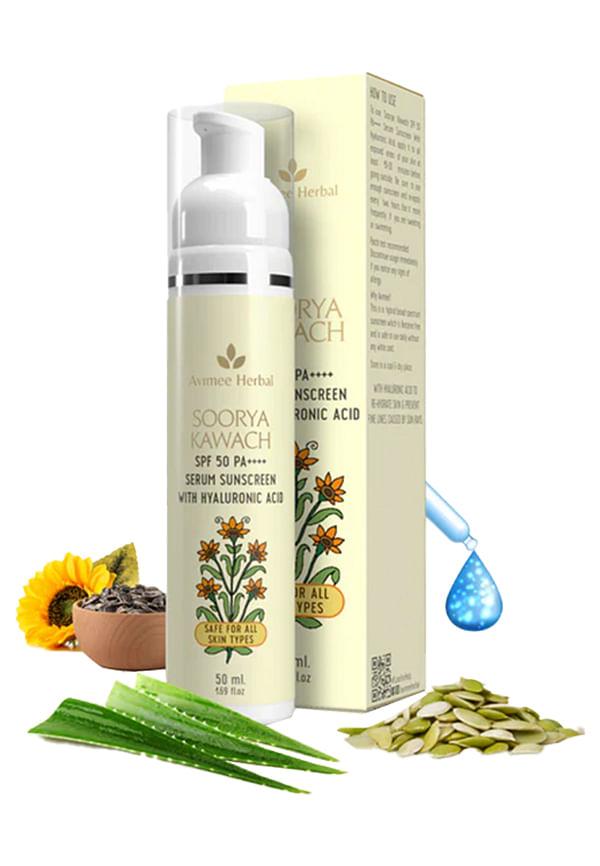 50 ml
50 mlSoorya Kawach Sunscreen with Hyaluronic Acid
You've noticed those stubborn dark spots and uneven patches that seem to have appeared overnight, but you know they're actually the result of years of sun exposure. Maybe it's the freckles that have deepened over time, or that persistent melasma that flares up every summer. If you're wondering whether AHA for sun-damaged skin repair could be the answer you've been searching for, you're asking the right questions. Alpha hydroxy acids have gained serious attention in the skincare world, and for good reason—they offer a science-backed approach to addressing the visible signs of photodamage.
Alpha hydroxy acids are naturally derived chemical exfoliants that work by gently dissolving the bonds between dead skin cells on the surface of your skin. Think of them as your skin's personal renovation crew, carefully removing the damaged outer layers to reveal fresher, healthier skin underneath.
The main players in AHA skincare include glycolic acid (derived from sugar cane), lactic acid (from fermented milk), and mandelic acid (from bitter almonds). Each has a different molecular size, which affects how deeply they penetrate and how gentle they feel on your skin.
When UV rays damage your skin over time, they create an uneven distribution of melanin and cause cellular damage that shows up as dark spots, rough texture, and fine lines. AHA exfoliation accelerates your skin's natural cell turnover process, which typically slows down as we age. By removing the damaged surface cells more efficiently, AHAs help reveal the newer, less damaged cells beneath.
Unlike physical scrubs that can be harsh and uneven, AHAs work at a molecular level to break down the keratin protein that holds damaged cells together. This process helps fade hyperpigmentation, smooth rough texture, and gradually improve the overall appearance of sun-damaged skin.
Real talk: AHA for sun-damaged skin repair isn't just skincare marketing—it's backed by solid research. Clinical studies have consistently shown that regular use of alpha hydroxy acids can significantly improve the appearance of photodamaged skin.
Research indicates that AHAs can help reduce the appearance of age spots by up to 40% over 12 weeks of consistent use. They're particularly effective for surface-level sun damage, including light brown spots, rough texture, and mild uneven skin tone. However, it's important to set realistic expectations—deeper, more established sun damage may require professional treatments or longer treatment periods.
AHAs work particularly well for surface-level concerns like light hyperpigmentation, rough texture from sun exposure, and early signs of photoaging. You might start noticing smoother skin texture within 2-4 weeks, whilst pigmentation changes typically become visible after 6-8 weeks of consistent use.
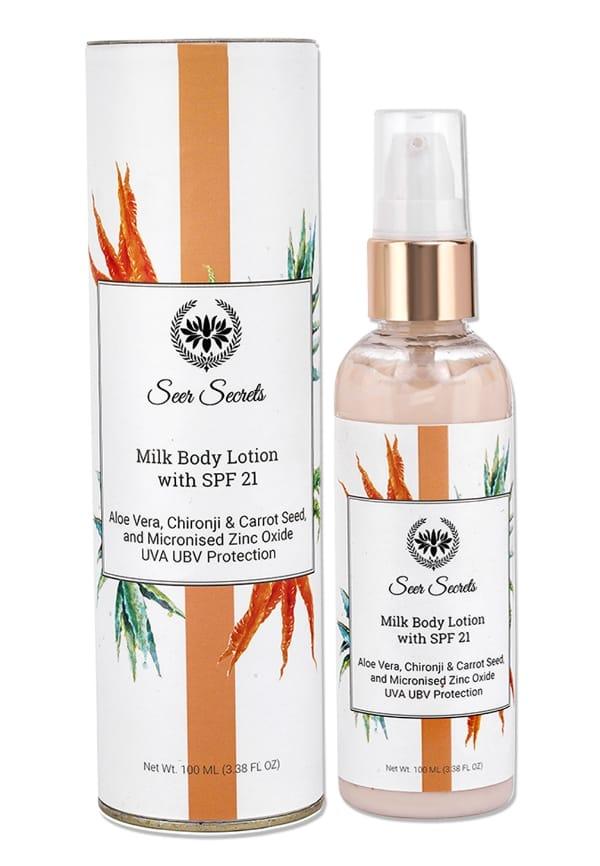 100 ml
Aloe Vera, Chironji & Carrot Seed Spf 21 Milk Lotion- For Sun Damaged Skin
Starting your AHA skincare journey requires patience and a strategic approach. Your skin needs time to adjust to chemical exfoliation, especially if it's already compromised from sun damage.
Begin with a low concentration—around 5-8% for glycolic acid or 5-10% for lactic acid—and use it just once or twice a week initially. Apply your AHA product to clean, dry skin in the evening, as these acids can increase your skin's photosensitivity.
After cleansing, wait for your skin to dry completely before applying your AHA product. Start with a thin layer and avoid the delicate eye area. Follow with a gentle moisturiser to help maintain your skin barrier. Most importantly, never skip SPF the following day—this isn't optional when using AHAs.
Week 1-2: Use once weekly to gauge your skin's reaction. Week 3-4: Increase to twice weekly if no irritation occurs. Month 2 onwards: You may gradually increase frequency based on your skin's tolerance, but many people find 2-3 times weekly provides optimal results without over-exfoliation.
Whilst AHAs are generally well-tolerated, sun-damaged skin can be more reactive than healthy skin. Common side effects include mild tingling, temporary redness, and increased sensitivity to sunlight.
Watch for signs of over-exfoliation: persistent redness, burning sensations, excessive dryness, or increased breakouts. These symptoms suggest you need to reduce frequency or concentration. Remember, more isn't always better with chemical peels and acid treatments.
If you have very sensitive skin, active eczema, or are using prescription retinoids, consult with a dermatologist before starting AHAs. Pregnant and breastfeeding women should also seek professional advice, as some AHA concentrations aren't recommended during these periods.
Not all AHAs are created equal when it comes to sun damage treatment. Your choice should depend on your specific concerns and skin sensitivity level.
Glycolic acid has the smallest molecular size, making it the most penetrating and potentially most effective for stubborn sun damage. It's excellent for addressing fine lines, rough texture, and surface pigmentation, but it can be irritating for sensitive skin.
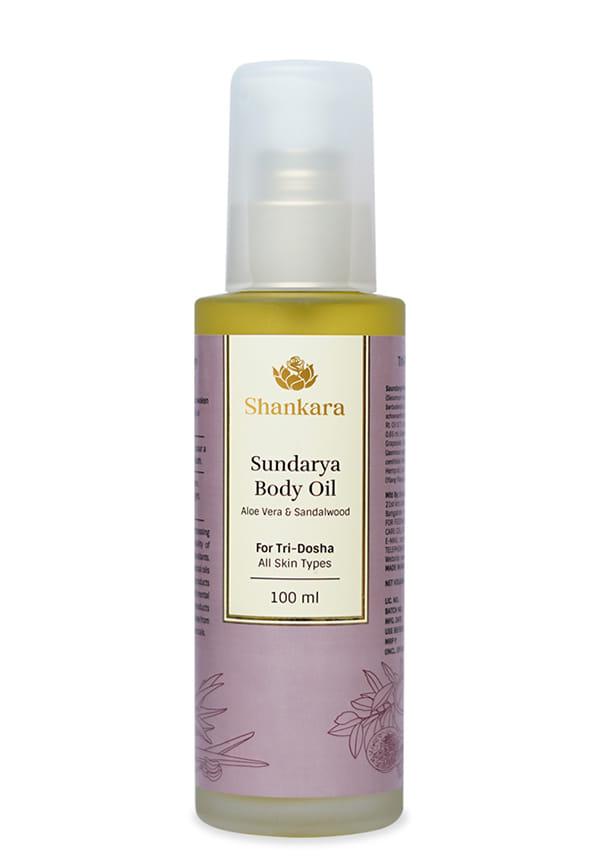 100 ml
Sundarya Body Oil
Lactic acid offers gentler exfoliation whilst still providing effective results for sun damage. It's naturally hydrating and works well for those who find glycolic acid too harsh. This makes it an excellent choice for dry or sensitive skin types dealing with sun damage.
Mandelic acid has the largest molecular size, making it the gentlest option. It's particularly suitable for darker skin tones prone to post-inflammatory hyperpigmentation, as it's less likely to cause irritation that could worsen pigmentation issues.
When it comes to anti-aging skincare and sun damage repair, you have several options. AHAs excel at surface-level improvements and are generally more accessible than professional treatments.
Compared to retinoids, AHAs provide more immediate visible results for texture and mild pigmentation, whilst retinoids offer deeper, long-term anti-aging benefits. Many dermatologists recommend using both, but not simultaneously—alternate nights or use AHAs in the morning (with SPF) and retinoids at night.
Vitamin C and AHAs can work beautifully together for comprehensive sun damage treatment. Use vitamin C in the morning for antioxidant protection and pigmentation prevention, then apply AHAs in the evening for active repair. This combination addresses both prevention and correction of sun damage.
AHAs can significantly fade surface-level hyperpigmentation, but complete removal depends on the depth and age of the pigmentation. Surface spots may fade substantially over 3-6 months, whilst deeper pigmentation may require professional treatments or combination therapy for best results.
You'll typically notice smoother skin texture within 2-4 weeks of consistent use. Pigmentation improvements usually become visible after 6-8 weeks, with continued improvement over 3-6 months. Patience is key—skin repair is a gradual process.
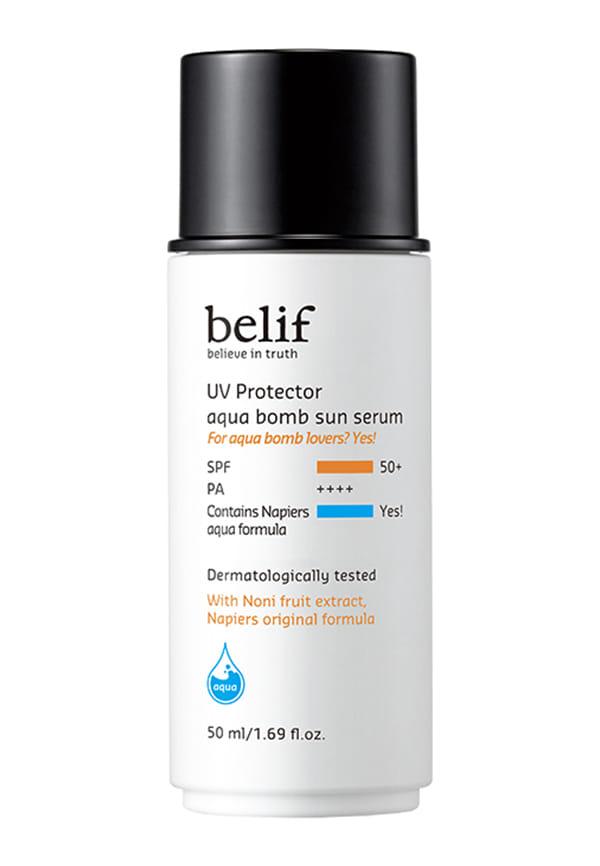 50 ml
50 mlUv Protector Aqua Bomb Sun Serum
If your skin barrier is compromised from sun damage, start very slowly with the gentlest AHA option (mandelic or low-concentration lactic acid). Focus on barrier repair with ceramides and niacinamide before introducing stronger acids.
Start with 5-8% glycolic acid or 5-10% lactic acid. These concentrations provide effective exfoliation whilst minimising the risk of irritation. You can always increase concentration later as your skin builds tolerance.
Mild tingling is normal, but persistent burning, redness, or peeling indicates you should reduce frequency or concentration. If irritation continues, discontinue use and consult a skincare professional.
Yes, but timing matters. Use vitamin C in the morning and AHAs at night, or alternate nights between AHAs and retinol. Never layer these active ingredients directly on top of each other.
You can use AHAs year-round, but sun protection becomes absolutely critical. Apply a broad-spectrum SPF 30 or higher daily, reapply frequently, and consider reducing AHA frequency during peak sun exposure periods.
AHA for sun-damaged skin repair offers a proven, accessible approach to addressing the visible signs of photodamage. Whilst results require patience and consistency, the science supports their effectiveness for improving skin texture, fading surface pigmentation, and promoting overall skin resurfacing.
Remember that sun damage didn't happen overnight, and reversing it won't either. The key is finding the right AHA type and concentration for your skin, introducing it gradually, and maintaining realistic expectations about timelines and results.
If you're curious about trying different AHA formulations but hesitant to commit to full-size products, platforms like Smytten let you explore minis from trusted skincare brands before making larger investments. With over 28 million users discovering products through trial sizes, it's a smart way to test what works for your unique skin concerns before you fully commit to a routine.
