AHA BHA PHA Toner for Indian Skin: Your Questions Answered

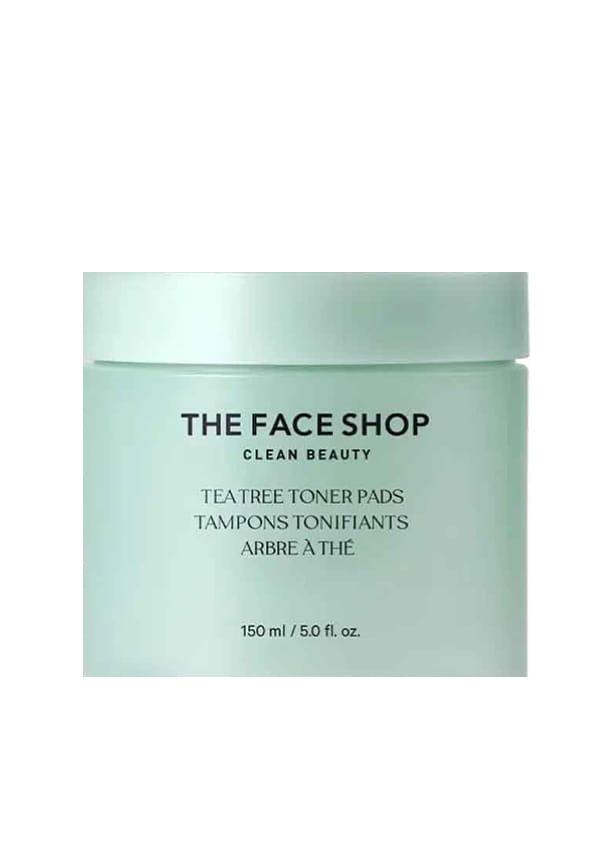
Tea Tree Toner Pads With AHA, Ip- BHA, PHA & Hyaluronic Acid
You've been eyeing that AHA BHA PHA toner everyone's raving about, but the thought of introducing chemical exfoliants to your routine feels overwhelming. Will it work for Indian skin? How often should you use it? And honestly, what if it makes your skin worse before it gets better? These concerns are completely valid, especially when you're dealing with stubborn hyperpigmentation or persistent breakouts that seem to love our humid climate. The good news is that with the right approach, AHA BHA PHA toners can be game-changers for Indian skin types.
Indian skin comes with its own unique set of characteristics that make it both resilient and reactive. Our melanin-rich skin tends to hold onto pigmentation longer, whether it's from a stubborn pimple that left its mark or those dark spots from last summer's sun exposure.
The higher melanin content in Indian skin is brilliant for natural sun protection, but it also means we're more prone to post-inflammatory hyperpigmentation. That tiny spot where you picked at a pimple? It can stick around for months. Add our tropical climate with its humidity, pollution, and intense UV rays, and you've got skin that's constantly battling excess oil, clogged pores, and uneven tone.
AHAs like glycolic and lactic acid work on the skin's surface, gently dissolving the bonds between dead skin cells. For Indian skin dealing with dullness and surface-level pigmentation, this means revealing fresher, brighter skin underneath. BHA, primarily salicylic acid, dives deeper into pores to clear out oil and debris - perfect for those dealing with blackheads and congestion. PHAs are the gentle giants of the group, offering exfoliation without the potential irritation, making them ideal for sensitive areas or beginners.
The combination of these three acids addresses multiple concerns simultaneously. Hyperpigmentation fades more evenly, acne prevention becomes more manageable, and that coveted smooth texture starts emerging. Many users notice their skin looking more radiant within weeks, with dark spots gradually lightening over months of consistent use.
Getting the application right is crucial for seeing results without irritation. The key is starting slow and building up your skin's tolerance gradually.
Before you even think about applying that toner to your entire face, do a patch test behind your ear or on your inner wrist. Wait 24-48 hours to see how your skin reacts. This step is non-negotiable, especially if you have sensitive skin or are new to chemical exfoliants.
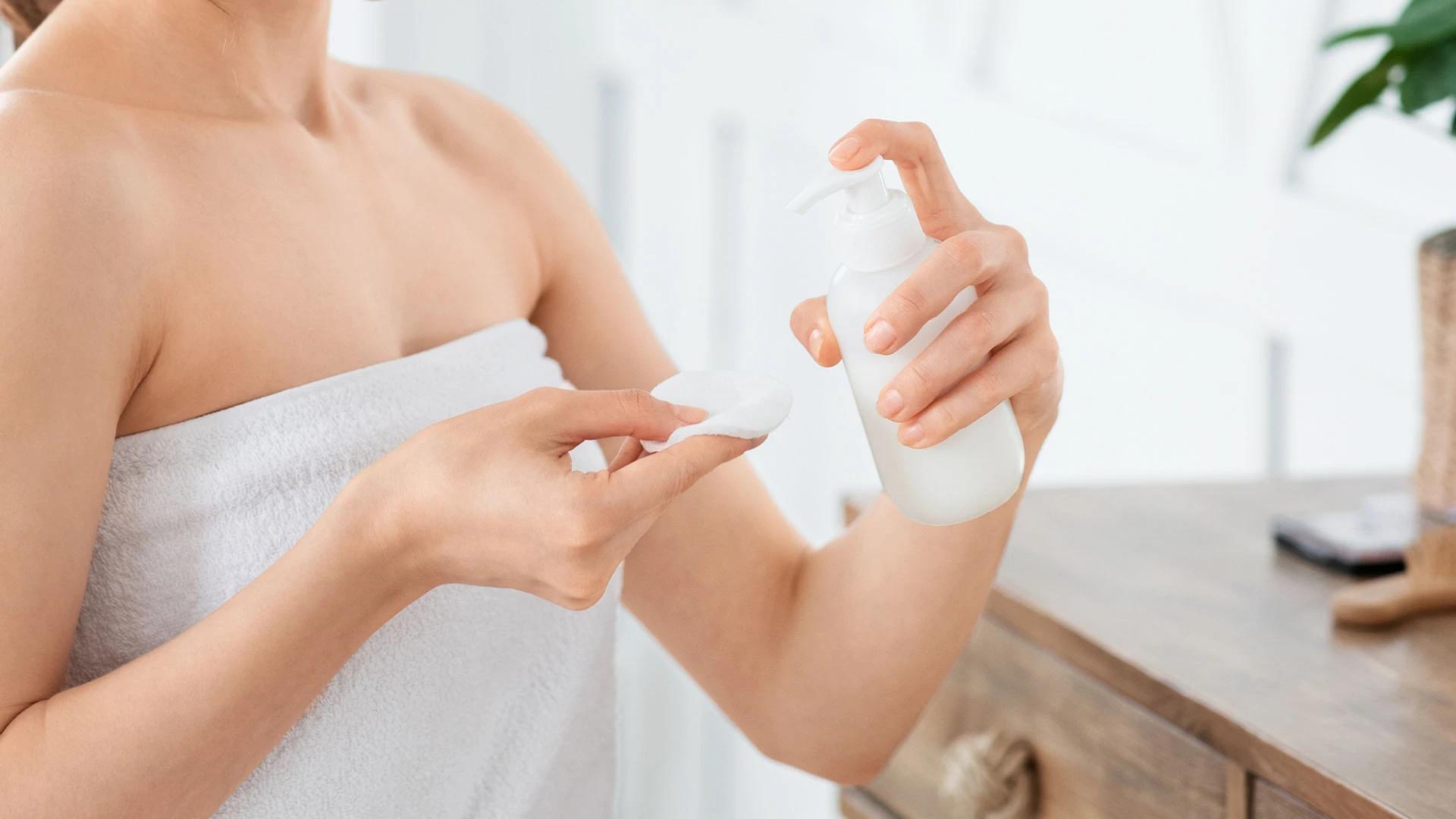
Start with a gentle cleanser to remove makeup, sunscreen, and daily grime. Apply your AHA BHA PHA toner to a cotton pad or your clean hands - both methods work, though hands tend to be less wasteful. Gently pat the toner onto your skin, avoiding the delicate eye area. The patting motion is gentler than wiping and helps the product absorb better. Wait 10-15 minutes before applying your next product to let the acids do their work.
If you have sensitive skin, start with 2-3 times per week and see how your skin responds. Normal skin types can usually handle every other day after a week or two of adjustment. Those with oily or acne-prone skin might eventually work up to daily use, but monitor your skin closely for any signs of over-exfoliation like excessive dryness or irritation.
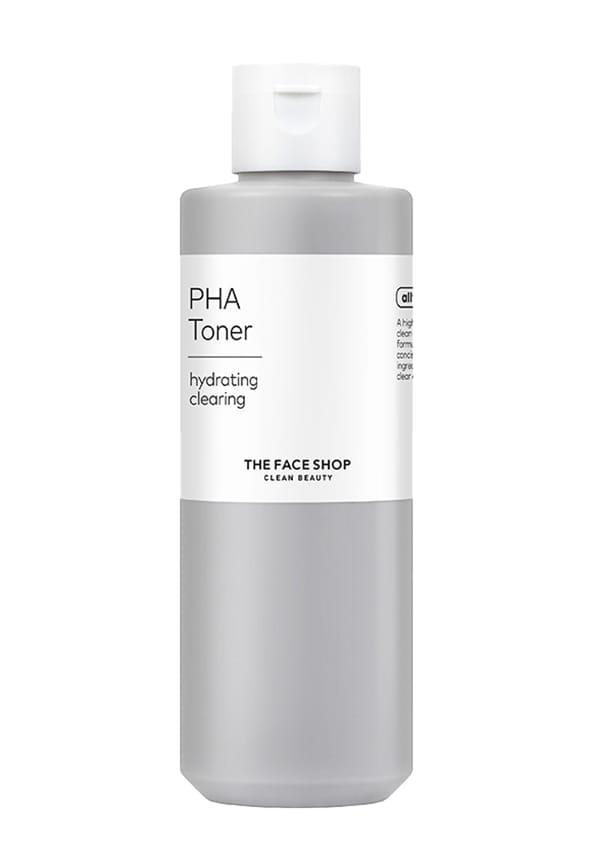
Alltimate Pha Toner
Not all chemical exfoliants are created equal, and choosing the right concentration and formulation can make or break your experience.
Acne-prone skin often benefits most from BHA due to its oil-soluble nature, but the combination of all three acids can address multiple concerns simultaneously. If you're dealing with both active breakouts and dark spots, a balanced formula works well. Combination skin types should focus on areas that need the most attention rather than applying the same intensity everywhere.
Start with lower concentrations: AHA at 5-10%, BHA at 0.5-2%, and PHA at 5-8%. These percentages are effective but gentle enough for most skin types to tolerate. You can always increase concentration later, but you can't undo irritation from starting too strong. Look for products with a pH between 3.5-4 for optimal effectiveness.
Beyond the main acids, look for soothing ingredients like niacinamide, hyaluronic acid, or aloe vera. These help counteract potential dryness and irritation. Avoid products with alcohol high on the ingredient list, as they can be too drying for regular use.
This is where AHA BHA PHA toners really shine for Indian skin. The combination approach tackles pigmentation from multiple angles.
Post-inflammatory hyperpigmentation is the most common type we deal with - those dark marks left behind after acne, cuts, or any skin trauma. Unlike melasma, which requires more targeted treatment, PIH responds well to consistent exfoliation. Our skin's tendency to produce more melanin means these spots can be stubborn, but they're definitely treatable.
AHAs work on surface pigmentation, helping to fade recent marks and prevent new ones from settling in. BHA prevents the clogged pores that often lead to breakouts and subsequent dark spots. PHAs provide gentle, consistent renewal that helps even out skin tone over time without causing irritation that could worsen pigmentation.
Be patient - good things take time. In the first month, you might notice smoother texture and a subtle glow. Months 2-3 typically show visible improvements in dark spots and overall tone. For long-term maintenance, consistent use is key, along with religious SPF application to prevent new pigmentation.
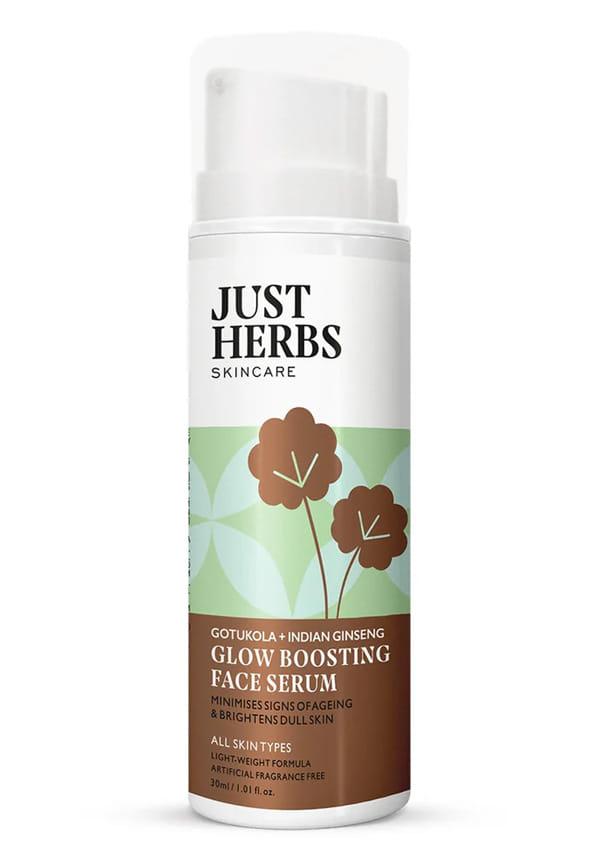
Gotukola Indian Ginseng Rejuvinating Beauty Elixir
Even if you don't typically have sensitive skin, introducing chemical exfoliants requires some caution and common sense.
Don't layer your AHA BHA PHA toner with retinol, vitamin C, or benzoyl peroxide on the same night. These combinations can cause irritation and compromise your skin barrier. Over-exfoliation shows up as redness, excessive dryness, increased sensitivity, or even more breakouts. If you notice these signs, scale back immediately.
Your skin needs time to adjust to chemical exfoliants. Start with once or twice a week, then gradually increase frequency as your skin builds tolerance. Pay attention to how your skin feels the morning after use - it should feel smooth and refreshed, not tight or irritated.
AHAs increase photosensitivity, making your skin more vulnerable to sun damage. This is especially important in India's intense climate. Use a broad-spectrum SPF 30 or higher daily, and reapply every few hours if you're outdoors. This isn't optional - it's essential for preventing new pigmentation and protecting your investment in clearer skin.
Integrating your new toner into your existing routine requires some strategic planning to maximise benefits while minimising irritation.
Many people prefer using AHA BHA PHA toners in the evening, but if you choose morning application, follow with a gentle cleanser, toner, lightweight moisturiser, and SPF. Never skip the sunscreen step. Some days, you might want to skip the toner entirely if your skin feels sensitive or if you're planning extended sun exposure.
Evening is typically the best time for chemical exfoliants. Start with double cleansing if you wear makeup or sunscreen, apply your toner, wait 10-15 minutes, then follow with a nourishing night moisturiser. This gives your skin time to repair and regenerate overnight without the stress of environmental factors.
Create a schedule that alternates your AHA BHA PHA toner with other treatments. For example, use the toner Monday, Wednesday, Friday, and reserve Tuesday for a hydrating mask, Thursday for retinol (if your skin tolerates it), and weekends for gentle, nourishing treatments. Your skin needs rest days to maintain its barrier function.
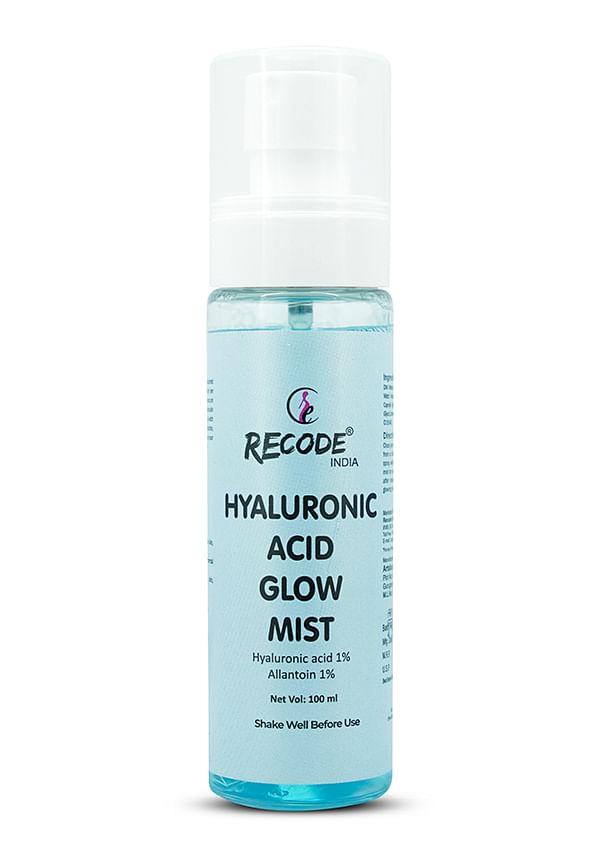
Hyaluronic Acid Glow Mist
Yes, AHA BHA PHA toners can significantly help with post-acne marks and shallow scars. The exfoliating action helps fade hyperpigmentation over time, while preventing new breakouts that could lead to more marks. However, deep scars may require professional treatments like chemical peels or laser therapy.
Start with 2-3 times per week and gradually increase based on your skin's response. Most people can eventually use it every other day or daily, but sensitive skin types should stick to 2-3 times weekly. Listen to your skin - if it feels tight, irritated, or overly dry, reduce frequency.
Stop using the toner immediately and focus on gentle, hydrating products until your skin recovers. Use a mild cleanser, hydrating toner, and rich moisturiser. Once irritation subsides, you can try reintroducing the toner at a lower frequency or consider switching to a gentler formulation.
Yes, but timing and combination matter. Avoid using with retinol, vitamin C, or benzoyl peroxide on the same night. You can use niacinamide, hyaluronic acid, and gentle moisturisers alongside your toner. Always introduce one new product at a time to monitor your skin's response.
You might notice smoother texture within 1-2 weeks, but significant improvements in hyperpigmentation and acne typically take 6-12 weeks of consistent use. Indian skin can be slower to show changes due to higher melanin content, so patience is essential.
Yes, but with extra precautions. Use it in the evening only, apply a generous amount of SPF during the day, and consider reducing frequency if you're spending a lot of time outdoors. The increased photosensitivity from AHAs makes sun protection absolutely crucial.
Toners typically have lower concentrations and are more suitable for daily use, while serums are more concentrated and used less frequently. Toners also help prep the skin for other products, whereas serums are targeted treatments. For beginners, toners are usually gentler and easier to incorporate.
AHAs and PHAs are generally considered safe during pregnancy in low concentrations, but BHA (salicylic acid) should be avoided or used only under medical supervision. Always consult your healthcare provider before introducing new skincare products during pregnancy.
Using AHA BHA PHA toners correctly for Indian skin is about patience, consistency, and listening to your skin's needs. Start slowly, build tolerance gradually, and never compromise on sun protection. The combination of these three acids can address multiple concerns simultaneously - from stubborn dark spots to persistent breakouts.
Remember that skincare is highly individual. What works brilliantly for your friend might need adjustment for your skin type and concerns. The key is finding the right product concentration and frequency that gives you results without irritation.
If you're curious about trying different formulations before committing to full-size products, Smytten's curated selection includes various AHA BHA PHA toners from trusted brands. You can explore minis from different brands to find what works best for your skin before making a larger investment. With over 28 million users discovering their perfect products through trials, it's a smart way to test before you invest in your skincare journey.
