7 Types of Sunscreen: Your Ultimate Protection Guide

Let's be real—choosing the right sunscreen feels like solving a puzzle with way too many pieces. You've got SPF numbers, PA ratings, mineral versus chemical formulas, and about a million different bottles claiming to be your skin's best friend. Here's the thing: not all sunscreens are created equal, and what works for your mate might leave you looking like a ghost or breaking out. The good news? Once you understand the different types of sunscreen and how they actually work, picking your perfect match becomes so much easier. Think of this as your cheat sheet to sun protection that actually makes sense—no science degree required.
Before we dive into the different types of sunscreen, let's sort out the basics that everyone seems to get confused about. SPF isn't just a random number brands slap on bottles—it actually tells you how much UVB protection you're getting. Here's what you need to know to make smart choices.
SPF 30 blocks about 97% of UVB rays, whilst SPF 50 blocks around 98%. That 1% difference isn't as dramatic as the marketing makes it seem. The real game-changer isn't obsessing over whether you need SPF 50 or SPF 100—it's about applying enough product and reapplying every two hours. Most people use way less sunscreen than they should, which basically cuts your protection in half.
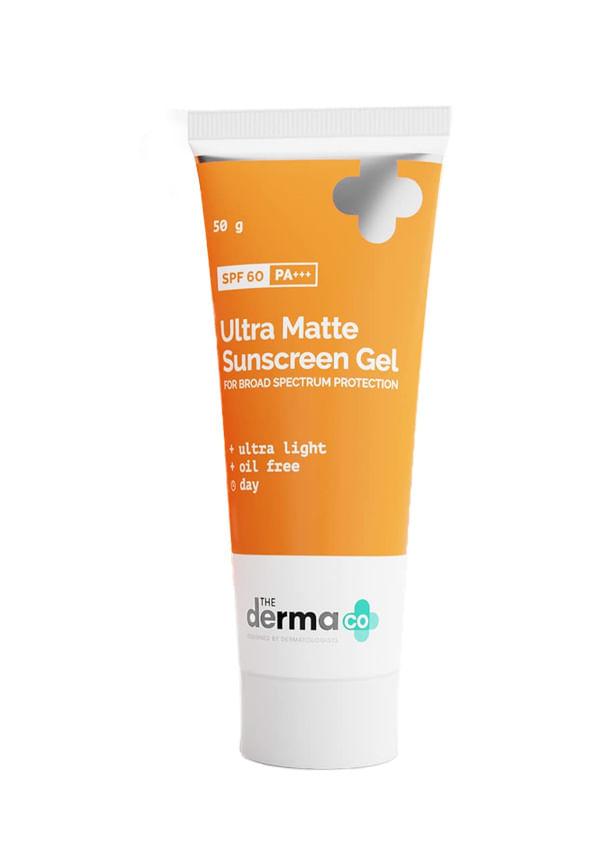 50 gm
50 gmUltra Matte Sunscreen Gel - SPF 60
UVB rays cause sunburn, but UVA rays are the sneaky ones that cause premature ageing and penetrate deeper into your skin. That's where broad spectrum sunscreen comes in—it protects against both. Look for PA ratings too (PA+, PA++, PA+++, PA++++). The more plus signs, the better your UVA protection. This combo gives you proper sun protection that actually works long-term.
Physical sunscreens, also called mineral sunscreen, work like tiny mirrors on your skin. They sit on the surface and reflect UV rays away before they can cause damage. Think of them as your skin's personal bodyguard—gentle but effective.
The star ingredients here are zinc oxide and titanium dioxide. These minerals create a physical barrier that bounces UV rays right off your skin. The best part? Protection starts immediately—no waiting around for 20 minutes like with some other types. Your skin gets instant coverage the moment you apply it.
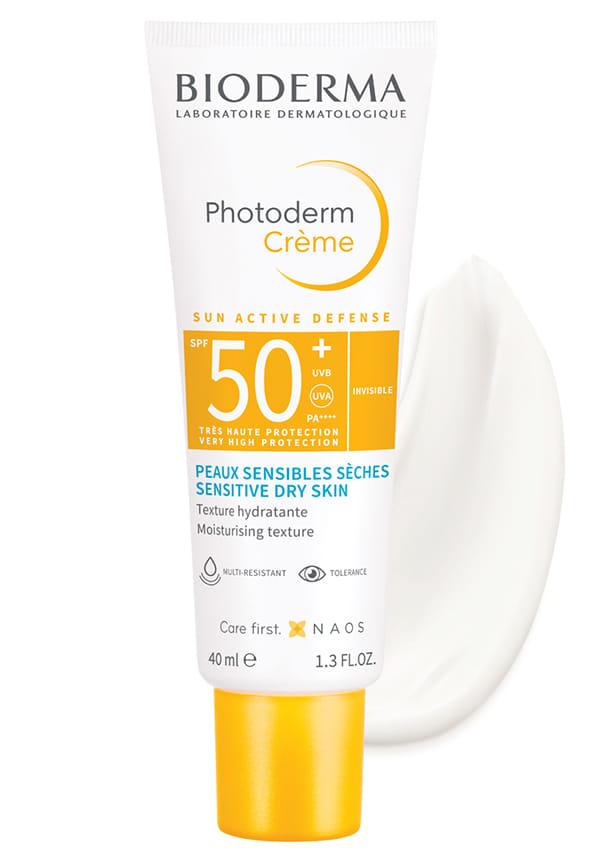 40 ml
40 mlPhotoderm Max Creme Spf 50+
If your skin throws tantrums at the slightest provocation, mineral sunscreen might just become your new best friend. Dermatologists love recommending these for sunscreen for sensitive skin because they're less likely to cause irritation or breakouts. They're also pregnancy-safe and perfect for little ones, since the ingredients don't absorb into the bloodstream.
The good stuff: mineral sunscreens are gentle, reef-safe, and work immediately. They're also less likely to clog pores, making them brilliant for acne-prone skin. The not-so-good? They can leave a white cast (especially on darker skin tones) and feel a bit thick or chalky. Some newer formulas have sorted this out, but it's still something to watch for.
Chemical sunscreen works completely differently from mineral versions. Instead of reflecting UV rays, these formulas absorb them and convert them into heat, which then gets released from your skin. It's like having tiny UV-eating machines working on your behalf.
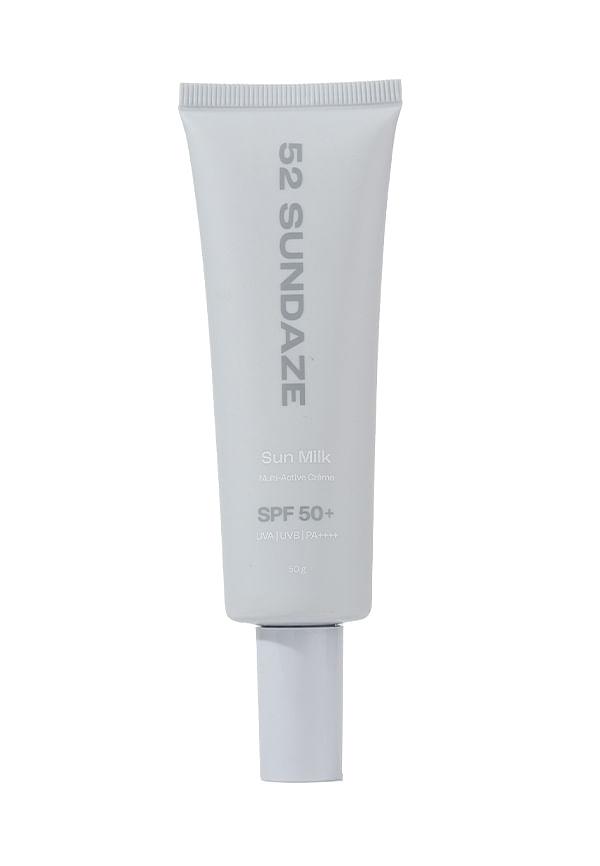 50ml
50mlSPF 50 Sun Milk Multi Active Crème Sunscreen PA++++
The main players in chemical sunscreens include avobenzone, octinoxate, and oxybenzone. These sunscreen ingredients penetrate the top layer of your skin and absorb UV radiation before it can cause damage. The catch? You need to apply chemical sunscreen about 20 minutes before sun exposure to let it properly absorb and activate.
Chemical sunscreens tend to be lighter and more cosmetically elegant, making them perfect for daily wear under makeup. They're also brilliant for sports and water activities since they don't wash off as easily. If you've got oily skin, you'll probably prefer the lighter feel of chemical formulas over thicker mineral ones.
Some people find chemical sunscreens irritating, especially around the eye area. There are also environmental concerns—some ingredients like oxybenzone can harm coral reefs. Plus, since these ingredients absorb into your skin, some folks prefer to avoid them altogether. It's really about finding what works for your skin and values.
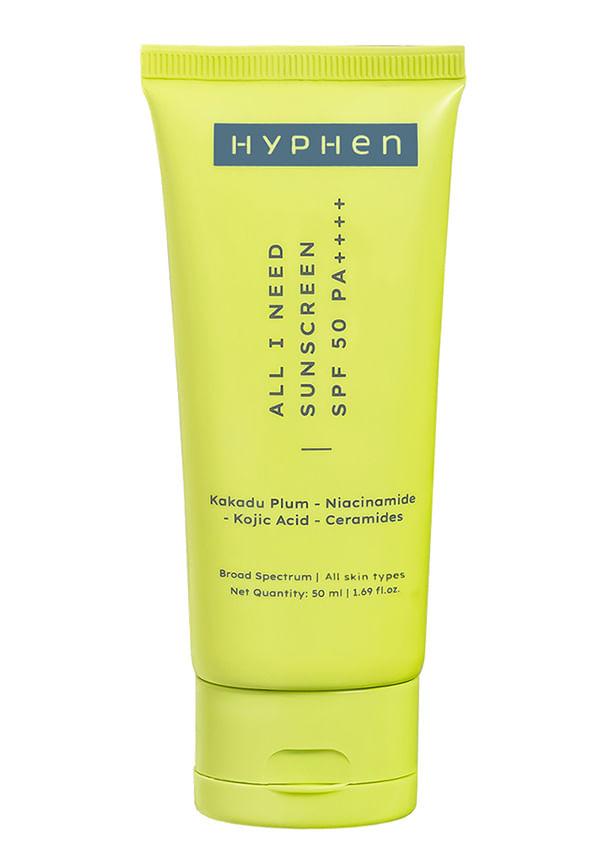 50 ml
50 mlAll I Need Sunscreen SPF 50 PA++++
Can't decide between mineral and chemical? Hybrid sunscreens combine both types of protection in one formula. These clever formulations give you the benefits of both worlds whilst minimising the downsides of each.
Hybrid sunscreens typically use zinc oxide or titanium dioxide alongside chemical filters. This combination provides excellent broad spectrum coverage whilst reducing the white cast that pure mineral sunscreens can leave. You get enhanced protection with a more wearable finish.
If your skin can't make up its mind about what it wants, hybrid formulas offer a balanced approach. They're gentle enough for sensitive areas but lightweight enough for daily wear. These are becoming increasingly popular because they solve the main complaints people have about both mineral and chemical sunscreens.
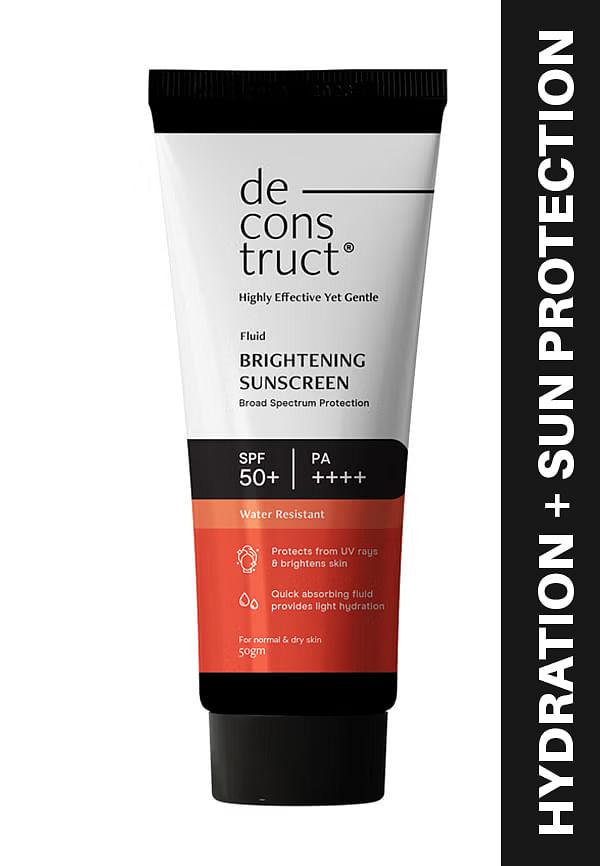 50 gm
50 gmFluid Brightening Sunscreen for Dry Skin with Spf 50+ And Pa++++
Beyond the basic mineral versus chemical debate, sunscreens come in loads of different formats designed for specific needs and preferences. Each type has its own advantages depending on how and where you plan to use it.
Sunscreen for face formulations are typically lighter and more refined than body sunscreens. They're designed to play nicely with makeup and won't clog your pores. Many also include anti-ageing ingredients like antioxidants or peptides, giving you extra skincare benefits alongside sun protection.
Spray sunscreens are brilliant for covering large areas quickly and for reapplication throughout the day. They're perfect for sports, beach days, or when you're in a rush. Just make sure you spray generously and rub it in—don't rely on the spray alone for even coverage.
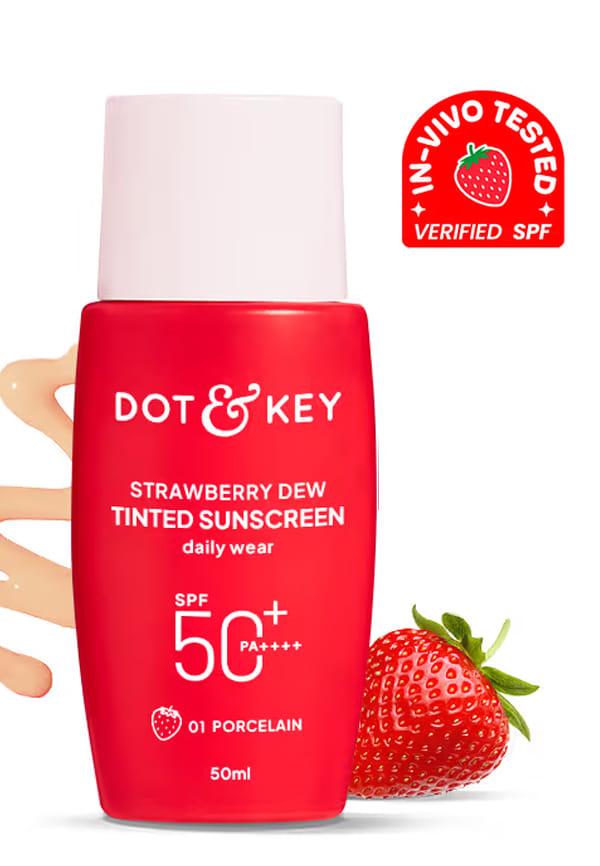 50 ml
50 mlStrawberry Dew Tinted Sunscreen, In-Vivo Tested SPF 50+ PA++++
Sunscreen sticks are your secret weapon for targeted protection. They're perfect for areas that need extra attention like your nose, lips, ears, or around your eyes. They're also mess-free and travel-friendly, making them ideal for touch-ups on the go.
Tinted sunscreens combine sun protection with light coverage, basically replacing your foundation on casual days. They're perfect for that no-makeup makeup look whilst still giving you proper UV protection. Just make sure the tint actually matches your skin tone—nobody wants patchy coverage.
If you're planning to sweat, swim, or spend extended time outdoors, regular sunscreen might not cut it. Water-resistant and sport formulations are designed to stay put when things get intense.
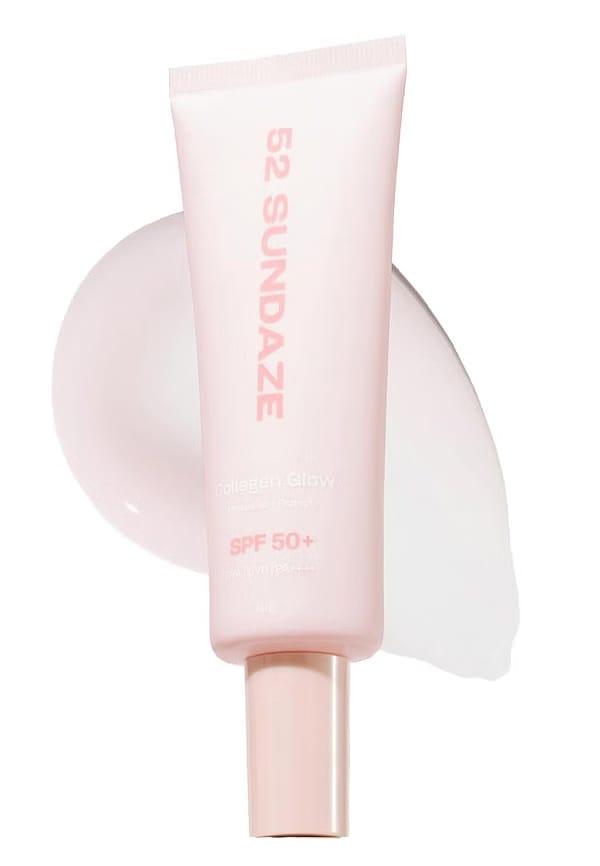 50 gm
50 gmSPF 50 Collagen Glow Sunscreen Cream PA++++
Water-resistant sunscreens are tested for either 40 or 80 minutes of water exposure. This doesn't mean they're waterproof (that claim is actually banned because it's misleading)—it means they maintain their SPF level for that amount of time in water. You'll still need to reapply after swimming or heavy sweating.
Sport sunscreens are formulated to resist sweat and won't sting your eyes when you're working up a sweat. They often have a slightly thicker consistency to help them stay put during intense activities. Some also include ingredients that help with grip, which is handy if you're playing sports.
Now that you know about all the different types of sunscreen, how do you actually pick the right one? It comes down to your skin type, lifestyle, and personal preferences. Here's how to narrow down your options.
 50 gm
50 gmBarrier Repair Sunscreen, In-Vivo Tested SPF 50+ PA++++
Sensitive skin types should lean towards mineral sunscreens with zinc oxide or titanium dioxide. Oily skin often prefers chemical or hybrid formulas that feel lighter and less greasy. Dry skin benefits from sunscreens with added moisturising ingredients like hyaluronic acid or ceramides.
For daily wear under makeup, go for lightweight chemical or tinted formulas. Planning a beach day? Water-resistant options are non-negotiable. Hiking or outdoor sports call for broad spectrum protection with at least SPF 30, preferably in stick or spray form for easy reapplication.
SPF 30 is perfectly adequate for daily use—it blocks 97% of UVB rays when applied properly. SPF 50 makes sense for extended sun exposure, very fair skin, or if you're somewhere with intense UV like at high altitude or near water. Remember, the sunscreen benefits come from consistent use, not just high SPF numbers.
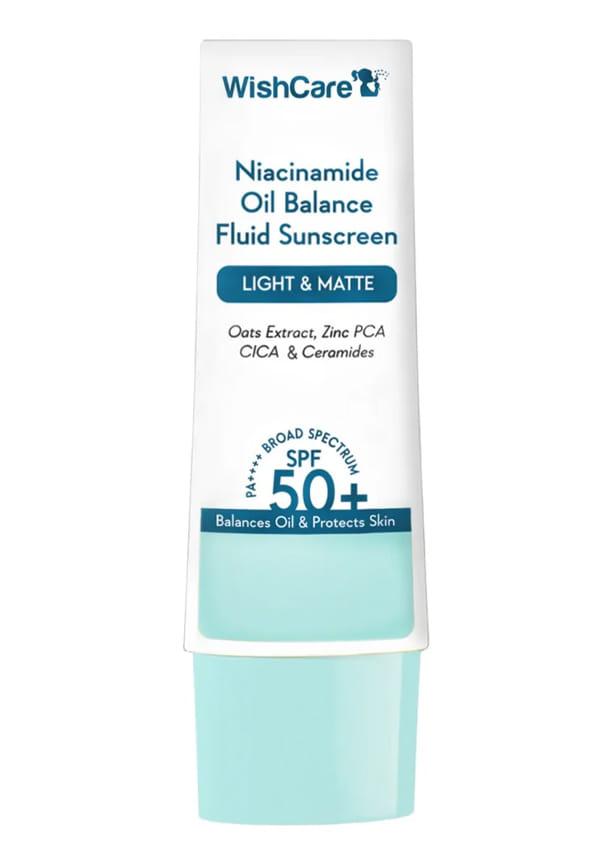 50 gm
50 gmWishCare Niacinamide Oil Balance Sunscreen SPF 50 PA++++ - In-Vivo Tested
Even the best sunscreen won't protect you if you're not using it correctly. Most people make the same mistakes that seriously compromise their sun protection. Let's fix that.
Use about a quarter teaspoon of sunscreen for your face and neck—that's more than most people think. Apply it evenly, making sure you don't miss spots like your ears, hairline, or around your eyes. For your body, you need about an ounce (roughly a shot glass full) to cover all exposed skin properly.
The two-hour reapplication rule isn't just a suggestion—it's essential for maintaining protection. If you're wearing makeup, try a powder sunscreen or spray for touch-ups. After swimming, towelling off, or heavy sweating, reapply immediately regardless of how much time has passed.
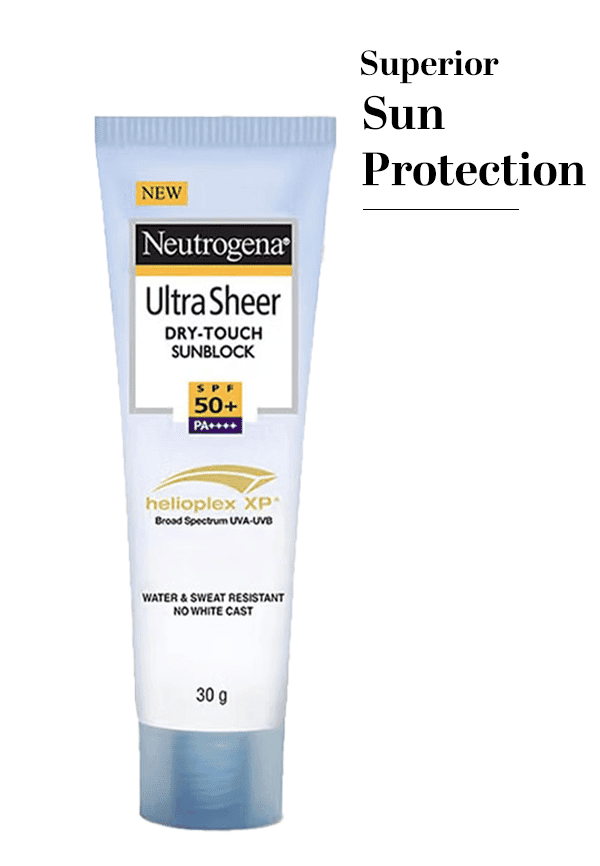 30 ml
30 mlUltra Sheer Sunscreen SPF 50+ - Ultra Light, For Oily And Dry Skin
For daily wear, lightweight chemical or hybrid sunscreens work brilliantly under makeup. If you have sensitive skin, mineral sunscreens with zinc oxide are your safest bet. The best sunscreen is the one you'll actually use consistently.
Mineral sunscreens are generally better for sensitive skin because they sit on the surface rather than absorbing into the skin. Zinc oxide and titanium dioxide are less likely to cause irritation or allergic reactions.
Look for "broad spectrum" on the label—this means it protects against both UVA and UVB rays. You might also see PA ratings (PA+, PA++, etc.) which specifically indicate UVA protection levels.
It's generally fine to layer different sunscreen types, but it's not necessary and might feel heavy. If you do layer, apply the thinner formula first, then the thicker one on top.
White cast typically comes from mineral sunscreens with zinc oxide or titanium dioxide. Look for "invisible" or "clear" formulas, or try tinted versions that blend better with your skin tone.
Sunscreen typically expires after three years, but if it's been exposed to heat or direct sunlight, replace it sooner. If the texture, smell, or colour has changed, it's time for a new bottle.
Finding your perfect sunscreen match doesn't have to be overwhelming. Start with your skin type and lifestyle needs, then experiment with different formulations until you find one that feels comfortable and works with your routine. Remember, the best sun protection comes from consistent daily use, not just having the highest SPF on the shelf.
The beauty of having so many different types of sunscreen available is that there's genuinely something for everyone. Whether you prefer the gentle approach of mineral formulas, the lightweight feel of chemical sunscreens, or the convenience of spray applications, your perfect match is out there.
With platforms like Smytten, you can actually try different sunscreen formulations before committing to full-size products. This takes the guesswork out of finding your ideal sun protection—you can test how different types feel on your skin, how they work under makeup, and which ones suit your lifestyle best. After all, why settle for maybe when you can try it all and find exactly what works for your skin?
