7 Sunscreen Benefits for Pigmentation You Must Know


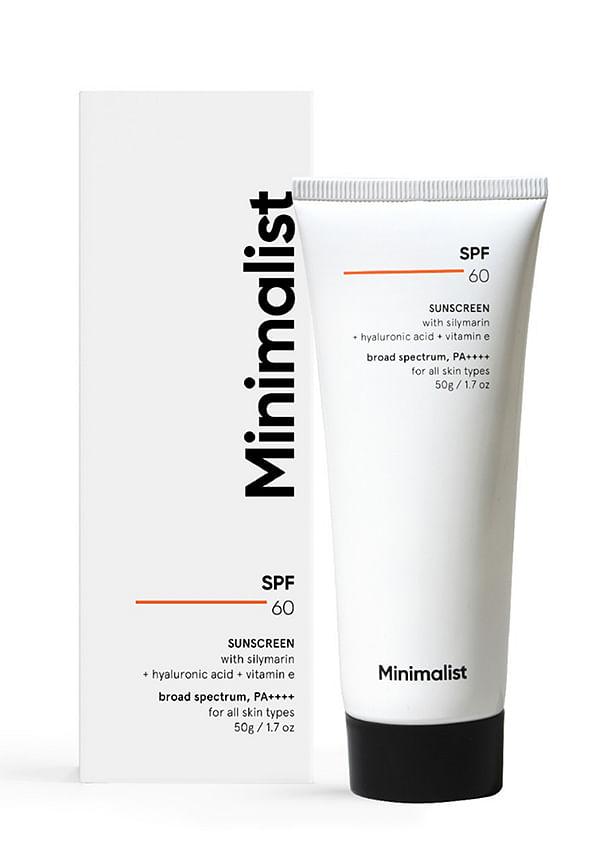 50 gm
50 gmSPF 60 PA ++++ Sunscreen With Antioxidant Silymarin,Senstive Skin & Acne
Let's be real—if you've ever dealt with dark spots, uneven skin tone, or stubborn pigmentation, you've probably tried every serum, cream, and treatment under the sun. But here's the plot twist: the most powerful weapon against pigmentation might already be sitting in your skincare drawer. We're talking about sunscreen, and the sunscreen benefits for pigmentation go way beyond just preventing sunburn. From stopping new dark spots in their tracks to making your existing treatments work better, sunscreen is basically the unsung hero of clear, even skin. Ready to discover why dermatologists call it the ultimate pigmentation prevention tool?
Before we dive into the benefits, let's decode what pigmentation actually is. Think of it as your skin's overzealous response to damage—whether from UV rays, hormones, or inflammation, your skin starts producing extra melanin (the stuff that gives skin its colour) in certain spots.
UV exposure tops the list, but it's not the only villain. Hormonal changes during pregnancy or from birth control can trigger melasma—those brown patches that seem to appear overnight. Post-inflammatory hyperpigmentation happens after acne, cuts, or even aggressive skincare treatments. Age spots? They're basically your skin's way of keeping score of all those years of sun exposure. What makes this tricky is that sunscreen for hyperpigmentation isn't just about treating what's already there—it's about stopping the cycle. Every time UV rays hit your skin, they're essentially telling your melanin production to go into overdrive. This is why even the best brightening treatments can feel like you're fighting an uphill battle without proper sun protection.
Here's where it gets interesting: UV radiation doesn't just cause new pigmentation—it makes existing dark spots darker and more stubborn. Those melasma patches that fade in winter? They'll come back with a vengeance if you skip the sunscreen for melasma protection. It's like trying to lighten a stain while someone keeps spilling coffee on it.
Now for the good stuff—the ways sunscreen becomes your skin's best friend in the fight against uneven tone and dark spots.
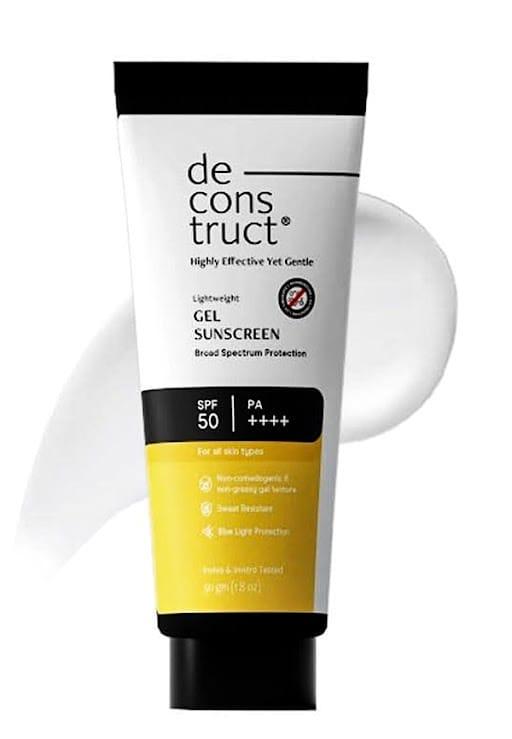 50 gm
50 gmLightweight Gel Sunscreen- SPF 50+ and PA+++
This is the big one. When you use sunscreen to prevent pigmentation, you're essentially putting up a shield that stops UV rays from triggering new melanin production. Think of it as prevention being worth a pound of cure—except in this case, it's worth about ten expensive brightening treatments. The science is pretty straightforward: UV radiation activates enzymes that kickstart melanin production. Broad-spectrum sunscreen blocks both UVA and UVB rays, keeping those enzymes in check. It's like having a bouncer at the door of your skin cells, turning away troublemakers before they can cause chaos.
If you've got dark spots already, sunscreen for dark spots protection is non-negotiable. Without it, those spots will keep getting darker and more defined every time you step outside. It's frustrating, but true—even five minutes of unprotected sun exposure can undo weeks of treatment progress. This is especially crucial for anyone dealing with melasma or post-inflammatory hyperpigmentation. These types of pigmentation are notoriously reactive to UV exposure, meaning they can darken significantly with even minimal sun contact.
Here's something cool: when you consistently use sunscreen for uneven skin tone, you're giving your skin's natural renewal process a chance to work. Your skin naturally sheds and regenerates cells every 28 days or so. With proper UV protection, those new cells aren't immediately damaged, leading to a more even complexion over time. It's not magic—it's just your skin doing what it's designed to do when it's not constantly under attack from UV radiation. The result? A gradual improvement in overall skin tone and texture.
This might be the most important benefit of all. That vitamin C serum you're using? The retinoid your dermatologist prescribed? They work so much better when paired with proper sun protection for pigmentation. It's like having a good foundation before building a house—everything else works better when you've got the basics covered. Many brightening ingredients actually make your skin more photosensitive, meaning you're more susceptible to UV damage while using them. Sunscreen ensures you get all the benefits without the increased risk.
If you're prone to dark spots after breakouts or minor injuries, sunscreen for skin discoloration is your secret weapon. UV exposure can make these marks significantly darker and longer-lasting. By protecting healing skin, you're giving it the best chance to recover without additional pigmentation. This is particularly important after professional treatments like chemical peels or laser therapy, when your skin is in recovery mode and extra vulnerable to UV damage.
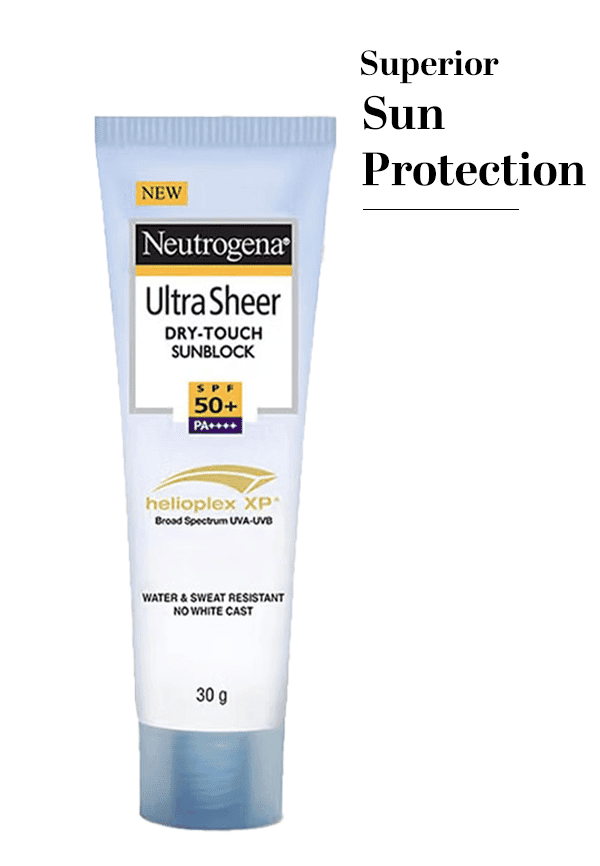 30 ml
30 mlUltra Sheer Sunscreen SPF 50+ - Ultra Light, For Oily And Dry Skin
Age spots and sun spots are basically pigmentation's way of showing up fashionably late to the party. They often appear years after the initial UV damage occurred. By using sunscreen consistently now, you're preventing future pigmentation issues that might not show up for another decade. It's an investment in your future self—the you who'll be grateful for clear, even skin in your 40s, 50s, and beyond.
UV damage doesn't just affect pigmentation—it weakens your skin's protective barrier, leading to increased sensitivity and inflammation. A compromised barrier can actually trigger more pigmentation issues, creating a vicious cycle. Sunscreen helps maintain barrier integrity, keeping your skin calm, balanced, and less reactive. It's like giving your skin the stability it needs to heal and maintain itself properly.
Not all sunscreens are created equal when it comes to pigmentation protection. Here's what to look for when shopping for the best sunscreen for pigmentation. Broad-spectrum protection is non-negotiable—you need coverage against both UVA and UVB rays. UVA rays are particularly sneaky because they penetrate deeper and are the main culprits behind pigmentation and premature ageing. Look for zinc oxide or titanium dioxide as active ingredients, as these provide reliable broad-spectrum coverage. SPF 30 is the minimum, but SPF 50 offers better protection for pigmentation-prone skin. The difference might seem small, but when you're dealing with stubborn dark spots, every bit of extra protection counts.
Zinc oxide and titanium dioxide are the gold standards for sensitive, pigmentation-prone skin. They sit on top of the skin and physically block UV rays, making them less likely to cause irritation or reactions that could trigger more pigmentation. Antioxidants like vitamin C, vitamin E, or niacinamide in your sunscreen provide bonus protection against free radical damage, which can also contribute to pigmentation issues.
Knowing how to prevent pigmentation with sunscreen is about more than just slapping it on and hoping for the best. Proper application makes all the difference. Apply sunscreen as the last step in your morning skincare routine, about 15 minutes before sun exposure. Use about a quarter teaspoon for your face and neck—most people use way less than this, which significantly reduces protection. Reapplication is crucial, especially if you're spending time outdoors. Every two hours is the standard recommendation, but if you're sweating or swimming, you'll need to reapply more frequently.
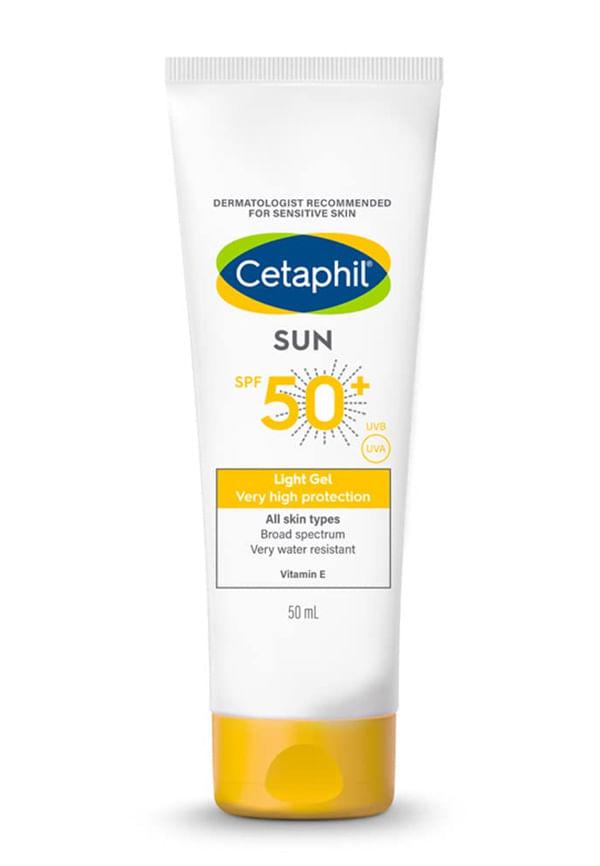 50 ml
50 mlSun Spf 50+ Light Gel
If you're using brightening treatments or retinoids, apply them first, let them absorb, then follow with sunscreen. Some ingredients can interact or reduce sunscreen effectiveness, so give each layer time to settle before adding the next. With platforms like Smytten offering trial-sized versions of various sunscreens from trusted brands, you can experiment to find formulations that work well with your existing routine without committing to full-size products.
Absolutely. Sunscreen is considered the most important step in any pigmentation treatment plan. It prevents new dark spots from forming and stops existing ones from getting worse. Without proper sun protection, even the most expensive treatments will have limited effectiveness.
Look for broad-spectrum sunscreens with SPF 30 or higher containing zinc oxide or titanium dioxide. These physical blockers are less likely to cause irritation that could worsen pigmentation. Avoid chemical sunscreens if you have sensitive or reactive skin.
While sunscreen doesn't actively clear pigmentation, it's essential for any treatment to work effectively. Combining consistent sunscreen use with ingredients like vitamin C, retinoids, or professional treatments gives the fastest results. The key is patience and consistency.
SPF 50 provides better protection for pigmentation-prone skin. While SPF 30 blocks about 97% of UVB rays, SPF 50 blocks about 98%. That extra 1% matters when you're dealing with stubborn pigmentation that's highly reactive to UV exposure.
The relationship between sunscreen and pigmentation is pretty clear-cut: one protects against the other. While sunscreen might not be the most glamorous part of your skincare routine, it's definitely the most important when it comes to maintaining clear, even skin. Think of sunscreen as your daily insurance policy against future pigmentation problems. Every day you use it consistently is a day you're preventing potential dark spots, uneven tone, and premature ageing. The best part? You don't need to spend a fortune to get effective protection. Smytten makes it easy to discover the right sunscreen for your skin without the guesswork. With curated trial packs from over 1,500 trusted brands, you can try different formulations to find your perfect match. After all, the best sunscreen is the one you'll actually use every single day. Why settle for maybe when you can try it all and find exactly what works for your skin?
