7 Pro Tips to Calm Redness in Cold Weather

 30g
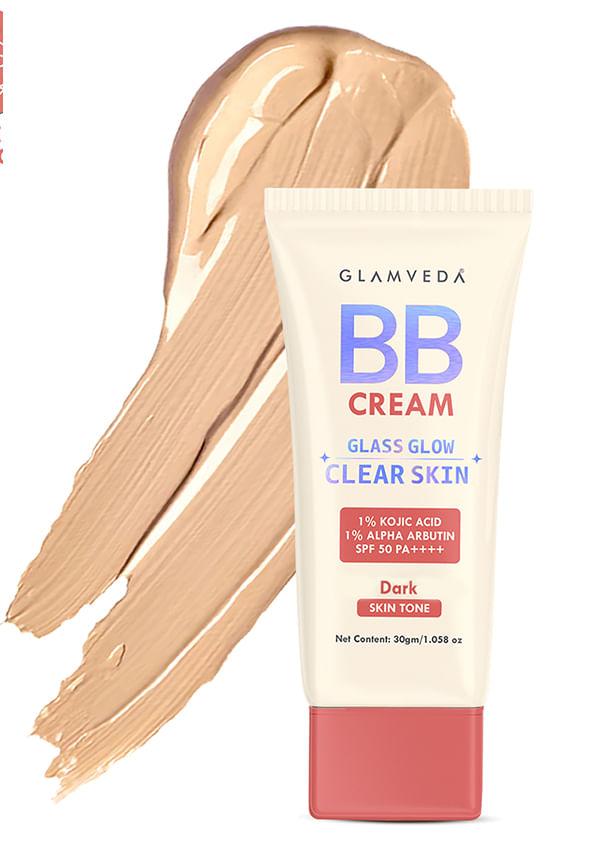
30gBB Cream for Warm Skin Tone
Winter's here, and whilst it brings cosy jumpers and hot chocolate moments, it also brings that annoying red face situation we'd rather avoid. You know the drill—step outside into the cold, and suddenly your cheeks look like you've been slapped by Jack Frost himself. If you're dealing with winter skin redness, whether it's from sensitive skin, rosacea flare-ups, or just general cold weather chaos, you're definitely not alone. The good news? There are proper ways to tackle this without hiding indoors until spring arrives.
Let's get real about what's actually happening to your skin when the temperature drops. Your face goes red in cold weather because your blood vessels are basically having a bit of a panic. When it's freezing outside, your body tries to conserve heat by constricting blood vessels near the surface. But then, when you warm up (hello, heated shops), those vessels dilate rapidly, causing that telltale flush.
Cold weather skin problems go way beyond just looking a bit rosy though. The combination of harsh winds, low humidity, and those brutal temperature swings between outdoors and heated indoors creates the perfect storm for skin irritation. Your skin barrier gets compromised, moisture evaporates faster than you can say "winter skincare tips," and suddenly you're dealing with dryness, sensitivity, and inflammation all at once.
If you've got sensitive skin or rosacea, winter can feel particularly brutal. People with these conditions often find their symptoms worsen during colder months because their skin barrier is already compromised. Dry skin types also struggle more, as the lack of natural oils makes it harder to protect against environmental stressors.
Not all redness is created equal, and understanding what type you're dealing with can help you choose the right approach. Some redness is temporary—like when you've been out in the wind and your cheeks are just reacting to the cold exposure. This usually calms down within an hour or so of being back indoors.
Then there's the more persistent stuff. Rosacea cold weather flare-ups can last for days or even weeks, especially if triggered by temperature changes or harsh conditions. Winter can also worsen eczema and dermatitis, leading to red, inflamed patches that need more targeted care.
UV reflection from snow can actually make redness worse—yes, even in winter you need sun protection. Dry indoor air from heating systems strips moisture from your skin, whilst sudden temperature changes (like going from a cold car park into a warm building) can trigger immediate flushing.
Think of your moisturiser as armour for your face. The key to preventing winter skin redness is creating a proper barrier before you even step outside. This isn't just about slapping on any old cream—you need to be strategic about it.
Apply your protective products at least 15-20 minutes before heading out. This gives everything time to properly absorb and form that protective layer your skin desperately needs. Look for products with ceramides to repair your skin barrier, hyaluronic acid to lock in moisture, and niacinamide to calm any existing irritation.
Start with a hydrating serum, follow with a rich moisturiser, then seal everything in with a facial oil or balm. Don't forget those often-missed spots around your nose, ears, and neck—these areas are particularly vulnerable to cold weather damage.
 50gms
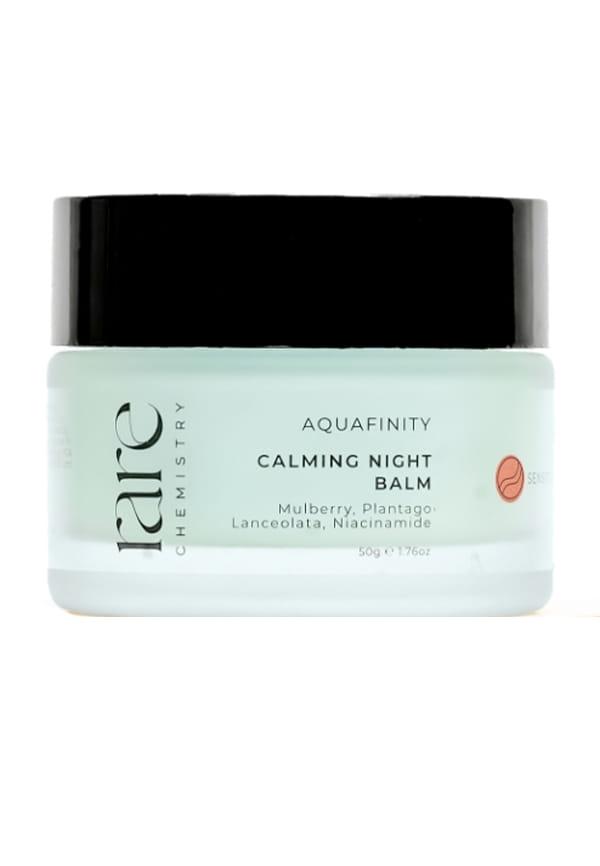
50gmsAquafinity Calming Night Balm
Your usual foaming cleanser might be doing more harm than good during winter months. When you're trying to soothe irritated skin and tackle dry skin redness, gentle is the name of the game. Switch to cream or oil-based cleansers that won't strip away your skin's natural protective oils.
Water temperature matters more than you think. Hot water feels amazing when you're frozen, but it's actually making your redness worse by further dilating blood vessels and stripping moisture. Stick to lukewarm water and pat your skin dry—never rub vigorously, as this can increase irritation.
If your skin is severely irritated, consider cleansing only once daily, preferably in the evening. Morning cleansing can be replaced with a gentle micellar water or just a splash of cool water.
When it comes to calming skincare and redness relief, certain ingredients are absolute game-changers. For immediate soothing, look for aloe vera, colloidal oatmeal, and chamomile—these provide instant comfort to angry, inflamed skin.
For longer-term repair and prevention, centella asiatica is your best friend. This ingredient is brilliant for reducing inflammation and strengthening your skin barrier. Green tea extract and licorice root are also excellent for their anti-inflammatory properties and ability to even out skin tone.
Squalane, shea butter, and even good old petrolatum can work wonders for restoring your skin's protective barrier. The key is applying these in the right order—thinnest to thickest consistency—and giving each layer time to absorb properly.
Your home environment plays a huge role in managing winter skincare challenges. Indoor heating systems are notorious for creating desert-like conditions that suck moisture from your skin. Investing in a good humidifier can make a massive difference—aim for 40-50% humidity levels.
Keep your thermostat reasonable too. Whilst it's tempting to crank up the heat, maintaining temperatures around 68-70°F is better for your skin. Position yourself away from direct heat sources like radiators or fireplaces, as these can trigger immediate flushing.
If you work in an office with dry air, consider a small desktop humidifier. Even switching to fragrance-free laundry detergents can help reduce skin irritation during sensitive periods.
This might sound mad, but sun protection is crucial for preventing winter skin redness. Snow reflects up to 80% of UV rays, essentially giving you a double dose of exposure. Plus, winter sun can be deceptively strong, especially at higher altitudes or on bright, clear days.
Choose a broad-spectrum SPF 30 or higher, and if you have sensitive skin, mineral sunscreens with zinc oxide tend to be less irritating than chemical formulas. Don't forget often-missed areas like your lips, ears, and the delicate skin around your eyes.
 30ML
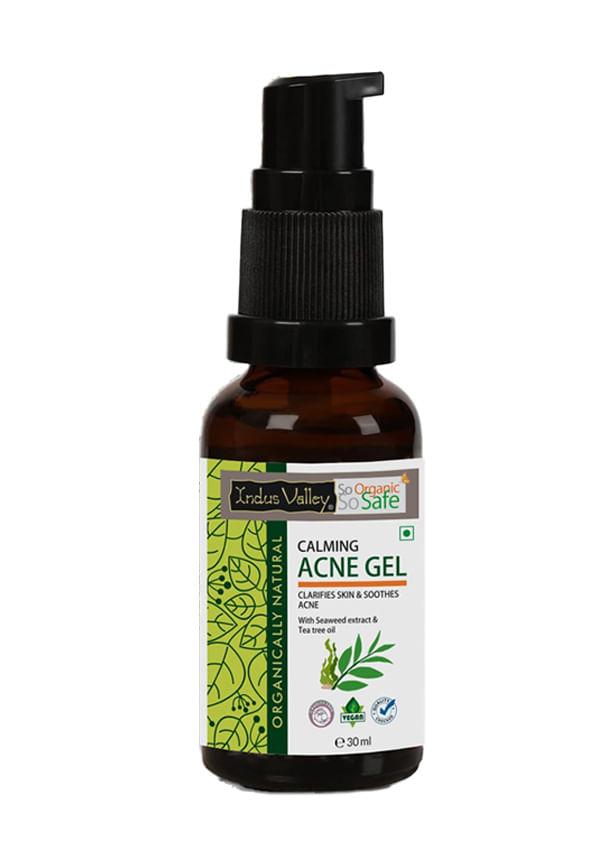
30MLCalming Acne Gel with Seaweed Extract & Tea Tree Oil
If you're spending extended time outdoors (skiing, winter hiking, or just long walks), reapply every two hours. Consider UV-protective clothing and accessories like wide-brimmed hats or UV-blocking sunglasses for extra protection.
Sometimes, despite your best efforts, you need immediate redness relief. Cool compresses are your first line of defence—use a clean, damp cloth and apply gently for 5-10 minutes. The cool temperature helps constrict blood vessels and reduce inflammation.
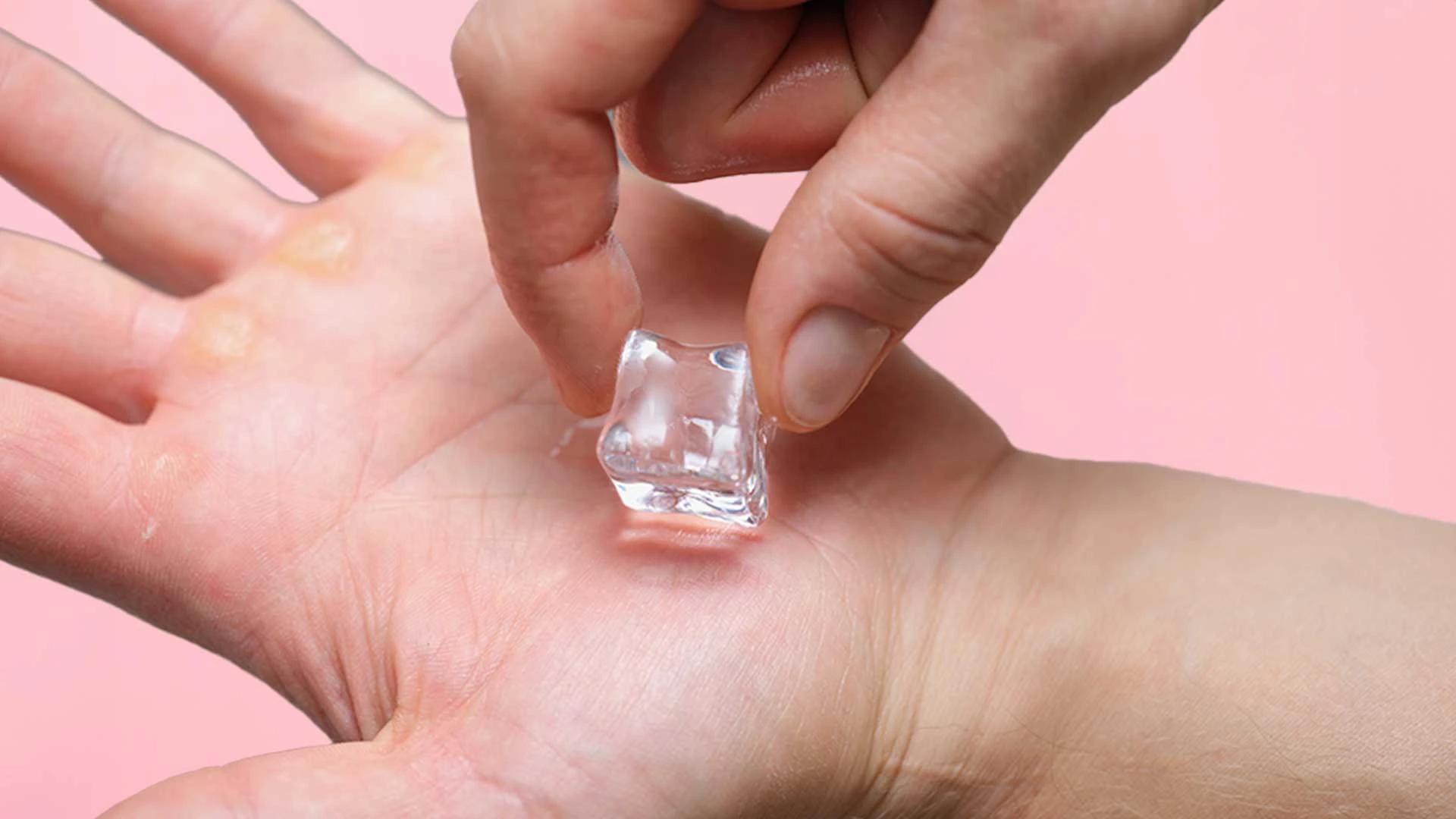
For more targeted relief, try the ice cube method: wrap an ice cube in a soft cloth and apply gently for no more than 30 seconds at a time. This can provide quick relief for localised redness without causing damage from prolonged cold exposure.
Simple ingredients from your kitchen can provide emergency relief. Oatmeal mixed with a bit of honey creates a soothing mask that reduces inflammation. Cucumber slices aren't just for spa photos—they genuinely help cool and calm irritated skin.
Over-the-counter hydrocortisone cream can be helpful for severe flare-ups, but use it sparingly and only for short periods. If redness persists or worsens, it's time to consider professional help from a dermatologist.
Prevention is always better than cure, and building your skin's resilience takes time and consistency. A solid winter skincare routine should focus on strengthening your skin barrier and maintaining optimal hydration levels year-round, not just when problems arise.
Gradually introduce active ingredients like vitamin C and retinoids during less sensitive periods to build skin strength. However, if you're dealing with active redness or irritation, put these on hold until your skin calms down.
Your diet, stress levels, and sleep quality all impact your skin's ability to cope with environmental stressors. Anti-inflammatory foods, adequate hydration, and stress management techniques can all contribute to calmer, more resilient skin.
Don't be afraid to completely switch up your routine as seasons change. What works in summer might be too harsh for winter, and that's perfectly normal. Consider having separate product sets for different seasons.
Finding the right products for your specific skin concerns doesn't have to involve expensive trial and error. Smytten offers curated trial packs from over 1,500 trusted skincare brands, letting you test products before committing to full sizes. With options to try up to 8 minis for just ₹249 and 100% cashback on trial purchases, you can discover your perfect winter skincare routine without the usual financial risk.
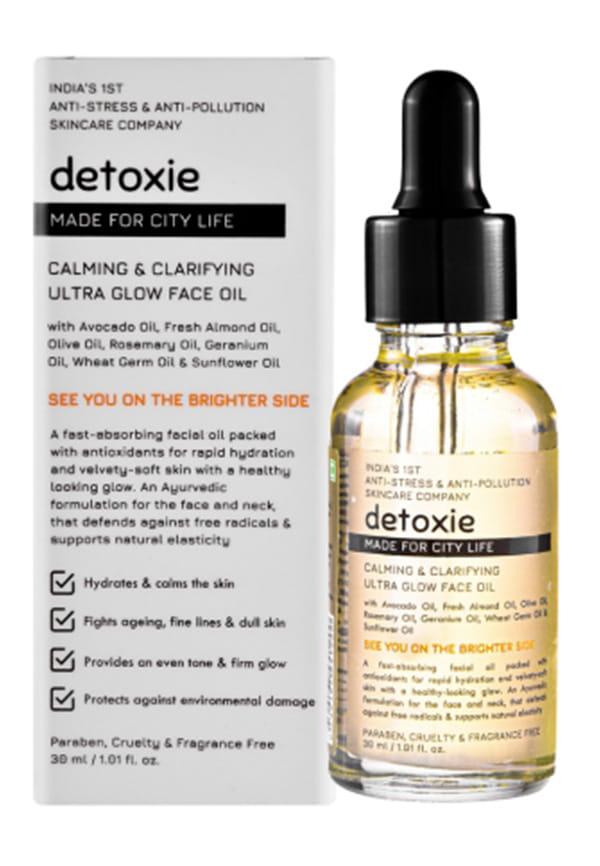 30 ml
30 mlCalming & Clarifying Ultra Glow Face Oil
Temporary redness from cold exposure usually subsides within 30 minutes to an hour of being in a warm environment. However, if you have sensitive skin or rosacea, redness can persist for several hours or even days after cold weather exposure.
Absolutely. Rosacea cold weather flare-ups are incredibly common because temperature fluctuations, wind, and dry air are all known triggers. Many people with rosacea find their symptoms significantly worsen during winter months.
Windburn causes redness, stinging, and mild irritation but doesn't involve tissue damage. Frostbite is much more serious, causing numbness, severe pain, and potential tissue damage. If you suspect frostbite, seek medical attention immediately.
Yes, put exfoliation on hold when dealing with active redness or irritation. Even gentle exfoliants can worsen inflammation. Wait until your skin calms down before gradually reintroducing exfoliation.
If redness persists for more than a few days, is accompanied by severe burning or stinging, or if you develop open sores or blisters, it's time to see a professional. Also, if over-the-counter treatments aren't helping after 2-3 weeks of consistent use.
Avoid alcohol-based products, strong fragrances, and harsh actives like high-concentration AHAs or BHAs when your skin is already irritated. Menthol and eucalyptus can also be too stimulating for sensitive winter skin.
Apply a thick, protective moisturiser before heading out, cover as much skin as possible, and avoid sudden temperature changes. Consider shorter outdoor sessions and always warm up gradually when coming back inside.
Managing winter skin redness is all about being proactive rather than reactive. The combination of proper barrier protection, gentle skincare practices, and environmental control can make a massive difference in how your skin copes with cold weather challenges.
Remember, what works for your friend might not work for you, and that's completely normal. Skin is individual, and finding your perfect routine often involves some experimentation. The key is being patient with your skin and consistent with your approach.
With over 25 million users discovering their perfect skincare matches through trial-sized products, Smytten makes it easier than ever to find solutions that actually work for your specific skin concerns. After all, why settle for 'maybe' when you can try it all and find what genuinely works for your winter skin needs?
