7 Pro Tips to Balance Combination Skin Perfectly


 Combo
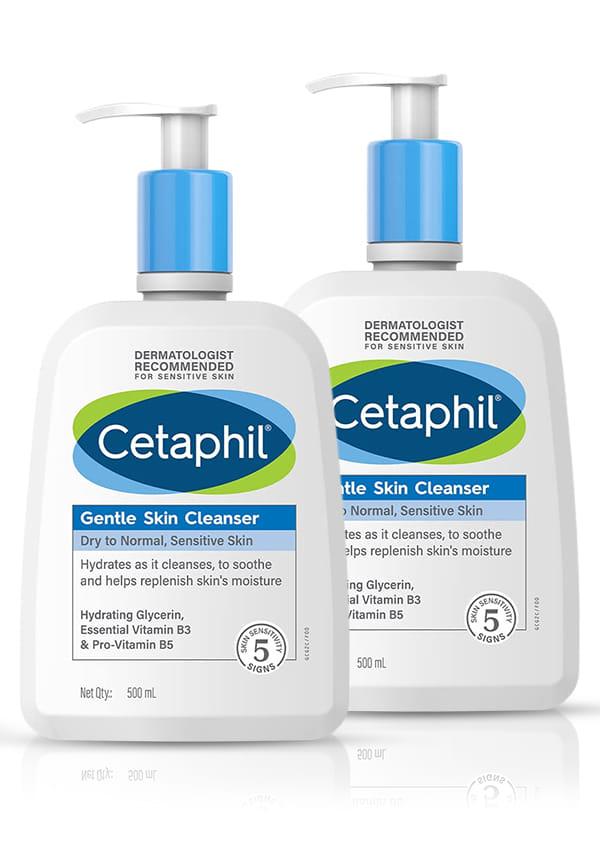
ComboGentle Skin Cleanser (Pack Of 2)
Let's be real—combination skin is like having two different skin types living on your face, and they rarely agree on what they need. Your T-zone might be producing enough oil to power a small engine, while your cheeks are crying out for moisture. Sound familiar? You're definitely not alone in this struggle. Studies show that nearly 45% of people deal with this tricky skin type, making it one of the most common yet challenging skincare concerns. The good news? With the right approach, you can absolutely balance combination skin and achieve that smooth, even complexion you've been dreaming of. These seven pro tips will help you navigate the unique needs of your combination skin type and create a routine that works for every zone of your face.
Double cleansing isn't just a K-beauty trend—it's a game-changer for combination skin care. This method ensures you're properly removing everything from makeup to excess sebum without stripping your skin's natural barrier.
The 4-2-4 method involves massaging an oil cleanser for 4 minutes, adding water and massaging for 2 minutes, then rinsing for 4 minutes. This gentle approach helps dissolve stubborn makeup and sunscreen in your oily T-zone while being kind to drier areas. The extended massage time also improves circulation and helps balance oil production over time.
Look for oil cleansers with lightweight oils like jojoba or squalane for your first cleanse. These won't clog pores but will effectively remove oil-based impurities. For your second cleanse, choose a gentle foam cleanser with ingredients like glycerin or hyaluronic acid that cleanse without over-drying. Avoid harsh sulphates that can trigger your skin to produce even more oil in the T-zone.
Mornings call for a single, gentle cleanse since you're only removing overnight sebum and skincare residue. Evenings are when double cleansing shines, especially if you wear makeup or sunscreen. This targeted approach helps maintain your skin balance without overdoing it.
The secret to mastering combination skin lies in treating different areas of your face like the unique zones they are. Your T-zone and cheeks have completely different needs, so why treat them the same?
Think of your face as having distinct neighbourhoods. Your T-zone (forehead, nose, chin) typically produces more sebum and may be prone to enlarged pores and blackheads. Your cheeks and eye area tend to be normal to dry and need more hydration and gentle care.
For your oily T-zone, incorporate ingredients like salicylic acid to gently exfoliate and unclog pores. Niacinamide is brilliant for regulating oil production without being harsh. Apply these targeted treatments only where needed—there's no point in putting oil-controlling products on already-dry cheeks.
Your cheeks and other dry areas benefit from hydrating ingredients like hyaluronic acid and ceramides. These help strengthen your skin barrier and lock in moisture. Consider using a slightly richer moisturiser or adding a hydrating serum to these areas.
 Combo
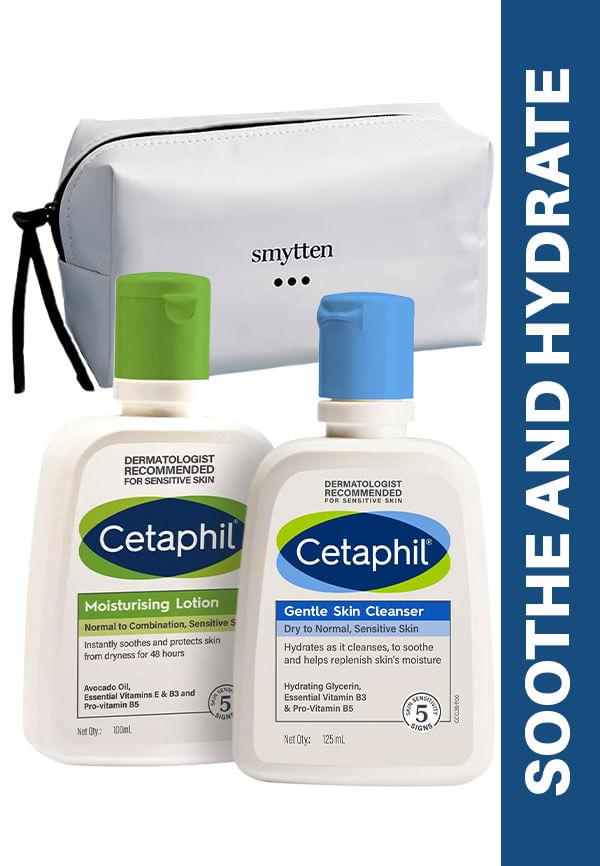
ComboSkin Care Kit
The biggest mistake? Using the same products everywhere or switching your entire routine based on one problem area. If your T-zone is acting up, resist the urge to use drying products all over your face. Similarly, don't skip oil control just because your cheeks are dry.
Finding the best moisturiser for combination skin doesn't mean finding one perfect product—it might mean finding the perfect combination of products for different areas of your face.
Look for lightweight, non-comedogenic formulas that provide hydration without heaviness. Gel-based moisturisers work brilliantly for combination skin as they hydrate without adding excess oil. Ingredients like hyaluronic acid, glycerin, and ceramides are your friends here.
Consider using a gel moisturiser on your T-zone and a slightly richer cream on your cheeks. This targeted approach ensures each area gets exactly what it needs. You can even use the same moisturiser but apply it more generously to dry areas and sparingly to oily zones.
Gel formulations absorb quickly and won't contribute to shine in your T-zone. For your cheeks, a cream with nourishing ingredients like shea butter or squalane can provide the extra moisture these areas crave. Don't worry about using two different products—your skin will thank you for the personalised care.
Your combination skin routine should evolve with the seasons. Summer might call for lighter formulations overall, while winter may require richer creams even in your T-zone. Pay attention to how your skin responds to weather changes and adjust accordingly.
Active ingredients are where the real magic happens for combination skin. The key is choosing the right ones and using them strategically to address both oily and dry skin concerns.
Salicylic acid is a beta-hydroxy acid that penetrates oil to unclog pores and regulate sebum production. Use it specifically on your T-zone 2-3 times per week. Start slowly and build up tolerance—your skin needs time to adjust.
Niacinamide is incredibly versatile for combination skin. It helps control oil production in your T-zone while strengthening the skin barrier in drier areas. This ingredient is gentle enough to use all over your face and plays well with other actives.
 15 ml
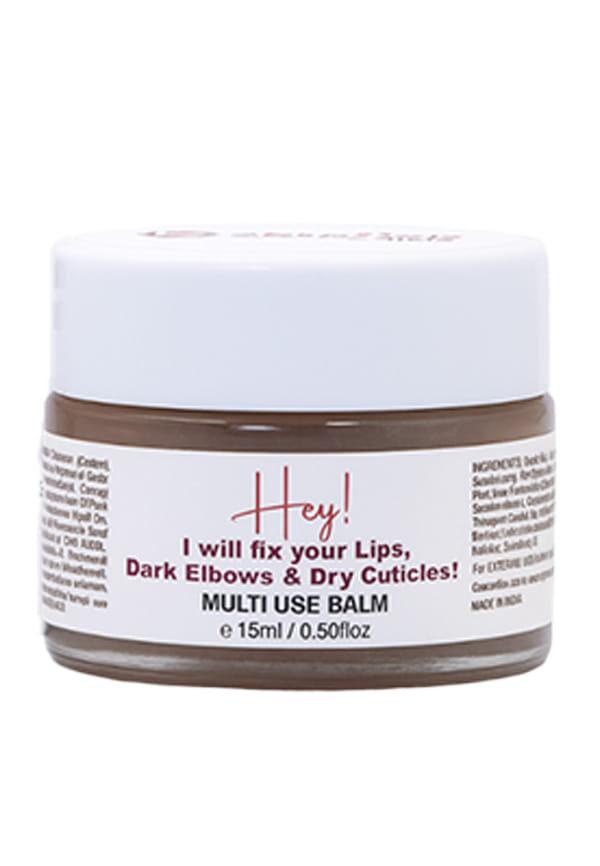
15 ml4mation Skins Multi Use Balm
Retinoids help with cell turnover, which can improve uneven skin texture common in combination skin types. They also help regulate oil production over time. Start with a low concentration and use only at night, always following with SPF during the day.
When using multiple actives, introduce them one at a time and space them out. You might use salicylic acid on Monday and Wednesday, niacinamide daily, and retinol on Friday. Listen to your skin and adjust as needed.
Toners and serums are where you can really customise your skincare for combination skin. These lightweight layers allow for targeted treatment without overwhelming any area of your face.
Skip harsh, alcohol-based toners that can disrupt your skin balance. Instead, look for hydrating toners with ingredients like hyaluronic acid or glycerin. These prep your skin for the next steps while adding a light layer of hydration.
Multi-masking involves using different masks on different areas of your face simultaneously. Try a clay mask on your T-zone while using a hydrating mask on your cheeks. This targeted approach addresses each area's specific needs in one session.
You can absolutely use different serums on different areas of your face. A hydrating serum with hyaluronic acid on dry areas and a niacinamide serum on your T-zone can work wonders. The key is applying them where they're needed most.
Apply products from thinnest to thickest consistency. Start with toner, then serums (hydrating first, then actives), followed by moisturiser and SPF. This ensures each product can penetrate properly and work effectively.
Sometimes your daily routine needs backup. Weekly treatments and occasional professional care can help address stubborn combination skin concerns and maintain your skin balance.
Gentle chemical peels with AHAs or BHAs can help improve uneven skin texture common in combination skin. These treatments help remove dead skin cells and promote cell turnover, revealing smoother, more balanced skin underneath.
 Combo
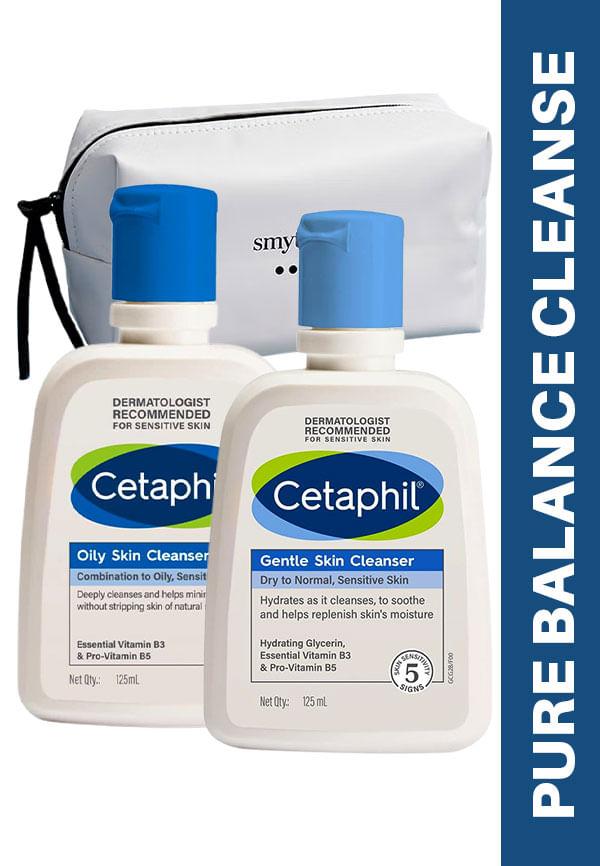
ComboGentle Skin Care Kit
Weekly hydrating masks can give your dry areas an extra moisture boost. Look for masks with hyaluronic acid, ceramides, or natural oils. Apply these specifically to areas that need extra hydration—usually your cheeks and around your eyes.
Clay masks are perfect for your T-zone, helping to absorb excess oil and deep-clean pores. Use them once or twice a week, applying only to oily areas. Kaolin and bentonite clays are gentle yet effective options.
Professional treatments like LED light therapy can help balance oil production and reduce inflammation. Regular facials with gentle extractions can also help keep your T-zone clear without over-drying other areas of your face.
Focus on gentle, consistent skincare with targeted treatments for different zones. Avoid over-cleansing or using harsh products that can disrupt your skin's natural balance. Stay hydrated, eat a balanced diet, and manage stress levels, as these all impact your skin's oil production.
Combination skin typically shows an oily T-zone (forehead, nose, chin) with normal to dry cheeks. You might notice shine and larger pores in your T-zone, while your cheeks feel tight or flaky. If your entire face has the same concerns, you likely have a different skin type.
The best combination skin routine involves gentle cleansing, targeted treatments for different zones, lightweight moisturising, and consistent SPF use. Focus on products that address specific area needs rather than trying to find one-size-fits-all solutions.
Review your routine monthly and make seasonal adjustments as needed. Your skin's needs may change with hormones, weather, or age. Pay attention to how your skin responds and adjust product application or frequency accordingly.
Absolutely. Hormonal changes, ageing, and seasonal weather can all affect your skin's oil production and hydration needs. Many people find their combination skin becomes drier with age, requiring routine adjustments over time.
Balancing combination skin might seem tricky, but with these seven pro tips, you're well on your way to achieving that perfectly balanced complexion. Remember, the key is treating your face like it has different neighbourhoods, each with its own needs. Start with one or two tips and gradually build your routine—consistency beats perfection every time. The beauty of having combination skin is that once you crack the code, you'll have incredibly versatile, resilient skin that can adapt to different conditions. And here's where Smytten comes in handy—as India's largest product discovery platform, you can try mini versions of different cleansers, moisturisers, and treatments from trusted brands like Cetaphil and Dot & Key before committing to full sizes. With over 1,500 brands available and the ability to get up to 8 minis for just ₹249, you can experiment with zone-targeting products without the financial risk. After all, why settle for maybe when you can try it all and find exactly what works for your unique combination skin?
