7 Pro Tips to Achieve Smooth Skin Tone Fast

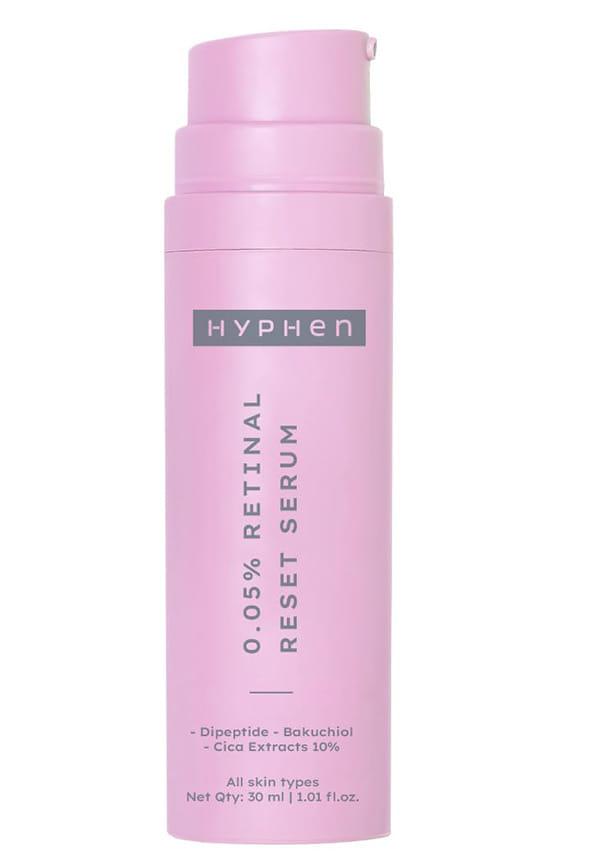 30 ml
30 ml0.05% Retinal Reset Serum
Let's be real—achieving that smooth, even skin tone feels like chasing a moving target sometimes. One day your skin looks radiant, the next you're dealing with dark spots, redness, or that annoying bumpy texture that makeup just can't hide. If you've been scrolling through endless skincare advice wondering what actually works, you're in the right place. The good news? You don't need a complete skin overhaul to see real results. With the right approach and some pro-level techniques, you can achieve smooth skin tone faster than you might think. These seven game-changing tips combine the best of professional skincare wisdom with practical, everyday solutions that actually fit into your routine.
Before diving into the tips, let's talk about what's really happening beneath the surface. Your skin is constantly working to renew itself, but sometimes it needs a bit of guidance to get back on track. Understanding your unique skin situation is the first step towards creating that smooth, even complexion you're after.
Every skin type comes with its own set of challenges when it comes to achieving smoothness. Oily skin might struggle with enlarged pores and occasional breakouts, while dry skin often deals with flakiness and dullness. Combination skin? You're probably managing multiple concerns across different areas of your face. Skin discoloration can show up as dark spots from old breakouts, sun damage, or melasma. Meanwhile, uneven skin texture might feel rough or bumpy to the touch, often caused by dead skin cell buildup or clogged pores. The key is identifying which concerns are your main priorities so you can target them effectively.
Healthy skin relies on proper cell turnover—basically, your skin's natural process of shedding old cells and revealing fresh ones underneath. When this process slows down or gets disrupted, you end up with dullness, rough patches, and uneven pigmentation. Effective skin tone correction happens when you support this natural renewal process whilst addressing specific concerns like hyperpigmentation or inflammation. Think of it as giving your skin the tools it needs to do its job properly.
Exfoliation is your secret weapon for smooth skin, but here's the thing—more isn't always better. The goal is to remove dead skin cells and encourage cell turnover without irritating your skin or causing micro-tears.
Chemical exfoliants like AHAs (glycolic acid, lactic acid) and BHAs (salicylic acid) work by dissolving the bonds between dead skin cells. They're particularly effective for tackling uneven skin texture because they can penetrate deeper than physical scrubs. Start with a gentle AHA 2-3 times per week if you're dealing with surface-level texture issues. For those with oily or acne-prone skin, BHA might be your best friend as it can get into pores and clear out buildup.
If you prefer natural approaches, try mixing oatmeal with honey for a gentle physical exfoliant that won't scratch your skin. Rice water contains natural AHAs and has been used for centuries to brighten and smooth skin. Remember, consistency beats intensity every time. A gentle approach used regularly will give you better results than aggressive treatments that leave your skin irritated.
Brightening isn't just about using one miracle product—it's about creating a routine that works synergistically to address pigmentation and promote that healthy glow.
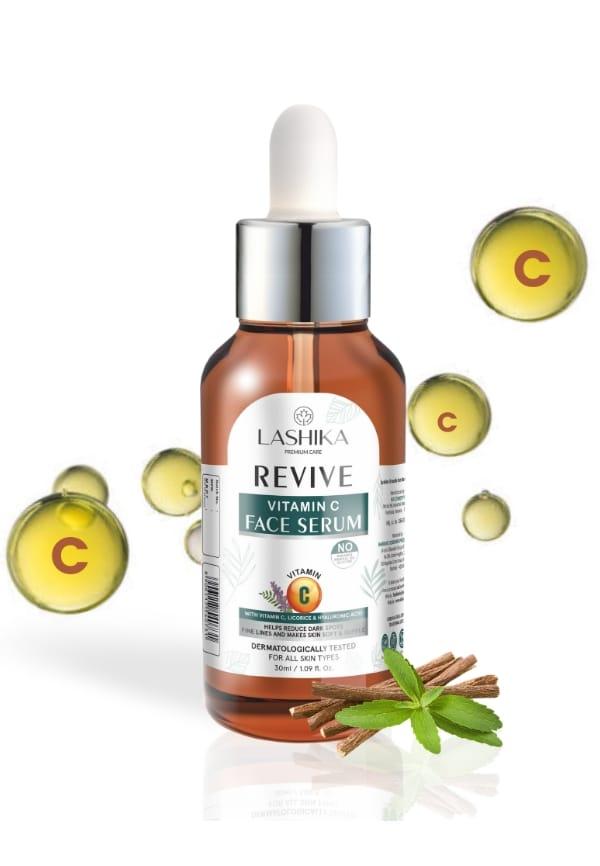 30 ml
30 mlRevive Vitamin C Face Serum
Vitamin C is probably the most talked-about skin brightening ingredient, and for good reason. It helps fade dark spots whilst protecting against future damage. Look for stable forms like magnesium ascorbyl phosphate if you have sensitive skin. Niacinamide is another powerhouse for hyperpigmentation treatment. It works by preventing melanin transfer to skin cells, which means fewer dark spots forming in the first place. Plus, it helps with oil control and pore appearance—bonus points! Kojic acid and arbutin are gentler alternatives that work slowly but steadily to fade existing discoloration.
Mornings are perfect for vitamin C and sunscreen—think protection and prevention. Evenings are when you can use stronger actives like retinoids or higher concentrations of brightening ingredients. Layer your products from thinnest to thickest consistency, and always give each product a few minutes to absorb before applying the next. Patience here really pays off in terms of effectiveness.
Sometimes the simplest steps make the biggest difference. Proper cleansing and moisturising create the foundation for everything else you're trying to achieve.
Double cleansing isn't just for makeup wearers. Starting with an oil-based cleanser helps dissolve sunscreen, excess sebum, and environmental pollutants. Following up with a water-based cleanser ensures you're getting a thorough clean without stripping your skin. This method is particularly effective for complexion correction because it prevents pore-clogging buildup that can lead to texture issues and breakouts.
Hydrated skin is smooth skin—it's really that simple. When your skin barrier is healthy and well-moisturised, it naturally looks more even and feels softer. Look for moisturisers with ceramides, hyaluronic acid, or glycerin. These ingredients help your skin hold onto moisture throughout the day. If you're dealing with very dry or damaged skin, consider adding a facial oil as the last step in your evening routine.
Rather than trying to fix everything at once, focus on your most pressing concerns first. This approach is more effective and less likely to overwhelm your skin.
If redness is your main concern, ingredients like centella asiatica, green tea extract, and azelaic acid can help calm inflammation. The key to reduce redness effectively is consistency and gentleness—harsh treatments often make redness worse. Cool compresses and avoiding known triggers (like certain ingredients or environmental factors) can also make a significant difference.
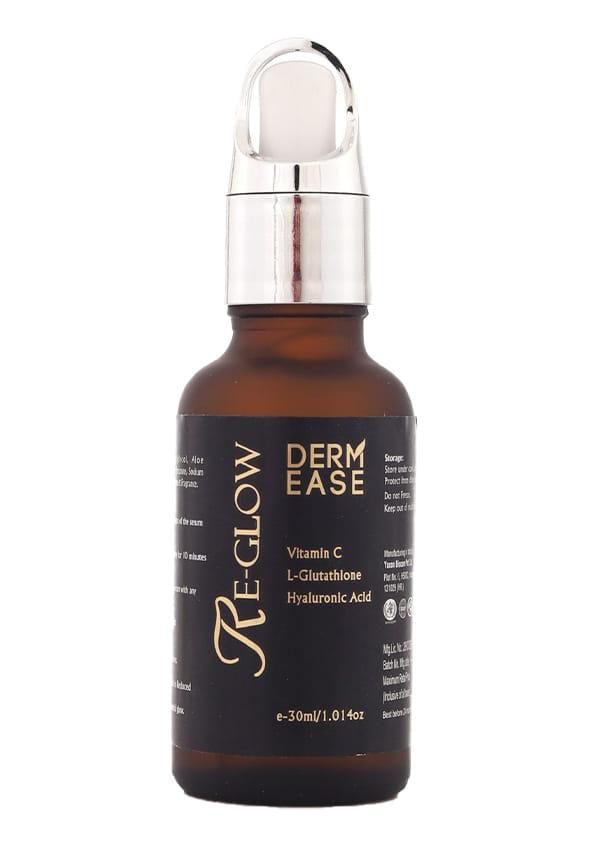 30 ml
30 mlRE-GLOW FACE SERUM
For active breakouts, spot treatments with benzoyl peroxide or salicylic acid can help. For post-acne marks, the brightening ingredients we mentioned earlier are your best bet. Blemish removal takes time, so resist the urge to pick or over-treat. Sometimes the best thing you can do is leave a spot alone and let your skincare routine do its work.
You don't need to spend a fortune at a clinic to get professional-level results. Many effective techniques can be done at home with the right knowledge and tools.
Facial massage isn't just relaxing—it can actually improve circulation and help products penetrate better. Use gentle upward strokes and focus on areas where you want to see improvement. Gua sha and jade rolling have gained popularity for good reason. These techniques can help with lymphatic drainage and give you that radiant skin glow immediately after use.
Some concerns, like deep acne scars or stubborn melasma, might benefit from professional treatments like chemical peels or laser therapy. If you've been consistent with a good routine for several months without seeing improvement, it might be time to consult a dermatologist. That said, many people see significant improvement with the right at-home routine—it just takes patience and consistency.
Your skincare routine is important, but what you do outside of it can be just as impactful. These lifestyle factors work from the inside out to support your skin goals.
Foods rich in antioxidants—like berries, leafy greens, and nuts—help protect your skin from damage that can lead to uneven pigmentation. Omega-3 fatty acids from fish or flax seeds support skin barrier function. Staying hydrated is crucial too. When you're dehydrated, your skin can look dull and feel rough, making any texture issues more noticeable.
Your skin does most of its repair work while you sleep, so those 7-8 hours really matter. Poor sleep can lead to increased inflammation and slower healing, which means breakouts stick around longer and dark spots take more time to fade. Stress management is equally important. Chronic stress can trigger breakouts and worsen inflammatory skin conditions, making it harder to achieve that smooth, even complexion you're working towards.
While true skin transformation takes time, you can definitely see improvements within a week if you're strategic about your approach.
 30 ml
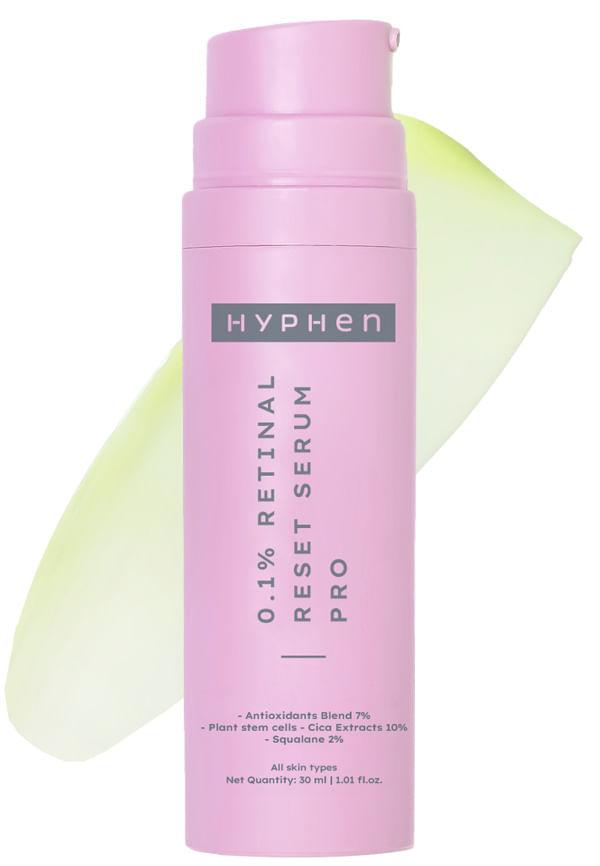
30 ml0.1% Retinal Reset Serum Pro
Morning routine: Gentle cleanser, vitamin C serum, moisturiser, SPF 30+ Evening routine: Double cleanse, treatment product (retinoid or AHA), moisturiser Drink plenty of water, get adequate sleep, and avoid picking at your skin. These simple actions can make a noticeable difference in just a few days.
Take photos in consistent lighting to track your progress objectively. Sometimes improvements are gradual and hard to notice day-to-day. If you experience irritation, scale back on active ingredients. It's better to use gentler products consistently than to damage your skin barrier with overly aggressive treatments. When exploring new skincare products to support your journey to smoother skin, Smytten offers an incredible way to test products before committing to full sizes. With curated trial packs from trusted brands like Cetaphil and Dot & Key, you can discover what works for your unique skin concerns without the guesswork. This approach is particularly valuable when building a targeted routine, as you can try different brightening serums, exfoliants, and moisturisers to find your perfect combination.
You might notice some improvements within a week, but significant changes typically take 4-6 weeks of consistent routine. For deeper concerns like hyperpigmentation, it can take 3-6 months to see substantial results.
Yes, but introduce them gradually. Start with one active ingredient and add others slowly to avoid irritation. Vitamin C and niacinamide can be used together, despite old myths suggesting otherwise.
Skin texture refers to how your skin feels—smooth, rough, bumpy—while skin tone refers to colour and pigmentation evenness. Both can be improved with the right approach.
No, over-exfoliation can actually make texture issues worse. Start with 2-3 times per week and adjust based on how your skin responds.
Some natural ingredients are very effective, but synthetic ingredients often offer more consistent results and higher concentrations of active compounds. The best approach often combines both.
Achieving smooth, even skin tone doesn't have to be complicated or expensive. The key is understanding your skin's needs and being consistent with a targeted approach. Remember, everyone's skin is different, so what works for your friend might not work for you—and that's completely normal. Start with the basics: gentle cleansing, proper moisturising, and sun protection. Then gradually introduce active ingredients based on your specific concerns. Be patient with the process and kind to your skin along the way. The journey to achieve smooth skin tone is exactly that—a journey. Some days will be better than others, but with the right knowledge and consistent effort, you'll get there. Your skin has an amazing ability to heal and renew itself when given the proper support.
