7 Pro Tips to Achieve Silky Smooth Skin Texture

 Combo
ComboFlawless Skin Favourites
Let's be real—smooth skin texture feels like the ultimate skincare goal, doesn't it? You know that feeling when you run your fingers across your cheek and it's silky soft? That's what we're after. But if your skin feels bumpy, rough, or just not quite right, you're definitely not alone. Uneven skin texture is one of those sneaky skin concerns that can make even the most expensive foundation look patchy. The good news? Getting that coveted smooth skin isn't as complicated as you might think. With the right approach and a bit of patience, you can transform your skin texture from rough to ridiculously smooth.
Before we dive into the good stuff, let's chat about what's actually happening with your skin texture. Think of your skin like a canvas—when it's smooth, everything else (makeup, skincare, even your natural glow) just looks better.
Skin texture is basically how your skin feels to the touch. When it's uneven, you might notice bumps, rough patches, enlarged pores, or that sandpaper-like feeling. This happens because of dead skin buildup, clogged pores, acne scarring, or simply not enough moisture. Unlike skin tone issues (which are about colour and pigmentation), texture problems are all about the surface feel of your skin.
Common culprits behind rough skin include:
Dead skin cells hanging around too long
Large pores that collect oil and debris
Acne scars and post-inflammatory marks
Dehydration making skin feel tight and bumpy
Sun damage breaking down collagen over time
Here's where most people get it wrong—they reach for those gritty scrubs thinking they'll buff away texture issues. Plot twist: chemical exfoliation is actually your best friend for smooth skin. It's gentler, more effective, and won't leave your skin irritated.
Chemical exfoliants work by dissolving the bonds between dead skin cells, letting them shed naturally instead of building up and creating that rough texture. There are two main types you need to know about:
Glycolic acid is the star here. It's brilliant at removing dead skin from the surface, revealing the smoother skin underneath. Start with a low concentration (around 5-10%) and use it 2-3 times a week.
Salicylic acid is oil-soluble, which means it can dive deep into your pores and clear out the gunk that makes skin feel bumpy. Perfect if you're dealing with blackheads or congested skin.
Pro tip: Never use both on the same night when you're starting out. Your skin needs time to adjust, and overdoing it will only create more texture issues.
If chemical exfoliation is your short-term hero, retinoids are your long-term relationship goals. They're honestly the gold standard for skin texture improvement, and dermatologists everywhere will back this up.
Retinoids work by speeding up cell turnover and boosting collagen production. This means fresher, smoother skin cells come to the surface faster, and your skin becomes plumper and more resilient over time.
You've got options here:
Retinol: Available over-the-counter, gentler, perfect for beginners
Prescription retinoids: Stronger, faster results, but need medical supervision
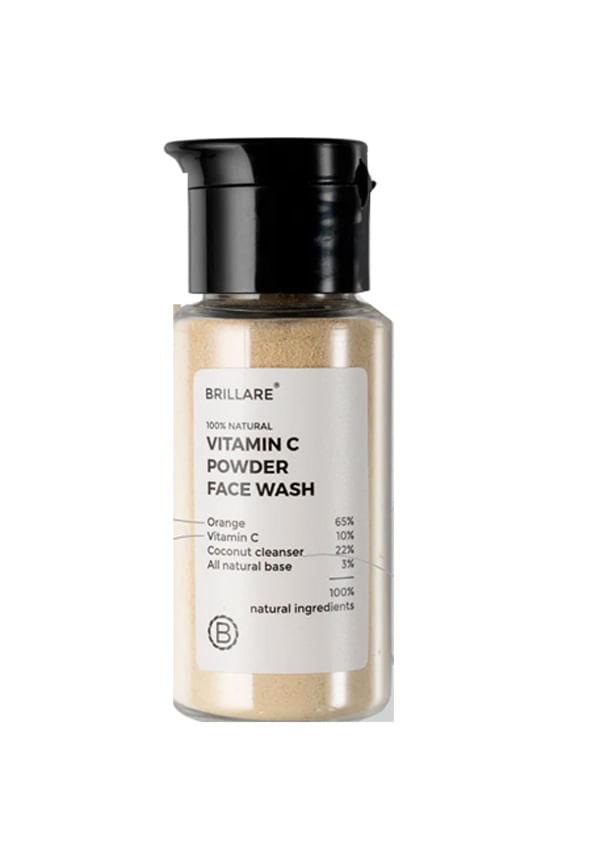 15 gm
15 gmVitamin C Powder Face Wash For Bright, Glowing Skin
The catch? Results take time—we're talking 2-3 months before you see significant changes. And yes, you might experience some initial dryness or peeling. This is normal and usually settles down as your skin adjusts.
Golden rule: Never mix retinoids with strong acids in the same routine. Use retinoids at night and save your exfoliating acids for alternate evenings or morning use.
Dehydrated skin is bumpy skin—it's really that simple. When your skin lacks moisture, it can't function properly, leading to a rough, uneven texture that no amount of exfoliation will fix.
This is where targeted serums become your secret weapons. The best skincare for smooth skin includes these powerhouse ingredients:
This moisture magnet can hold up to 1,000 times its weight in water. It plumps up your skin from within, instantly making texture look smoother and more refined.
This multitasking ingredient helps regulate oil production and strengthens your skin barrier. The result? Smaller-looking pores and overall smoother texture.
Beyond its brightening benefits, vitamin C helps with collagen synthesis, which means firmer, smoother skin over time.
Layer these serums from thinnest to thickest consistency, and always follow with a good moisturiser to lock everything in. Even oily skin needs moisture—skipping it will only make texture issues worse.
Let's talk about the elephant in the room—sun protection. UV damage is one of the biggest culprits behind rough, uneven skin texture. It breaks down collagen, creates free radical damage, and basically undoes all your hard work.
Daily SPF 30+ isn't just about preventing dark spots (though it does that too). It's about preserving the smooth skin you're working so hard to achieve. Think of it as your texture insurance policy.
Choose a sunscreen that works with your skin type:
Oily skin: Look for gel or fluid formulas
Dry skin: Cream-based sunscreens with added moisture
Sensitive skin: Mineral sunscreens with zinc oxide or titanium dioxide
And yes, you need to reapply every 2 hours if you're spending time outdoors. No exceptions.
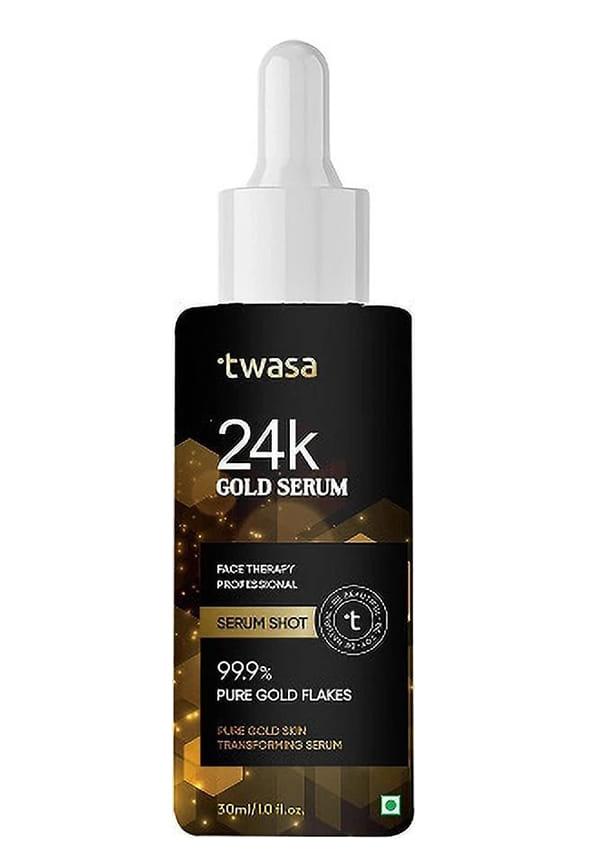 30ml
30ml24k Gold Face Serum For Glowing Skin
Sometimes, at-home care needs a little professional backup. If you're dealing with deep acne scars, large pores, or texture that just won't budge, professional treatments can fast-track your results.
This treatment creates tiny micro-injuries in your skin, triggering your body's natural healing response and boosting collagen production. The result? Smoother, firmer skin texture over time.
Professional-grade peels go deeper than anything you can do at home. They're brilliant for addressing stubborn texture issues and can give you that fresh, smooth skin feeling almost immediately.
For deep scarring or significant texture issues, treatments like Fraxel can resurface your skin and stimulate new collagen growth. These are investment treatments, but the results can be life-changing.
The key is knowing when to DIY and when to call in the professionals. If your texture concerns are mild to moderate, a solid at-home routine will likely do the trick. For deeper issues, professional treatments might be worth the investment.
Not everything needs to come from a lab to be effective. There are some natural approaches that can genuinely help with skin texture improvement, especially when combined with your regular skincare routine.
This Korean technique involves massaging cleansing oil into your skin for 4 minutes, adding water and massaging for 2 minutes, then rinsing for 4 minutes. It's incredibly thorough and helps remove all the buildup that can make skin feel rough.
Oatmeal and honey masks can provide gentle physical exfoliation without the harshness of scrubs. The oatmeal buffs away dead skin while honey provides moisture and has natural antibacterial properties.
Your skin reflects what's happening inside your body. Drinking plenty of water, eating antioxidant-rich foods, managing stress, and getting quality sleep all contribute to smoother skin texture. It's not instant, but it's sustainable.
Discovering what works for your skin often involves trying different products and approaches. Smytten makes this journey easier by offering curated trial packs from over 1,500 trusted brands like Cetaphil and Dot & Key. You can explore various skincare options without committing to full-size purchases, making it both affordable and smart to find your perfect texture-smoothing routine.
Even with the best intentions, it's easy to make mistakes that actually worsen your skin texture. Here are the biggest culprits to avoid:
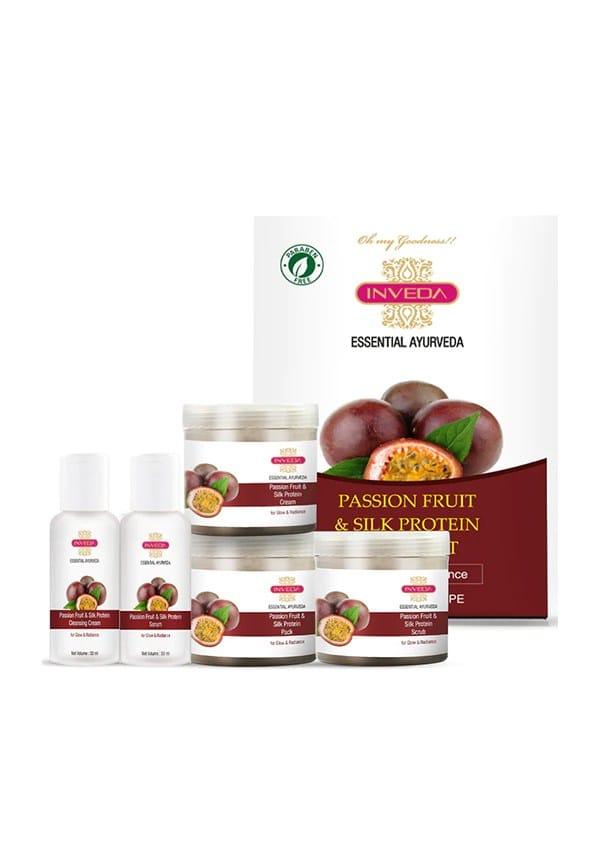 400 ml
Passion Fruit and Silk Protein Facial Kit | For Glow & radiance
Over-exfoliating is probably the most common mistake. More isn't always better, and using acids every single day will damage your skin barrier, leading to more texture issues, not fewer.
Mixing incompatible ingredients is another biggie. Combining retinoids with strong acids, or using vitamin C with certain ingredients, can cause irritation and setbacks.
Skipping moisturiser because you have oily skin is counterproductive. Dehydrated oily skin often overproduces oil to compensate, leading to more congestion and bumpy texture.
Inconsistency kills results. Skincare isn't a quick fix—it requires patience and regular use to see real changes in skin texture.
Finally, expecting overnight miracles will only lead to disappointment. Real skin texture improvement takes time, usually 6-12 weeks for noticeable changes.
Most people notice initial improvements in 4-6 weeks with consistent use of the right products. Significant texture changes typically take 2-3 months, especially when using retinoids and proper exfoliation techniques.
Not in the same routine. These ingredients can be too harsh when combined. Try alternating nights or use AHAs in the morning and retinoids at night to avoid irritation.
Skin texture refers to how your skin feels—smooth versus rough or bumpy. Skin tone refers to colour and pigmentation issues like dark spots or redness.
You might be over-exfoliating, which damages your skin barrier. Try reducing frequency and focus more on hydration. Sometimes rough skin is actually dehydrated skin in disguise.
Professional treatments can accelerate results for stubborn concerns, but consistent at-home care with proven ingredients often delivers excellent results over time. Start with a solid routine before investing in treatments.
Achieving silky smooth skin texture isn't about finding one miracle product—it's about building a consistent routine that addresses your specific concerns. Whether you're dealing with large pores, rough patches, or general skin imperfections, the key is patience and the right combination of gentle exfoliation, proper hydration, and sun protection.
Remember, everyone's skin is different, and what works for your friend might not work for you. That's where platforms like Smytten become invaluable. With access to trial packs from trusted brands, you can experiment with different approaches to find what truly works for your skin without the financial commitment of full-size products. After all, why settle for rough skin when you can discover your perfect texture-smoothing routine and truly try it all?
