7 Pro Tips for Ultimate Breakout Control Routine

7 Pro Tips for Ultimate Breakout Control Routine
Published Date - 27 January 2026
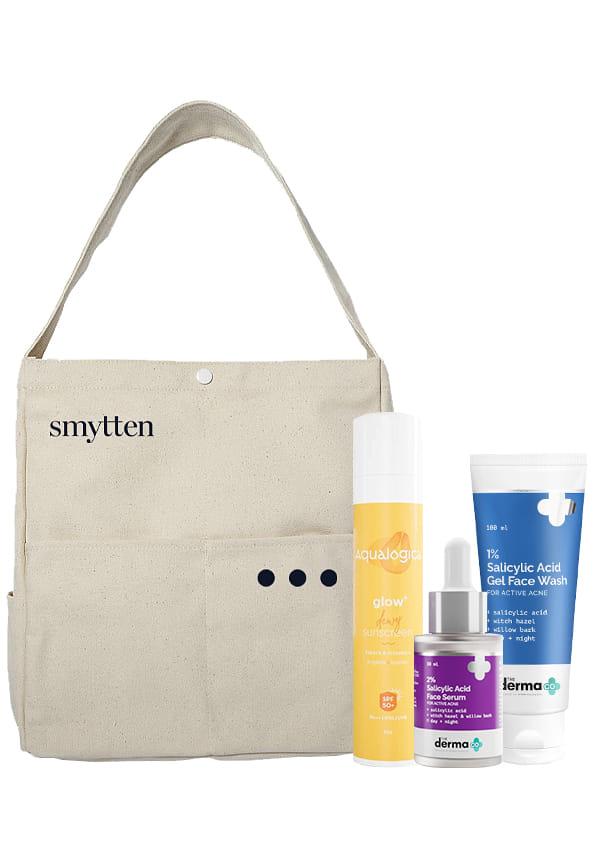
No More Breakouts KitCombo

Smytten

No More Breakouts Kit

2546
Let's be real—dealing with breakouts can feel like an endless battle. You try one product, it doesn't work, then you're back to square one with another angry spot staring back at you in the mirror. But here's the thing: building the best breakout control routine isn't about throwing every acne-fighting product at your face and hoping for the best. It's about understanding your skin, choosing the right steps, and being consistent with what actually works. Whether you're dealing with the occasional hormonal breakout or persistent acne, these seven pro tips will help you create a clear skin regimen that actually delivers results. Ready to say goodbye to those surprise breakouts?

Understanding Your Acne-Prone Skin: The Foundation of Effective Breakout Control

Before diving into any acne treatment routine, you need to know what you're working with. Not all breakouts are created equal, and what works for your friend's skin might not work for yours. Think of this as getting to know your skin's personality—some days it's chill, other days it's throwing a proper tantrum. The key to any successful skincare for breakouts starts with understanding why your skin behaves the way it does. Your skin type, lifestyle, and even your hormones all play a role in how breakouts form and what treatments will work best.

Identifying Your Skin Type and Acne Triggers

First things first—what's your skin type? Oily skin tends to produce excess sebum, making it prone to clogged pores and blackheads. Combination skin might only break out in your T-zone, while sensitive skin can react to harsh treatments with more irritation than improvement. Common breakout triggers include hormonal changes (hello, monthly cycle), stress, certain foods, and even the wrong skincare products. Keep a simple skin diary for a week or two—note when breakouts appear and what might have triggered them.

The Science Behind Acne Formation

Here's what's actually happening when a breakout forms: your pores get clogged with dead skin cells and oil, creating the perfect environment for bacteria to multiply. This leads to inflammation, and voilà—you've got a spot. Understanding this process helps explain why generic skincare for acne-prone skin routines often fail. Your skin needs targeted care that addresses each step of acne formation, not just a one-size-fits-all approach.

Pro Tip #1 - Master the Double Cleanse Method for Deep Pore Cleansing

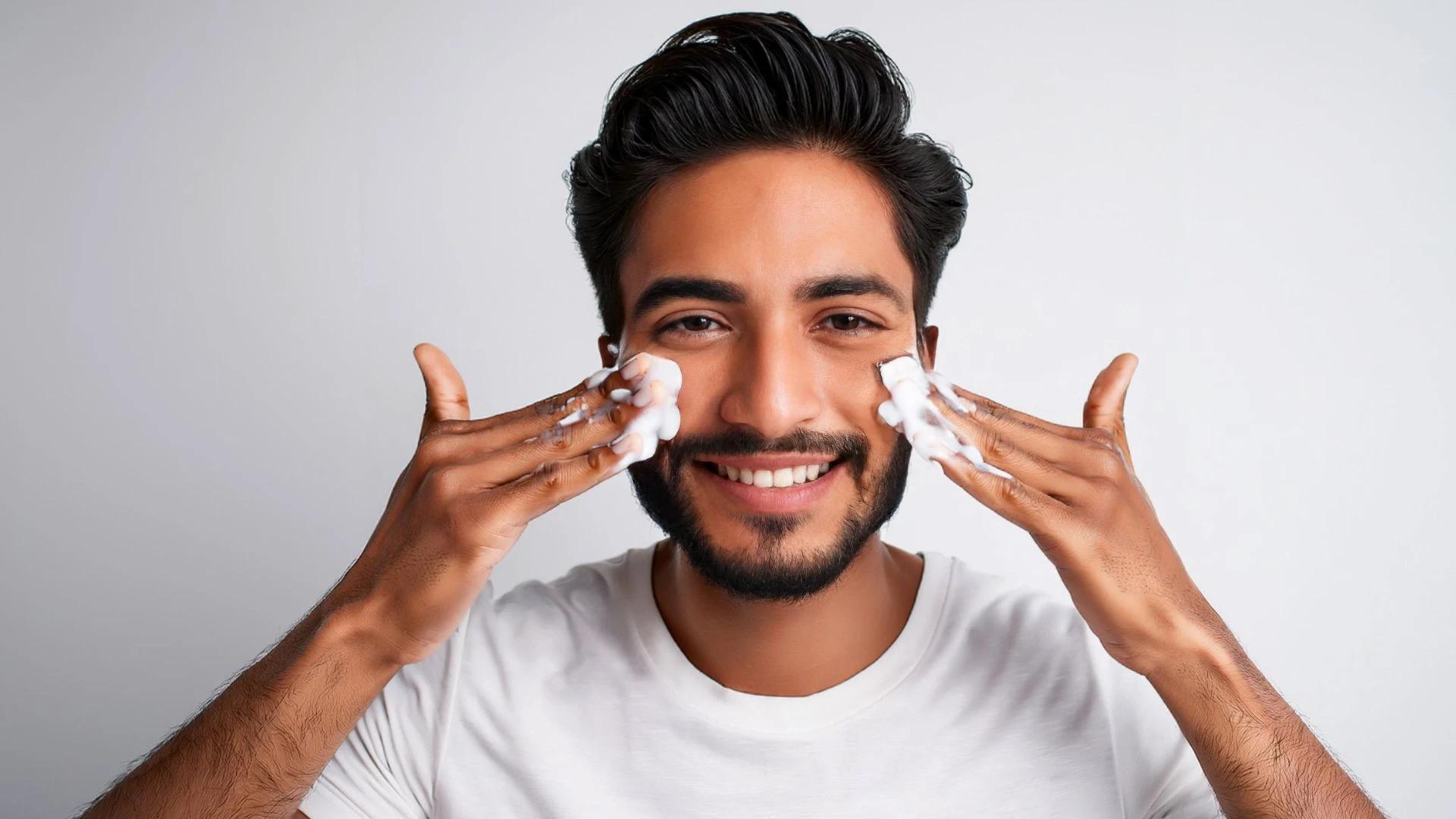
Double cleansing isn't just a K-beauty trend—it's genuinely one of the most effective blemish control tips for keeping pores clear. The idea is simple: use an oil-based cleanser first to break down makeup, sunscreen, and excess sebum, then follow with a water-based cleanser to remove any remaining impurities. This method ensures you're getting a proper pore cleansing routine
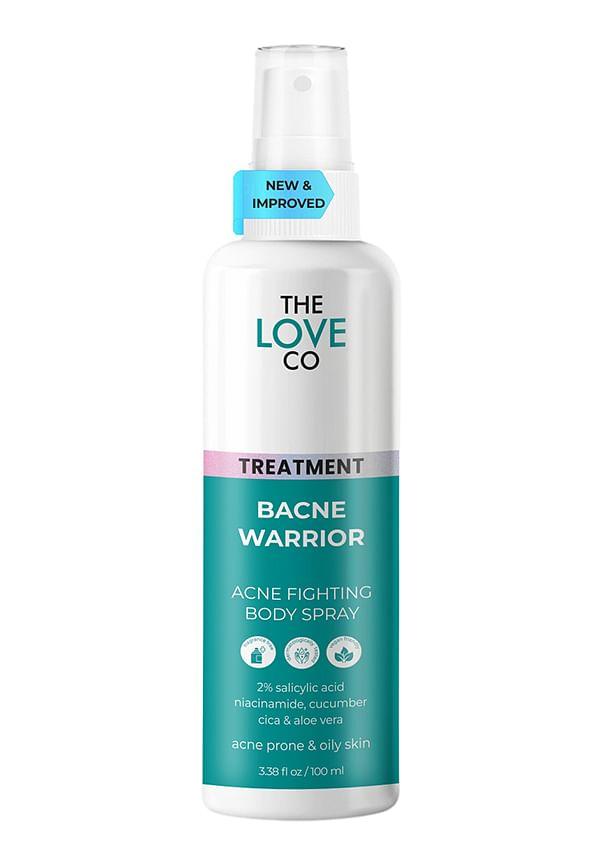
Bacne Warrior Acne Fighting Body Spray100 ml

The Love Co.

Bacne Warrior Acne Fighting Body Spray

49915 % OFF
424
without over-stripping your skin. When you skip the first cleanse, your water-based cleanser has to work overtime, which can leave residue behind and contribute to clogged pores.

Morning vs. Evening Cleansing Protocols

In the morning, a gentle water-based cleanser is usually enough unless you've used heavy night treatments. Your evening routine is where the double cleanse really shines—start with an oil cleanser to remove the day's buildup, then use a targeted cleanser with ingredients like salicylic acid or benzoyl peroxide. The key is being gentle. Aggressive scrubbing won't make your cleanser work better; it'll just irritate your skin and potentially make breakouts worse.

Choosing the Right Cleanser for Your Breakout Type

For inflammatory acne (those red, angry spots), look for gentle, anti-bacterial formulas that won't add to the irritation. If you're dealing with blackheads and whiteheads, a cleanser with BHA (salicylic acid) can help keep pores clear. Sensitive skin needs fragrance-free, pH-balanced options that clean without causing additional redness or irritation.

Pro Tip #2 - Strategic Exfoliation to Prevent Clogged Pores

Exfoliation is crucial for any anti-acne skincare routine, but it's also where many people go wrong. The goal is to remove dead skin cells that can clog pores, not to scrub your face raw. Chemical exfoliation is generally much more effective and gentler than physical scrubs for acne-prone skin. When done right, exfoliation helps your other best acne products penetrate better and work more effectively. It's like clearing the path for your treatments to do their job properly.

Chemical vs. Physical Exfoliation for Acne Control

Salicylic acid (BHA) is your best friend for deep pore cleansing—it's oil-soluble, so it can penetrate into pores and break down the gunk inside. Glycolic acid (AHA) works on the surface to speed up cell turnover and fade post-acne marks. Physical scrubs might feel satisfying, but they can create micro-tears in your skin and spread bacteria around, potentially making breakouts worse. Save the scrubs for your body, not your face.

Exfoliation Frequency and Application Techniques

Start with 2-3 times per week and see how your skin responds. Over-exfoliation can actually trigger more breakouts by damaging your skin barrier and causing irritation. Signs you've overdone it include increased redness, stinging when you apply products, and paradoxically, more breakouts. If this happens, take a break and focus on gentle, hydrating products until your skin recovers.

Pro Tip #3 - Targeted Acne Treatment Application for Maximum Results

This is where your daily skincare routine for acne gets serious. Active ingredients are the heavy hitters in your routine—they're what actually treat and prevent breakouts. But using them correctly is crucial for seeing results without irritation. The key is to start slowly and build up your skin's tolerance. Think of it like training for a marathon—you wouldn't run 26 miles on day one, and you shouldn't jump straight into using strong actives every day either.

Active Ingredient Powerhouses

Benzoyl peroxide is excellent for killing acne bacteria and comes in concentrations from 2.5% to 10%. Start with the lowest concentration—it's often just as effective as higher strengths but with less irritation. Retinoids are the gold standard for preventing breakouts by speeding up cell turnover and keeping pores clear. Start with a gentle retinol or ask your dermatologist about prescription options. Niacinamide is a gentler option that helps reduce acne inflammation
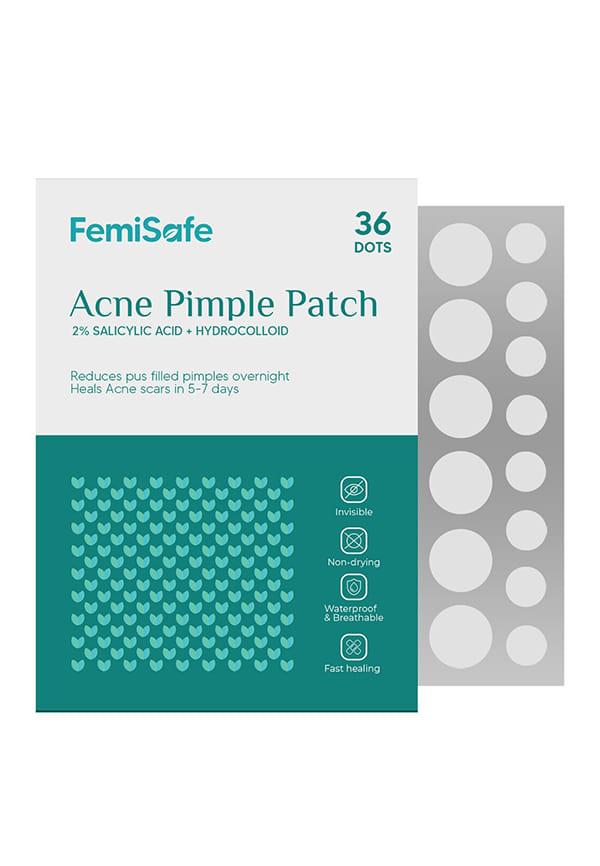
Acne Pimple Patch36 dots

FemiSafe

Acne Pimple Patch

299
and control oil production without the irritation that can come with stronger actives.

Treatment Layering and Timing Strategies

Morning routines should focus on protection and gentle treatment, while evenings are for your stronger actives. Never use benzoyl peroxide and retinoids at the same time—they can cancel each other out and cause irritation. For spot treatments, apply them directly to clean skin before your moisturiser. For all-over treatments, apply them after cleansing and before moisturising.

Pro Tip #4 - Non-Comedogenic Moisturising for Balanced Hydration

Here's a myth that needs to die: oily, acne-prone skin doesn't need moisturiser. Actually, skipping moisturiser can make your skin produce more oil to compensate for dehydration, potentially leading to more breakouts. Even the most effective acne treatment routine needs proper hydration to work optimally. The trick is finding the right moisturiser—one that hydrates without clogging pores or adding to the greasiness. Look for lightweight, non-comedogenic formulas that won't interfere with your other treatments.

Breaking the "Oily Skin Doesn't Need Moisture" Myth

When your skin is dehydrated, it goes into overdrive producing oil to protect itself. This excess oil can mix with dead skin cells and clog pores, creating the perfect storm for breakouts. Look for moisturisers with ingredients like hyaluronic acid (which holds water without heaviness), ceramides (which repair your skin barrier), and niacinamide (which helps control oil production).

Moisturising Techniques for Acne-Prone Skin

Apply moisturiser while your skin is still slightly damp to lock in hydration. If you're using treatments like retinoids or benzoyl peroxide, wait a few minutes after applying them before moisturising. Consider using different moisturisers for day and night—a lighter formula during the day under sunscreen, and something more nourishing at night to support your skin's repair process.

Pro Tip #5 - Sun Protection Without Pore-Clogging

Sunscreen is non-negotiable in any clear skin regimen, but finding one that doesn't cause breakouts can feel impossible. The good news is that there are plenty of non-comedogenic options that protect your skin without clogging pores. Sun damage can actually make acne worse by thickening your skin and making it harder for pores to clear themselves. Plus, many acne treatments make your skin more sensitive to UV damage, so protection is crucial.

Sunscreen Selection for Breakout-Prone Skin

Mineral sunscreens with zinc oxide or titanium dioxide are often gentler for sensitive, acne-prone skin. They sit on top of your skin rather than absorbing into it, which can be less likely to cause reactions. Chemical sunscreens can work well too, but look for lightweight, oil-free formulas specifically designed for acne-prone skin. Avoid anything with heavy oils or thick, creamy textures.

Reapplication Strategies and Makeup Compatibility

Reapplying sunscreen over makeup can be tricky, but powder sunscreens or setting sprays with SPF can help. If you're working out or spending time outdoors, plan for proper reapplication every two hours. Look for sunscreens that work well under makeup—they should absorb quickly without leaving a greasy residue or causing your foundation to pill.

Pro Tip #6 - Lifestyle Factors That Make or Break Your Clear Skin Regimen

Your skincare routine is just one part of the equation. What you eat, how much you sleep, and how you manage stress all play significant roles in your skin's behaviour. Think of these as the supporting cast to your skincare routine's leading role. The connection between lifestyle and skin health isn't just wellness fluff—there's real science behind how your daily habits affect your complexion. Getting these factors right can make your topical treatments work even better.

Diet and Hydration Impact on Breakouts

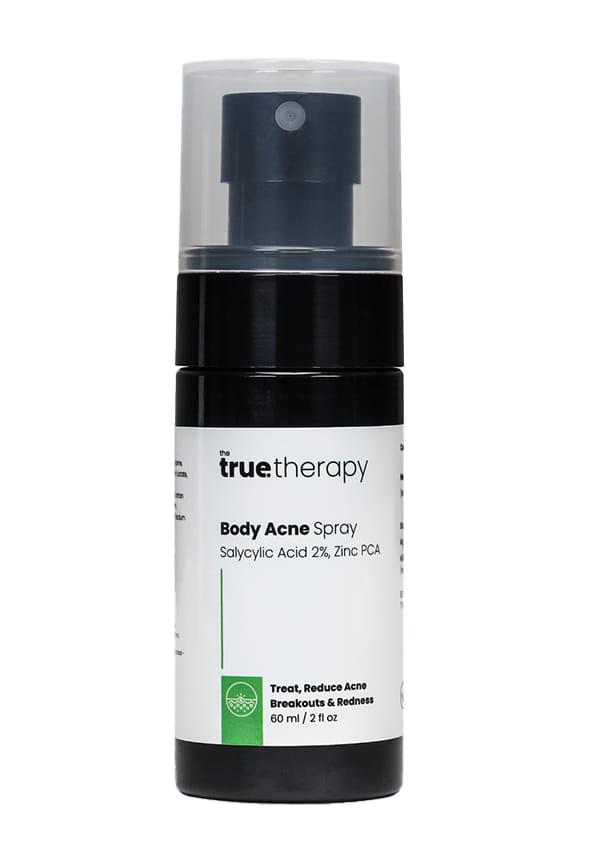
Body Acne Spray60 ml

The True Therapy

Body Acne Spray

39930 % OFF
279
While diet doesn't cause acne directly, certain foods can trigger inflammation or hormonal changes that contribute to breakouts. High-glycemic foods (think white bread, sugary snacks) and dairy are common culprits for some people. Focus on anti-inflammatory foods like leafy greens, fatty fish, and antioxidant-rich berries. And yes, drinking enough water actually does help—aim for about 8 glasses a day to support your skin's natural detox processes.

Sleep, Stress, and Hormonal Balance

Poor sleep and high stress both increase cortisol levels, which can ramp up oil production and inflammation. Aim for 7-9 hours of quality sleep and find stress management techniques that work for you—whether that's meditation, exercise, or just taking time to unwind. Your skin does most of its repair work while you sleep, so skimping on rest can slow down healing and make breakouts last longer.

Pro Tip #7 - Advanced Troubleshooting and Professional Support

Sometimes, despite your best efforts with an at-home routine, you need professional help. There's no shame in this—some types of acne require prescription treatments or professional procedures to get under control. Knowing when to seek help can save you months of frustration. This is where platforms like Smytten become invaluable. As India's largest product discovery and trial platform, Smytten connects you with over 1,500 trusted brands including skincare favourites like Cetaphil and Dot & Key. You can try mini-sized versions of different acne treatments before committing to full-size purchases, making it easier to find what works for your skin without the financial risk.

When to Escalate to Dermatologist Care

If you've been consistent with a good routine for 3-4 months without improvement, it's time to see a professional. The same goes for severe, cystic acne or breakouts that are leaving significant scarring. Dermatologists can prescribe stronger treatments like prescription retinoids, antibiotics, or hormonal therapies that aren't available over the counter.

Tracking Progress and Adjusting Your Routine

Take photos in consistent lighting to track your progress—it's easy to forget how far you've come when you see your face every day. Keep notes about what products you're using and any changes you make. Be patient with new products—it can take 6-12 weeks to see real results from acne treatments. Resist the urge to change everything at once if you don't see immediate improvement.

Frequently Asked Questions

How long does it take to see results from the best breakout control routine?

Most people start seeing some improvement within 4-6 weeks, but significant results typically take 8-12 weeks of consistent use. Your skin needs time to adjust to new products and complete its natural renewal cycle.

Can I use multiple acne treatments at the same time?

Yes, but introduce them gradually and be mindful of potential interactions. For example, don't use benzoyl peroxide and retinoids at the same time, as they can neutralise each other and cause irritation.

What's the difference between treating active breakouts and preventing new ones?

Active breakouts need targeted spot treatments with ingredients like benzoyl peroxide or salicylic acid. Prevention focuses on keeping pores clear with regular exfoliation and maintaining a healthy skin barrier with proper cleansing and moisturising.

Should I change my routine during different seasons?

Yes, your skin's needs can change with the weather. You might need lighter moisturisers in humid summer months and more hydrating products during dry winter weather. The core steps stay the same, but you can adjust product weights and frequencies.

How do I know if a product is making my acne worse?

If you notice an increase in breakouts 1-2 weeks after starting a new product, it might be causing issues. However, some treatments can cause initial purging where existing clogs come to the surface faster—this usually improves after 4-6 weeks.

Final Thoughts

Building the best breakout control routine isn't about perfection—it's about consistency and finding what works for your unique skin. Remember that clear skin is a journey, not a destination, and what works might evolve as your skin changes over time. The beauty of having access to trial-sized products through platforms like Smytten is that you can experiment with different brands and formulations without committing to full-size products. With over 25 million users and 100 million trial minis delivered, Smytten makes it easier to discover your perfect skincare routine. You can get up to 8 minis for just ₹249, plus enjoy 100% cashback that's redeemable for future purchases. Start with one or two of these tips rather than overhauling your entire routine at once. Your skin will thank you for the gentle, thoughtful approach, and you'll be more likely to stick with habits that actually work. After all, why settle for maybe when you can find products that truly work for your skin?
Sangria Experience Logo
Document