7 Pro Tips for Perfect Combination Skin Care
%20Ovulatory%20Phase-bf27e649-55d5-4c94-9382-b771d2075309.webp&w=3840&q=75)

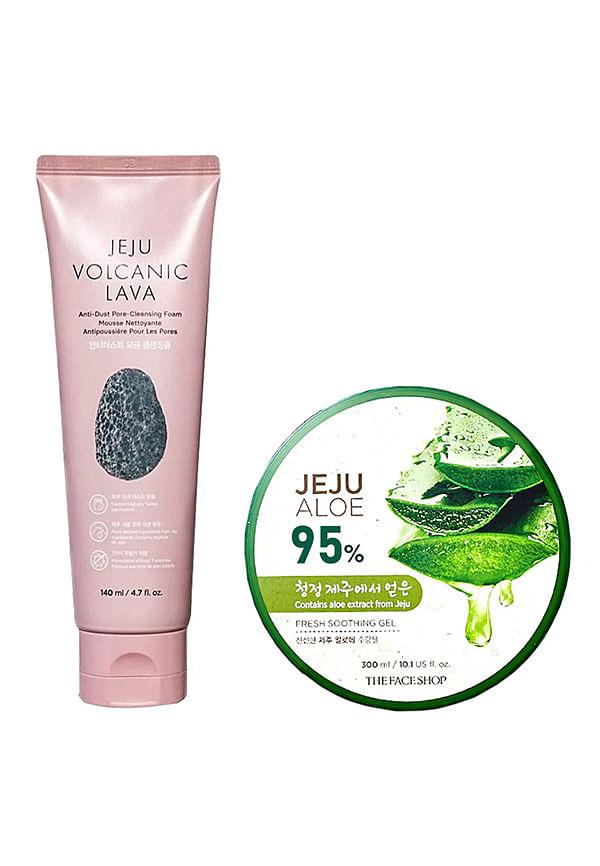 440 ml
Hydrating Necessities for Combination Skin
Let's be real—combination skin can feel like you're managing two completely different skin types on one face. Your T-zone might be producing enough oil to fuel a small engine, whilst your cheeks are crying out for moisture like they're stuck in the Sahara. Sound familiar? You're definitely not alone in this skincare struggle. The good news is that with the right combination skin routine tips, you can actually get both zones working in harmony. It's all about understanding what each area needs and giving it exactly that—no more, no less. Ready to finally crack the code on your combination skin care?
Before diving into the good stuff, let's get clear on what we're actually dealing with. Combination skin is basically your skin's way of keeping things interesting—you've got an oily T-zone (forehead, nose, and chin) paired with normal to dry cheeks. It's like having a split personality, but for your face.
This happens because your T-zone has more sebaceous glands, which means more oil production. Meanwhile, your cheeks might be sitting there feeling a bit neglected in the moisture department. Genetics play a huge role here, but hormones, weather, and even stress can make things more complicated. The key to mastering how to treat combination skin is recognising that one-size-fits-all approaches just won't cut it.
Here's where most people get it wrong—they either strip their entire face trying to control the oil, or they go too gentle and leave the T-zone feeling grimy. The sweet spot? A combination skin cleanser that's gentle enough for your dry areas but effective enough for your oily zones.
Look for gel or foam cleansers with a pH between 5.5-6.5. These won't strip your skin but will still tackle excess oil effectively.
Start with an oil cleanser to break down makeup and sunscreen, then follow with your regular cleanser. This method works brilliantly for combination skin because it thoroughly cleans without over-drying.
Mornings call for a gentle cleanse—your skin's been repairing overnight, not collecting pollution. Evenings are when you can be a bit more thorough, especially if you've been wearing makeup or dealing with city grime.
Exfoliation is where you can really customise your approach. Your oily T-zone can handle more frequent exfoliation than your delicate cheek area. This is a game-changer for your balancing skin routine.
Salicylic acid is your best mate for the oily bits. It gets deep into pores and helps control oil production. Use it 2-3 times weekly on your T-zone only.
Glycolic or lactic acid works beautifully on your cheeks, helping with texture and hydration. Stick to once or twice weekly for these areas.
Redness, irritation, or increased oil production are all signs you've gone too far. Scale back and let your skin recover.
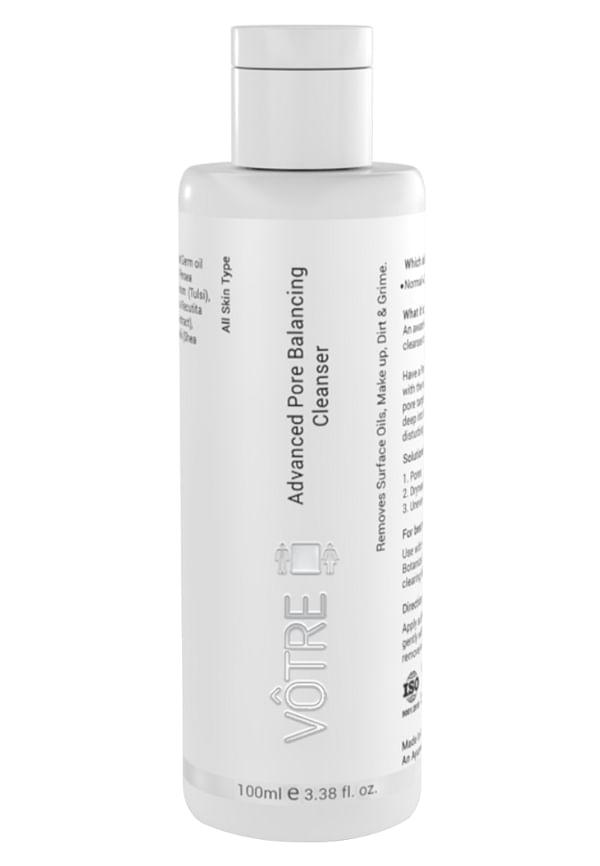 100 ml
Advanced Pore Balancing Cleansor
This is where things get really interesting. Your combination skin serum strategy should be as personalised as your playlist. Different areas need different active ingredients, and that's perfectly fine.
Apply this wonder ingredient to your T-zone to help regulate oil production and minimise pores. It's gentle enough for daily use.
Your cheeks will absolutely love this moisture magnet. Apply it to damp skin for maximum hydration benefits.
You can use vitamin C all over, but be mindful of concentration. Your T-zone might handle higher percentages better than your cheeks.
Start with lower concentrations on your entire face, then gradually increase frequency on your T-zone if needed. Your cheeks might prefer to stay at a lower frequency.
Here's where the magic really happens. Your combination skin moisturiser approach should be as strategic as your serum game. The goal is giving each zone exactly what it needs without overwhelming or under-nourishing any area.
Gel-based or water-based moisturisers work brilliantly here. Look for ingredients like hyaluronic acid or glycerin that hydrate without adding heaviness.
Your cheek area can handle—and often needs—something more substantial. Creams with ceramides, peptides, or squalane will keep this area happy and hydrated.
Yes, using two different moisturisers on one face is totally normal for combination skin. Apply the lighter one to your T-zone first, then the richer formula to your cheeks.
Sun protection is non-negotiable, but finding the right formula for skincare for combination skin can be tricky. You need something that protects without making your T-zone look like an oil slick or leaving your cheeks feeling tight.
Look for sunscreens specifically labelled as non-comedogenic. These won't clog your pores or contribute to breakouts in your T-zone.
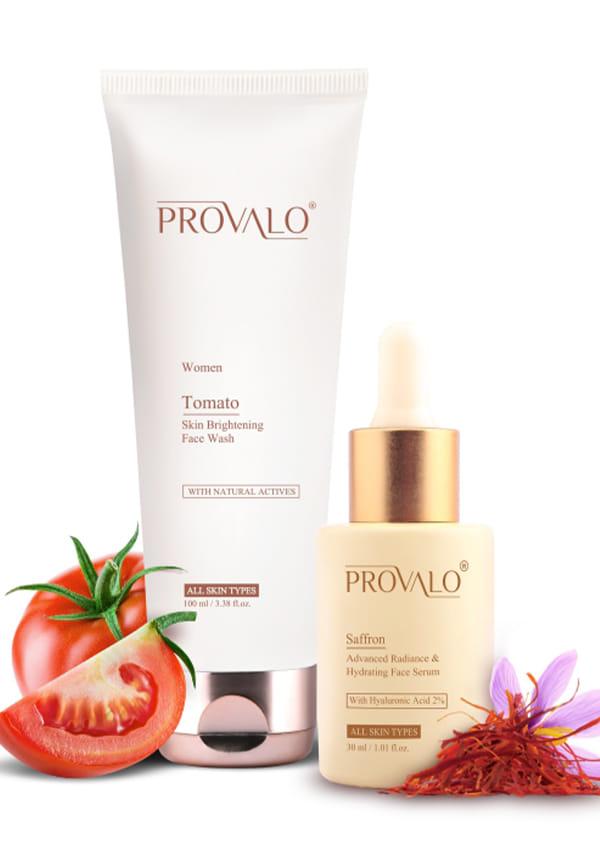 130 ml
Ultimate Radiance Combo (Women)
Mineral sunscreens (zinc oxide, titanium dioxide) tend to be gentler and less likely to irritate sensitive cheek areas. Chemical sunscreens can work well too, just patch test first.
Apply evenly across your entire face, but you might want to use a slightly lighter hand on your T-zone if you're prone to greasiness.
Weekly treatments are where you can really target specific concerns. This is your chance to give your combination skin treatment routine that extra boost it needs.
Use clay masks 1-2 times weekly on your T-zone only. They'll help absorb excess oil and deep-clean pores without affecting your drier areas.
Sheet masks or cream masks with hyaluronic acid, ceramides, or honey work beautifully on your cheek area.
Apply different masks to different zones simultaneously. It might look a bit mad, but your skin will thank you for the targeted treatment.
Your skincare routine is just one piece of the puzzle. Your lifestyle choices can significantly impact how your combination skin behaves, making this an essential part of understanding how to treat combination skin holistically.
Foods high in sugar and dairy can trigger oil production in your T-zone. Meanwhile, omega-3 rich foods and antioxidants can help balance your skin overall.
Stress hormones can wreak havoc on combination skin, often making your T-zone oilier and your cheeks more sensitive. Regular exercise, meditation, or whatever helps you unwind can make a real difference.
Your skin repairs itself overnight, so quality sleep is crucial for maintaining that balance between your different zones.
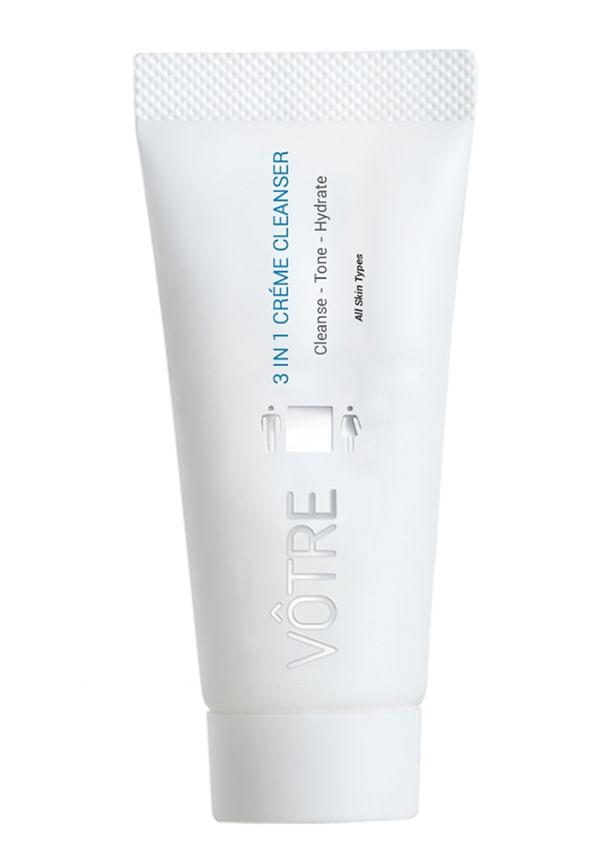 30 gm
30 gm3 In 1 Cleansor
Air conditioning, heating, and seasonal changes all affect combination skin differently. You might need to adjust your routine as the weather changes.
Finding the right products for your combination skin doesn't have to break the bank or involve endless trial and error. Smytten offers curated trial packs from over 1,500 trusted brands, letting you test different combination skin care products before committing to full sizes. With options from brands like Cetaphil and Dot & Key, you can discover what works for your unique skin needs without the usual purchase pressure.
Now that you've got all the pro tips, let's put together your best routine combination skin strategy. Remember, consistency is more important than perfection, so start with the basics and build from there.
Start with a gentle cleanser, apply your targeted serums (niacinamide on T-zone, hyaluronic acid on cheeks), follow with appropriate moisturisers for each zone, and finish with broad-spectrum SPF. Keep it simple but effective.
Double cleanse if you've worn makeup or sunscreen, apply your evening serums (perhaps retinol 2-3 times weekly), use your zone-specific moisturisers, and don't forget a good eye cream.
Incorporate exfoliation 2-3 times weekly for your T-zone and 1-2 times for your cheeks. Add in your targeted masks as needed.
The most effective approach is zone-specific care using gentle, pH-balanced cleansers, targeted serums like niacinamide for oily areas and hyaluronic acid for dry zones, appropriate moisturisers for each area, and consistent but not excessive exfoliation.
Steer clear of harsh, stripping cleansers, alcohol-based toners, over-exfoliation, using the same heavy products on your entire face, and skipping moisturiser on oily areas thinking it will help control oil.
Combination skin is both—you typically have an oily T-zone (forehead, nose, chin) with normal to dry cheeks. The key is recognising this mixed pattern and treating each zone according to its specific needs.
You'll typically notice initial improvements within 4-6 weeks of consistent use. Significant changes usually become apparent around the 3-month mark, though this can vary based on your specific skin concerns and the products you're using.
Mastering combination skin isn't about finding one miracle product—it's about understanding that your skin has different needs in different areas and responding accordingly. These combination skin routine tips might seem like more work initially, but once you get into the rhythm, it becomes second nature.
The beauty of having combination skin is that you get to be a bit of a skincare scientist, customising your approach and really understanding what works. With platforms like Smytten, you can explore different products and brands without the commitment, making it easier to build your perfect routine. After all, why settle for maybe when you can try it all and find exactly what your unique skin needs?
Remember, your skin might change with seasons, stress, or hormones, so stay flexible and adjust your routine as needed. The goal isn't perfection—it's finding what makes your skin feel balanced, healthy, and happy.
