7 Pro Tips for Managing Combination Skin Care


Let's be real—managing combination skin feels like trying to solve a puzzle where half the pieces don't match. One minute your T-zone is producing enough oil to fry chips, and the next, your cheeks are drier than yesterday's toast. If you've been struggling to find that sweet spot between oily and dry skin, you're definitely not alone. The good news? With the right approach and some clever zone-specific tricks, balancing skin becomes way less complicated than it seems. Here are seven pro tips that'll help you master your combination skin care routine and finally achieve that balanced, healthy glow you've been after.
Before diving into the tips, it's worth understanding what makes your skin type so unique. Combination skin isn't just about having different areas that behave differently—it's about recognising that your face has distinct zones with their own needs and quirks.
Combination skin typically features an oily T-zone (forehead, nose, and chin) paired with normal to dry cheeks. This happens because your T-zone has more sebaceous glands, which naturally produce more oil. Meanwhile, your cheek area might struggle with skin hydration, especially during colder months. The key misconception? Thinking you need to treat your entire face the same way. Spoiler alert: you absolutely don't.
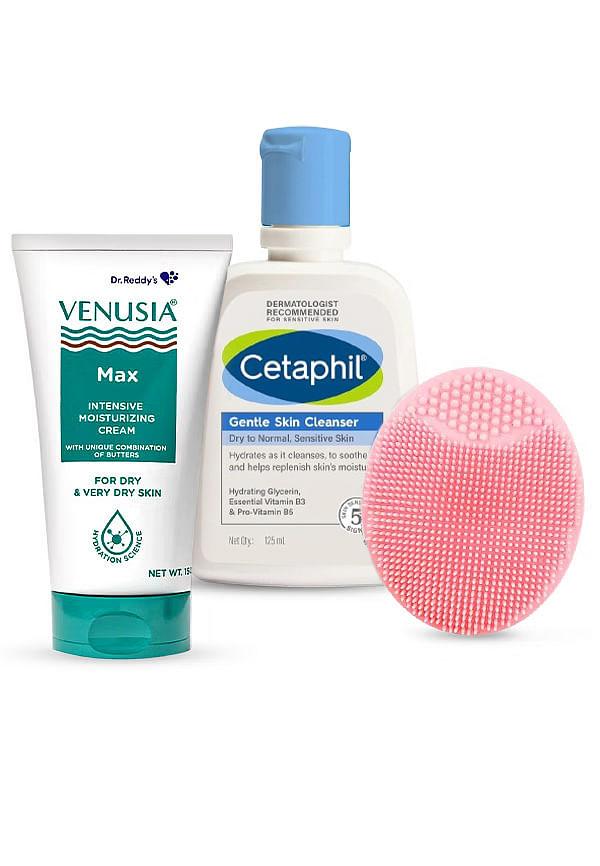 Combo
ComboUltimate Hydration & Cleansing Duo
If you're still unsure about your skin type, here are the telltale signs. Your T-zone gets shiny by midday, while your cheeks feel tight after cleansing. You might notice blemishes primarily around your nose and forehead, but rarely on your cheeks. Seasonal changes hit differently too—winter makes your cheeks even drier, while summer turns your T-zone into an oil slick.
The foundation of any solid skincare routine starts with proper cleansing, but combination skin needs a more strategic approach. Think of it as customising your cleanse rather than using a one-size-fits-all method.
Look for a gentle, sulfate-free facial cleanser that won't strip your skin's natural barrier. Gel cleansers work brilliantly for combination skin because they're effective at removing excess oil without being too harsh on drier areas. Avoid anything with alcohol or strong fragrances—these can irritate both oily and dry zones. A pH-balanced cleanser (around 5.5) helps maintain your skin's natural acid mantle, which is crucial for overall skin health.
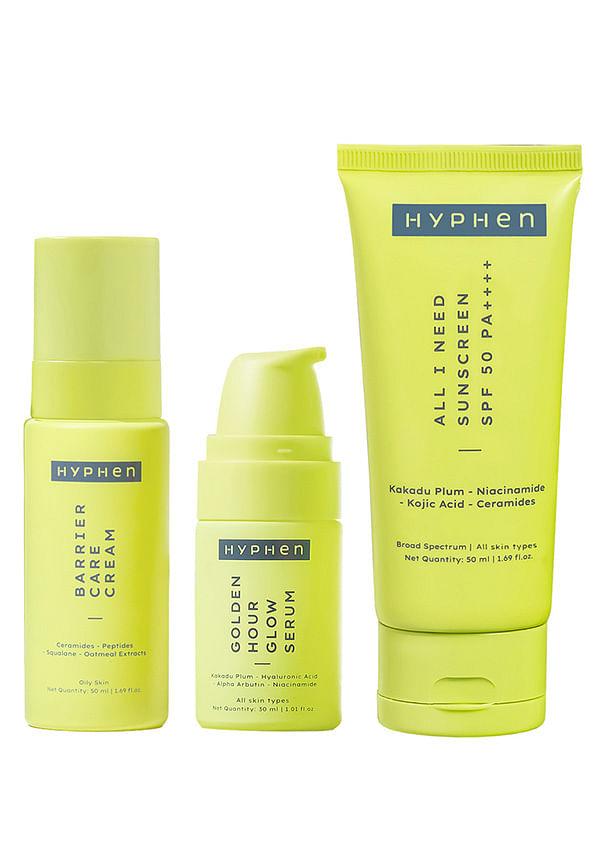 130 ml
Skincare Routine for Oily & Combination Skin
Here's where it gets clever: spend a bit more time massaging your T-zone where oil and blemishes tend to accumulate, but be gentler on your cheeks. Use lukewarm water—hot water strips natural oils, while cold water doesn't effectively remove impurities. In the evening, consider double cleansing if you wear makeup or sunscreen, starting with an oil-based cleanser followed by your regular gel cleanser.
Toner often gets overlooked, but for combination skin, it's actually a game-changer. The right toner for combination skin can help balance your skin's pH and prep it for the products that follow.
Skip alcohol-based toners—they're too harsh and can actually trigger more oil production in your T-zone while drying out your cheeks. Instead, look for hydrating ingredients like hyaluronic acid, aloe vera, or glycerin. Niacinamide is particularly brilliant for combination skin care because it helps regulate oil production while strengthening the skin barrier. Rose water or chamomile-based toners can also provide gentle hydration without heaviness.
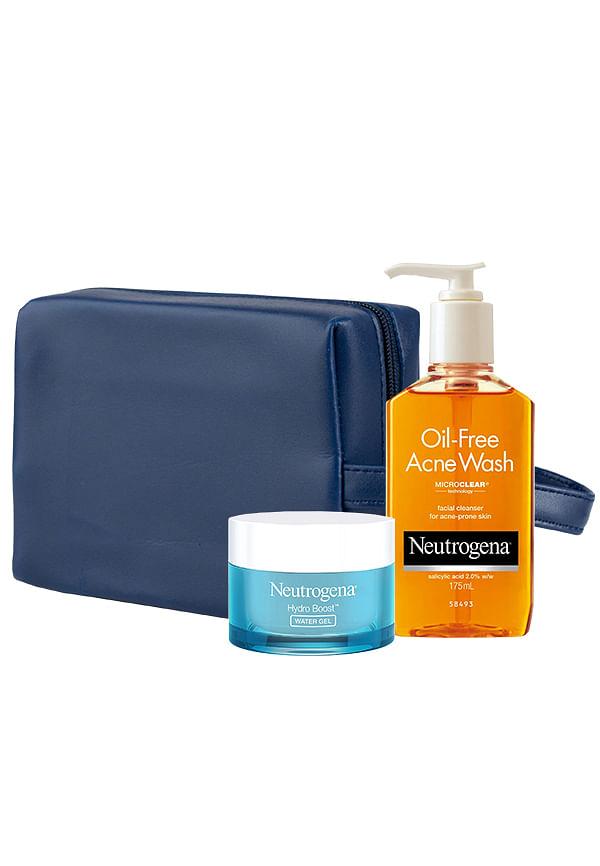 Combo
ComboOily Skin Saviours Kit
You can apply toner all over your face, but consider using a bit more on drier areas and less on your oily T-zone. Pat it in with your hands or use a cotton pad—both work fine, though patting tends to be more gentle. Wait about 30 seconds before applying your next product to let the toner fully absorb.
This is where many people with combination skin go wrong—they either skip moisturiser on oily areas or use the same amount everywhere. Smart moisturising is all about giving each zone what it actually needs.
Look for a lightweight, non-comedogenic moisturiser that won't clog pores. Gel-based or water-based formulas work well because they provide hydration without adding excess oil. Ingredients like hyaluronic acid, ceramides, and niacinamide are your friends here. Avoid heavy creams with lots of oils—save those for your evening routine on particularly dry areas only.
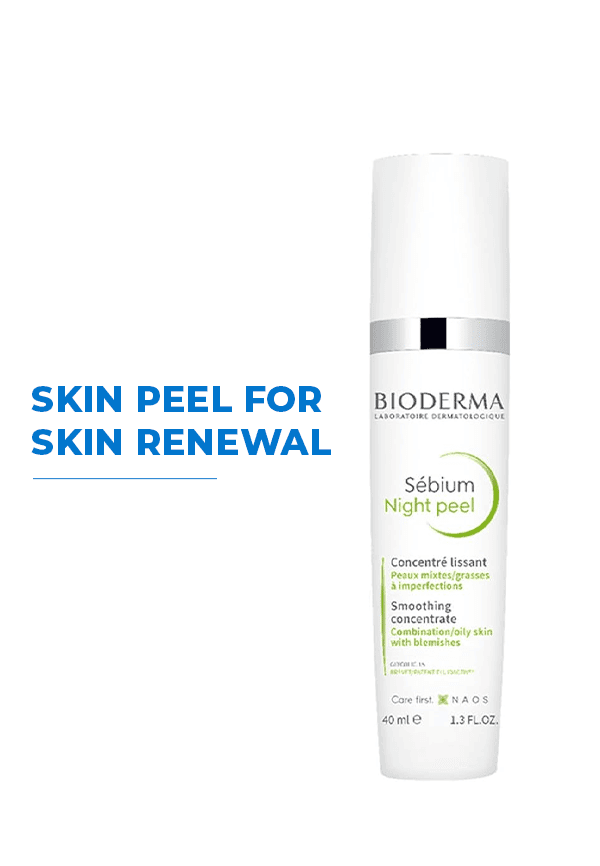 40 ml
40 mlSebium Night Peel Smoothing Concentrate Oily/Combination Skin with Blemishes
Here's the secret: use more moisturiser on your cheeks and less on your T-zone. Your cheeks might need a proper layer, while your oily areas might only need a light pat. During winter, you might need to adjust this balance, using slightly more product overall but still keeping the T-zone application light. Pay attention to how your skin feels throughout the day and adjust accordingly.
Exfoliation is crucial for managing combination skin, but it requires a thoughtful approach. Over-exfoliating can worsen both oily and dry areas, while under-exfoliating can lead to clogged pores and dull skin.
Chemical exfoliants are generally better for combination skin than physical scrubs. BHAs (like salicylic acid) work brilliantly on oily areas because they can penetrate pores and help with blemishes. AHAs (like glycolic or lactic acid) are gentler and work well on dry areas to remove dead skin cells and improve skin hydration. You can even use different exfoliants on different zones if needed.
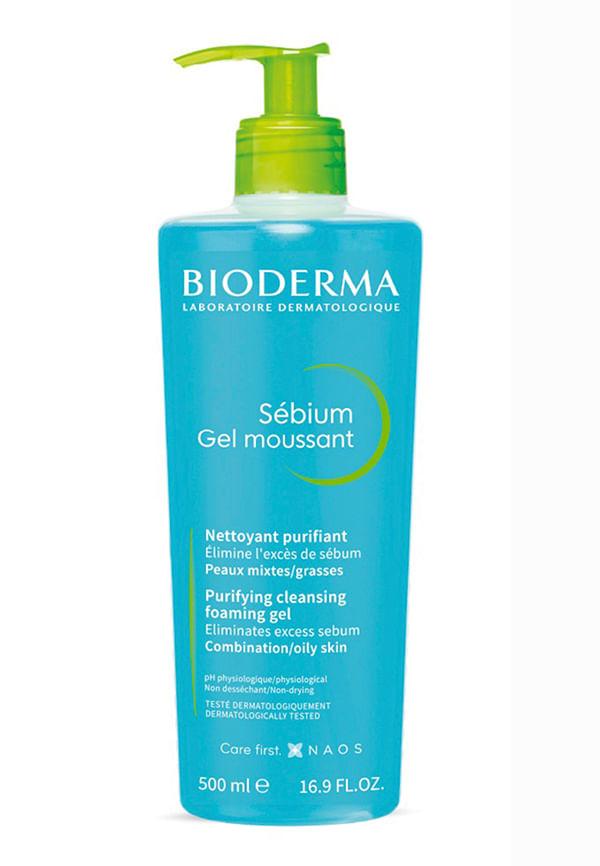 500 ml
Sebium Gel Moussant Purifying Cleansing Foaming Gel Combination/Oily Skin 500 ml
Start with exfoliating once or twice a week and see how your skin responds. You might find your T-zone can handle more frequent exfoliation than your cheeks. Always follow up with a good moisturiser and never exfoliate on consecutive days. If you notice any irritation, scale back immediately.
Serums are where you can really customise your combination skin care routine. They're concentrated treatments that can address specific concerns in different areas of your face.
Niacinamide is fantastic for combination skin because it helps control oil production while strengthening the skin barrier. Hyaluronic acid provides lightweight hydration that works well all over. Vitamin C is great for overall skin health and can help with any post-blemish marks. For oily areas prone to breakouts, a gentle salicylic acid serum can work wonders.
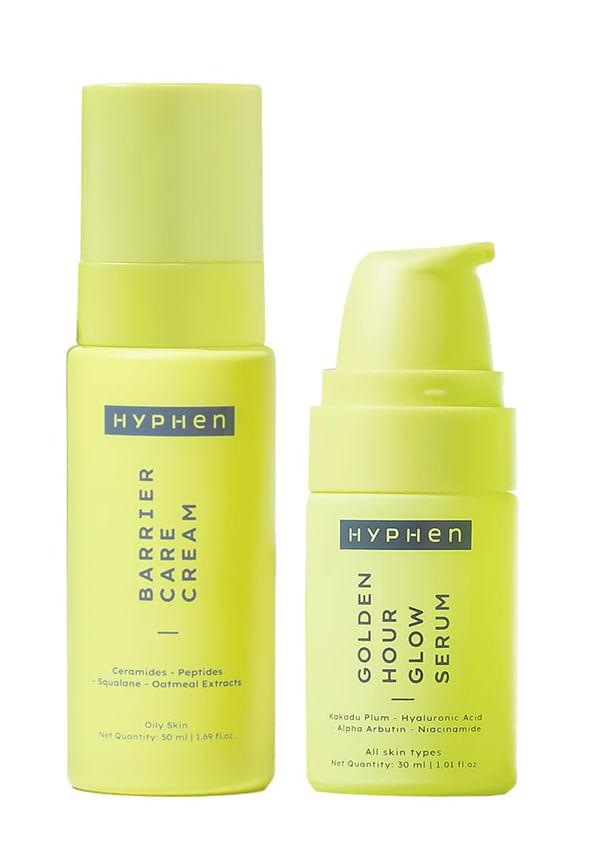 80 ml
80 mlDaily Night-Care Routine for Oily & Combination Skin with Face Serum & Barrier Care Cream
Apply serums from thinnest to thickest consistency. You can absolutely use different serums on different areas of your face—there's no rule saying you have to apply everything everywhere. For example, you might use a hydrating serum on your cheeks and a oil-controlling serum on your T-zone. Just make sure to let each layer absorb before applying the next.
Sunscreen is non-negotiable, but finding one that works with combination skin can be tricky. The key is finding a formula that protects without making oily areas greasier or dry areas tighter.
Look for broad-spectrum SPF 30 or higher in a lightweight, non-comedogenic formula. Mineral sunscreens with zinc oxide or titanium dioxide can be great for sensitive combination skin. Some sunscreens are specifically formulated for combination skin types and offer different benefits—mattifying for oily areas while hydrating drier zones.
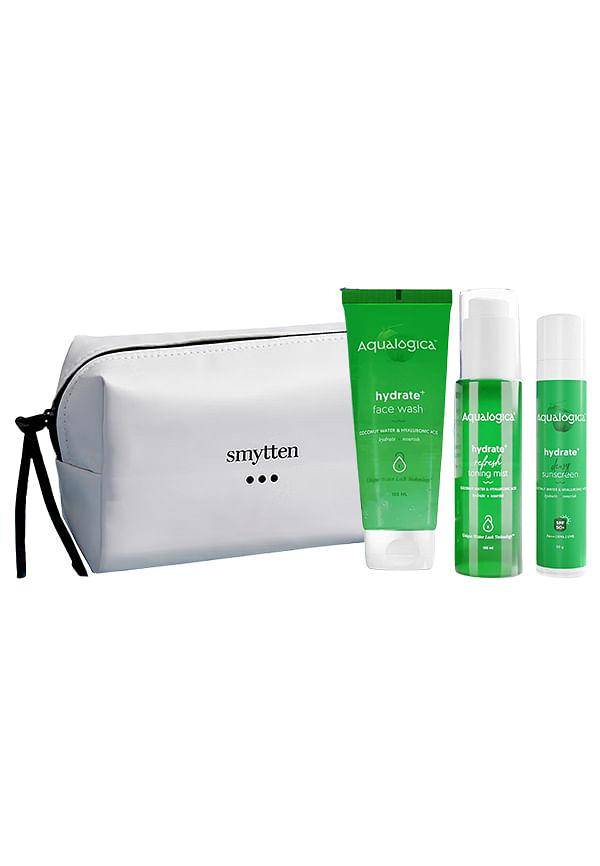 Combo
ComboHydrate & Nourish Kit
Apply sunscreen generously but pay attention to how much you're using in different areas. Your T-zone might need a thinner layer to avoid looking greasy, while your cheeks can handle a more generous application. For reapplication throughout the day, consider using a powder sunscreen on oily areas and a cream formula on drier areas.
Your skincare routine is important, but lifestyle factors play a huge role in managing combination skin too. Small changes can make a big difference in achieving that balanced, healthy glow.
Staying properly hydrated helps maintain skin hydration from the inside out. Foods rich in omega-3 fatty acids, antioxidants, and vitamins can support overall skin health. Try to limit dairy and high-glycemic foods if you notice they trigger breakouts in your oily zones. Remember, what works for one person might not work for another, so pay attention to how your skin responds to different foods.
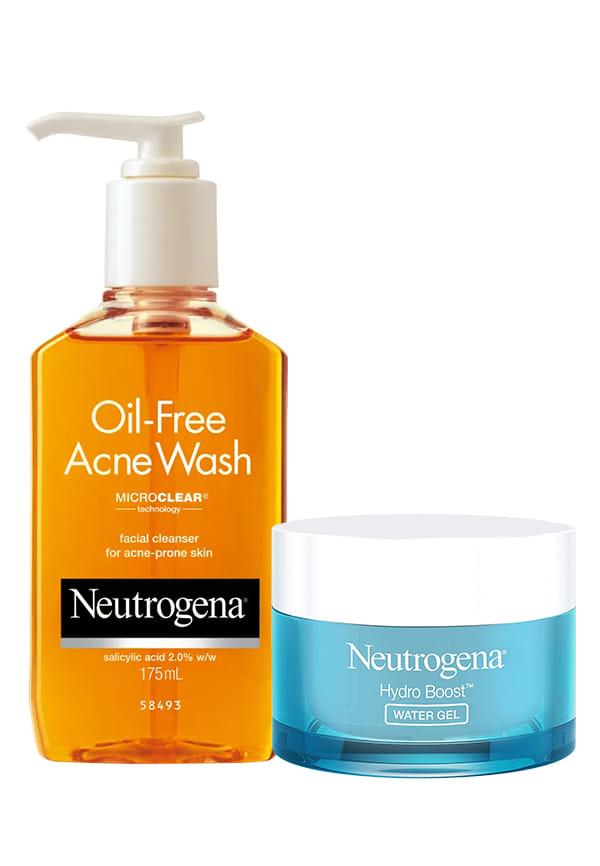 Combo
ComboOil Clear & Hydrate Combo
Stress can trigger increased oil production, making your T-zone even oilier while potentially affecting your skin's ability to retain moisture in drier areas. Aim for 7-9 hours of quality sleep, as this is when your skin does most of its repair work. Regular exercise can also help improve circulation and overall skin health, just make sure to cleanse properly afterwards.
Even with the best intentions, it's easy to make mistakes when managing combination skin. Here are the most common pitfalls to watch out for.
Over-cleansing your oily areas can actually trigger more oil production as your skin tries to compensate. Similarly, skipping moisturiser on oily zones can lead to dehydration, which can make your skin produce even more oil. Avoid harsh, alcohol-based products that strip your skin's natural barrier—these can worsen both oily and dry areas.
Inconsistency is probably the biggest mistake people make. Your skin needs time to adjust to new products, so give any new routine at least 4-6 weeks before deciding if it's working. Changing products too frequently can irritate your skin and make it harder to identify what's actually helping. Also, don't ignore seasonal changes—your skin's needs will shift throughout the year. When it comes to finding the right products for your combination skin care routine, having the option to try before you commit can be a total game-changer. Smytten makes this possible by offering curated trial packs from over 1,500 trusted brands, letting you discover what works for your unique skin type without the risk of full-size purchases that might not suit you.
Twice daily is usually perfect—once in the morning and once in the evening. Over-cleansing can disrupt your skin's natural balance and potentially make both oily and dry areas worse.
Absolutely! This is actually one of the best strategies for combination skin. You might use a lightweight gel moisturiser on your T-zone and a more hydrating cream on your cheeks.
Use targeted spot treatments with ingredients like salicylic acid or benzoyl peroxide only on the affected areas. Avoid applying acne treatments to your entire face, as this can over-dry your cheeks.
Your skin should feel balanced—not too oily or too tight. You should notice fewer breakouts in your T-zone and improved hydration in your cheek area. Give any new routine 4-6 weeks to see real results.
Yes, your combination skin's needs will change with the weather. You might need more hydrating products in winter and lighter, more oil-controlling products in summer.
Managing combination skin doesn't have to feel like an impossible balancing act. The key is understanding that different areas of your face have different needs and tailoring your approach accordingly. Start with gentle, well-formulated products and pay attention to how your skin responds. Remember, consistency is more important than perfection—it's better to stick with a simple routine that works than to constantly switch products. With over 25 million users trusting Smytten's trial approach, you can explore different skincare options risk-free until you find your perfect combination skin care routine. After all, why settle for 'maybe' when you can try it all and find what truly works for your unique skin type?
