7 Pro Tips for Managing Acne Prone Skin for Men


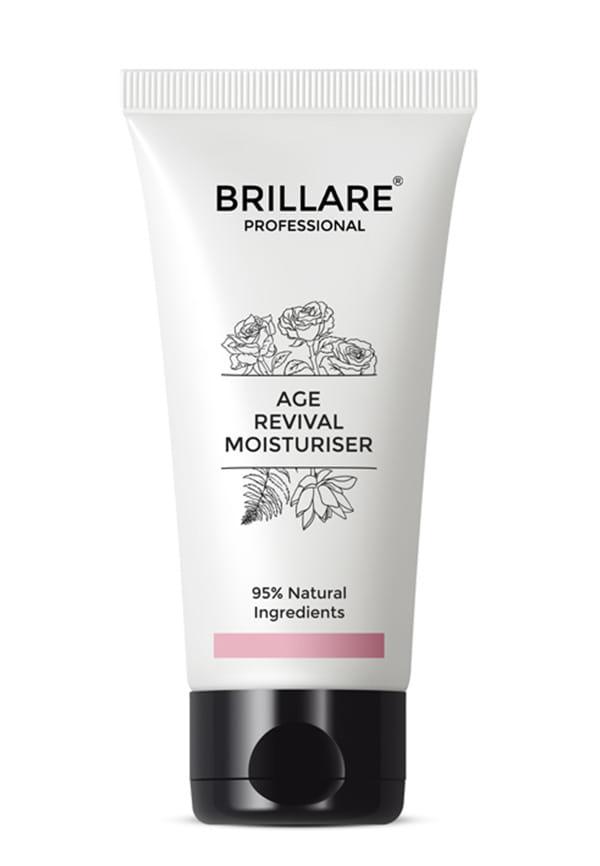 50 gm
50 gmOil Away Moisturiser For Oily, Acne Prone Skin
Let's be real—dealing with acne prone skin for men can feel like fighting an uphill battle. Between work stress, gym sessions, and daily shaving, your skin faces constant challenges that can trigger breakouts. But here's the thing: managing acne doesn't have to be complicated or expensive. With the right approach and consistent habits, you can achieve clearer, healthier skin that actually stays that way. Whether you're dealing with occasional breakouts or persistent blemishes, these seven pro tips will help you build a routine that works for your lifestyle and skin type.
Men's skin isn't just a thicker version of women's skin—it's fundamentally different in ways that directly impact how acne develops and spreads. Understanding these differences is your first step towards creating an effective men's skincare routine that actually works. Testosterone plays a major role in sebum production, which is why men typically produce 25% more oil than women. This excess oil, combined with thicker skin that's about 20% denser, creates the perfect environment for clogged pores and bacterial growth. Add daily shaving, which can irritate already sensitive skin and spread bacteria, and you've got a recipe for persistent breakouts.
Your daily routine might be sabotaging your skin without you realising it. Sweating during workouts, using the wrong shaving products, or even touching your face throughout the day can all contribute to breakouts. Male grooming acne is particularly common because many traditional grooming products contain heavy oils or fragrances that clog pores. Stress from work or personal life also triggers cortisol production, which can worsen existing acne and slow down healing. This is why many men notice their skin gets worse during particularly busy or stressful periods.
Building an effective routine doesn't mean buying dozens of products or spending hours in front of the mirror. The key is consistency with the right basics: cleanse, treat, and moisturise. This three-step foundation addresses the core issues that cause acne whilst keeping your routine simple enough to stick with long-term. Your morning routine should focus on removing overnight oil buildup and protecting your skin for the day ahead. Start with a gentle cleanser, apply any treatment products, and finish with a lightweight moisturiser that includes SPF. Evening routines can be slightly more intensive, focusing on removing the day's dirt, oil, and environmental pollutants.
Not all cleansers are created equal when it comes to acne treatment for men. Look for gel-based formulas containing salicylic acid (2%) or benzoyl peroxide (2.5-5%). Salicylic acid penetrates pores to dissolve oil and dead skin cells, whilst benzoyl peroxide kills acne-causing bacteria. Avoid harsh scrubs or cleansers with large exfoliating beads—these can actually worsen acne by creating micro-tears in the skin and spreading bacteria. Instead, opt for a facial cleanser for men with gentle chemical exfoliants like glycolic acid.
The biggest mistake men make is going overboard when they see a breakout. Using multiple strong products at once or washing your face five times a day will only irritate your skin and potentially make acne worse. Stick to your routine for at least 6-8 weeks before making major changes—your skin needs time to adjust and show real results.
Not all acne-prone skin is the same, and what works for your mate might not work for you. Understanding your specific skin type helps you choose products that address your particular concerns without causing additional problems. If you have oily skin, you'll want to focus on controlling excess sebum production whilst avoiding products that strip your skin completely. Combination skin requires a more targeted approach, treating different areas of your face with different products. Sensitive skin men need gentler formulations that won't cause irritation or redness.
For oily skin solutions men can rely on, look for products containing niacinamide, which helps regulate oil production without over-drying. Clay masks once or twice a week can help absorb excess oil and unclog pores. Zinc oxide-based products also help control shine whilst providing antibacterial benefits. Avoid alcohol-based toners or astringents, which might seem like they're helping by removing oil but actually trigger your skin to produce even more sebum to compensate.
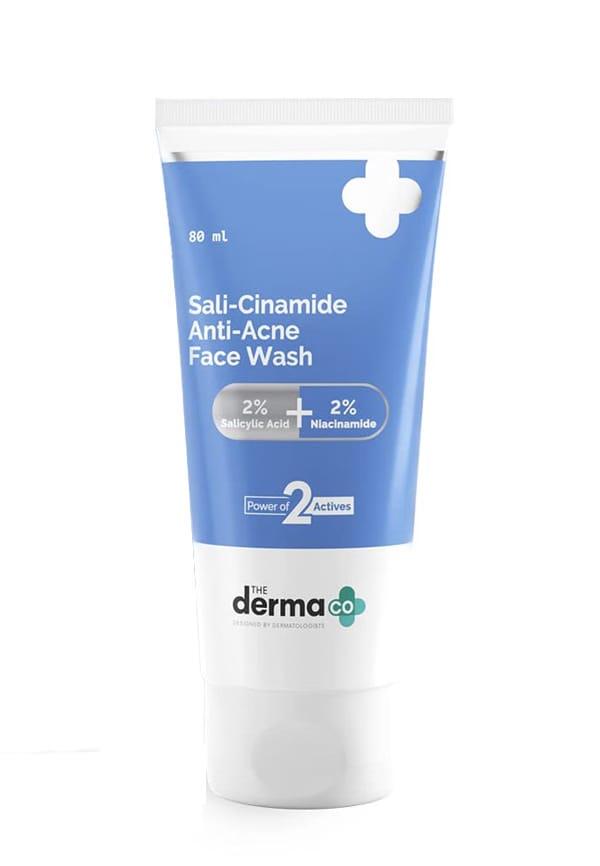 80 ml
80 ml2% Sali Cinamide Anti Acne Face Wash
If you have sensitive skin, start with fragrance-free, hypoallergenic products and introduce new treatments slowly. Always patch test new products on a small area of skin before applying to your entire face. Look for products labelled as suitable for sensitive skin and avoid common irritants like alcohol, menthol, or strong fragrances.
Understanding product labels can save you from accidentally making your acne worse. Non comedogenic moisturizer men should look for won't clog pores, but not all products labelled this way are created equal. "Non-comedogenic" means the product has been tested and shown not to clog pores in laboratory conditions. However, everyone's skin is different, so a product that doesn't cause breakouts for most people might still cause problems for you. This is why it's important to introduce new products gradually and monitor how your skin responds.
For blemish control men can trust, water-based products are generally safer for acne-prone skin. These formulations provide hydration without adding excess oil that could clog pores. Look for ingredients like hyaluronic acid, which draws moisture from the environment to hydrate your skin without feeling heavy or greasy. Oil-based products aren't automatically bad for acne-prone skin, but you need to choose the right oils. Jojoba oil and squalane are less likely to cause breakouts than heavier oils like coconut or olive oil.
Avoid products containing comedogenic ingredients like coconut oil, wheat germ oil, or heavy silicones. These ingredients can sit on top of your skin and block pores, leading to blackheads and whiteheads. Instead, look for lightweight, fast-absorbing formulations that won't leave a residue.
Preventing acne scars men commonly develop is much easier than treating them after they form. The key is avoiding the temptation to pick, squeeze, or pop pimples, which can push bacteria deeper into the skin and cause permanent scarring. When you do get a breakout, resist touching it and let your treatment products do their work. If you absolutely must extract a whitehead, do it properly with clean hands and tools, and only when the pimple has come to a clear head.
Men typically develop three types of acne scars: ice pick scars (deep, narrow indentations), boxcar scars (wider, angular depressions), and rolling scars (wave-like undulations). Post-inflammatory hyperpigmentation, which appears as dark spots after breakouts heal, is also common and can take months to fade naturally.
Vitamin C serums can help prevent dark spots and promote healing, whilst retinoids encourage cell turnover to fade existing marks. Always use SPF during the day when using these ingredients, as they can make your skin more sensitive to sun damage. For fresh breakouts, applying a spot treatment containing benzoyl peroxide or salicylic acid can help reduce inflammation and speed healing, reducing the likelihood of scarring.
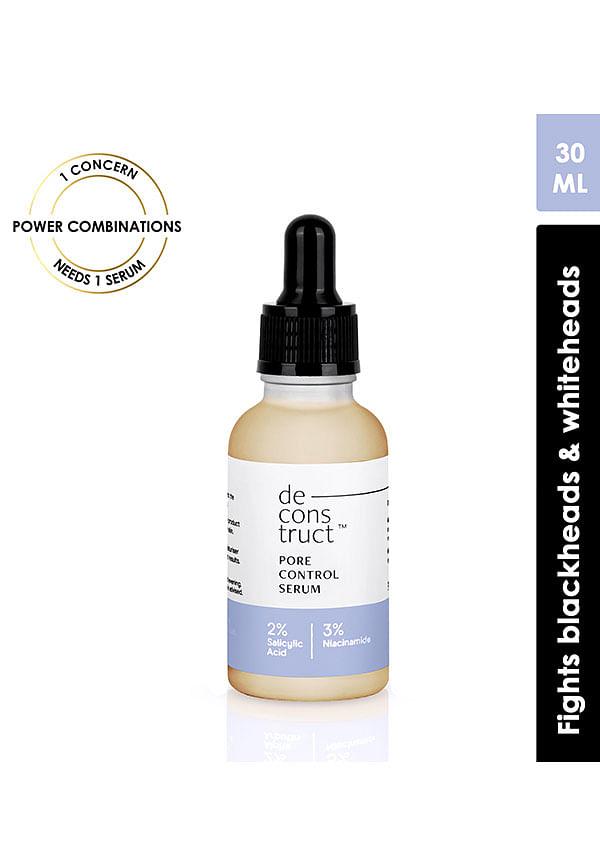 30 ml
30 mlPore Control Serum Salicylic Acid + Niacinamide Anti Acne Face Serum
Your skincare routine is only part of the equation when it comes to managing acne-prone skin. Daily habits, diet, exercise, and stress levels all play significant roles in how your skin looks and feels. Shaving is one of the biggest challenges for men with acne-prone skin. The friction and bacteria from razors can worsen existing breakouts and create new ones. Using a clean, sharp razor and proper shaving technique can minimise irritation and prevent the spread of bacteria.
Always shave after cleansing your face or taking a warm shower, when your hair is soft and your pores are open. Use a gentle, fragrance-free shaving cream or gel, and shave in the direction of hair growth to minimise irritation. Rinse your razor frequently during shaving and replace blades regularly. For men with particularly sensitive or acne-prone skin, electric razors might cause less irritation than manual ones, though this varies from person to person.
Whilst diet doesn't directly cause acne, certain foods might trigger breakouts in some people. High-glycemic foods and dairy products are common culprits, though the evidence is still evolving. Pay attention to how your skin responds to different foods and consider keeping a food diary if you notice patterns. Exercise is great for overall health and can actually improve acne by reducing stress and promoting healthy circulation. However, sweat and bacteria can clog pores if you don't cleanse properly after workouts. Always shower as soon as possible after exercising and change out of sweaty clothes promptly.
Whilst many cases of acne can be managed with over-the-counter products and lifestyle changes, some situations require professional intervention. If you've been consistent with a good routine for 8-12 weeks without seeing improvement, it might be time to consult a dermatologist. Signs that you need professional help include cystic acne (large, painful bumps under the skin), widespread breakouts that don't respond to treatment, or acne that's causing significant scarring or emotional distress.
Dermatologists have access to stronger treatments that aren't available over-the-counter, including prescription retinoids, antibiotics, and hormonal treatments. They can also perform professional procedures like chemical peels, extractions, and laser treatments for acne scars. Don't wait until your acne is severe to seek help—early intervention often leads to better results and can prevent scarring.
Before seeing a dermatologist, document your current routine, including all products you're using and how long you've been using them. Take photos of your skin in good lighting to track progress over time. Be honest about your lifestyle habits, including diet, stress levels, and how consistently you follow your skincare routine.
Managing acne-prone skin is a marathon, not a sprint. Most people see initial improvements within 4-6 weeks of starting a new routine, but significant results often take 3-4 months. Understanding this timeline helps you stay consistent even when you don't see immediate changes. Your skin will also change over time due to factors like age, stress, hormones, and environment. What works perfectly for you now might need adjusting in six months or a year. Stay flexible and be willing to modify your routine as needed.
Take weekly photos in consistent lighting to track your progress objectively. It's easy to focus on new breakouts and miss overall improvement, so having visual documentation helps you see the bigger picture. Keep notes about what products you're using, any changes to your routine, and external factors like stress or diet changes. This information becomes invaluable if you need to troubleshoot problems or discuss your skin with a dermatologist.
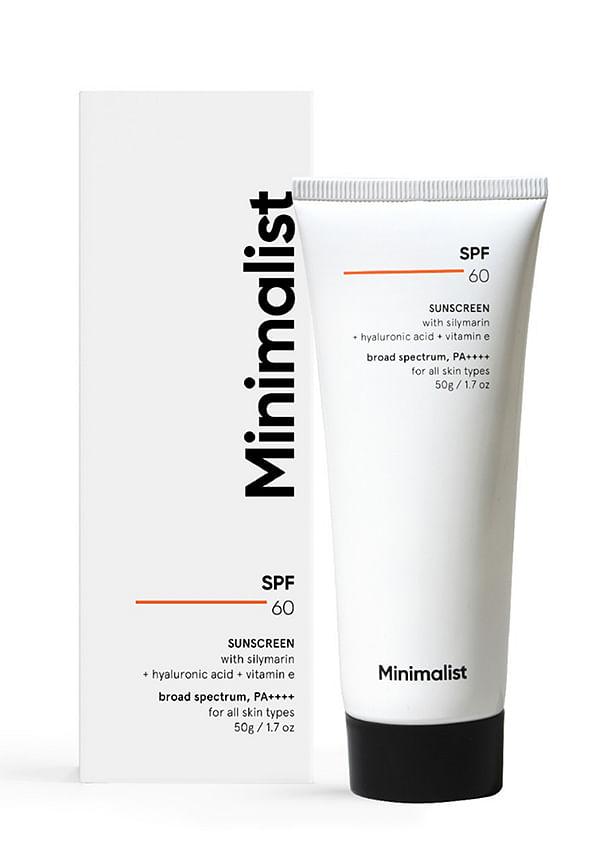 50 gm
50 gmSPF 60 PA ++++ Sunscreen With Antioxidant Silymarin,Senstive Skin & Acne
Your skin's needs change with the seasons—you might need a heavier moisturiser in winter or more oil control in summer. As you age, your skin typically becomes less oily, so you may need to adjust your routine accordingly. Stay open to trying new products and approaches, but make changes gradually and one at a time so you can identify what's working and what isn't. This is where platforms like Smytten become incredibly valuable for men managing acne-prone skin. Rather than committing to full-size products that might not work for your specific skin type, you can try curated trial packs from trusted brands. With access to over 1,500 brands including skincare specialists like Cetaphil and Dot & Key, you can experiment with different formulations and ingredients to find what works best for your skin. Getting up to 8 minis for just ₹249 with 100% cashback makes it affordable to test multiple products without the financial risk of buying full sizes that might end up unused.
Most people start seeing initial improvements within 4-6 weeks of consistent use, but significant results typically take 8-12 weeks. Your skin needs time to adjust to new products and complete its natural renewal cycle.
Yes, most acne-fighting ingredients work the same way regardless of gender. However, men might prefer different textures or formulations due to thicker skin and higher oil production.
Absolutely. Skipping moisturiser can actually make your skin produce more oil to compensate for dryness. Choose a lightweight, non-comedogenic moisturiser designed for oily or acne-prone skin.
Some people experience a "purging" period when starting new treatments, especially those containing retinoids or exfoliating acids. This typically lasts 2-4 weeks as your skin adjusts and pushes out existing clogs.
Yes, stress increases cortisol production, which can worsen existing acne and slow healing. Stress also often leads to habits like touching your face more frequently or neglecting your skincare routine.
Managing acne-prone skin as a man doesn't have to be complicated or expensive. The key is understanding your skin type, choosing the right products, and staying consistent with your routine. Remember that everyone's skin is different—what works for others might not work for you, and that's completely normal. Start with the basics: a gentle cleanser, appropriate treatment products, and a good moisturiser. Give your routine time to work, and don't be afraid to seek professional help if you need it. Most importantly, be patient with yourself and your skin. Clear, healthy skin is achievable with the right approach and realistic expectations. With platforms like Smytten, you can explore different products and brands without the commitment of full-size purchases, making it easier to find the perfect routine for your specific needs. After all, why settle for 'maybe' when you can try it all and find what actually works for your skin?
