7 Pro Tips for Clear Skin with Oily Skin Care Routine


Let's be real—dealing with oily skin can feel like a never-ending battle. One minute your face looks fresh, and the next, you could probably fry an egg on your T-zone. But here's the thing: achieving clear skin for oily skin isn't about stripping away every drop of oil or using the harshest products you can find. It's about understanding what your skin actually needs and giving it the right kind of care. Whether you're dealing with stubborn breakouts, enlarged pores, or that midday shine that could rival a disco ball, we've got seven game-changing tips that'll help you master your oily skin care routine. Ready to discover what actually works?
Before diving into solutions, let's chat about what's actually happening beneath the surface. Your skin produces oil (sebum) through tiny glands called sebaceous glands, and when these go into overdrive, you end up with that shiny, greasy feeling. But here's what's interesting—your skin might be producing excess oil for reasons you haven't considered.
Hormones play a massive role in oily skin care needs. During puberty, menstruation, or times of stress, hormone fluctuations can trigger your sebaceous glands to work overtime. Genetics also matter—if your parents dealt with oily skin, chances are you've inherited those overactive oil glands too.
Environmental factors can make things worse. Hot, humid weather, pollution, and even certain lifestyle choices can amp up oil production. But here's the kicker—many people trying to figure out how to reduce oily skin actually make it worse by over-cleansing or using products that are too harsh. When you strip your skin of its natural oils, it panics and produces even more oil to compensate. It's like your skin's way of saying, "Help, I'm under attack!"
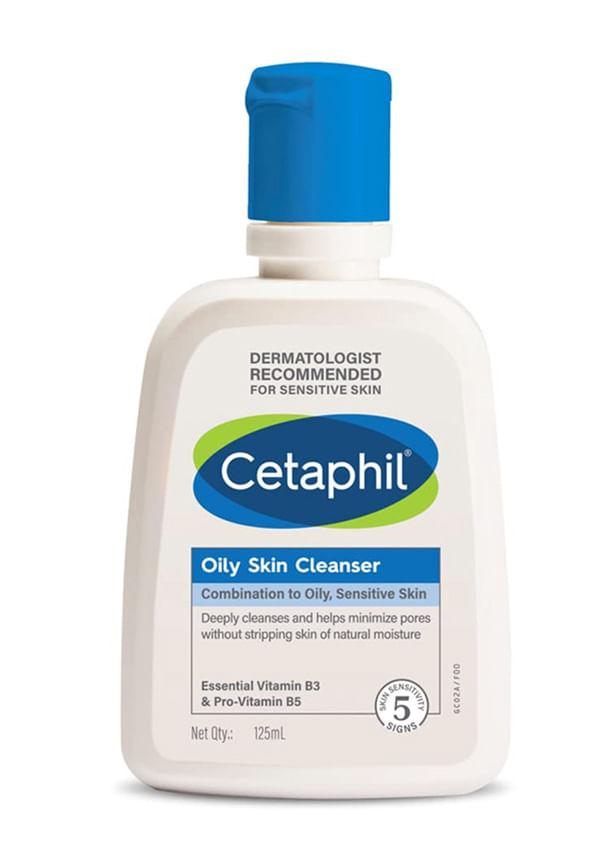 125 ml
Oily Skin Cleanser
If you're serious about achieving clear skin, the double cleanse method might just become your new best friend. This technique involves using two different types of cleansers to thoroughly remove everything from your skin without over-drying it.
Start with an oil-based cleanser or micellar water to break down makeup, sunscreen, and excess sebum. Yes, you read that right—oil cleansing for oily skin actually works because like dissolves like. Follow up with a water-based cleanser that's specifically formulated for oily skin types.
Look for gel or foaming cleansers with ingredients like salicylic acid or benzoyl peroxide. Salicylic acid is particularly brilliant because it's oil-soluble, meaning it can penetrate into your pores and clear out the gunk that's causing breakouts.
Your morning cleanse can be gentler—just a single water-based cleanser to remove overnight oil buildup. Save the double cleanse for evenings when you need to remove the day's accumulation of dirt, pollution, and products.
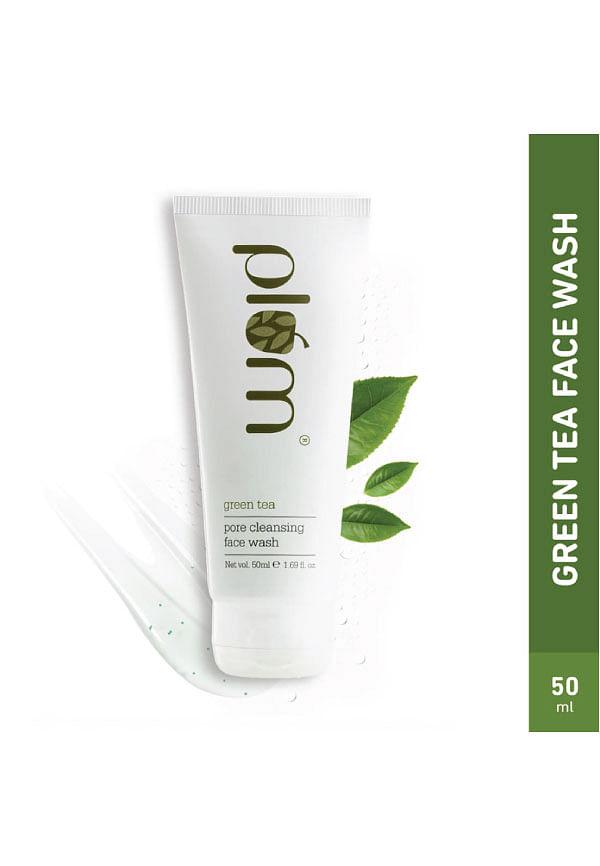 50 ml
50 mlGreen Tea Pore Cleansing Face Wash For Oily Skin
The term "non-comedogenic" gets thrown around a lot, but what does it actually mean? Simply put, these are products formulated to not clog your pores. For oily skin, this is crucial because clogged pores lead to blackheads, whiteheads, and those annoying breakouts that seem to appear overnight.
When building your skin care routine for oily skin, look for products with ingredients like niacinamide, which helps regulate oil production and minimise pore appearance. Hyaluronic acid is another winner—it provides hydration without adding oil or weight to your skin.
Avoid heavy oils like coconut oil or products with high concentrations of comedogenic ingredients. Instead, look for lightweight formulations that mention "oil-free" or "suitable for acne-prone skin."
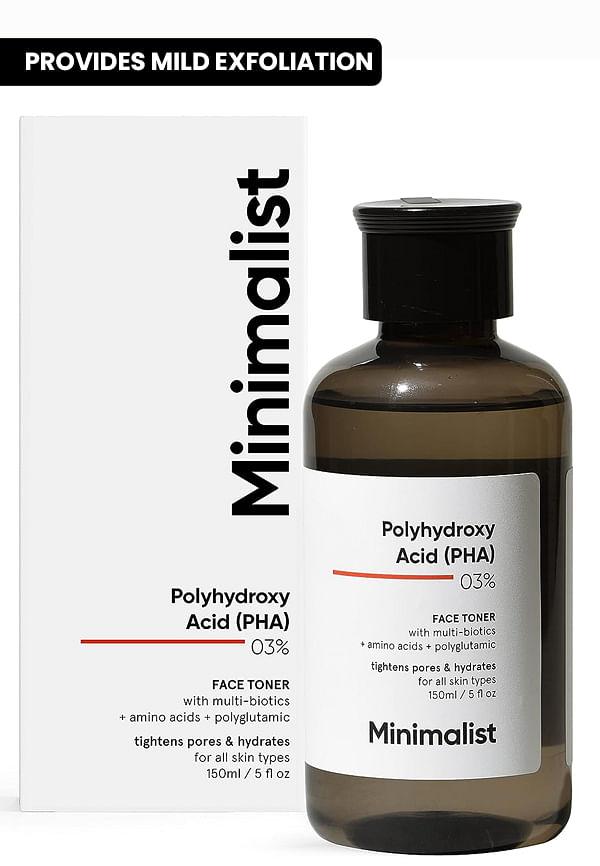 150 ml
3% Pha Face Toner For Oily Skin - Alcohol Free Toner
Apply products from thinnest to thickest consistency. Start with serums, then treatments, and finish with moisturiser. This ensures each product can penetrate properly without creating a barrier that traps oil and bacteria.
If you're dealing with large pores oily skin concerns, strategic exfoliation can be a game-changer. But before you reach for that grainy scrub, let's talk about doing this properly.
Chemical exfoliation is generally better for oily skin than physical scrubs. Beta-hydroxy acids (BHAs) like salicylic acid can penetrate oil and clear out pore-clogging debris. Alpha-hydroxy acids (AHAs) like glycolic acid work on the surface to smooth texture and brighten skin.
Start with 2-3 times per week and adjust based on how your skin responds. Over-exfoliation can actually trigger more oil production and cause irritation, so patience is key.
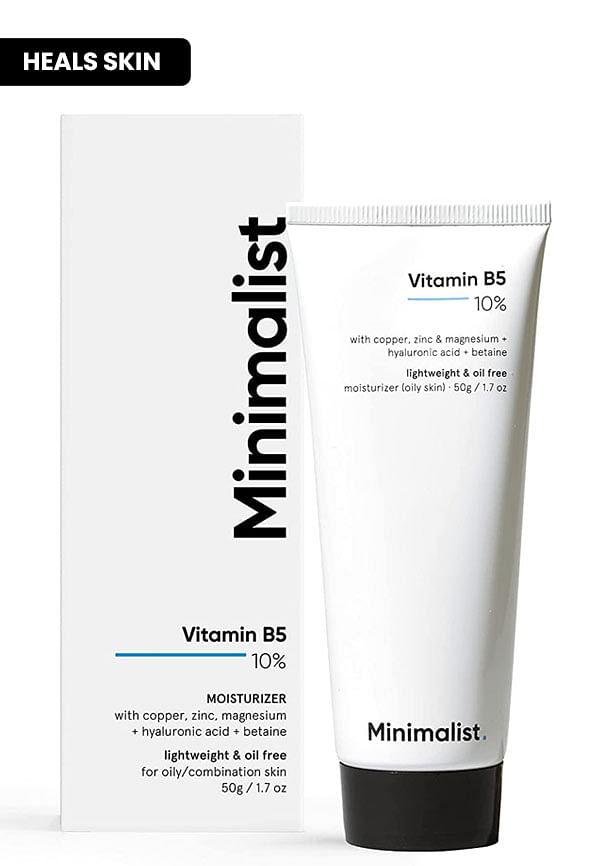 50 gm
50 gm10% Vitamin B5 Oil Free Moisturizer For Oily Skin
For acne treatment for oily skin, BHAs are particularly effective because they can work inside the pore where acne begins. This makes them excellent for both treating existing breakouts and preventing new ones.
Here's where many people get it wrong—thinking that oily skin doesn't need moisturiser. This is one of the biggest mistakes in oily skin care. When you skip moisturiser, your skin becomes dehydrated and compensates by producing even more oil.
The key is choosing the right type of moisturiser. Look for mattifying moisturizer for oily skin that provides hydration without adding shine or heaviness. Water-based formulations with ingredients like hyaluronic acid or glycerin are perfect because they hydrate without clogging pores.
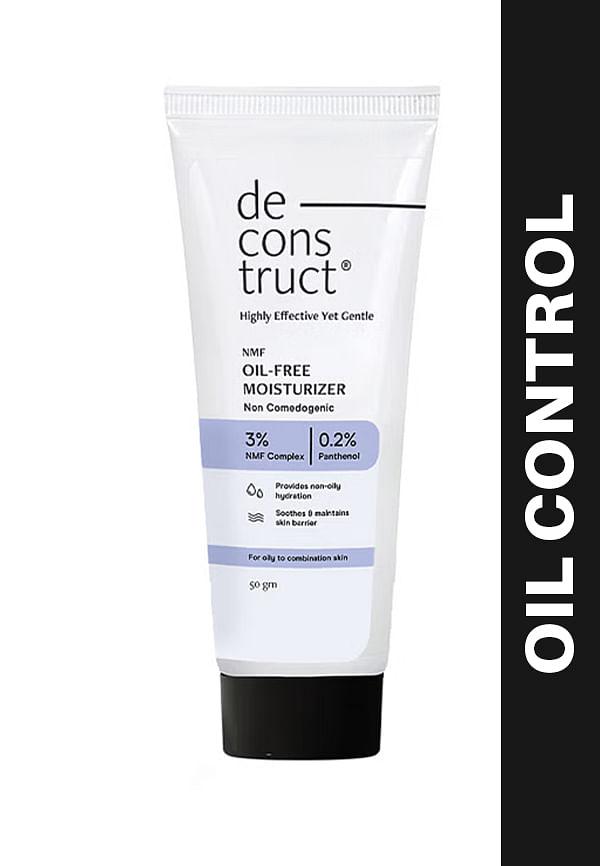 50 gm
50 gmOil-Free Moisturizer for Oily Skin - 3% NMF Complex + 0.2% Panthenol
Your daytime moisturiser should be lightweight and possibly include SPF. At night, you can use something slightly more nourishing, especially if you're using active ingredients that might cause dryness.
Understanding the difference is crucial. Hydration refers to water content in your skin, while moisture refers to oil content. Oily skin often lacks hydration, not moisture, which is why water-based products work so well.
Weekly treatments can give your oily skin care routine that extra boost it needs. Clay masks are particularly effective because they absorb excess oil and draw impurities from pores without over-drying your skin.
Kaolin clay is gentler and suitable for sensitive oily skin, while bentonite clay is more powerful for very oily skin types. Use these masks 1-2 times per week, focusing on your T-zone if you have combination skin.
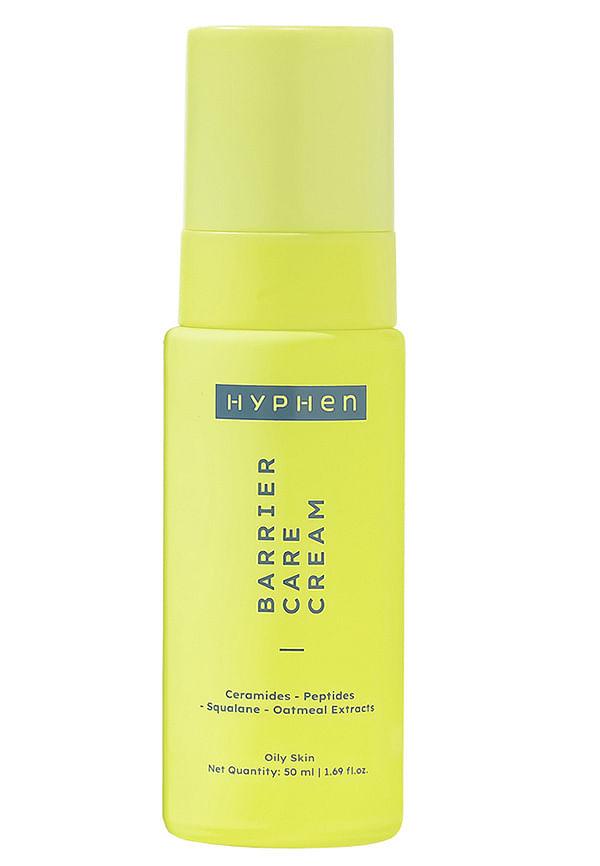 50 ml
50 mlBarrier Care Cream - Oily Skin
Some natural remedies for oily skin can be effective when used correctly. Honey has antibacterial properties and can help with breakouts, while oatmeal provides gentle exfoliation. However, be cautious with DIY treatments—not everything natural is suitable for your skin type.
Retinol can be brilliant for oily skin because it helps regulate cell turnover and can improve both acne and pore appearance. Start slowly—once or twice a week—and always use sunscreen during the day.
Managing oil throughout the day is crucial for maintaining clear skin for oily skin. Blotting papers are your friend—they remove excess oil without disturbing your makeup or skincare underneath. Avoid rubbing; just press gently and lift.
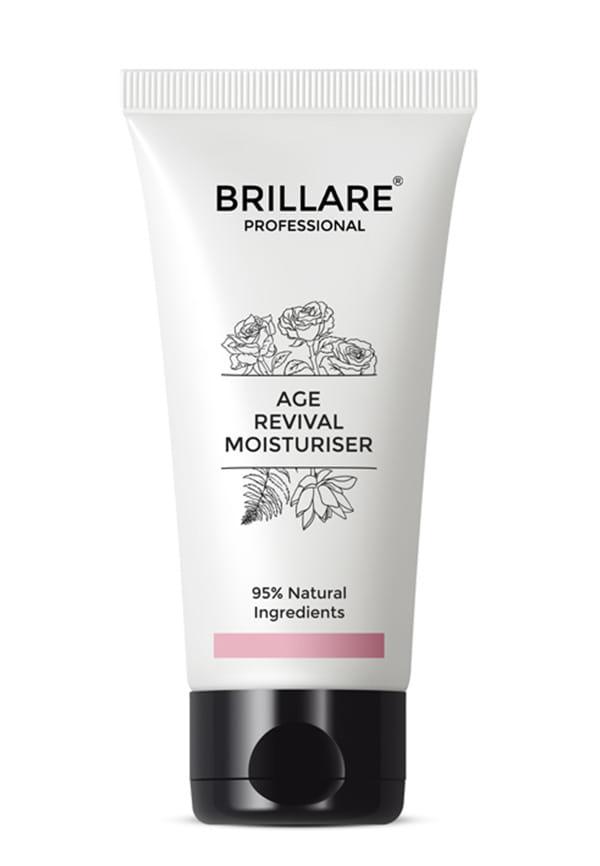 50 gm
50 gmOil Away Moisturiser For Oily, Acne Prone Skin
Sunscreen is non-negotiable, even for oily skin. Look for lightweight, non-comedogenic skincare formulations that won't add to your shine. Mineral sunscreens with zinc oxide can actually help control oil while protecting your skin.
Use a mattifying primer before makeup application. Choose oil-free foundations and set with a light dusting of translucent powder. Keep blotting papers handy for touch-ups throughout the day.
Your oil control skincare routine might need seasonal adjustments. Summer heat and humidity can increase oil production, while winter heating can actually dehydrate your skin, leading to increased oil production as compensation.
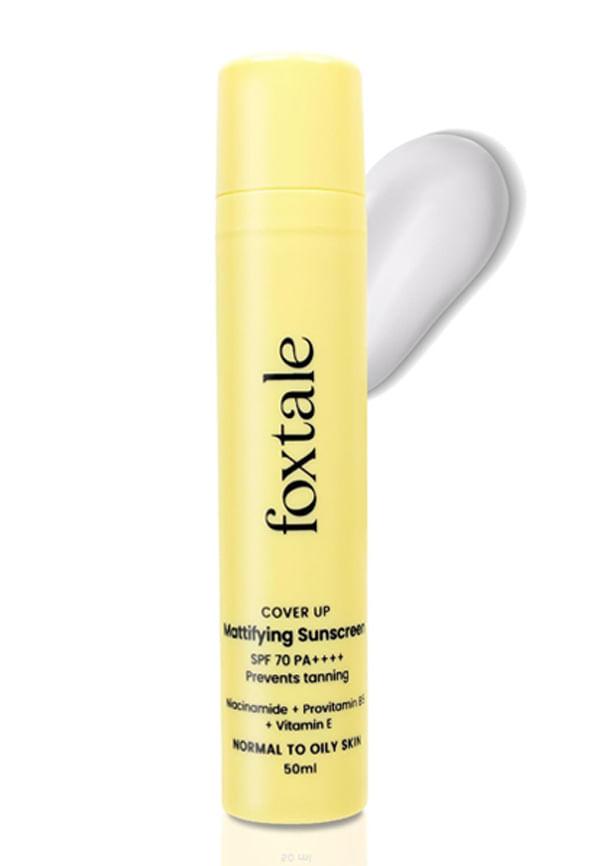 50 ml
50 mlSPF 70 Matte Finish Sunscreen for Oily Skin
Your lifestyle plays a huge role in how to reduce oily skin naturally. What you eat, how much you sleep, and how you manage stress all impact your skin's oil production.
Diet matters more than you might think. Foods high in refined sugars and dairy can trigger inflammation and increase oil production in some people. Focus on a balanced diet rich in omega-3 fatty acids, antioxidants, and plenty of water.
Poor sleep and high stress levels can trigger hormonal fluctuations that increase oil production. Aim for 7-9 hours of quality sleep and find healthy ways to manage stress, whether that's exercise, meditation, or simply taking time for yourself.
Exercise is great for circulation and overall skin health, but sweat mixed with oil can clog pores. Always cleanse your face after working out, and avoid touching your face during exercise.
 50 gm
50 gmGreen Tea & Zinc Super-Matte Sunscreen Gel , SPF 50 PA ++++ For Oily Skin
Now that we've covered all the tips, let's put together a comprehensive routine that addresses all aspects of oily skin care. Remember, consistency is more important than perfection, and it takes time to see results.
Your morning routine should focus on cleansing away overnight oil buildup, protecting your skin, and controlling shine throughout the day. Start with a gentle cleanser, apply any treatment serums, follow with a lightweight moisturiser, and finish with broad-spectrum SPF.
Evenings are when you can use more active ingredients and focus on repair. Double cleanse to remove the day's buildup, apply any treatment products like retinol or exfoliating acids, and finish with a nourishing but lightweight moisturiser.
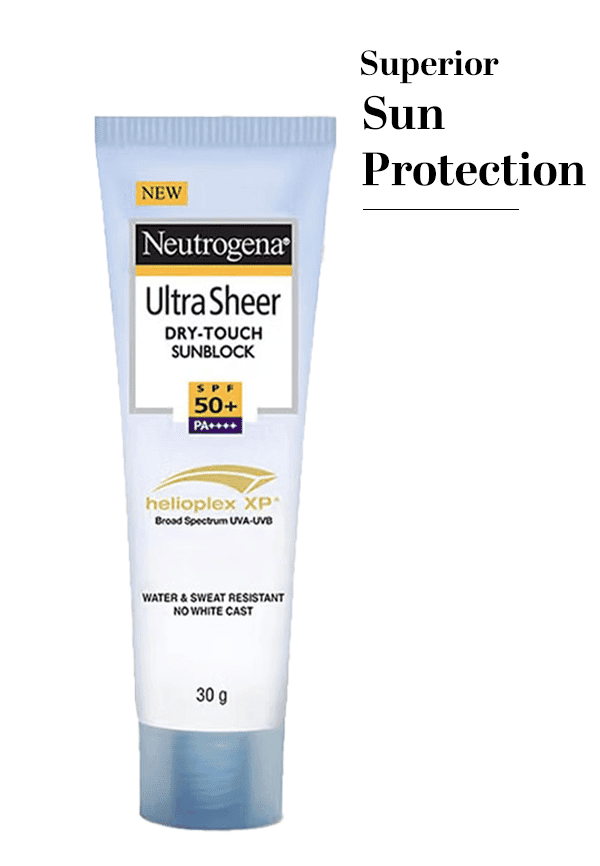 30 ml
30 mlUltra Sheer Sunscreen SPF 50+ - Ultra Light, For Oily And Dry Skin
Incorporate clay masks, deeper exfoliation treatments, or targeted serums 1-2 times per week. This is also when you might want to try new products—speaking of which, finding the right products for your skin doesn't have to break the bank or involve guesswork.
Platforms like Smytten make it easier to discover what works for your skin by offering trial-sized versions of products from trusted brands like Cetaphil, Dot & Key, and Bella Vita. With over 1,500 brands available in mini sizes, you can test different cleansers, moisturisers, and treatments before committing to full-size purchases. This approach is particularly valuable for oily skin care, where finding the right product combination can take some experimentation.
Most people start seeing improvements in 4-6 weeks, but significant changes can take 2-3 months. Your skin needs time to adjust to new products and complete its natural renewal cycle. Be patient and consistent with your routine.
Absolutely. Using too many active ingredients or cleansing too frequently can damage your skin barrier, leading to increased oil production, irritation, and breakouts. Signs of over-treatment include excessive dryness, redness, or increased sensitivity.
Oily skin produces excess sebum, while dehydrated skin lacks water. You can have oily skin that's also dehydrated, which is why moisturising is crucial even for oily skin types. Dehydrated skin often feels tight and may produce more oil to compensate.
Consider professional help if you have severe acne, cystic breakouts, scarring, or if your skin doesn't improve after 3 months of consistent care. A dermatologist can prescribe stronger treatments or identify underlying hormonal issues.
Some natural ingredients like honey, aloe vera, and oatmeal can be beneficial, but they're not magic solutions. The most effective natural remedies for oily skin work best when combined with a proper skincare routine using proven ingredients.
Achieving clear skin for oily skin isn't about following every trend or using the most expensive products—it's about understanding your skin's needs and being consistent with the right approach. Remember, your skin is unique, and what works for others might not work for you.
Start with one or two changes rather than overhauling your entire routine at once. Whether it's mastering the double cleanse method or finally finding that perfect mattifying moisturizer for oily skin, small consistent steps lead to big results. And remember, with platforms offering trial sizes of products from brands you trust, you can experiment without the commitment, making your journey to clearer skin both affordable and exciting. After all, why settle for maybe when you can try it all?
