7 Pro Tips: Choosing the Perfect Face Sunscreen

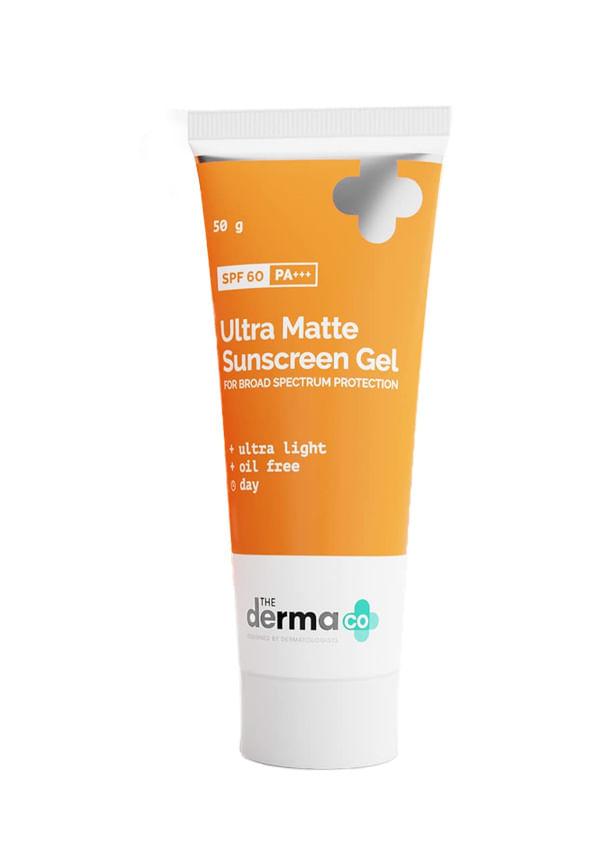 50 gm
50 gmUltra Matte Sunscreen Gel - SPF 60
Let's be real—choosing the perfect face sunscreen feels like trying to solve a puzzle with a million pieces. You've got SPF numbers, PA ratings, chemical versus mineral formulas, and enough ingredient lists to make your head spin. But here's the thing: getting this right is absolutely worth the effort. Your future self will thank you for the time you spend now figuring out how to choose face sunscreen that actually works for your unique skin. Whether you're dealing with oily skin that turns into a grease slick by noon or sensitive skin that reacts to everything, there's a perfect match waiting for you. Ready to crack the code? Let's dive into seven pro tips that'll make you a sunscreen selection expert.
Think all SPF numbers are created equal? Think again. Understanding what those numbers actually mean is your first step towards finding the best face sunscreen for your lifestyle. SPF isn't just a random number slapped on packaging—it's your shield against UV damage, premature ageing, and skin cancer.
SPF 30 blocks about 97% of UVB rays, which is honestly brilliant for most daily activities. If you're spending most of your day indoors with occasional trips outside, SPF 30 is your reliable mate. SPF 50, on the other hand, blocks around 98% of UVB rays—that extra 1% matters when you're spending extended time outdoors or have fair skin that burns easily.
Here's where many people get it wrong: focusing only on SPF whilst ignoring UVA protection. UVA rays are the sneaky ones that cause premature ageing and penetrate deeper into your skin. Look for "broad spectrum" on the label, or better yet, check for PA ratings (PA+++ or PA++++) which specifically measure UVA protection. Your daily face sunscreen should protect against both UVA and UVB rays—no exceptions.
Your skin type isn't just a skincare buzzword—it's the roadmap to finding a sunscreen for face that feels like it was made just for you. Getting this match right means the difference between loving your sun protection routine and dreading it every morning.
If your T-zone could power a small generator by midday, you need a sunscreen that plays nice with excess oil. Look for gel-based formulas or lightweight lotions labelled "oil-free" and "mattifying." Non comedogenic sunscreen is absolutely essential here—you don't want your sun protection clogging pores and causing breakouts. Zinc oxide-based formulas often work brilliantly for oily skin because they absorb excess oil whilst protecting.
Dry skin needs a sunscreen that multitasks as a moisturiser. Cream-based formulas with hydrating ingredients like hyaluronic acid, ceramides, or glycerin will keep your skin happy all day. These richer textures might feel heavy initially, but they're exactly what parched skin craves for comfortable, long-lasting protection.
Sensitive skin and sunscreen can be a tricky relationship, but mineral face sunscreen often saves the day. Zinc oxide and titanium dioxide are physical blockers that sit on top of your skin rather than absorbing into it, making them gentler for reactive skin types. Skip fragrances, essential oils, and chemical filters like oxybenzone if your skin tends to throw tantrums.
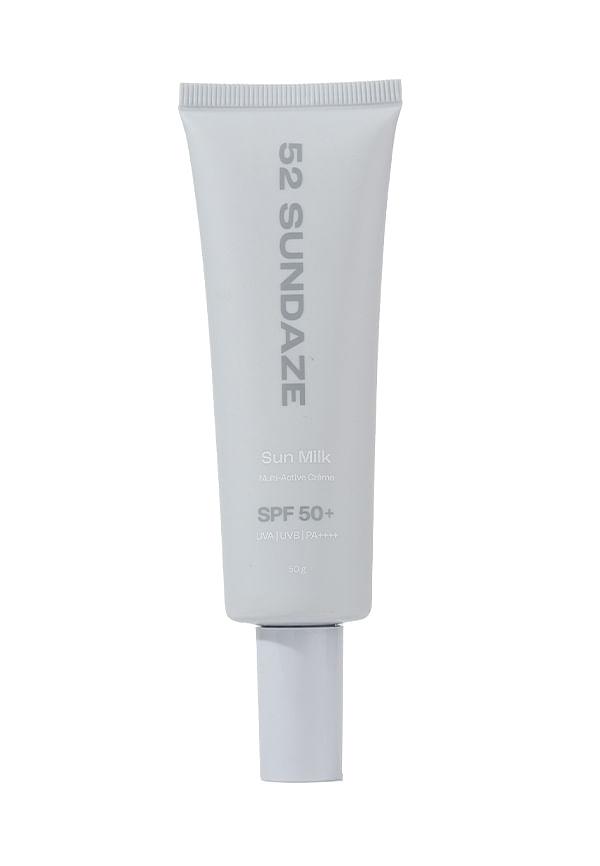 50ml
50mlSPF 50 Sun Milk Multi Active Crème Sunscreen PA++++
The great sunscreen debate: physical or chemical? Both types of face sunscreen have their place, and understanding the difference helps you make the right choice for your lifestyle and skin concerns.
Mineral face sunscreen works immediately upon application—no waiting around for 15 minutes before heading out. These formulas create a physical barrier that reflects UV rays away from your skin. They're particularly brilliant for sensitive skin, around the delicate eye area, and for anyone who wants to avoid chemical filters. The potential downside? Some formulas can leave a white cast, though newer formulations have largely solved this issue.
Chemical sunscreens absorb UV rays and convert them to heat, which your body then releases. They tend to be more lightweight and invisible on application, making them perfect for daily wear under makeup. Modern chemical filters like avobenzone and octinoxate are generally well-tolerated, though they do need about 15-20 minutes to become fully effective.
Your perfect sunscreen for face needs to fit seamlessly into your actual life, not some idealised version of it. Be honest about your routine, activity level, and environment when making your choice.
Spend most of your day in an office? You still need sun protection for face, especially if you sit near windows or commute during peak sun hours. SPF 30 is typically sufficient for this lifestyle, and you'll want something that plays well with makeup and doesn't feel heavy or greasy. Some modern formulas even offer blue light protection from screens, though the jury's still out on whether this is necessary.
If you're outdoors frequently, exercising, or swimming, water-resistant formulas are non-negotiable. Look for "40-minute" or "80-minute" water resistance ratings. Remember, water-resistant doesn't mean waterproof—you'll still need to reapply after swimming or heavy sweating. Sport-specific formulas often have better staying power and won't sting if they get in your eyes.
Becoming fluent in sunscreen ingredients transforms you from a confused shopper into a confident decision-maker. This face sunscreen guide wouldn't be complete without teaching you what to look for and what to avoid.
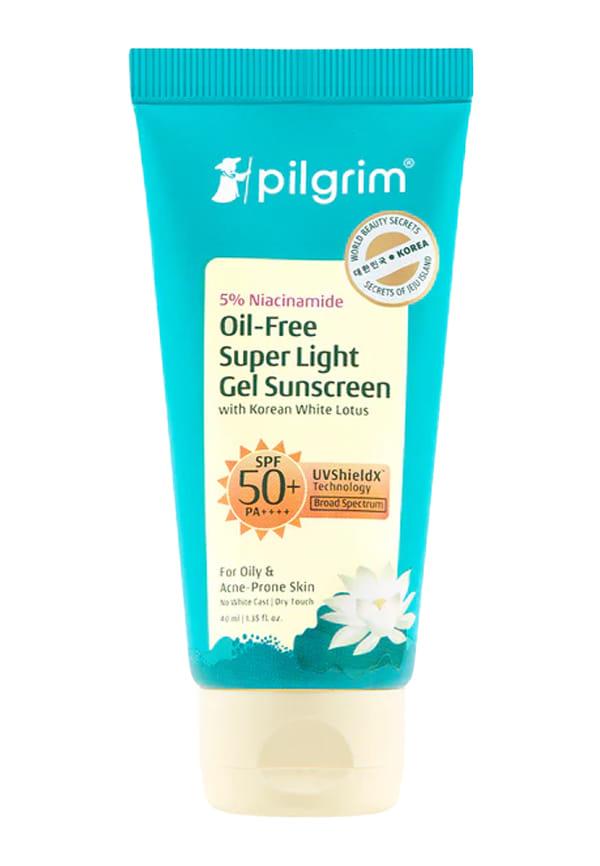 40 ml
40 ml5% Niacinamide Oil-Free Super Light Gel Sunscreen SPF 50+ PA++++
Many modern sunscreens are multitasking powerhouses. Antioxidants like vitamin C, niacinamide, or vitamin E provide extra protection against environmental damage. Some formulas include anti-ageing ingredients like peptides or retinol derivatives. For sensitive skin types, look for soothing ingredients like aloe vera, chamomile, or allantoin.
Certain ingredients can be problematic for specific skin types. Comedogenic ingredients like coconut oil or isopropyl myristate can clog pores in acne-prone skin. Fragrances and essential oils, whilst lovely-smelling, can trigger reactions in sensitive skin. If you're concerned about hormone disruption, you might want to avoid oxybenzone and octinoxate, though the research is still evolving.
Even the best face sunscreen in the world won't protect you if you're not applying it correctly. Most people use far less than they should, which dramatically reduces protection levels.
For adequate face and neck coverage, squeeze sunscreen along the length of your index and middle fingers. This equals roughly 1/4 teaspoon—more than most people think they need. Don't forget often-missed spots like your ears, the area around your eyes, and your neck. These areas are particularly vulnerable to sun damage.
Chemical sunscreens need 15-30 minutes to become fully effective, so apply before you start your morning routine. Reapplication every two hours is the gold standard, though this can be tricky with makeup. Consider powder sunscreens or setting sprays with SPF for touch-ups throughout the day.
Finding your perfect match might take some trial and error, and that's completely normal. Smart testing helps you avoid reactions and ensures long-term satisfaction with your choice.
Before committing to a new sunscreen for face, test it on a small area behind your ear or on your inner wrist. Wait 48 hours to see if any redness, itching, or irritation develops. This simple step can save you from a face full of angry skin.
Once you've confirmed compatibility, test your sunscreen in real conditions. Does it stay comfortable all day? How does it interact with your makeup? Does it cause any stinging around your eyes? Give it at least a week of daily use before making your final verdict. With over 1,500 trusted brands available through platforms like Smytten, you can actually try different formulations through trial packs before committing to full-size purchases. This approach lets you test multiple options without the financial risk of buying products that might not work for your skin.
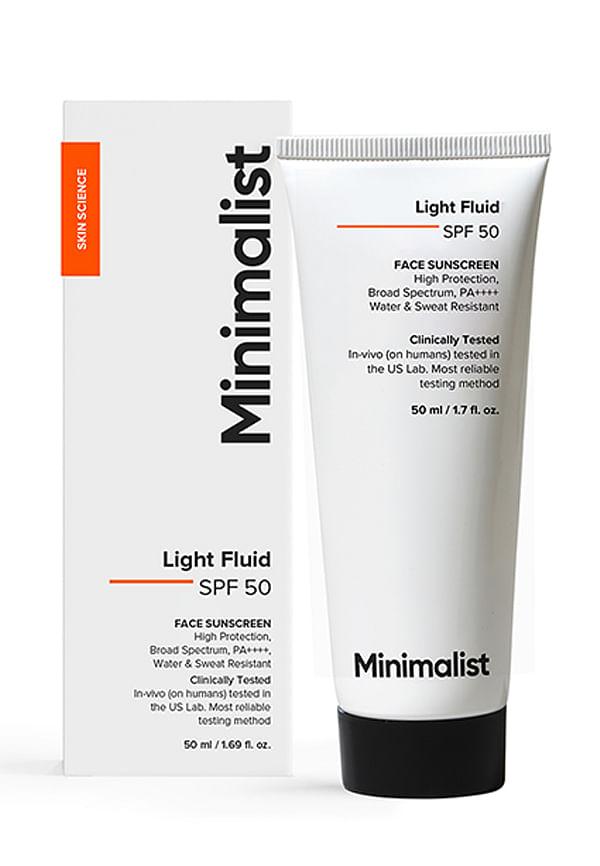 50 ml
50 mlLight Fluid SPF 50 Face Sunscreen
Mineral sunscreens use zinc oxide or titanium dioxide to physically block UV rays, whilst chemical sunscreens absorb UV radiation and convert it to heat. Mineral options work immediately and are better for sensitive skin, whilst chemical formulas tend to be lighter and more cosmetically elegant.
SPF 30 is sufficient for most daily activities and blocks 97% of UVB rays. SPF 50 blocks 98% and is better for extended outdoor time or very fair skin. The difference is smaller than you might think, but proper application matters more than the exact number.
Whilst you can, facial skin is more delicate and prone to breakouts. Face-specific formulas are typically lighter, less likely to clog pores, and more comfortable for daily wear under makeup.
Look for lightweight, non-comedogenic formulas that won't exacerbate oily areas whilst still providing adequate moisture for dry zones. Gel-cream hybrids often work well for combination skin types.
If you're near windows or step outside occasionally, reapplication is wise. However, if you're in a windowless office all day, your morning application should suffice.
PA ratings measure UVA protection specifically. PA++++ offers the highest level of UVA protection, which is important for preventing premature ageing and deeper skin damage.
Choosing the perfect face sunscreen doesn't have to feel overwhelming once you understand your skin's needs and lifestyle requirements. Remember that the best face sunscreen is the one you'll actually use consistently. Start with your skin type, consider your daily routine, and don't be afraid to try different formulations until you find your perfect match. Smytten makes this exploration process incredibly accessible with trial packs from trusted brands like Cetaphil, Dot & Key, and many others. You can test multiple sunscreen options for just ₹249, with 100% cashback redeemable for future purchases. This way, you can discover what works for your skin without the commitment of full-size products. After all, why settle for 'maybe' when you can try it all and find your perfect sun protection companion?
