7 Powerful Skin Irritation Remedies You Need Now


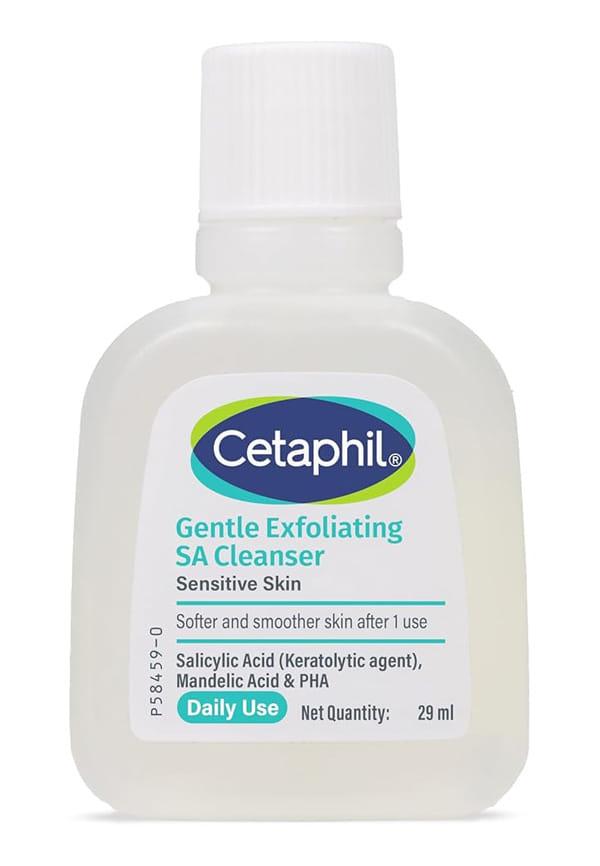 29 ml
29 mlGentle Daily Exfoliating Cleanser With Salicylic Acid For Oily Acne Prone Skin
Let's be real—skin irritation is one of those things that can turn your day upside down in seconds. Whether it's that sudden rash that appeared out of nowhere, persistent itchy patches, or angry red skin that just won't calm down, dealing with irritated skin feels like your body is staging a rebellion. The good news? You don't have to suffer through it or wait days for relief. These seven powerful skin irritation remedies can help you tackle everything from mild redness to stubborn dermatitis, giving you back control over your skin's comfort.
Before diving into solutions, it helps to understand what triggers your skin to go into overdrive. Sensitive skin care starts with knowing your enemy, and skin irritation can come from more sources than you might think.
Your skin might be reacting to everyday items you'd never suspect. Harsh soaps and detergents top the list, stripping away your skin's natural protective barrier. Environmental factors like cold weather, excessive heat, or sudden humidity changes can also trigger flare-ups. Then there are the sneaky allergens—nickel in jewellery, fragrances in cosmetics, or even certain fabrics. Chemical solvents in cleaning products and overly aggressive skincare ingredients can turn your routine into a recipe for irritation.
Not all skin irritation is created equal. Contact dermatitis usually appears where your skin touched an irritant, whilst allergic reactions can spread beyond the initial contact point. Eczema tends to show up in specific areas like elbow creases or behind knees, often accompanied by intense itching. Dry skin creates a tight, flaky feeling that can crack and become inflamed. Knowing which type you're dealing with helps you choose the most effective treatment approach.
When your skin is screaming for help, these quick-fix remedies can provide almost instant itchy skin relief and start calming inflammation right away.
This might be the simplest yet most effective remedy in your arsenal. A cold compress works by numbing nerve endings and reducing inflammation almost immediately. Wrap ice cubes in a clean cloth or use a cold, damp towel and apply it to the irritated area for 5-10 minutes. The key is consistency—repeat every few hours as needed. Just avoid direct ice contact with your skin, as this can cause frostbite or further damage.
Think of this as first aid for your skin barrier. When irritation strikes, your skin's protective layer is compromised, making it vulnerable to further damage. Apply a fragrance-free, hypoallergenic moisturiser within three minutes of any water exposure—this locks in moisture when your skin is most receptive. Look for ingredients like ceramides or hyaluronic acid that help repair the barrier function.
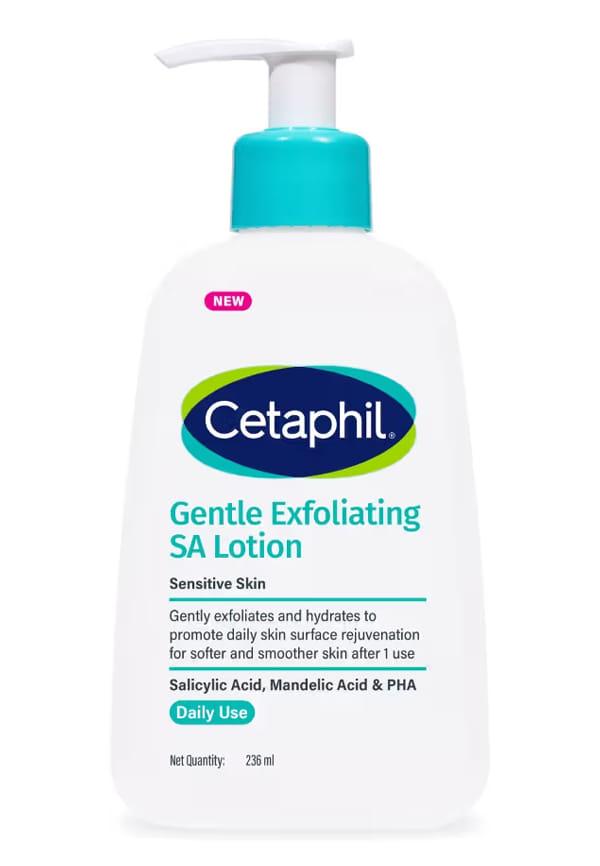 236 ml
Gentle Daily Exfoliating Lotion With Salicylic Acid For Oily Acne Prone Skin
Sometimes you need something stronger than basic moisturiser. These pharmacy staples offer reliable anti-inflammatory skincare benefits without requiring a prescription.
This is probably the most versatile weapon in your skin rash treatment toolkit. Hydrocortisone cream contains a mild corticosteroid that reduces inflammation, redness, and itching. The 1% concentration available over-the-counter is perfect for mild to moderate reactions. Apply a thin layer to affected areas up to three times daily, but don't use it for more than seven consecutive days without consulting a healthcare provider. It's particularly effective for allergic reactions and contact dermatitis.
These old-school remedies are making a comeback for good reason. Calamine lotion provides cooling relief and helps dry out weepy rashes, making it brilliant for contact dermatitis from plants like poison ivy. Zinc oxide creates a protective barrier whilst reducing inflammation—it's gentle enough for sensitive areas and won't sting broken skin. Both work best when applied in thin layers and allowed to dry completely.
For those who prefer gentler approaches or want to complement medical treatments, these natural soothing skin solutions can provide significant relief without harsh chemicals.
A properly prepared bath can transform from a daily routine into therapeutic treatment. Colloidal oatmeal baths are particularly effective for eczema treatment—the oats contain compounds called avenanthramides that have anti-inflammatory properties. Add a cup of finely ground oatmeal to lukewarm water and soak for 10-15 minutes. Epsom salts can help reduce inflammation and remove excess fluids from tissues, whilst baking soda helps neutralise pH and reduce itching. Keep water temperature lukewarm rather than hot, as heat can worsen irritation.
Nature offers some powerful calming skin products in their purest form. Fresh aloe vera gel provides immediate cooling relief and contains anti-inflammatory compounds that help heal damaged skin. Apply it directly from the plant or choose a pure gel without added fragrances. Diluted apple cider vinegar (one part vinegar to three parts water) can help restore skin's natural pH balance and has antimicrobial properties. Coconut oil works brilliantly as a gentle moisturiser for dry skin solutions, thanks to its natural anti-inflammatory and antimicrobial properties.
Sometimes topical treatments aren't enough, and you need to tackle irritation from the inside out. These systemic approaches can provide comprehensive dermatitis relief for more stubborn cases.
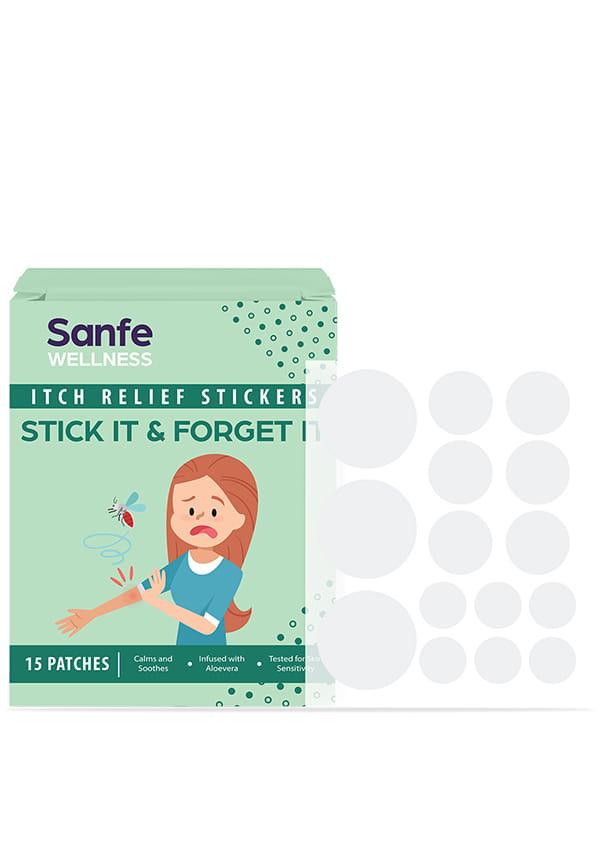 Pack of 15
Itch Relief Stickers
Oral antihistamines work by blocking histamine, the chemical your body releases during allergic reactions. Over-the-counter options like loratadine (Claritin) or cetirizine (Zyrtec) can provide 24-hour relief from itching and reduce overall inflammation. They're particularly effective when your skin irritation is part of a broader allergic response. Take them at the same time each day for consistent results, and they can be safely combined with topical treatments for maximum effectiveness.
If over-the-counter remedies aren't cutting it after 48-72 hours, it might be time for stronger intervention. Prescription-strength corticosteroids or immunosuppressant creams like tacrolimus can tackle severe inflammation that won't respond to milder treatments. These require medical supervision but can be game-changers for chronic conditions like severe eczema or persistent dermatitis.
The best skin irritation remedies are the ones that prevent problems before they start. Building a solid prevention strategy means fewer flare-ups and healthier skin overall.
Your daily routine can either support or sabotage your skin's health. Switch to gentle, fragrance-free cleansers that won't strip your skin's natural oils. The timing of moisturisation matters—apply it immediately after showering whilst your skin is still damp to lock in maximum hydration. Even your clothing choices matter; natural fibres like cotton allow your skin to breathe, whilst synthetic materials can trap heat and moisture, creating perfect conditions for irritation.
Your environment plays a huge role in skin health. Maintaining proper humidity levels (around 30-50%) in your living space prevents skin from drying out, especially during winter months. Keep a diary to identify personal triggers—certain foods, stress levels, or seasonal changes might be contributing to your skin issues. Managing stress through regular exercise, adequate sleep, and relaxation techniques can significantly impact skin health, as stress hormones can worsen inflammatory conditions.
This is where platforms like Smytten become invaluable for anyone dealing with sensitive skin. With access to trial packs from over 1,500 trusted brands including gentle options like Cetaphil, you can test different sensitive skin care products without committing to full sizes. This trial-first approach means you can discover what works for your specific skin needs without the risk of wasting money on products that might irritate your skin further.
Knowing when to move beyond home remedies is crucial for your skin's health and your peace of mind. Some situations require professional intervention to prevent complications or address underlying conditions.
Certain symptoms signal that your skin irritation has moved beyond what home remedies can handle. If you notice signs of infection like pus, increasing warmth around the affected area, or red streaks spreading from the irritated skin, seek medical attention immediately. Severe reactions covering large body areas or any irritation accompanied by fever, difficulty breathing, or swelling of the face or throat require emergency care. Additionally, if your symptoms haven't improved after 48-72 hours of consistent treatment, it's time to consult a healthcare provider.
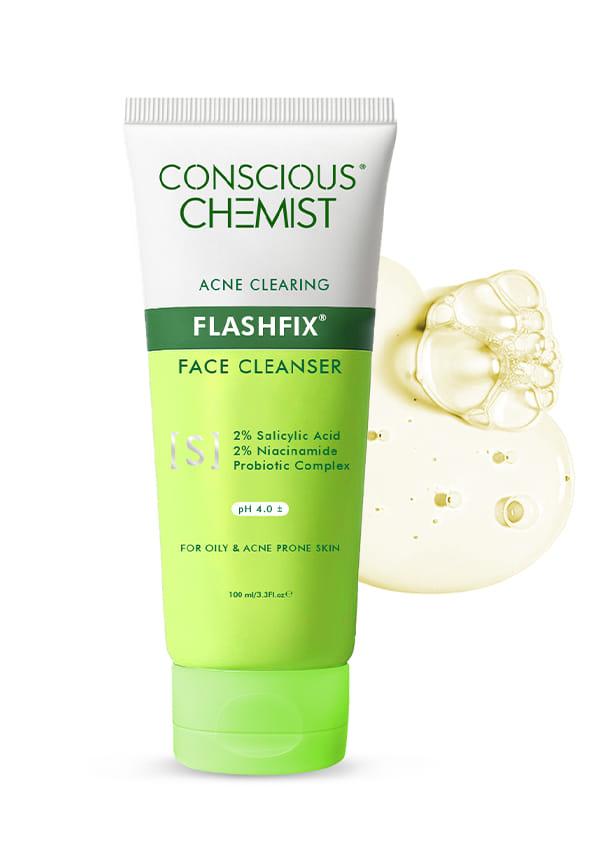 100ml
100mlFlashfix Salicylic Acid Cleanser For Oily Acne Prone Skin
For chronic conditions like persistent eczema or recurring dermatitis, a dermatologist can provide specialized care and access to stronger treatments. They can also perform allergy testing to identify specific triggers you might not have considered. However, your primary care provider can handle most acute skin irritations and can refer you to a specialist if needed.
Cold compresses applied for 5-10 minutes provide immediate relief by numbing nerve endings and reducing inflammation. Follow this with a thin layer of hydrocortisone cream for sustained anti-inflammatory action. For internal relief, an oral antihistamine can help block the itch signals from the inside out.
Combine immediate cooling with cold compresses, barrier protection using fragrance-free moisturiser, and anti-inflammatory treatment like hydrocortisone or calamine lotion. The key is consistency—apply treatments regularly whilst avoiding known triggers. Most mild irritations resolve within 3-5 days with proper care.
The best remedy depends on the type of irritation. For mild inflammation, 1% hydrocortisone cream applied three times daily works brilliantly. For contact dermatitis, calamine lotion provides cooling relief. For dry, irritated skin, gentle moisturising with ceramide-containing lotions helps restore the skin barrier.
Whilst complete overnight healing is rare, you can maximise relief by applying a cool compress for 10 minutes, following with hydrocortisone cream, taking an oral antihistamine, and sleeping in breathable cotton clothing. Keep your bedroom cool and avoid scratching, which can worsen inflammation.
Hydrocortisone cream (1%) works best for inflammatory conditions, zinc oxide provides excellent barrier protection for raw or broken skin, and calamine lotion is ideal for contact dermatitis. Choose based on your specific symptoms—inflammation responds to hydrocortisone, whilst weepy rashes benefit from calamine's drying action.
Dealing with skin irritation doesn't have to be a waiting game. These seven powerful remedies—from immediate cold compress relief to systemic antihistamine treatment—give you options for every type and severity of skin irritation. The key is matching the right remedy to your specific situation and being consistent with treatment.
Remember that prevention is always better than cure. Building a gentle skincare routine, identifying your personal triggers, and maintaining proper environmental conditions can significantly reduce the frequency and severity of skin irritation episodes. When you do need to try new products for your sensitive skin, platforms like Smytten make it safer and more affordable to discover what works for you. With trial packs from trusted brands, you can explore gentle, effective products without the commitment of full-size purchases. After all, when it comes to caring for irritated skin, why settle for 'maybe' when you can try it all and find what truly works for your unique skin needs?
