7 Powerful Remedies for Dry Skin Relief Fast


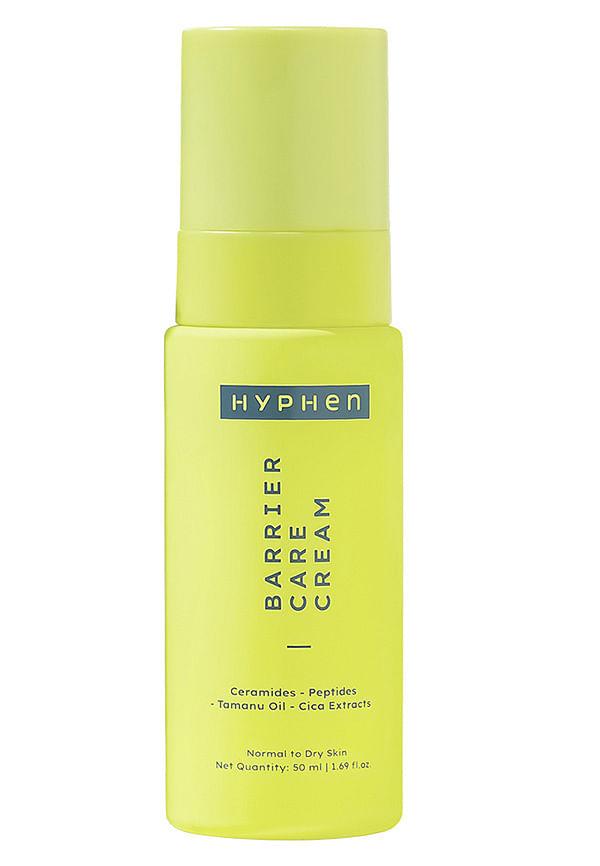 50 ml
50 mlBarrier Care Cream - Normal To Dry Skin
Let's be real—dry skin can be absolutely maddening. That tight, flaky feeling that makes you want to scratch until you find relief? We've all been there. Whether it's the harsh winter air sucking moisture from your face or that post-shower tightness that hits different, dry skin doesn't discriminate. The good news? You don't have to live with it. There are proven remedies for dry skin that actually work, and some can give you noticeable dry skin relief faster than you'd think. From natural moisturizers your gran would approve of to science-backed treatments that dermatologists swear by, we're diving into seven powerful solutions that'll get your skin back to feeling soft and comfortable.
Before we jump into the solutions, it's worth knowing what's actually happening when your skin feels like sandpaper. Dry skin, or xerosis as the medical folks call it, happens when your skin barrier gets compromised and can't hold onto moisture properly. Think of your skin like a brick wall—when the mortar between the bricks starts cracking, water leaks out. Several culprits could be behind your skin's moisture crisis. Environmental factors are huge players here. Low humidity, especially during winter skin care season, literally pulls moisture from your skin. Air conditioning and heating systems don't help either—they're basically moisture vampires. Then there are the internal factors: genetics (thanks, mum and dad), age (our skin produces less oil as we get older), and certain medical conditions that affect how well our skin holds onto hydration. The symptoms are pretty unmistakable—flaking, itching, that uncomfortable tightness, and in severe cases, actual cracks in the skin. If you're dealing with persistent dryness that doesn't improve with basic moisturising, or if your skin starts cracking or bleeding, it might be time to chat with a dermatologist.
Now for the good stuff—the actual solutions that'll transform your skin from desert-dry to comfortably hydrated. These aren't just random tips; they're backed by dermatology research and real-world results.
Not all moisturisers are created equal, and this is where ingredient knowledge becomes your superpower. The best lotions for dry skin contain specific components that don't just sit on top of your skin—they actually repair and strengthen your skin barrier. Ceramides are absolute game-changers. These lipid molecules naturally occur in your skin and help maintain the barrier function. When you use products with ceramides, you're essentially giving your skin the building blocks it needs to repair itself. Hyaluronic acid is another hero ingredient—it can hold up to 1,000 times its weight in water, making it incredibly effective for hydration. Glycerin deserves a mention too. This humectant draws moisture from the environment and deeper layers of skin to the surface. The texture of your moisturiser matters as well. Ointments are most effective for severely dry skin, followed by creams, then lotions. The thicker the consistency, the better it is at preventing water loss. Timing is everything with moisturising. The golden rule? Apply your moisturiser within three minutes of bathing while your skin is still damp. This traps the water on your skin and gives your moisturiser something to work with.
Your shower routine might be sabotaging your skin without you realising it. Hot water feels amazing, especially when it's cold outside, but it strips your skin of natural oils faster than you can say "squeaky clean." Stick to warm water and limit your shower or bath time to 5-10 minutes max. The cleanser you choose makes a massive difference too. Harsh soaps and body washes with strong fragrances can irritate already sensitive skin. Look for gentle, fragrance-free cleansers that won't strip your skin's natural protective oils. Your dry skin care routine should be about adding moisture, not taking it away. Here's a technique that might feel counterintuitive: don't rub yourself dry with a towel. Instead, gently pat your skin to remove excess water, leaving it slightly damp. Then immediately apply your moisturiser. This pat-dry method helps preserve the moisture on your skin's surface.
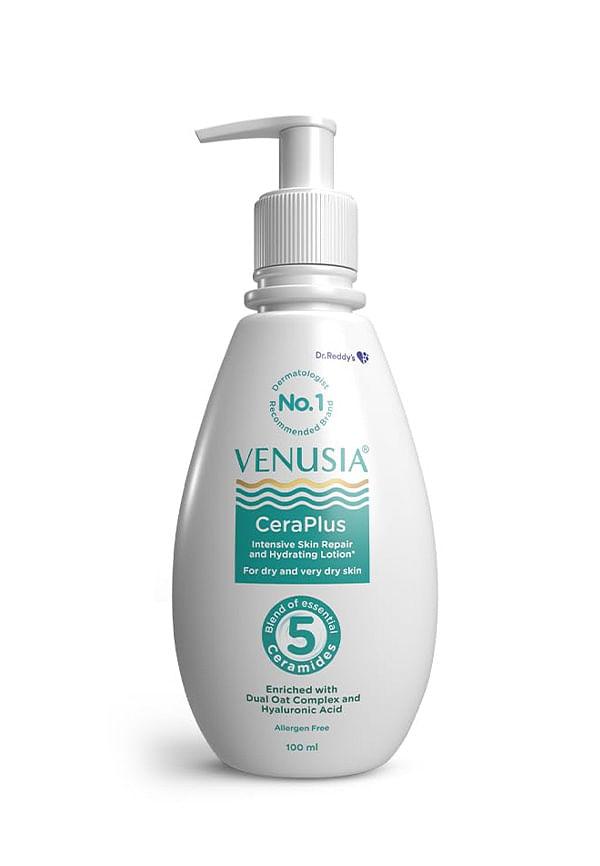 100 ml
Ceraplus Lotion for Dry Skin 5 Essential Ceramides for Deep moisturization barrier repair
Sometimes the best natural moisturizers are sitting right in your kitchen cupboard. Coconut oil is brilliant for overnight treatment—it's rich in fatty acids that help repair the skin barrier. Apply a thin layer to clean, slightly damp skin before bed. Just be aware that it can stain bedding, so maybe use older sheets. Honey isn't just for your morning toast. Raw honey has natural humectant properties and antimicrobial benefits. Mix it with a bit of glycerin for an intensely hydrating overnight mask. Aloe vera gel is another gentle option, especially if your dry skin comes with irritation or mild inflammation. For seriously dry areas like elbows, knees, or heels, petroleum jelly might seem old-school, but it's incredibly effective as an occlusive treatment. It creates a barrier that prevents water loss overnight, giving your skin time to repair itself.
Your environment plays a bigger role in skin hydration than you might think. During winter skin care season, indoor heating can drop humidity levels to desert-like conditions. A humidifier in your bedroom can make a real difference—aim for humidity levels between 30-50%. Room temperature matters too. Overheated rooms dry out both the air and your skin. Keep your living space comfortably cool rather than tropical. When you're heading outside in harsh weather, protect exposed skin with appropriate clothing and don't forget to moisturise beforehand. Indoor air quality affects your skin as well. Dust, pollutants, and allergens can irritate sensitive, dry skin. Regular cleaning and good ventilation help create a skin-friendly environment.
What you put into your body absolutely affects what shows up on your skin. While drinking water won't magically cure dry skin, chronic dehydration certainly won't help matters. Aim for about 8 glasses of water daily, but listen to your body—you might need more if you're active or live in a dry climate. Certain foods support skin health from the inside out. Omega-3 fatty acids found in fish, walnuts, and flaxseeds help maintain skin barrier function. Oat milk isn't just trendy—oats contain compounds called avenanthramides that have anti-inflammatory properties. Some people find that supplements like omega-3s or evening primrose oil help with skin hydration, though it's worth chatting with a healthcare provider before adding supplements to your routine.
When basic moisturising isn't cutting it, it might be time to bring in the bigger guns. Over-the-counter hydrocortisone cream can help with itchy skin remedies and inflammation, but use it sparingly and not for extended periods without medical guidance. For cracked skin treatment, look for products containing urea or lactic acid. These ingredients help exfoliate dead skin cells while providing hydration. They're particularly effective for thick, dry areas like heels and elbows. Occlusive treatments work by creating a barrier that prevents water loss. Products containing petrolatum, dimethicone, or mineral oil can be incredibly effective for severely dry skin, especially when applied over a hydrating serum or light moisturiser.
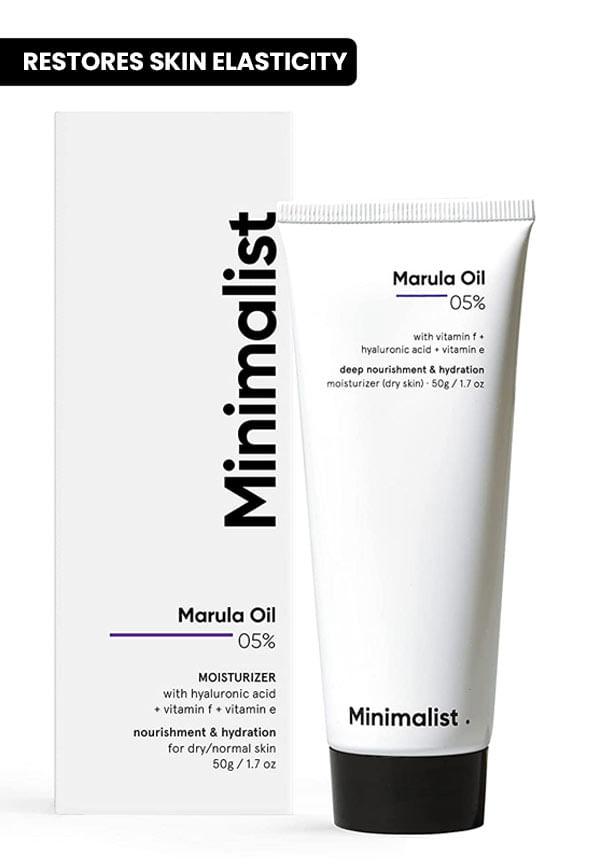 50 gm
50 gmMarula Oil 5% Face Moisturizer For Dry Skin With Hyaluronic Acid
Sometimes dry skin is a symptom of an underlying condition that needs professional attention. Dermatologists can prescribe stronger topical treatments, including prescription-strength moisturisers and topical steroids for inflammatory conditions. If you're dealing with conditions like eczema, psoriasis, or severe xerosis, professional treatment might include prescription emollients, topical immunomodulators, or other specialised therapies. Don't hesitate to seek help if your skin doesn't improve with consistent home care or if you develop signs of infection like increased redness, warmth, or pus.
While true skin barrier repair takes time, you can see noticeable improvement in just a couple of days with the right approach. The key is intensive moisture therapy combined with avoiding anything that might further irritate your skin. Start with gentle cleansing using lukewarm water and a fragrance-free cleanser. Immediately after patting dry, apply a thick, occlusive moisturiser while your skin is still slightly damp. Reapply moisturiser multiple times throughout the day—every few hours if needed. Avoid common mistakes like using products with alcohol, fragrances, or harsh exfoliants. Skip the loofahs and rough towels. If you're dealing with itchy skin remedies, resist the urge to scratch, which can damage the skin barrier further. Overnight treatments can accelerate the process. Apply a generous layer of a heavy moisturiser or natural oil before bed, and consider using a humidifier in your bedroom. Remember, while you might see improvement quickly, maintaining healthy skin hydration is an ongoing process.
Facial skin is thinner and more sensitive than body skin, so it needs a gentler approach. Sensitive skin solutions for the face often involve lighter textures that won't clog pores or cause irritation. For facial dryness, look for moisturisers specifically formulated for the face. These typically have lighter textures but still contain effective hydrating ingredients. Avoid using body lotions on your face—they're often too heavy and might cause breakouts. Sun protection is crucial for facial skin health. UV exposure can worsen dryness and damage the skin barrier. Use a broad-spectrum SPF 30 or higher daily, even in winter. When it comes to cleansing your face, gentle is the operative word. Avoid harsh scrubs or cleansers that leave your skin feeling tight. If your facial skin is particularly dry, you might even benefit from cleansing with a gentle oil or cream cleanser rather than traditional foaming products.
The most effective dry skin care routine is one that fits your lifestyle and addresses your specific needs. Your morning routine should focus on hydration and protection. Start with a gentle cleanser if needed, apply a hydrating serum or lightweight moisturiser, and always finish with sun protection. Evening routines can be more intensive. This is when you can use heavier moisturisers, treatment products, or natural oils. If you're using any active ingredients like retinoids or acids, make sure to follow up with extra hydration. Weekly treatments can give your routine a boost. Consider gentle exfoliation to remove dead skin cells that might be preventing your moisturiser from penetrating effectively. Hydrating masks or overnight treatments can provide extra moisture when your skin needs it most. Seasonal adjustments are important too. Your winter skin care routine might need heavier products and more frequent application, while summer might call for lighter textures that won't feel sticky in humid weather. Finding the right products for your skin can feel overwhelming, especially with so many options available. This is where platforms like Smytten become incredibly valuable. As India's largest product discovery and trial platform, Smytten connects you with over 1,500 trusted brands including skincare favourites like Cetaphil and Dot & Key. Instead of committing to full-size products that might not work for your skin, you can try curated trial packs to discover what actually works for your specific dry skin concerns. With trial packs available for just ₹249 and 100% cashback redeemable for future purchases, you can experiment with different remedies for dry skin without the financial risk.
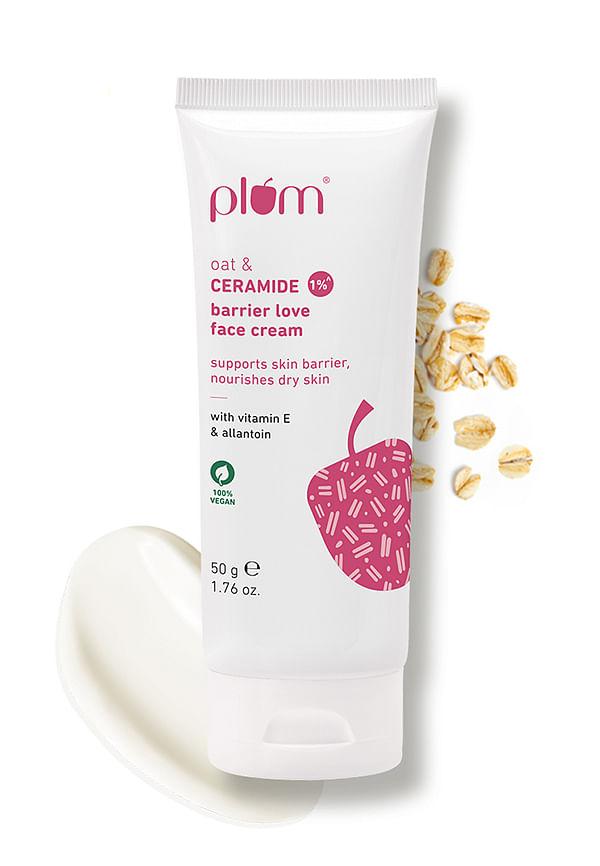 50 gm
50 gmOat & 1% Ceramide Barrier Love Face Cream | Repairs, Strenghtens Skin Barrier
The most effective approach combines proper moisturising with barrier-repair ingredients like ceramides and hyaluronic acid, applied to damp skin immediately after bathing. Consistency is key—daily moisturising with the right products typically shows results within a few days.
Natural hydration methods include using aloe vera gel, coconut oil, or honey-based treatments. Maintaining proper indoor humidity, drinking adequate water, and eating omega-3 rich foods also support skin hydration from within.
Water is essential, but oat milk contains natural soothing compounds that may benefit dry skin. Green tea provides antioxidants, and foods rich in omega-3 fatty acids support skin barrier function from the inside out.
While complete repair takes time, you can see improvement overnight by applying a thick, gentle moisturiser to clean, damp skin before bed. Using a humidifier and avoiding harsh products also helps accelerate the healing process.
Consult a professional if your skin cracks, bleeds, shows signs of infection, or doesn't improve after 2-3 weeks of consistent moisturising and gentle care. Persistent itching or inflammation may indicate an underlying condition requiring medical treatment.
Dealing with dry skin doesn't have to be a constant battle. The key is understanding that effective dry skin relief comes from a combination of the right products, proper technique, and consistency. Whether you're reaching for natural moisturizers or science-backed formulations, the goal is the same: restoring your skin's ability to hold onto moisture and feel comfortable again. Remember that what works for your friend might not work for you—skin is incredibly individual. Don't be afraid to experiment with different approaches, from adjusting your environment to trying new skin hydration tips. The investment in finding the right routine pays off in comfort and confidence. With platforms like Smytten making it easier than ever to try products before committing to full sizes, there's no reason to settle for skin that doesn't feel its best. After all, why settle for 'maybe' when you can try it all and find exactly what your skin needs to thrive?
