7 Key Factors That Determine Your Skin Tone


Ever wondered why your mate has that gorgeous golden glow whilst you're more on the porcelain side? Or why your skin tone seems to shift with the seasons? Let's be real—what affects skin tone is way more complex than just your family genes. From the melanin factory working overtime in your skin cells to those sneaky hormonal changes that pop up uninvited, there's a whole science behind your natural colour. Understanding these factors isn't just fascinating—it's actually quite useful when you're trying to figure out the best skincare routine for your unique complexion.
Your skin colour isn't just some random lottery—it's actually a sophisticated biological system that's been perfected over millions of years. Think of your skin as having its own little paint factory, constantly mixing and matching colours to create your unique shade.
Melanin is basically your skin's natural artist, and it comes in two main types. Eumelanin gives you those deeper brown and black tones, whilst pheomelanin is responsible for red and yellow hues. Your melanocytes (the cells that make melanin) are like tiny workers scattered throughout your skin, and they're constantly deciding how much pigment to produce based on various signals they receive.
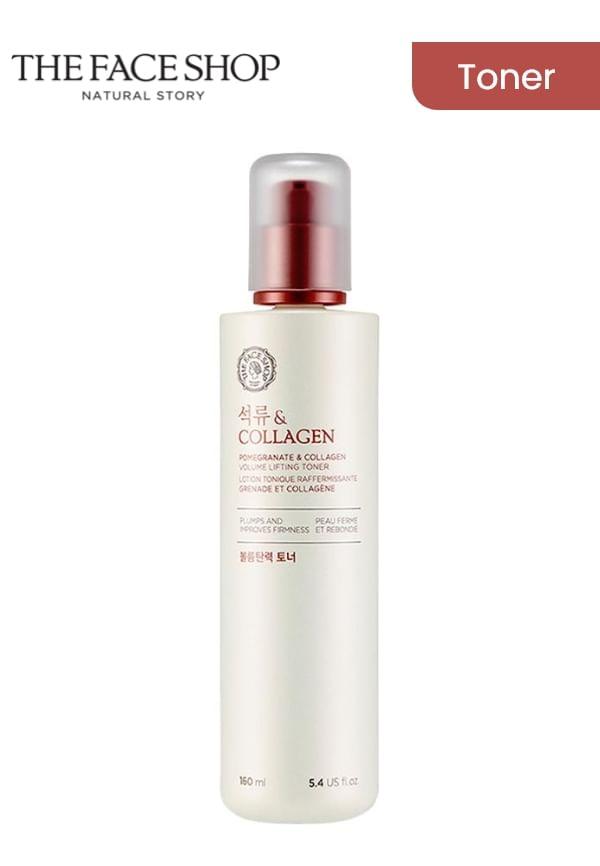 160 ml
10% Collagen & Hyaluronic Acid Face Toner
Your DNA is essentially the instruction manual for your melanin production. These genetic blueprints determine not just how much melanin your skin makes, but also what type and how it's distributed. It's why you might have your mum's complexion but your dad's tendency to freckle—different genes control different aspects of skin pigmentation.
Let's start with the big one—your genetic makeup. This is your skin's foundation, the base colour that you're born with and that stays relatively constant throughout your life (though it can be influenced by other factors we'll chat about).
Scientists have identified over 100 genetic variants that influence skin pigmentation. These genes work together like a complex recipe, determining everything from your baseline melanin production to how your skin responds to sun exposure. Some people inherit genes that make their melanocytes super active, whilst others get the more laid-back version.
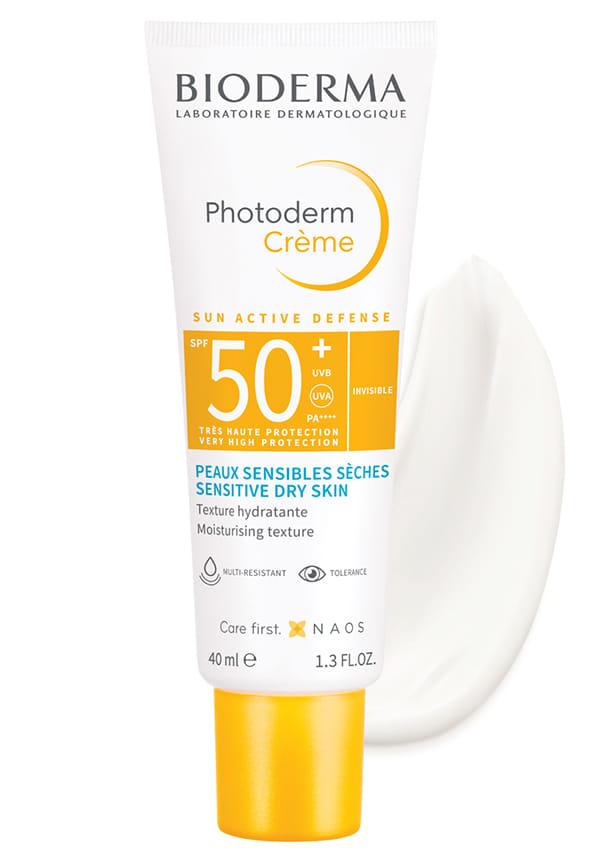 40 ml
40 mlPhotoderm Max Creme Spf 50+
Here's where it gets interesting—your ancestors' geographical location actually shaped your genetics skin color. Populations closer to the equator developed higher melanin production as protection against intense UV radiation, whilst those in northern climates evolved lighter skin tones to better synthesise vitamin D from limited sunlight. It's basically evolutionary skincare at its finest.
Sun exposure is probably the most obvious factor affecting skin color, but there's more to it than just "sun makes you darker." Your skin's response to UV radiation is actually a complex protective mechanism that can have both immediate and long-term effects on your complexion.
When UV rays hit your skin, they're basically sending an SOS signal to your melanocytes. These cells respond by ramping up melanin production—that's your tan developing. But here's the thing: this process can take days to weeks, and the effects can last for months. Sun exposure skin changes aren't just cosmetic; they're your body's way of trying to protect itself from DNA damage.
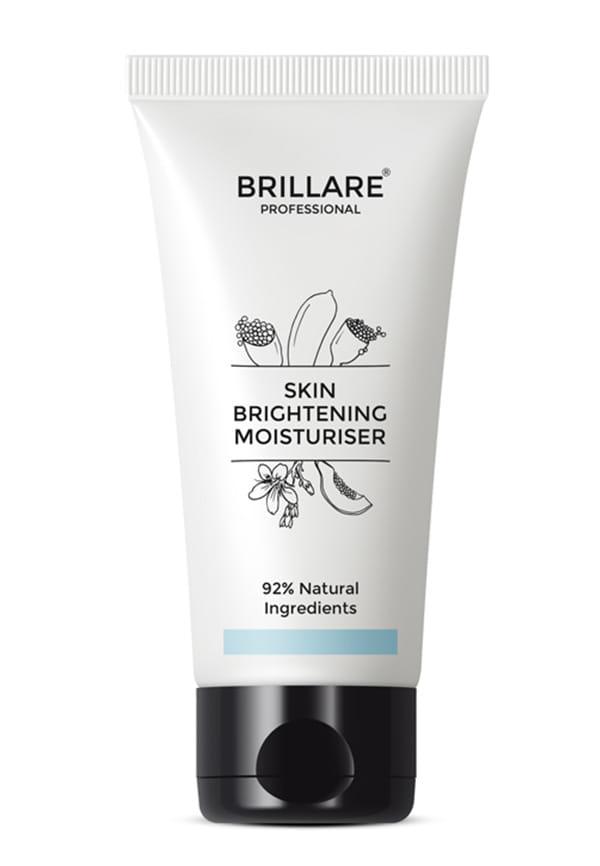 50 gm
50 gmSkin Brightening Moisturiser For Reducing Pigmentation
Plot twist—you don't need to be sunbathing to get UV exposure. Sand, snow, and water can reflect up to 80% of UV rays back at you. Even sitting by a window or living at high altitude increases your exposure. These factors can contribute to uneven skin tone causes, especially if you're not consistent with sun protection.
Hormones are like that friend who shows up uninvited and rearranges your entire house—except in this case, they're rearranging your skin pigmentation. These chemical messengers can trigger significant skin tone changes, often when you least expect them.
Pregnancy hormones can turn your melanocytes into overachievers, leading to melasma—those dark patches that often appear on the face. It's so common it's nicknamed "the mask of pregnancy." The good news? These hormones skin tone changes often fade after delivery, though it can take months or even years.
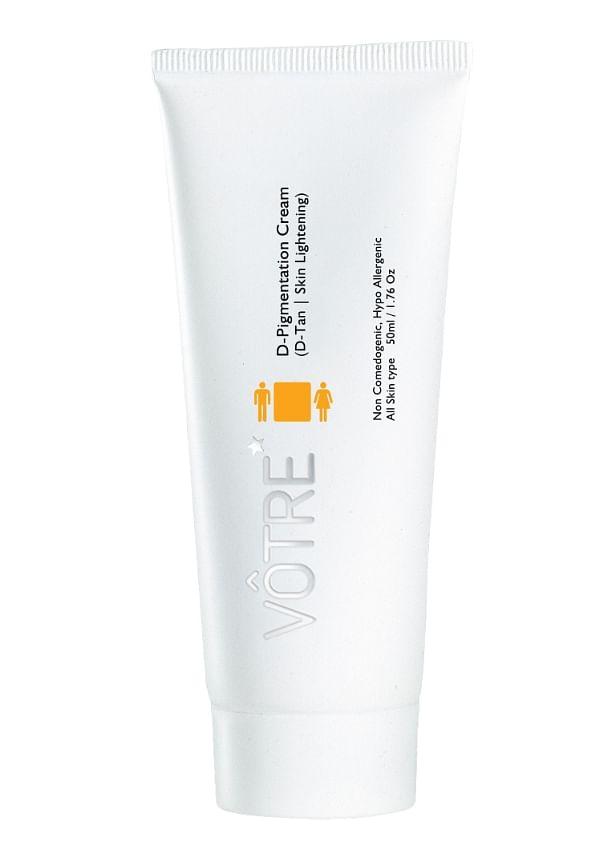 50 gm
50 gmPigmentation Cream Skin Lightening
It's not just pregnancy hormones causing drama. Thyroid disorders can make your skin appear darker or lighter, whilst conditions like Addison's disease can cause widespread hyperpigmentation. Even your birth control pills can influence melanin production—something worth chatting about with your doctor if you notice changes.
Time is undefeated, and your skin tone isn't immune to its effects. As we age, our skin undergoes various changes that can alter our complexion in ways that go beyond just wrinkles and fine lines.
Your melanocytes don't age gracefully—they become less efficient and more uneven in their melanin distribution. This leads to age spots, uneven pigmentation, and that overall loss of that youthful glow. Think of it like an old printer that's running low on ink and starting to print unevenly.
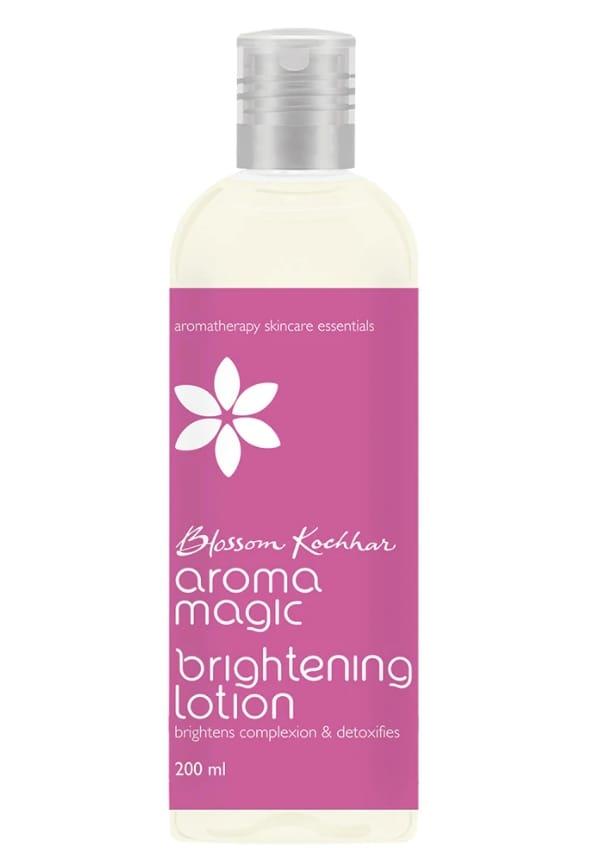 200 ml
Brightening Lotion Brightens Complexion & Detoxifies
All those years of sun exposure, pollution, and lifestyle choices add up. Your skin keeps a tally of every UV ray and free radical it's encountered, and eventually, the bill comes due in the form of skin discoloration, dark spots, and uneven tone. It's why consistent skincare throughout your life is so important.
Sometimes, factors affecting skin color go beyond the normal range and venture into medical territory. Various health conditions can significantly impact your skin's pigmentation, creating changes that might need professional attention.
Post-inflammatory hyperpigmentation is probably the most common culprit behind uneven skin tone. Every time your skin gets inflamed—whether from acne, eczema, or even aggressive skincare—it can leave behind dark marks. Other conditions like acanthosis nigricans create velvety dark patches, often linked to insulin resistance.
 100 ml
Glow Ubtan Face Wash with Turmeric, Kojic Acid & Niacinamide for Brightening, Tan Removal & Even Skin Tone
On the flip side, some conditions cause loss of pigmentation. Vitiligo creates white patches where melanocytes stop functioning, whilst certain nutritional deficiencies can lead to overall skin pallor. These conditions remind us that healthy skin pigmentation requires a delicate balance of various factors.
Your daily choices have more impact on your skin tone than you might think. From what you eat to how you sleep, lifestyle factors can subtly influence your complexion over time.
Ever heard of someone turning orange from eating too many carrots? That's carotenemia—a real condition where high carotene intake can tint your skin. On a more positive note, antioxidant-rich foods can help protect against skin damage, whilst proper hydration keeps your complexion looking fresh and even.
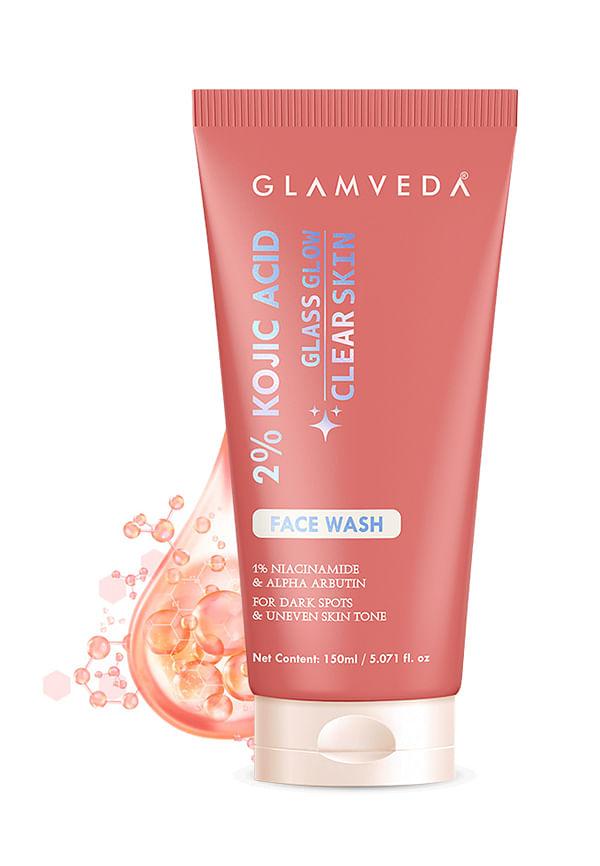 150ml
150ml2% Kojic Acid Face Wash With 1% Niacinamide & Alpha Arbutin for dark spot & uneven skin tone clear glow
Chronic stress pumps cortisol through your system, which can mess with melanin production and skin repair processes. Poor sleep doesn't just give you dark circles—it can affect your overall skin tone and healing ability. It's all connected, really.
Here's one that might surprise you—your circulation plays a significant role in your skin's appearance. The blood flowing beneath your skin contributes to your overall complexion in ways you might not have considered.
Good blood flow brings oxygen and nutrients to your skin cells whilst carrying away waste products. When circulation is poor, your skin can look dull or greyish. Exercise improves circulation, which is why you get that post-workout glow—it's literally your blood giving your skin a healthy flush.
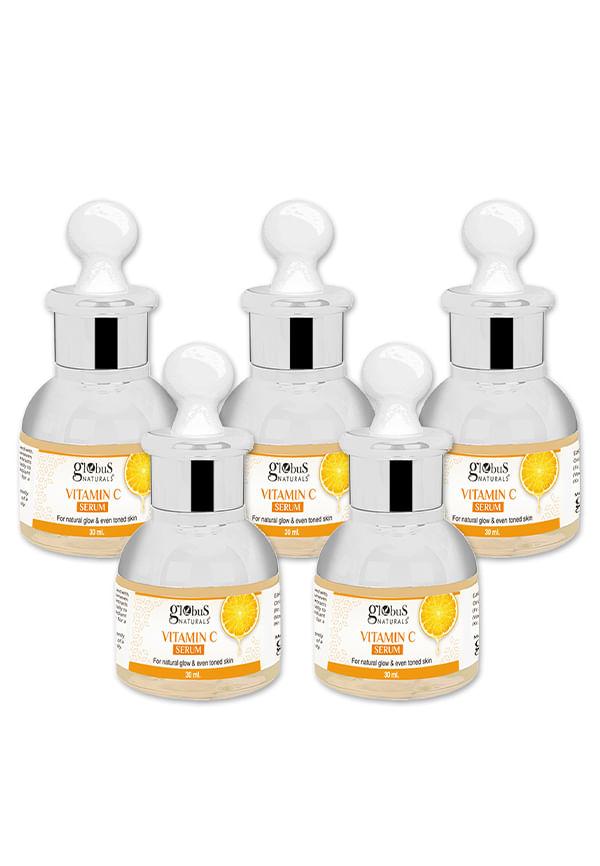 30 ml*5
Vitamin C Face Serum, for Natural Glow & Even Skin Tone
Conditions like anaemia can make your skin appear pale or ashen, whilst cardiovascular issues might affect the rosy undertones in your complexion. Even certain medications can influence blood flow and, consequently, your skin's appearance.
Understanding what affects skin tone helps you make informed decisions about skincare and lifestyle choices. Whether you're dealing with hyperpigmentation, trying to even out your complexion, or simply curious about your skin's behaviour, knowing these factors puts you in the driver's seat. Smytten's curated selection of skincare minis from trusted brands like Cetaphil and Dot & Key lets you explore different products to address your specific skin tone concerns without the commitment of full-size purchases.
The primary factors include genetics (your inherited melanin production), UV exposure (environmental triggers), hormonal influences, age-related changes, medical conditions, lifestyle factors, and blood circulation. These work together to create your unique skin tone.
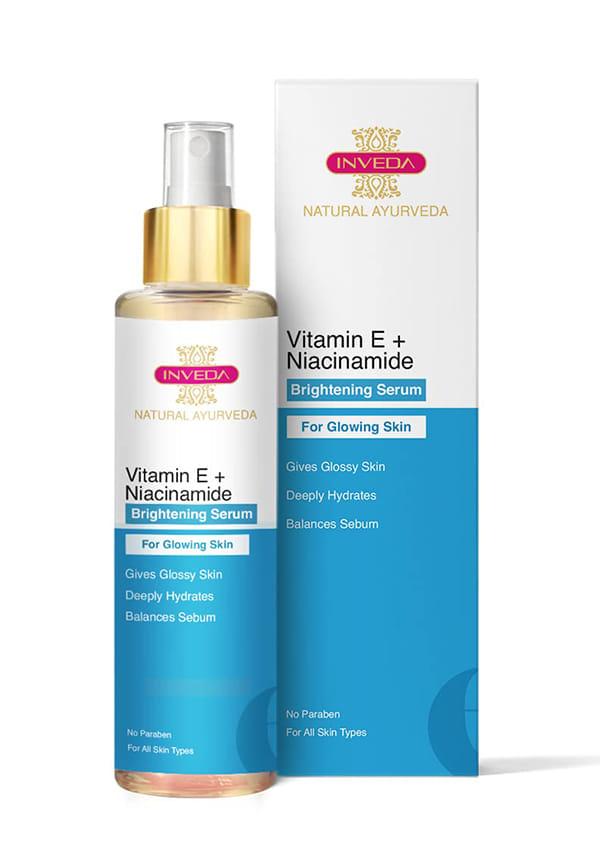 100 ml
Vitamin E+Niacinamide Brightening Serum, Dark Spots, Oily Skin, Uneven Tone
Absolutely. Hormonal fluctuations during pregnancy, menopause, or due to medical conditions can significantly affect melanin production, leading to conditions like melasma or general skin discoloration.
Seasonal changes in UV exposure, humidity levels, and even your circulation (due to temperature changes) can affect your skin's appearance. Less sun exposure in winter often leads to lighter skin tones, whilst summer brings increased melanin production.
It depends on the cause. Sun-induced changes can appear within hours to days, whilst hormonal or age-related changes develop over months or years. Post-inflammatory hyperpigmentation can take weeks to months to fully develop and fade.
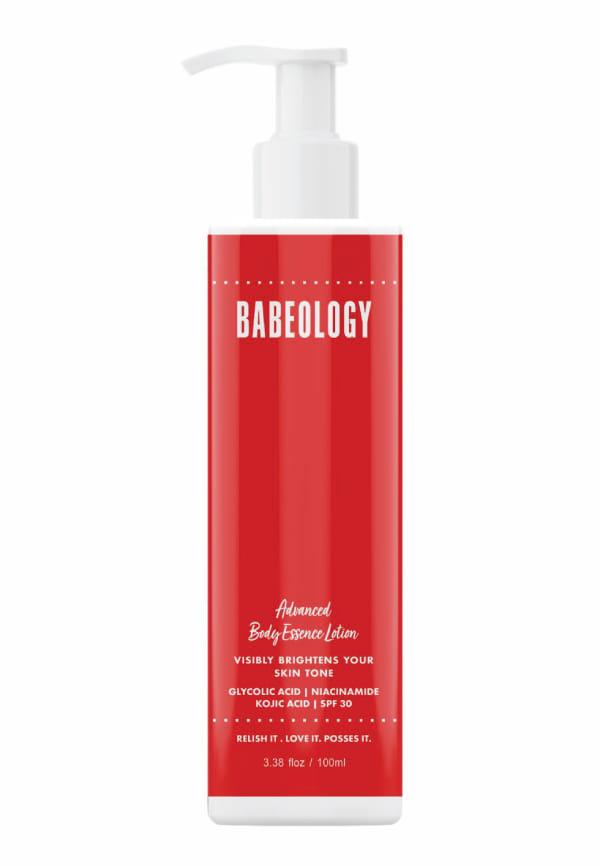 100 ml
Advanced Body Essence Lotion - Visible Brightens Your Skin Tone
Yes, though usually subtly. Extreme consumption of carotene-rich foods can cause a yellowish tint, whilst nutritional deficiencies can lead to pallor. A balanced diet with antioxidants supports healthy skin pigmentation.
Consult a professional if you notice sudden, dramatic changes in pigmentation, asymmetrical dark spots, or changes accompanied by other symptoms like itching or texture changes. Early evaluation is always better.
Your skin tone is the result of a complex interplay of genetic, environmental, and lifestyle factors. Whilst you can't change your genetic blueprint, understanding these influences helps you make informed choices about sun protection, skincare, and overall health. Remember that skin tone changes are normal and often temporary—the key is knowing when they're within the normal range and when they might need professional attention.
With over 25 million users trusting Smytten's platform, you can explore skincare solutions tailored to your unique skin concerns through trial-sized products from over 1,500 brands. Whether you're addressing hyperpigmentation, uneven tone, or simply maintaining healthy skin, Smytten's Trial Points system lets you discover what works for your skin without the guesswork. After all, why settle for maybe when you can try it all and find your perfect skincare match?
