7 Key Differences: Sunblock vs Sunscreen Explained


Let's be real—standing in the skincare aisle trying to decode sunblock vs sunscreen can feel like solving a puzzle. You've probably grabbed whatever was closest or cheapest, thinking they're basically the same thing. Plot twist: they're not. Understanding the difference between these two types of sun protection could be the game-changer your skin has been waiting for. Whether you're planning a beach day or just need daily protection for your commute, knowing which one suits your lifestyle (and skin type) makes all the difference. Ready to become your own sun protection expert?
Here's where things get interesting. The sunblock vs sunscreen debate isn't just about fancy marketing terms—there's actual science behind it. Think of it like this: sunscreen works like a sponge, absorbing UV rays and converting them into heat, whilst sunblock acts like a shield, physically reflecting those rays away from your skin.
The confusion often comes from how brands use these terms interchangeably, but dermatologists know better. Chemical sunscreen (what most people call "sunscreen") penetrates your skin to do its job, whilst mineral sunblock (the "sunblock" crew) sits on top of your skin like a protective barrier. This fundamental difference affects everything from how quickly they work to which skin types they suit best.
Now that we've covered the basics, let's dive into the nitty-gritty details that actually matter for your daily routine. These seven differences will help you make smarter choices about your sun protection game.
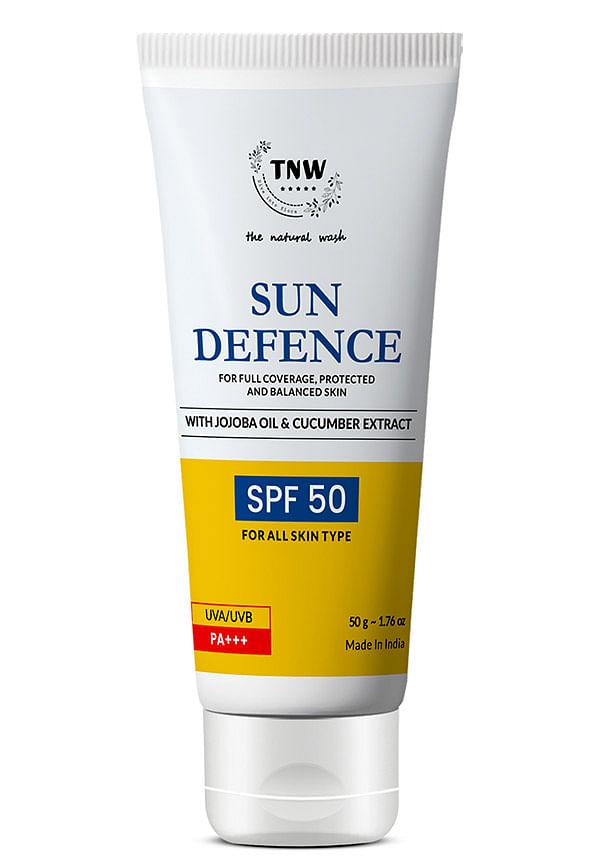 50 gm
50 gmSun Defence Spf Cream
Chemical sunscreen ingredients like avobenzone and octinoxate work by absorbing UV radiation and converting it to heat, which your body then releases. It's like having tiny UV-eating molecules working beneath your skin's surface. Mineral sunblock, on the other hand, uses zinc oxide or titanium dioxide to create a physical barrier that reflects UV rays before they can penetrate your skin.
This difference in mechanism explains why some people experience irritation with chemical formulas—your skin is literally processing and releasing heat. Mineral options tend to be gentler because they don't involve any chemical reactions on your skin.
Chemical sunscreen typically feels lighter and absorbs quickly, making it perfect for daily wear under makeup. You'll barely notice it's there once it's absorbed. Mineral sunblock tends to have a thicker consistency and might leave a slight white cast, especially on deeper skin tones.
However, newer mineral formulations have come a long way. Many brands now offer tinted options or ultra-fine particles that blend better with various skin tones, making the white cast issue less of a concern than it used to be.
Here's where timing becomes crucial. Chemical sunscreen needs about 15-30 minutes to activate and start protecting your skin effectively. You literally need to plan ahead with your sun protection routine. Mineral sunblock provides immediate protection the moment you apply it—no waiting required.
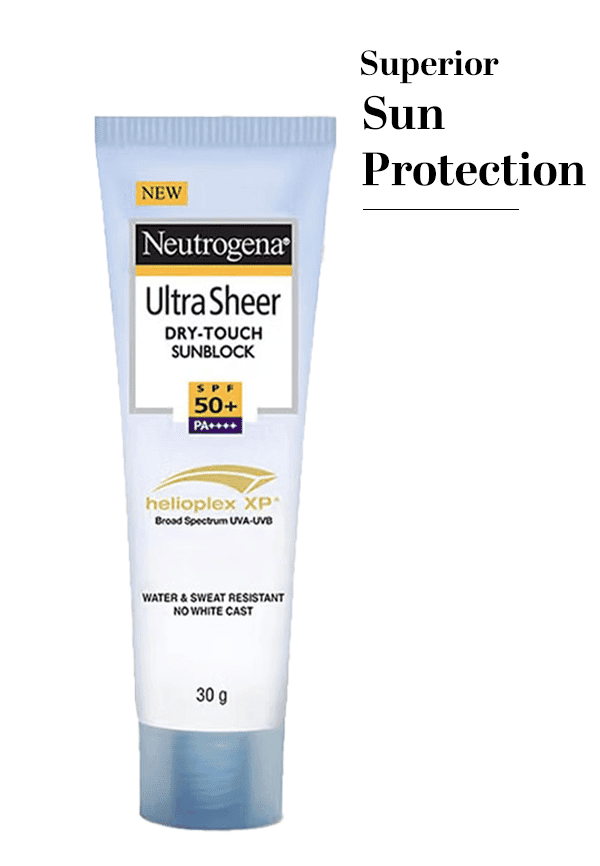 30 ml
30 mlUltra Sheer Sunscreen SPF 50+ - Ultra Light, For Oily And Dry Skin
Both types need reapplication every two hours for continued protection, regardless of their initial activation time. This is non-negotiable for proper sun protection.
If you have sensitive skin or are prone to allergic reactions, this difference matters most. Chemical sunscreen ingredients can sometimes trigger contact dermatitis or allergic reactions, especially in people with sensitive skin. The chemical process of absorbing and converting UV rays can also cause stinging around the eye area.
Mineral sunblock is generally considered hypoallergenic and is often recommended for children, people with sensitive skin, or those with conditions like rosacea. Dermatologists frequently suggest mineral options as the first choice for facial application.
When it comes to staying power, mineral sunblock typically wins the durability contest. The physical barrier it creates tends to be more stable and less likely to break down when exposed to water or sweat. Chemical sunscreen can degrade more quickly, especially when you're swimming or sweating heavily.
Both types offer broad spectrum protection against UVA and UVB rays when formulated correctly, but mineral options maintain their protective properties more consistently throughout extended outdoor activities.
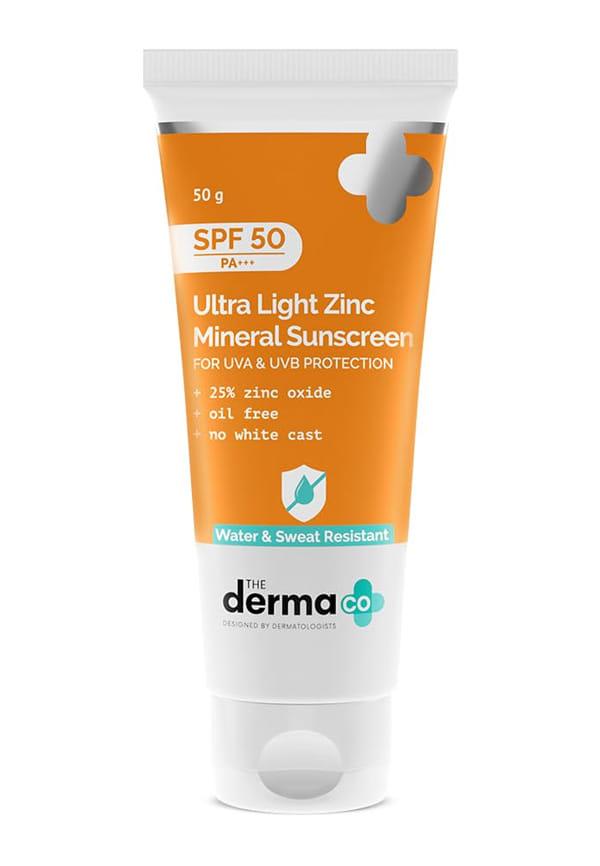 50 gm
50 gmUltra Light Zinc Mineral Sunscreen with SPF 50 PA+++
For daily office wear or casual activities, lightweight chemical sunscreen often feels more comfortable and works well under makeup. It's perfect for your everyday skincare routine when you need reliable protection without the heavy feel.
Beach days, hiking, or any intense outdoor exposure calls for mineral sunblock. Its superior durability and immediate protection make it ideal for situations where you can't control your sun exposure or might forget to reapply as frequently as you should.
Generally speaking, chemical sunscreen tends to be more affordable and widely available. You'll find countless options at various price points in most drugstores and online retailers. Mineral sunblock often comes with a higher price tag due to the cost of quality mineral ingredients and advanced formulation techniques.
However, when you consider the long-term investment in your skin's health and the potential cost of treating sun damage later, both options offer excellent value for money when chosen appropriately for your needs.
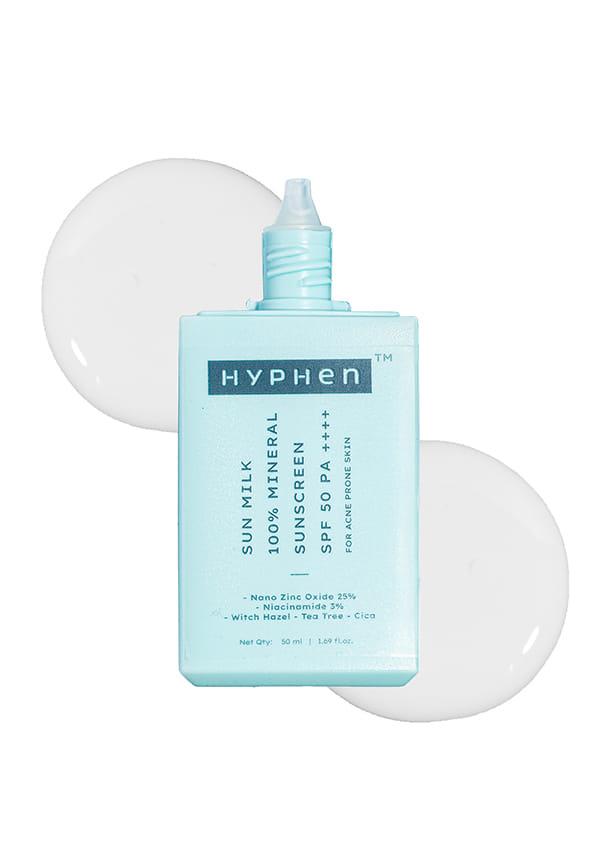 50 ml
50 mlSun Milk 100% Mineral Sunscreen SPF 50 PA++++ 25% Nano Zinc Oxide
Choosing between sunblock vs sunscreen isn't just about personal preference—your skin type, lifestyle, and specific needs should guide your decision. Let's break down the best scenarios for each type.
Mineral sunblock with zinc oxide is your best friend here. It's non-comedogenic, meaning it won't clog pores, and it's gentle enough for the most sensitive skin types. Paediatric dermatologists consistently recommend mineral options for children because they're less likely to cause irritation or allergic reactions.
Zinc oxide also offers excellent broad spectrum protection and has anti-inflammatory properties, making it particularly beneficial for people with conditions like eczema or rosacea.
If you wear makeup daily or prefer a lightweight feel, chemical sunscreen might be your go-to choice. Modern formulations absorb beautifully under makeup and often include additional skincare benefits like antioxidants or anti-ageing ingredients.
Some people find success with a combination approach: using mineral sunblock for outdoor activities and chemical sunscreen for daily wear. This strategy lets you enjoy the benefits of both types depending on your daily plans.
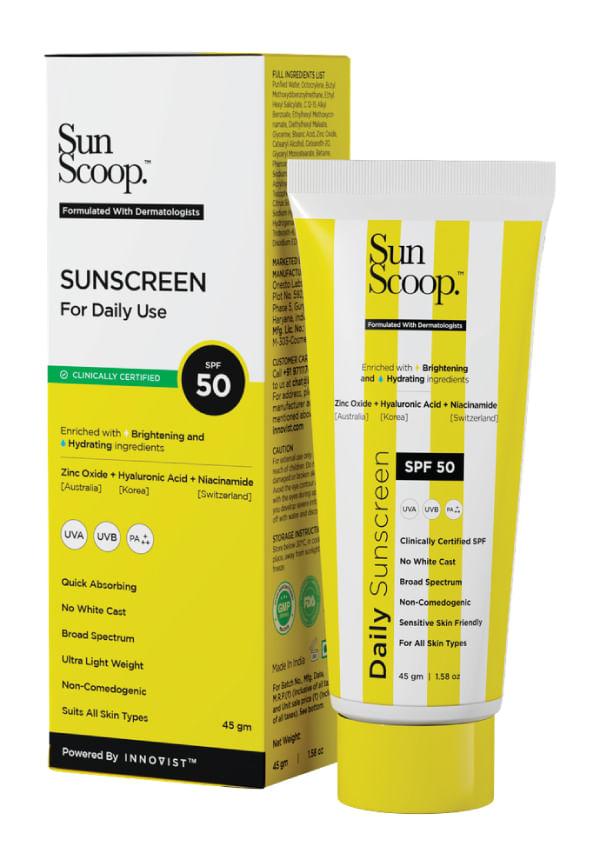 45 gm
45 gmDaily SPF 50 Sunscreen Cream | UV Filter Zinc Oxide
Mineral sunblock's durability makes it the clear winner for intense outdoor activities. Whether you're swimming, hiking, or playing sports, you need protection that won't easily sweat or wash off. Look for formulations specifically labelled as water-resistant for up to 80 minutes.
SPF 30 to 50 provides excellent protection for most activities—dermatologists note that SPF values above 50 offer diminishing returns and might give you a false sense of security about reapplication frequency.
Before you can make an informed choice in the sunblock vs sunscreen debate, you need to understand what those SPF numbers actually mean and why broad spectrum protection matters for your skin's long-term health.
SPF measures protection against UVB rays (the ones that cause sunburn). SPF 30 blocks about 97% of UVB rays, whilst SPF 50 blocks about 98%. That seemingly small difference explains why dermatologists often say SPF 30 is sufficient for most people when applied correctly.
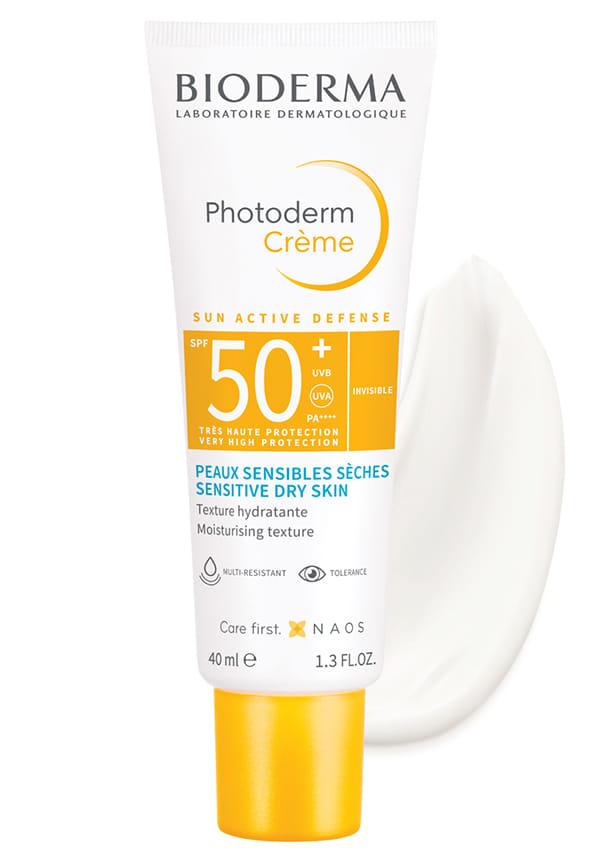 40 ml
40 mlPhotoderm Max Creme Spf 50+
The key word here is "correctly"—most people apply far less sunscreen than the recommended amount, which significantly reduces the actual protection they're getting. Proper application matters more than chasing higher SPF numbers.
UVA rays penetrate deeper into your skin and are primarily responsible for premature ageing, wrinkles, and long-term skin damage. UVB rays cause immediate sunburn and contribute to skin cancer risk. You need protection against both, which is where broad spectrum formulations become essential.
Both chemical sunscreen and mineral sunblock can offer broad spectrum protection when formulated correctly. Always look for "broad spectrum" on the label, regardless of which type you choose.
Understanding ingredients helps you make better choices and avoid potential irritants. Whether you're team sunblock or team sunscreen, knowing what's in your bottle matters for both effectiveness and skin compatibility.
 50 ml
50 mlSUN SHIELD SPF 50 PA+++ SUN BLOCK Sun Screen Lotion
Avobenzone provides excellent UVA protection but can be unstable without stabilising ingredients. Octinoxate and oxybenzone are effective but have raised some concerns about hormone disruption in large quantities. Many brands now offer oxybenzone-free formulations for those who prefer to avoid this ingredient.
Recent studies have also highlighted environmental concerns, particularly regarding coral reef damage. Many destinations now ban certain chemical sunscreen ingredients, making reef-safe formulations increasingly important for travellers.
Zinc oxide is considered the gold standard for sensitive skin protection. It's photostable (doesn't break down in sunlight), provides excellent broad spectrum protection, and has anti-inflammatory properties. Titanium dioxide offers similar benefits with a slightly lighter feel but provides less UVA protection than zinc oxide.
When shopping for mineral options, you might see "nano" or "non-nano" on labels. Non-nano particles are larger and sit more obviously on the skin's surface, whilst nano particles blend better but have raised some safety questions that are still being studied.
Knowing the difference between sunblock vs sunscreen is only half the battle—proper application technique determines how well your chosen product actually protects your skin. These expert tips ensure you're getting the most from your sun protection routine.
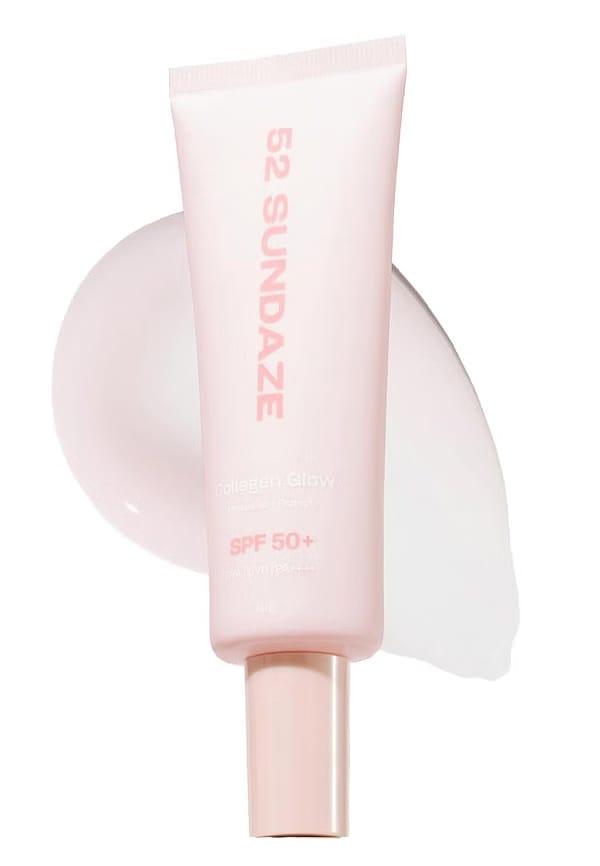 50 gm
50 gmSPF 50 Collagen Glow Sunscreen Cream PA++++
Most people use far less sunscreen than recommended. You need about 1/4 teaspoon for your face and neck, and roughly 1 ounce (about a shot glass full) for your entire body. This might seem like a lot, but skimping on quantity dramatically reduces your protection.
For chemical sunscreen, apply 15-30 minutes before sun exposure to allow proper activation. For mineral sunblock, you can apply right before heading out, but make sure to blend thoroughly for even coverage.
Missing spots like the tops of ears, between toes, and along the hairline is incredibly common. These areas often get the worst burns because they're forgotten during application. Don't forget about your lips—they need SPF protection too.
Using expired products significantly reduces effectiveness. Most sunscreens maintain their potency for about three years from manufacture, but if you're using the proper amount regularly, you should finish a bottle well before it expires.
Platforms like Smytten make it easier to try different sun protection products before committing to full-size purchases. With trial packs from trusted brands, you can test how different formulations feel on your skin and find your perfect match without the guesswork. This approach is particularly helpful when navigating the sunblock vs sunscreen decision, as you can experience the texture and performance differences firsthand.
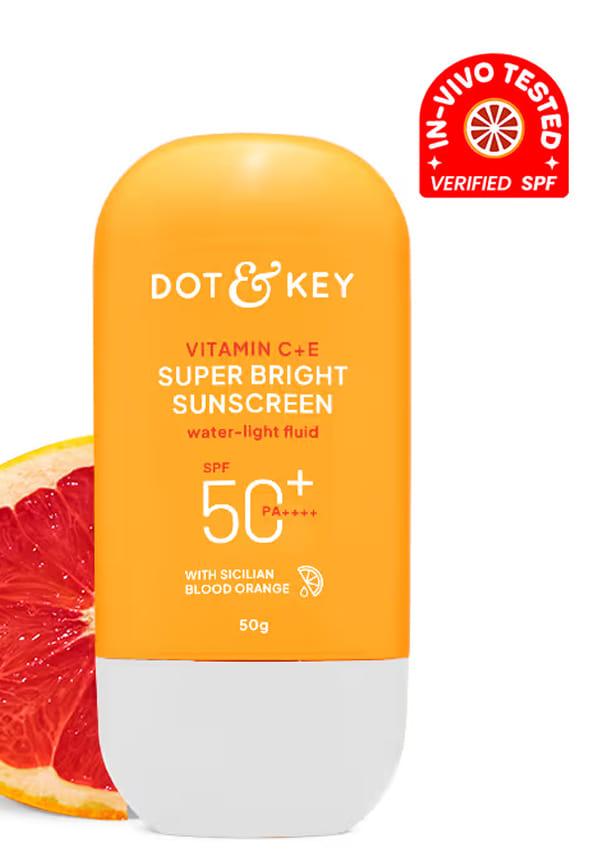 50 gm
50 gmVitamin C + E Sunscreen, IN-VIVO Tested SPF 50+ PA++++
For daily use, chemical sunscreen often feels more comfortable under makeup and during regular activities. However, if you have sensitive skin or spend significant time outdoors, mineral sunblock might be the better choice for consistent, gentle protection.
Absolutely. Mineral sunblock with zinc oxide is excellent for daily facial use, especially if you have sensitive or acne-prone skin. Look for facial-specific formulations that are designed to feel lighter and blend better with your skin tone.
No, SPF ratings work the same way for both types. SPF 30-50 provides excellent protection for most situations when applied correctly. The type of protection (chemical vs mineral) matters more than chasing higher SPF numbers.
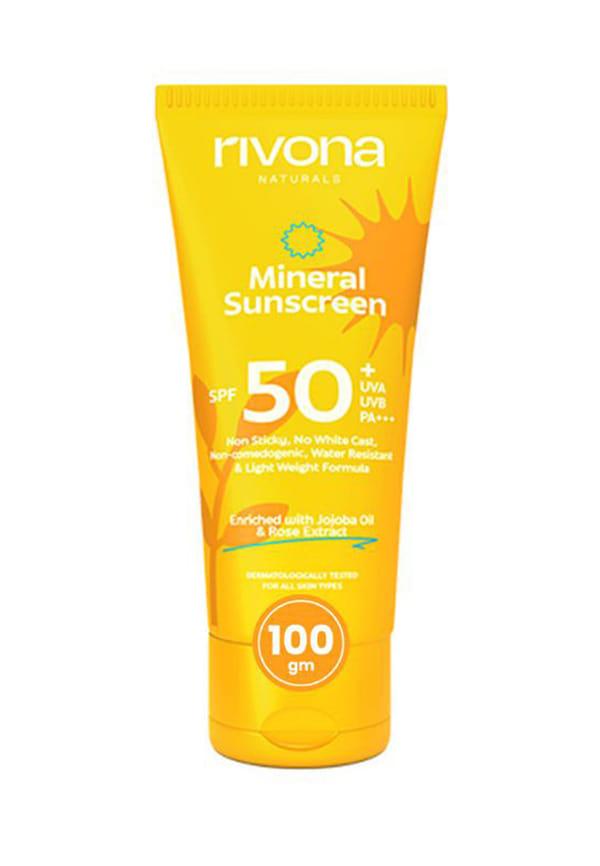 100 gm
Mineral Sunscreen with SPF 50+ UVA UVB PA+++
Mineral sunblock typically offers better durability for swimming and water sports. Look for water-resistant formulations that maintain protection for up to 80 minutes of water exposure, and remember to reapply after swimming or towelling off.
It's not recommended to mix different formulations, as this can affect their effectiveness. Instead, choose one type that suits your needs, or use different products for different situations (like chemical sunscreen for daily wear and mineral sunblock for outdoor activities).
The sunblock vs sunscreen choice ultimately comes down to your skin type, lifestyle, and personal preferences. Chemical sunscreen offers lightweight, invisible protection that's perfect for daily wear, whilst mineral sunblock provides gentle, immediate protection that's ideal for sensitive skin and outdoor activities.
Remember that the best sun protection is the one you'll actually use consistently. Whether you choose chemical or mineral, proper application and regular reapplication matter more than the specific type you select. Consider trying both types to see which feels better on your skin and fits your routine.
With Smytten's extensive range of skincare trial packs from trusted brands like Cetaphil and Dot & Key, you can explore different sun protection options without committing to full-size products. This trial-first approach helps you discover what works best for your unique skin needs, ensuring you never have to settle for sun protection that doesn't feel quite right. After all, when it comes to protecting your skin from UV damage, why settle for 'maybe' when you can try it all and find your perfect match?
