7 Key Differences: Face Serum vs Moisturizer
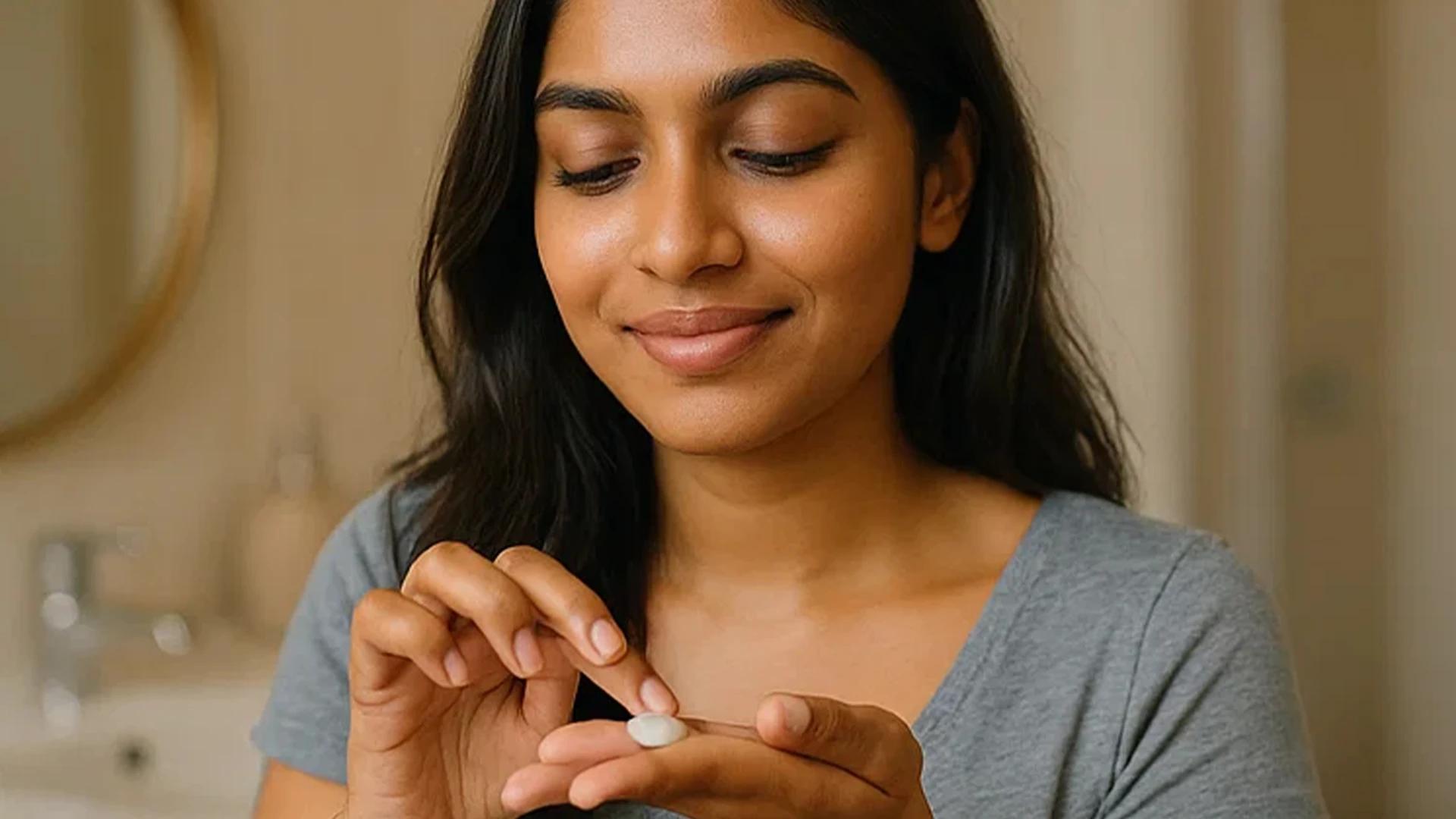

Ever stood in the skincare aisle feeling completely lost about whether you need a face serum, moisturiser, or both? You're not alone. While 73% of people swear by their moisturiser, only 31% have jumped on the serum bandwagon. The face serum vs moisturiser debate has left many of us confused about what our skin actually needs. Here's the thing—they're not competitors fighting for space in your routine. They're more like skincare besties, each bringing something unique to the table. Let's break down the seven key differences that'll help you understand when, why, and how to use each one for your best skin yet.
Think of a face serum as your skin's personal trainer—concentrated, focused, and designed to get results. These lightweight liquids are packed with active ingredients that work deep within your skin layers. Unlike your typical moisturiser, serums have smaller molecules that can penetrate deeper, delivering potent ingredients like vitamin C, hyaluronic acid, or retinol exactly where your skin needs them most. The magic of serums lies in their concentration. They're formulated to tackle specific skin concerns, whether that's dullness, fine lines, or dehydration. Because they're water-based and lightweight, they absorb quickly without leaving any sticky residue. The serum benefits are pretty impressive—from boosting collagen production to providing intense hydration at a cellular level.
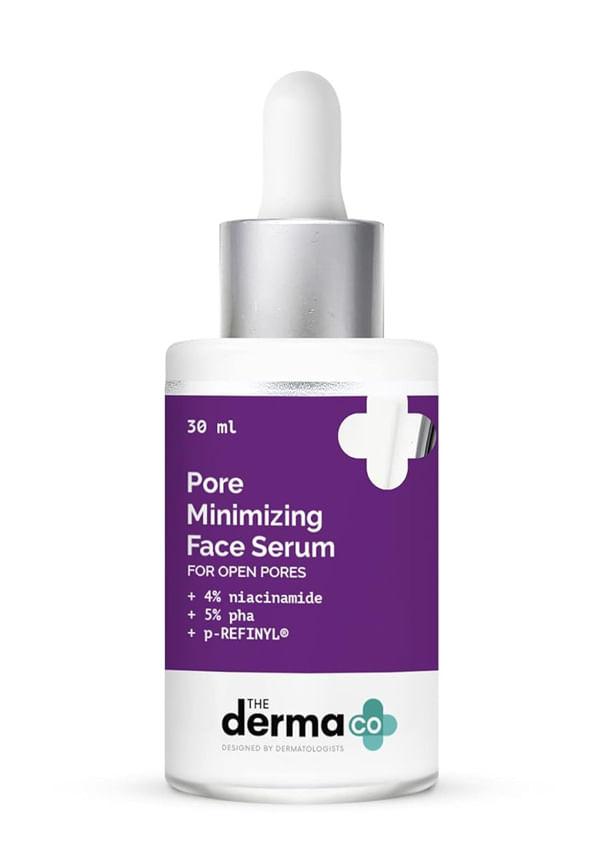 30 ml
30 mlPore Minimizing Face Serum
Your moisturiser is like a protective shield for your skin. While serums dive deep, moisturisers work primarily on the surface, creating a barrier that locks in hydration and keeps environmental nasties out. They're typically heavier in consistency and contain occlusive ingredients like ceramides, shea butter, or glycerin that prevent water loss from your skin. The best face moisturiser does more than just add moisture—it maintains your skin's natural barrier function. This protective layer is crucial for healthy skin, preventing irritation and keeping your complexion balanced. Moisturiser benefits include immediate hydration, protection from environmental damage, and that smooth, plump feeling we all love.
Now for the main event—let's dive into what actually sets these skincare heroes apart. Understanding these differences will help you make smarter choices for your skincare routine.
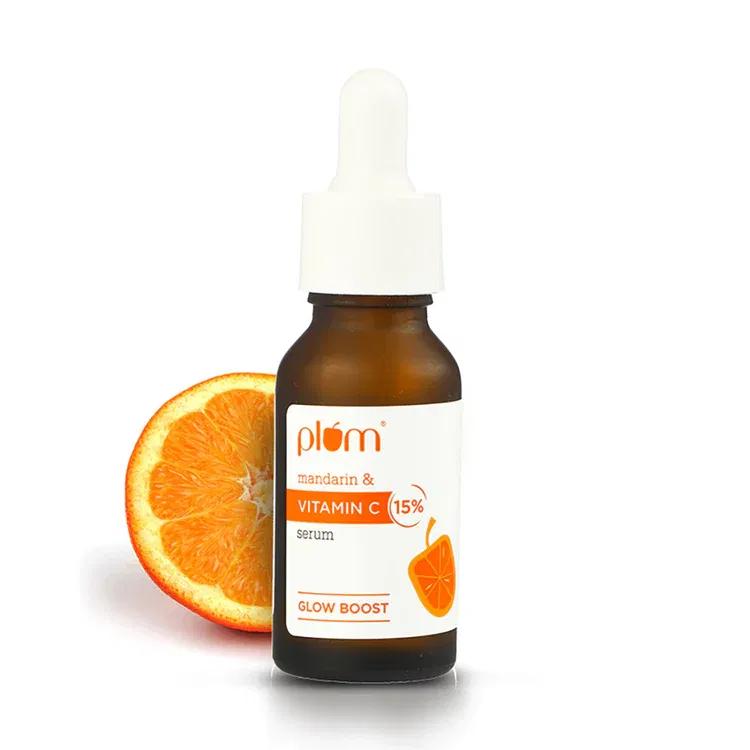 20 ml
20 ml15% Vitamin C Face Serum with Mandarin
Serums feel like water with a mission. They're lightweight, often gel-like or liquid, and absorb into your skin within seconds. You'll barely feel them once applied. Moisturisers, on the other hand, have more body to them. They can range from lightweight lotions to rich creams, but they'll always leave a subtle protective layer on your skin's surface.
This is where serums really shine. They're like the espresso shot of skincare—small but mighty. A good serum can contain up to 20% active ingredients, while moisturisers typically hover around 5-10%. This means serums pack more punch per drop, which is why a little goes a long way.
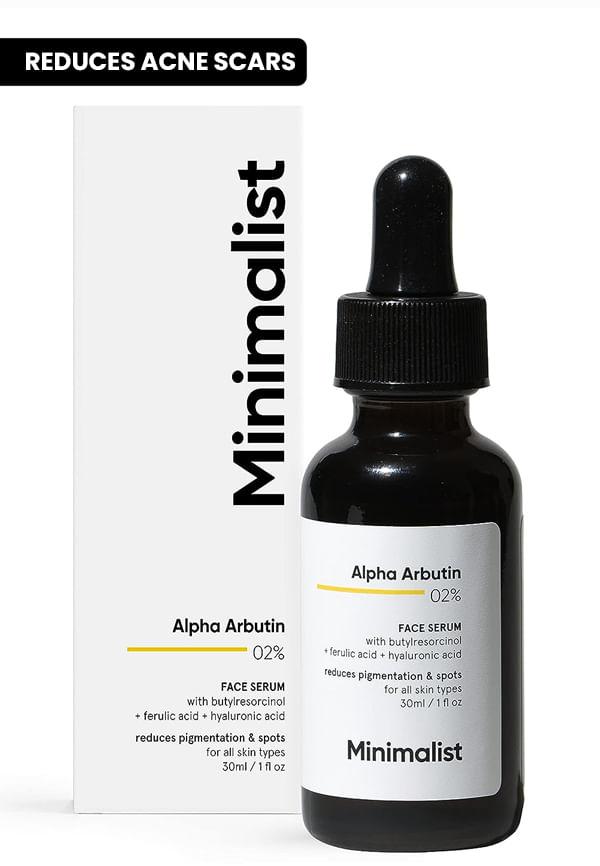 30 ml
30 ml2% Alpha Arbutin Face Serum For Hyperpigmentation
Serums are designed to go deep, reaching the dermis where real skin changes happen. Their molecular structure allows them to slip past your skin's surface barriers. Moisturisers work more on the epidermis (top layer), focusing on surface-level hydration and protection rather than deep cellular changes.
Serums are problem-solvers. Got dark spots? There's a vitamin C serum for that. Worried about fine lines? Hello, retinol serum. They're targeted treatments designed to address specific concerns. Moisturisers are more like your skin's daily maintenance crew—they keep everything running smoothly with consistent hydration and protection.
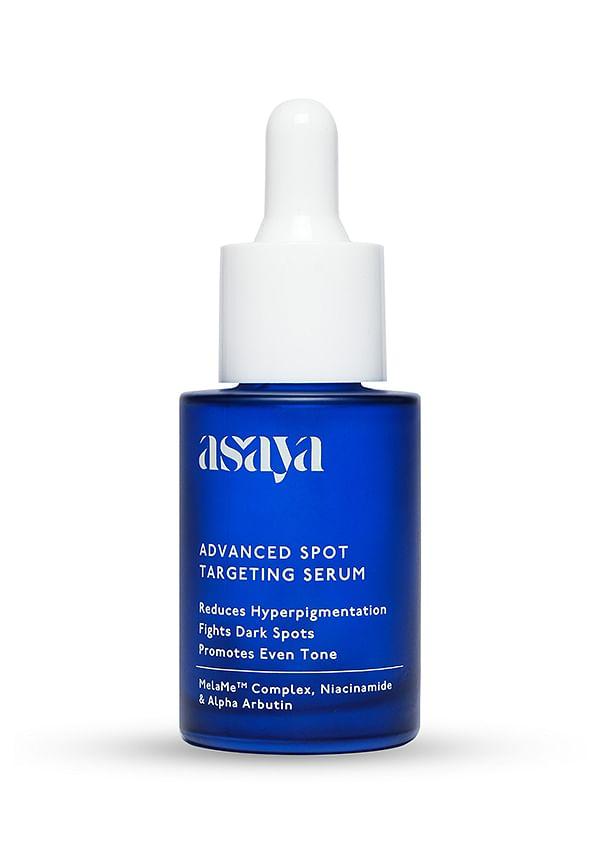 30 ml
30 mlAdvanced Spot Targeting Face Serum
This one's crucial for your skincare routine. Serums always go first (after cleansing), followed by moisturiser. Think "thinnest to thickest" as your golden rule. If you flip this order, your serum won't be able to penetrate through the moisturiser's protective barrier, making it pretty much useless.
Oily skin types often gravitate towards serums because they're lightweight and won't clog pores. But here's the plot twist—even oily skin needs moisturiser to maintain its barrier function. Dry skin benefits from both, with hydrating serums providing deep moisture and moisturisers sealing it in. For glowing skin, the combo of a vitamin C serum plus a good moisturiser is pretty much unbeatable.
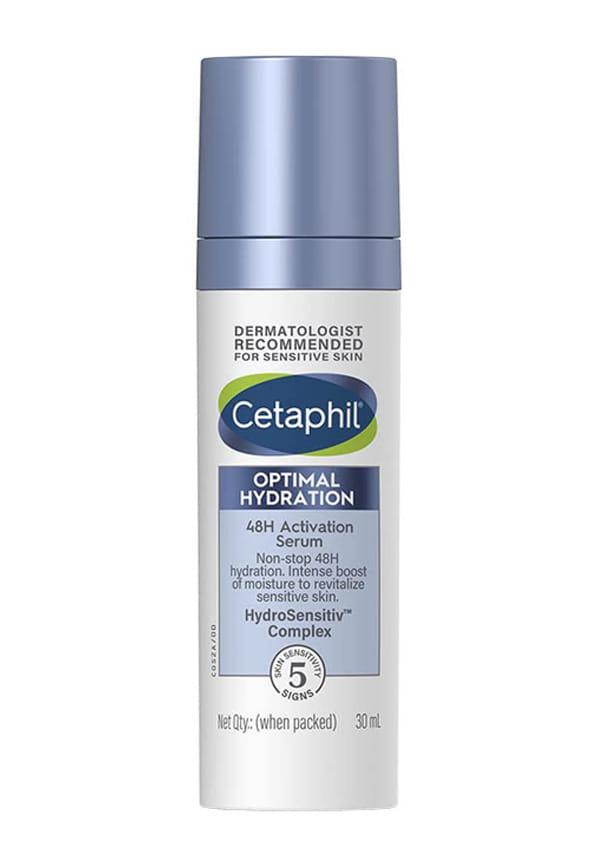 30 ml
30 mlOptimal Hydration Activation Serum
Serums typically cost more per ounce, but you use tiny amounts—usually just 2-3 drops for your entire face. A 30ml bottle can last months. Moisturisers require more product per application but are generally more affordable per ounce, making them budget-friendly for daily use.
Let's address the elephant in the room. While a hydrating serum might feel moisturising, it's not a complete replacement for moisturiser for most people. Serums lack the occlusive ingredients that prevent water loss from your skin. Using only serum is like filling a bucket with holes—you're adding hydration, but it's escaping just as quickly. There are exceptions, though. If you have very oily skin and live in a humid climate, a hydrating serum might provide enough moisture on its own. But for most of us, skipping moisturiser can lead to increased oil production as your skin tries to compensate for the lack of surface protection.
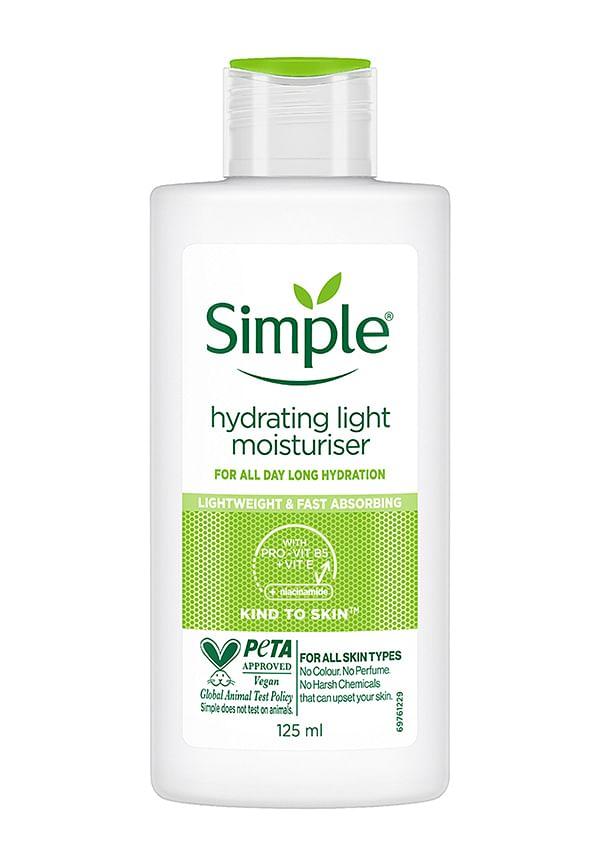 125 ml
Kind To Skin Hydrating Light Moisturiser
Here's where the magic happens—when serums and moisturisers work together, they create a skincare routine that's greater than the sum of its parts. Your morning routine might include a vitamin C serum for antioxidant protection, followed by a lightweight moisturiser with SPF. Evening routines could feature an anti-aging serum with retinol, sealed in with a richer night moisturiser. The key to skin hydration is layering these products correctly. Start with your serum on clean skin, wait about 30 seconds for absorption, then apply your moisturiser. This gives each product the best chance to do its job without interference.
Morning routines focus on protection—think vitamin C serums and lightweight moisturisers with SPF. Night routines are about repair and renewal, perfect for anti-aging serums and richer moisturisers that work while you sleep.
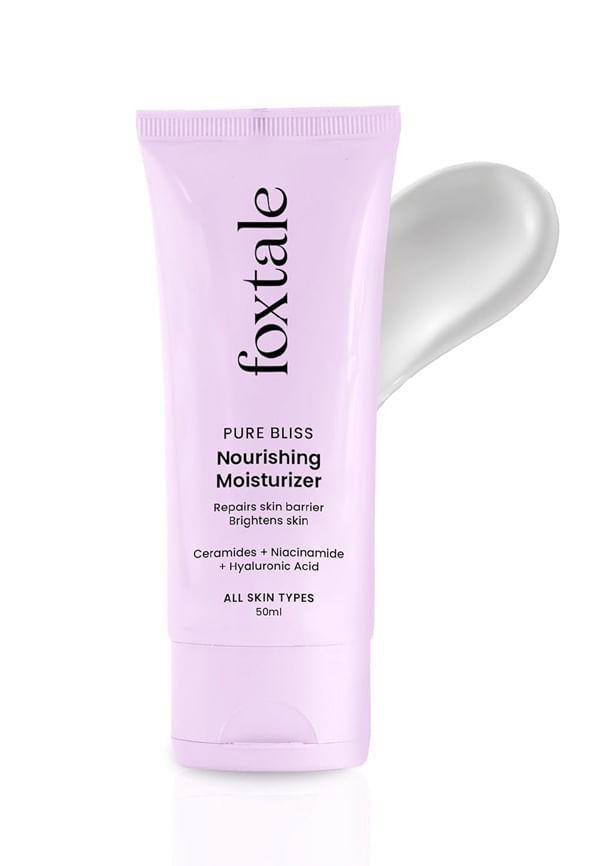 50 ml
50 mlNourishing Ceramide Moisturiser for 72hrs of Hydrated, Glowing Skin
If you're using multiple serums, apply them from thinnest to thickest consistency. Always finish with moisturiser to lock everything in. This approach maximises the benefits of each product in your routine.
Your skincare goals should drive your product choices. For anti-aging concerns, an anti-aging serum with ingredients like retinol or peptides, paired with a moisturiser containing ceramides, creates a powerful combination. If hydration is your priority, look for serums with hyaluronic acid—they can hold up to 1000 times their weight in water. For acne-prone skin, the face serum vs cream debate often leans towards lighter formulations. Niacinamide serums paired with gel moisturisers can help control oil while maintaining skin hydration. The key is finding products that work together, not against each other. This is where platforms like Smytten become invaluable. With curated trial packs from over 1,500 trusted brands, you can explore different serums and moisturisers without committing to full-size purchases. Whether you're testing a new vitamin C serum or trying to find the perfect moisturiser for your skin type, Smytten's trial approach lets you discover what works for your unique skin needs.
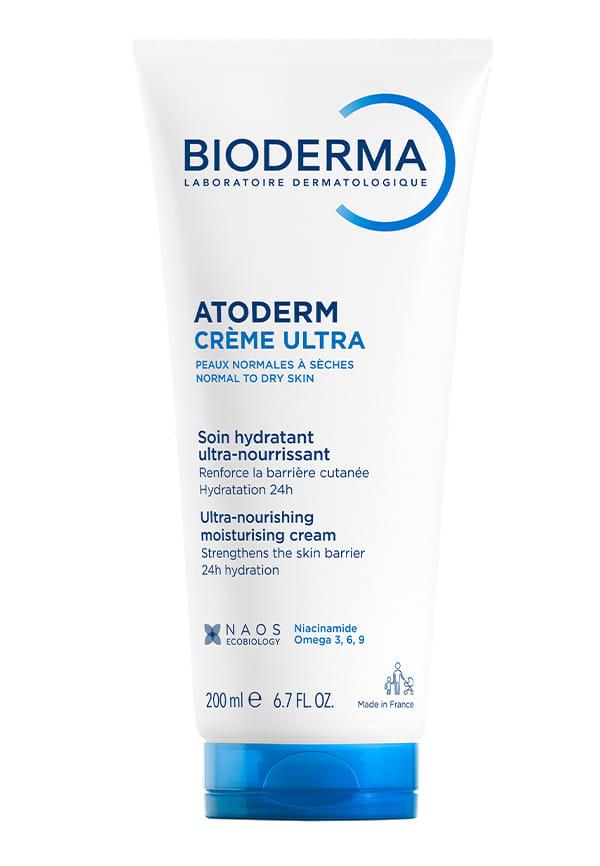 200 ml
Atoderm Creme Ultra-Nourishing Moisturizer
For most people, yes. Serums provide targeted treatment while moisturisers offer essential barrier protection. They complement each other rather than compete.
Neither is "better"—they serve different purposes. Serums target specific concerns while moisturisers provide essential hydration and protection. Think of them as teammates, not rivals.
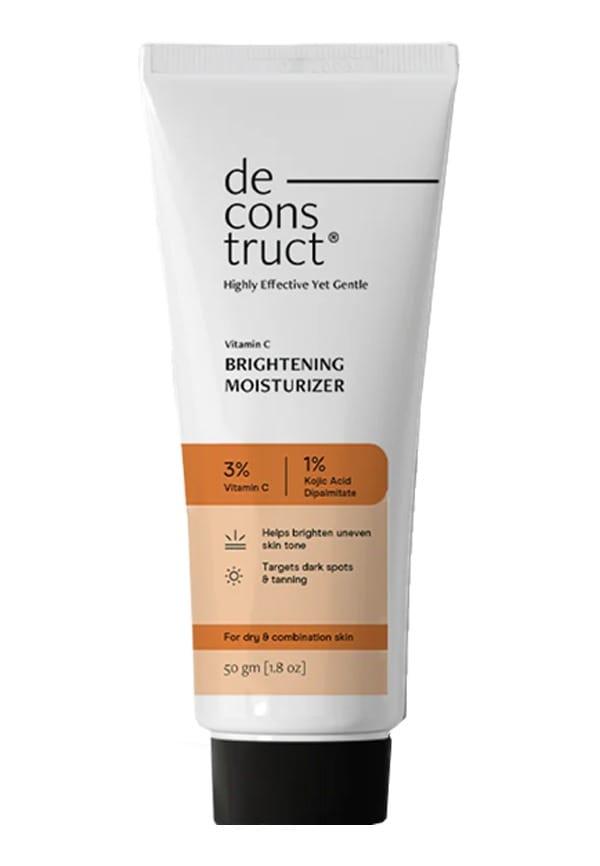 50 gm
50 gmNiacinamide Brightening Moisturizer- 5% Niacinamide + 1% Kojic Acid + 5% Vitamin C + Vitamin E
While hydrating serums provide moisture, they typically lack the occlusive ingredients needed to prevent water loss. Most skin types benefit from using both products.
Serums can be more expensive and may cause irritation if you use too much or choose the wrong active ingredients for your skin type. They also don't provide the barrier protection that moisturisers offer.
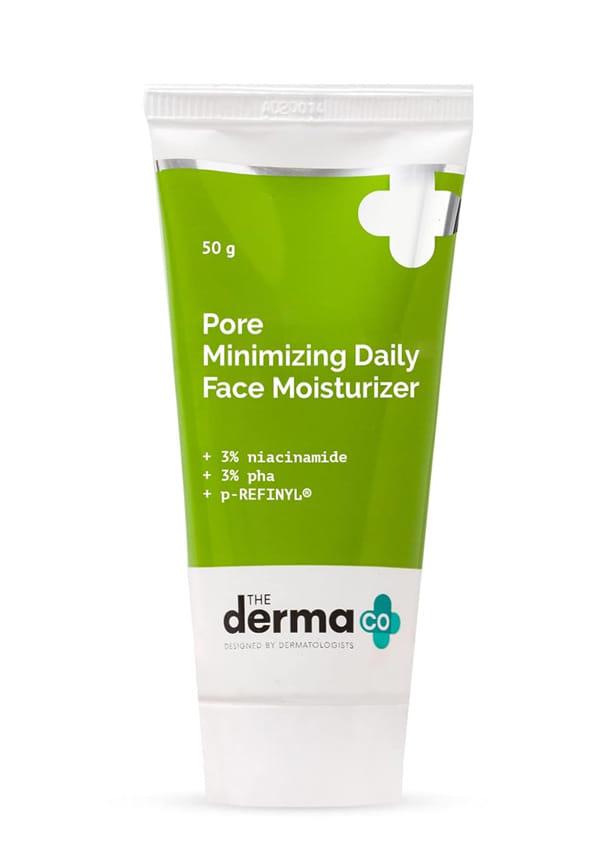 50 gm
50 gmPore Minimizing Daily Face Moisturizer with 3% Niacinamide 3% PHA and p-REFINYL
About 30 seconds to 1 minute is usually enough for most serums to absorb before applying moisturiser.
While you can mix them, it's better to apply them separately to ensure each product can work effectively. Mixing might dilute the serum's potency.
The face serum vs moisturiser debate doesn't have to be an either-or situation. Understanding these seven key differences helps you see that both products bring unique benefits to your skincare routine. Serums deliver concentrated active ingredients deep into your skin, while moisturisers provide essential surface protection and hydration. The real magic happens when you use them together strategically. Whether you're just starting your skincare journey or looking to upgrade your routine, remember that the best approach is often a combination of both. With Smytten's trial platform, you can explore different formulations from trusted brands like Cetaphil, Dot & Key, and others, helping you make smarter, more confident choices about what works for your skin. After all, why settle for maybe when you can try it all and find your perfect skincare match?
