Tips for Maximising the Benefits of Face Packs
Getting the most from your moisturising facial treatment isn't just about the ingredients - it's also about how you use them. These simple tips will help you nail your face pack game, especially when using a face pack for dry skin in winter.
Proper Application Techniques
Always start with clean skin and apply your face pack evenly. Use upward strokes and avoid the delicate eye area. Don't forget your neck - it needs love too.
Frequency of Use
For dry skin, using a hydrating face mask 2-3 times per week is ideal. Any more might be overkill, any less won't give you the results you're after. In winter, you might need to increase the frequency slightly to combat the harsh effects of cold weather.
Complementary Skincare Practices
Pair your face packs with a good moisturiser and always use SPF during the day. Think of face packs as part of your routine, not a magic fix. During winter, consider using a heavier moisturiser after your face pack to lock in the hydration.
Ingredients to Look for in Store-Bought Face Packs
Sometimes you want the convenience of a ready-made product. When shopping for a soothing face pack for flaky skin, these ingredients are your friends.
Hyaluronic Acid
This ingredient can hold many times its weight in water. It's like a moisture magnet for your skin, drawing hydration from the air and locking it in.
Glycerin
A gentle humectant that draws moisture to your skin without causing irritation. Perfect for sensitive, dry complexions that need extra TLC.
Natural Oils (Jojoba, Argan, Almond)
These oils closely mimic your skin's natural sebum, making them ideal for dry skin. They absorb well without leaving a greasy residue.
Ceramides
These lipids help restore your skin barrier, which is often compromised in dry skin. They're like little repair workers fixing your skin's protective layer.
FAQs
How often should I use a face pack for dry skin?
For dry skin, 2-3 times per week is the sweet spot. This gives your skin enough hydration without overdoing it. Listen to your skin - if it feels tight or irritated, dial it back a bit.
Can I use these face packs if I have sensitive skin?
Most natural ingredients are gentle, but always patch test first. Apply a small amount to your inner wrist and wait 24 hours. If there's no reaction, you're good to go.
Are there any side effects of using natural face packs?
Natural doesn't always mean risk-free. Some people might react to ingredients like honey or certain fruits. Start with simple recipes and introduce new ingredients gradually.
How long should I leave the face pack on?
Most hydrating masks work best when left on for 15-20 minutes. However, scrubs should only stay on for 5-10 minutes to avoid over-exfoliation.
Can I use these face packs in winter when my skin is extra dry?
Absolutely! Winter is when your skin needs these treatments most. You might even want to increase frequency slightly during particularly dry months. A face pack for dry skin in winter can provide much-needed relief from harsh weather conditions.
Final Thoughts
Natural face packs offer a brilliant way to pamper your dry skin without breaking the bank. These nourishing face mask ingredients from your kitchen can work wonders when used consistently. Remember, the key to healthy skin isn't just about what you put on it - it's about finding what works for your unique needs.
Speaking of finding what works, exploring different skincare options can be helpful. Many platforms offer the opportunity to discover and try various skincare products, including hydrating face masks and moisturising treatments. By trying different options, you can find the perfect face pack for your dry skin needs, whether you're looking for overnight hydration or a gentle exfoliating solution. After all, why settle for 'maybe' when you can try various options and find exactly what your dry skin has been craving?


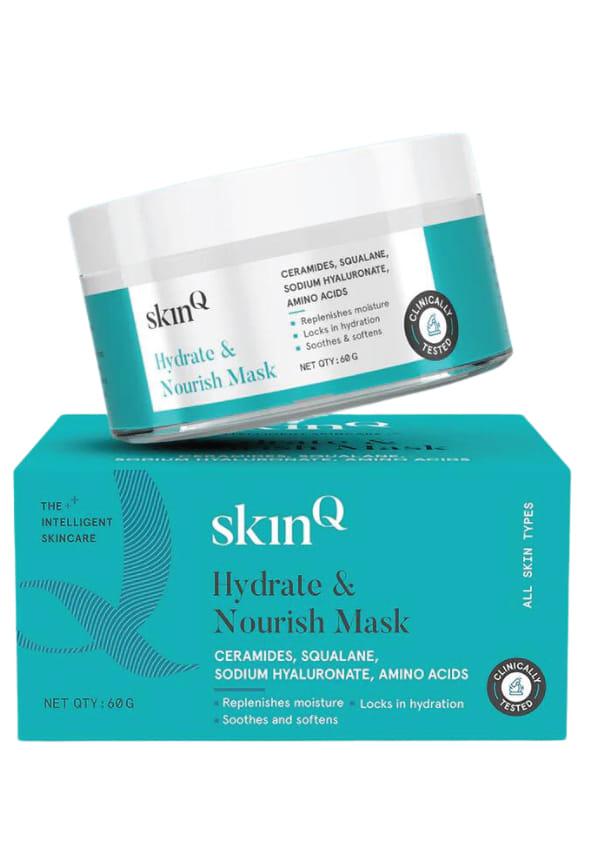 60 ml
60 ml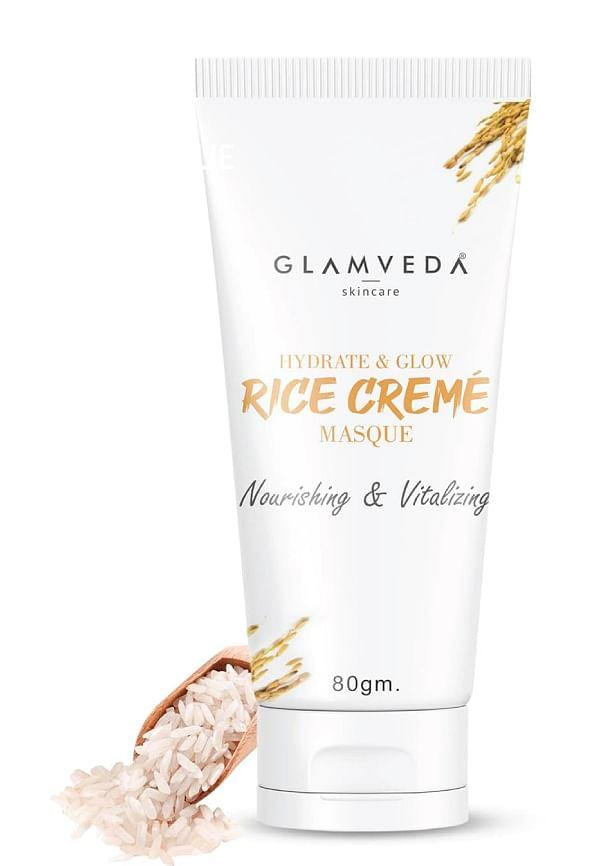 80 gm
80 gm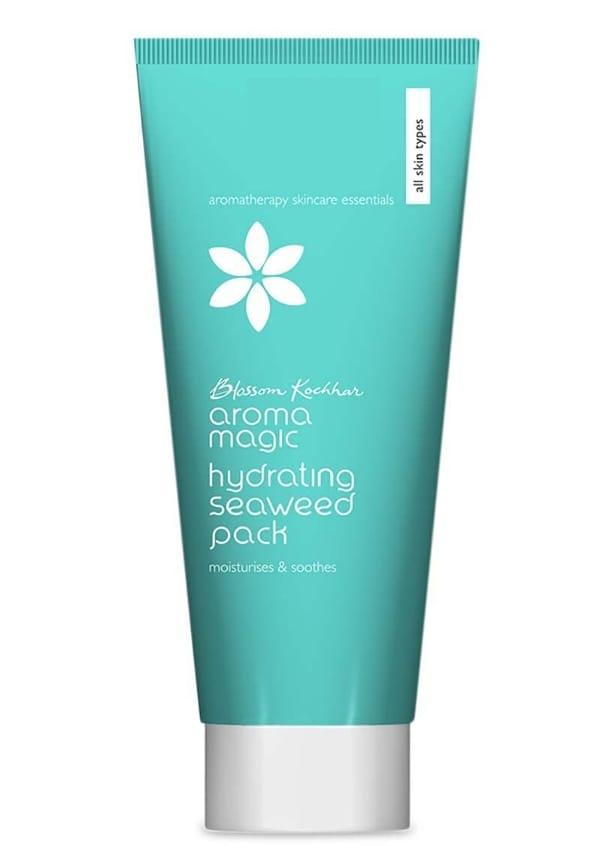 100 g
100 g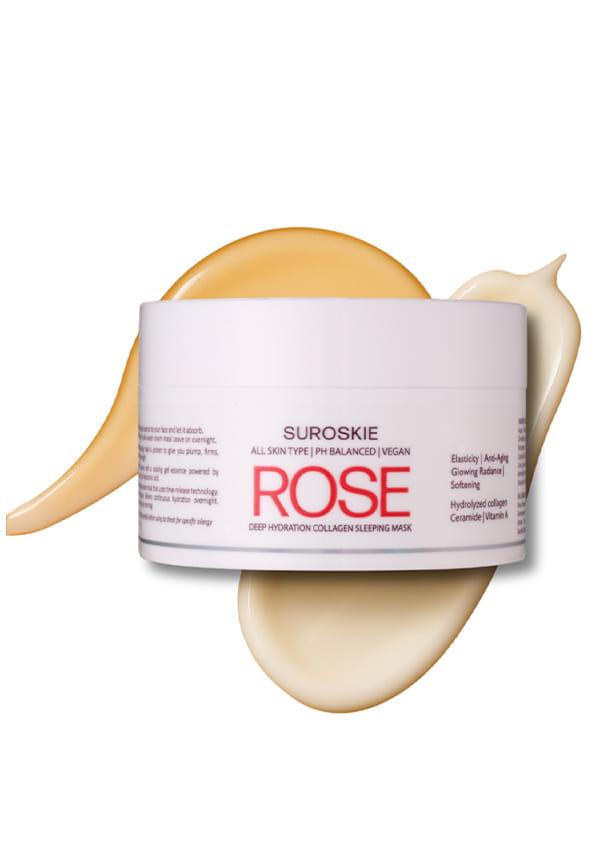 90 gm
90 gm