7 Hidden Causes of Fine Lines You Must Know


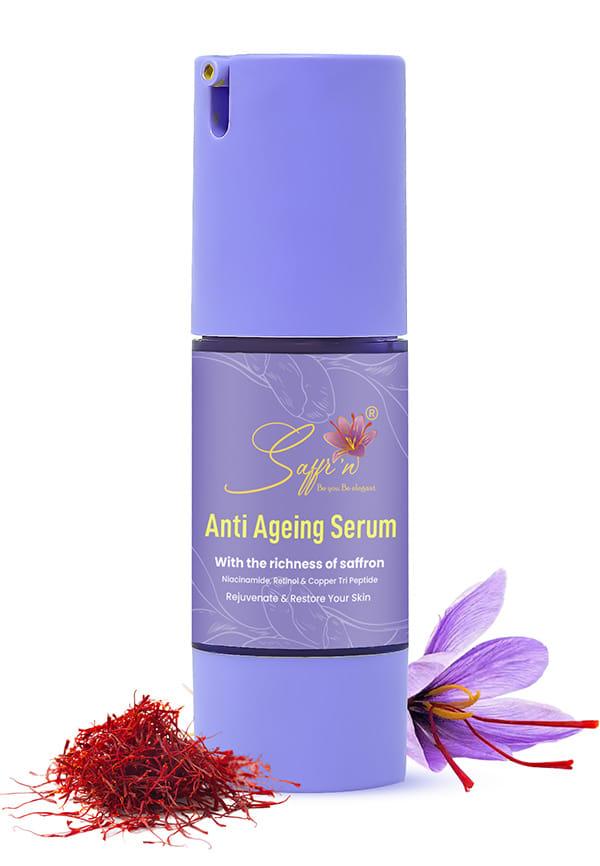 30 ml
30 mlAnti Ageing Serum
Fine lines seem to appear out of nowhere, don't they? One day you're admiring your smooth skin, and the next, you're spotting those tiny creases around your eyes or mouth. While we often blame ageing for these unwelcome visitors, the real causes of fine lines go way beyond just getting older. From your sleep position to the air you breathe, there are sneaky culprits working behind the scenes to accelerate the skin aging process. Let's dive into seven hidden factors that might be fast-tracking your journey to facial lines – and more importantly, what you can do about them.
Before we jump into the hidden culprits, let's get real about what's actually happening to your skin. The aging skin process isn't just about time ticking by – it's a complex dance between your skin's structure breaking down and environmental factors speeding things up.
Your skin's elasticity comes from two key players: collagen and elastin. Think of collagen as your skin's scaffolding – it keeps everything firm and plump. Elastin, on the other hand, is like a rubber band that helps your skin bounce back after you smile or frown. As we age, our bodies naturally produce less of both, leading to collagen loss and reduced skin elasticity.
But here's where it gets interesting – facial lines don't all form the same way. Fine lines are typically the first to show up, appearing as shallow creases that are most visible when your skin is dry or when you make expressions. They're different from deeper wrinkles, which form grooves that stay put even when your face is relaxed.
The wrinkle causes fall into two main categories: intrinsic (natural ageing) and extrinsic (external factors). While you can't stop intrinsic ageing, you have way more control over extrinsic factors than you might think.
Everyone knows about sun damage, but there are plenty of other environmental factors skin has to battle daily. Air pollution is a massive culprit that often flies under the radar. Those tiny particles floating in city air don't just make you cough – they penetrate your skin and create free radicals that break down collagen faster than your body can replace it.
Your home environment isn't innocent either. Air conditioning and central heating systems might keep you comfortable, but they're also sucking moisture out of the air and your skin. This constant dehydration makes fine lines more visible and can accelerate premature aging.
That blue light from your phone and laptop? It's not just messing with your sleep. Recent studies suggest that prolonged exposure to blue light can contribute to skin ageing by generating reactive oxygen species that damage skin cells.
Wind, extreme cold, and sudden temperature changes all stress your skin's barrier function. When your skin barrier is compromised, it loses moisture faster and becomes more vulnerable to damage that leads to fine lines.
Your pillow might be your best friend at night, but it could also be creating sleep wrinkles on your face. When you sleep on your side or stomach, your face gets pressed and folded against the pillow for hours. Over time, these repeated compressions can lead to permanent creases, especially as your skin loses elasticity with age.
Then there are the expressions you make throughout the day. Every time you squint, smile, or furrow your brow, you're creating temporary grooves in your skin. When you're young, your skin bounces back immediately. But as collagen loss progresses, these temporary lines start to stick around longer and eventually become permanent facial lines.
Cotton pillowcases can create friction and pull at your skin. Silk or satin pillowcases allow your skin to glide more smoothly, reducing the mechanical stress that contributes to sleep wrinkles.
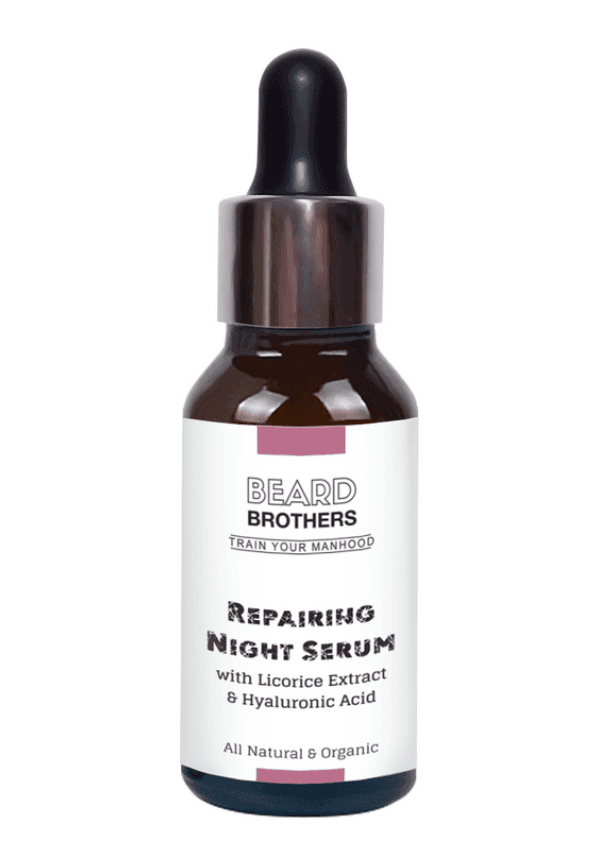 30 ml
30 mlAnti-Aging Night Serum for Men, Natural and Organic, Anti-Aging Serum to Reduce Fine Lines and Wrinkles
If you're constantly squinting because you need glasses or your screen brightness is too low, you're giving yourself extra crow's feet. Simple fixes like getting an eye exam or adjusting your screen settings can make a real difference.
Your skin is basically a reflection of what's happening inside your body, and nutritional deficiencies can fast-track the appearance of fine lines. Vitamin C deficiency is particularly sneaky – without enough vitamin C, your body can't produce collagen properly, leading to accelerated aging skin changes.
Vitamin E, zinc, and omega-3 fatty acids are also crucial for maintaining skin elasticity. When you're not getting enough of these nutrients, your skin's repair processes slow down, and damage accumulates faster than it can be fixed.
Dehydration doesn't just make existing fine lines more visible – it actually contributes to their formation. When your skin cells don't have enough water, they shrink and create tiny gaps between them. This makes your skin look dull and emphasises every little line.
Excessive sugar intake leads to a process called glycation, where sugar molecules attach to collagen fibres and make them stiff and brittle. This process accelerates collagen loss and makes your skin less resilient to damage.
Stress isn't just bad for your mental health – it's wreaking havoc on your skin too. When you're stressed, your body pumps out cortisol, which breaks down collagen and elastin faster than normal. Chronic stress essentially puts your skin aging process into overdrive.
Hormonal fluctuations, particularly during menopause, can dramatically accelerate fine line formation. As oestrogen levels drop, your skin produces less collagen and becomes thinner and drier. This makes it more vulnerable to damage and less able to repair itself effectively.
Poor sleep doesn't just make you look tired – it actually ages your skin. During deep sleep, your body repairs damaged skin cells and produces new collagen. When you're not getting enough quality sleep, this repair process gets disrupted, leading to accelerated premature aging.
High cortisol levels also increase inflammation throughout your body, including in your skin. This chronic inflammation breaks down the proteins that keep your skin firm and smooth, contributing to the formation of facial lines.
Sometimes the very products meant to help your skin are actually making things worse. Over-cleansing is a huge culprit – stripping your skin's natural oils disrupts its barrier function and makes it more vulnerable to environmental damage. This can actually speed up the skin aging process rather than slow it down.
Using harsh ingredients like alcohol-based toners or overly aggressive scrubs can cause micro-damage that accumulates over time. Your skin needs gentle care to maintain its protective barrier and repair mechanisms.
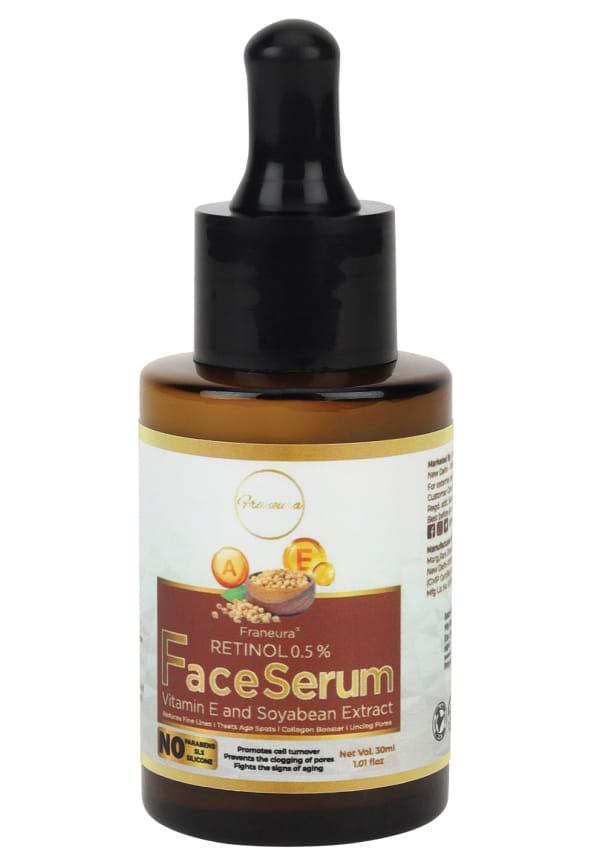 30 ml
30 mlRetinol Anti-Aging Face Serum to Reduce Fine Lines & Wrinkles
How you apply your skincare products matters too. Tugging and pulling at your skin during cleansing or moisturising can stretch the delicate tissues and contribute to premature aging. Always use gentle, upward motions and let products absorb naturally.
Using products that don't work well together can cause irritation and inflammation. For example, combining certain acids with retinoids without proper spacing can damage your skin barrier and accelerate fine line formation.
This is where platforms like Smytten become incredibly valuable. With access to trial packs from over 1,500 trusted brands, you can test how different products work with your skin before committing to full sizes. Finding the right skincare tips for wrinkles often involves trial and error, and Smytten's approach lets you explore safely without the financial risk of buying products that might not suit your skin.
Some lifestyle habits have obvious connections to skin ageing, but others might surprise you. Smoking is an obvious villain, but did you know that even occasional social smoking can accelerate collagen loss? The chemicals in cigarettes constrict blood vessels, reducing oxygen and nutrient delivery to your skin cells.
Alcohol consumption is another sneaky culprit. It dehydrates your body and skin while also depleting essential nutrients like vitamin A, which is crucial for skin repair. Regular drinking can make your skin look dull and emphasise fine lines.
Poor posture doesn't just hurt your back – it can contribute to neck lines and forehead wrinkles. When you constantly look down at your phone or hunch over a computer, you're creating repeated folds in your skin that can eventually become permanent.
Beyond the glycation process mentioned earlier, high sugar intake also causes inflammation throughout your body. This systemic inflammation accelerates the breakdown of collagen and elastin, making your skin more prone to wrinkle causes and less able to maintain its elasticity.
Your genes play a bigger role in how and when you develop fine lines than you might think. Some people are genetically predisposed to produce less collagen or lose it faster, making them more vulnerable to early facial lines. Understanding your genetic predisposition can help you take preventive action earlier.
Ethnic differences also play a role in the aging skin process. Different skin types have varying amounts of melanin, collagen density, and oil production, all of which affect how quickly fine lines develop and where they're most likely to appear.
Some areas of your face naturally have thinner skin, making them more vulnerable to fine line formation. The skin around your eyes, for example, is much thinner than the skin on your cheeks, which is why crow's feet often appear first.
Look at your parents and grandparents – their skin ageing patterns can give you clues about what to expect and where to focus your prevention efforts. If your mum developed forehead lines early, you might want to pay extra attention to sun protection and expression habits.
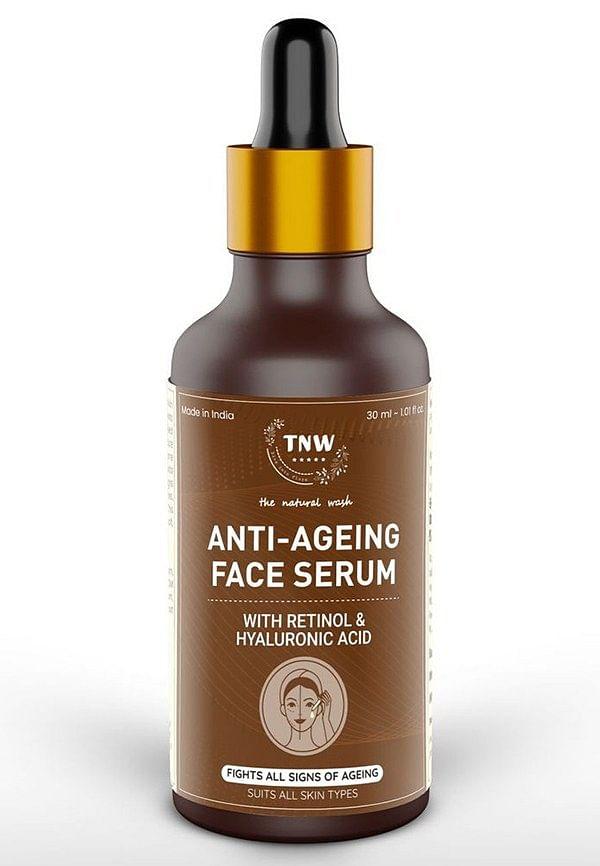 30 ml
30 mlAnti-Ageing Serum For Younger Looking Youthful Skin
Now that you know the hidden culprits, let's talk about fighting back. For environmental protection, go beyond sunscreen – use antioxidant serums to neutralise pollution damage and invest in a good humidifier to combat dry indoor air. Consider blue light protection if you spend long hours in front of screens.
Address sleep and expression habits by training yourself to sleep on your back when possible, or at least invest in a silk pillowcase. Be mindful of repetitive expressions and consider getting an eye exam if you find yourself squinting frequently.
Focus on a diet rich in antioxidants, healthy fats, and collagen-supporting nutrients. Stay hydrated and consider supplements if you suspect deficiencies. Limit sugar and processed foods that contribute to inflammation and glycation.
Develop healthy stress management techniques like meditation, exercise, or hobbies that help you unwind. Prioritise sleep quality – aim for 7-9 hours of good sleep each night to support your skin's natural repair processes.
When it comes to skincare, gentle is the way to go. Use products appropriate for your skin type and introduce new ingredients slowly. The key skincare tips for wrinkles include consistent sun protection, regular moisturising, and using proven anti-ageing ingredients like retinoids and vitamin C.
Sudden fine line appearance often results from a combination of factors catching up with your skin. Environmental damage accumulates over time, and hormonal changes can accelerate collagen loss. Lifestyle factors like increased stress, poor sleep, or changes in skincare routine can also trigger more visible signs of ageing.
Several nutritional deficiencies can accelerate fine line formation. Vitamin C deficiency impairs collagen production, while lack of vitamin E reduces your skin's ability to protect itself from damage. Essential fatty acid deficiencies can compromise skin elasticity, and inadequate protein intake affects your body's ability to repair and rebuild skin tissues.
Fine lines won't disappear completely on their own, but their appearance can improve with proper care. Early fine lines caused by dehydration or temporary damage may become less visible with consistent moisturising and protection. However, lines caused by collagen loss and structural changes typically require active treatment to see significant improvement.
Effective fine line reduction combines prevention with active treatment. Start with proven ingredients like retinoids, vitamin C, and peptides. Professional treatments like chemical peels or laser therapy can provide more dramatic results. The key is consistency and patience – most treatments take 3-6 months to show significant results.
Understanding the hidden causes of fine lines empowers you to take control of your skin's ageing process. While you can't stop time, you can definitely slow down the factors that accelerate premature aging. From protecting against environmental damage to managing stress and choosing the right skincare products, every small change adds up to make a real difference in maintaining your skin's health and appearance.
Remember, finding the right products for your skin often involves some experimentation. Smytten's trial platform makes this process both affordable and risk-free, letting you discover what works best for your unique skin needs. With access to minis from trusted brands and the ability to try before you buy full sizes, you can build an effective anti-ageing routine without the guesswork. After all, when it comes to fighting fine lines, why settle for maybe when you can try it all?
